Kolmanskop Ghost Town Namibia
November 3, 2026
Swakopmund Namibia Guide
November 3, 2026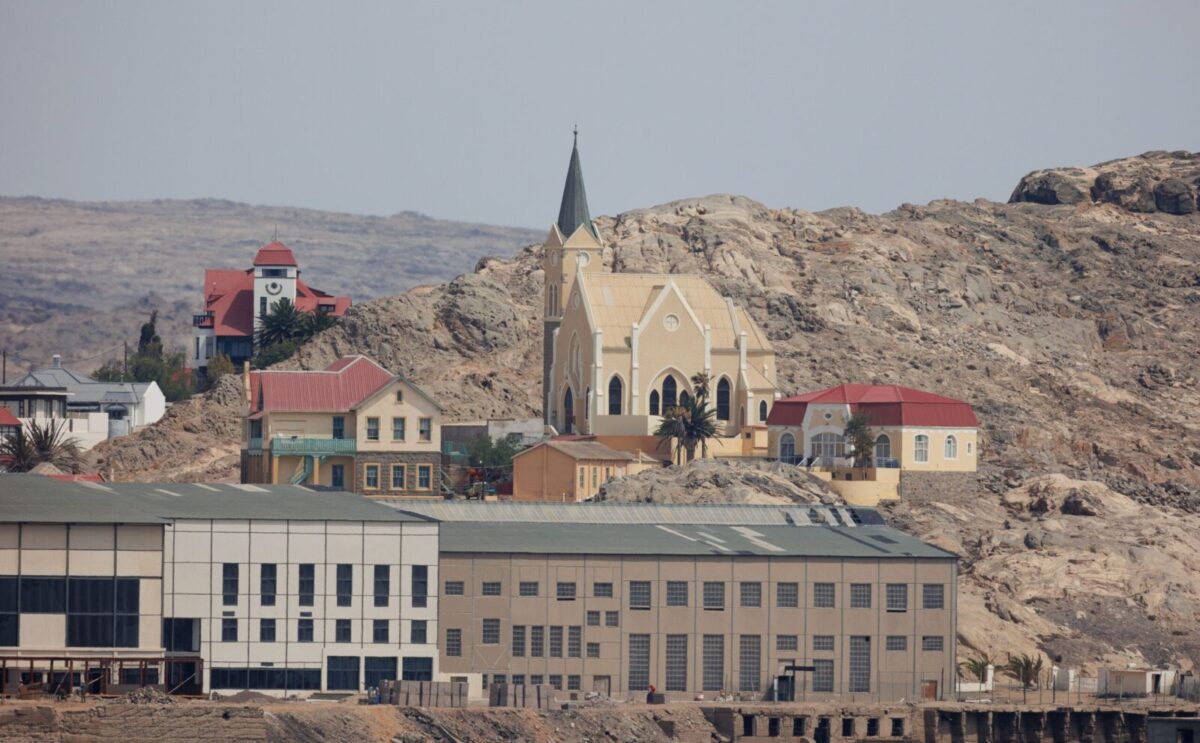
Lüderitz Namibia Guide: Ghost Towns & Diamond Forbidden Zone
Lüderitz is one of Namibia’s most unusual coastal towns, where colourful historic buildings stand against a backdrop of desert landscapes and the cold Atlantic Ocean. Located in the country’s southwest, the town offers an atmospheric combination of colonial-era architecture, maritime history, and nearby abandoned diamond-mining settlements. Its remote location and distinctive surroundings make it especially appealing to travellers interested in heritage, photography, and lesser-visited destinations.
The town also provides access to the famous ghost town of Kolmanskop and views towards the restricted diamond-mining region known as the Sperrgebiet. These attractions reveal the economic ambitions and difficult histories associated with Namibia’s diamond industry. Visitors can explore selected accessible areas while learning about the people and events that shaped this isolated coastal region.
Where Is Lüderitz Located?
Lüderitz lies on Namibia’s southwestern Atlantic coast, surrounded by the arid landscapes of the Namib Desert. Its position creates a dramatic contrast between rocky shorelines, sandy terrain, and colourful historic buildings. The town feels geographically isolated compared with Namibia’s larger urban centres.
Road connections link Lüderitz with inland destinations, including Aus and routes through southern Namibia. Travellers often approach the coast across open desert landscapes that reveal the region’s sparse vegetation and expansive horizons. The journey forms an important part of the destination’s appeal.
The surrounding environment also includes areas associated with diamond mining and conservation. Some sections remain restricted, while designated attractions welcome visitors under specific conditions. Understanding these access limitations is essential when planning excursions beyond the town.
The History of Lüderitz
Lüderitz developed during the period of German colonial expansion in southwestern Africa. Its coastal position attracted commercial interest, while later diamond discoveries transformed the surrounding region. Historic buildings and urban landmarks continue to reflect aspects of this colonial past.
The town’s history also includes the violence and dispossession experienced by Indigenous communities during German rule. Nearby Shark Island is associated with the imprisonment and deaths of people during the colonial genocide against the Herero and Nama. These events form an essential part of the region’s heritage and deserve careful, respectful interpretation.
Diamond mining subsequently brought new economic activity to the area. Settlements expanded around mining operations, while access restrictions protected valuable deposits. The remains of abandoned towns now provide evidence of this period of rapid growth and decline.
Explore Lüderitz’s Historic Architecture
Lüderitz is known for its colourful German-influenced buildings, many of which stand along streets overlooking the harbour and surrounding hills. Their decorative details, steep roofs, and distinctive façades create an unusual architectural landscape. The buildings contrast sharply with the dry desert environment.
Walking through the historic centre allows visitors to observe different stages of the town’s development. Some structures remain in active use, while others serve as reminders of earlier commercial and administrative activity. Their survival contributes to Lüderitz’s reputation as one of Namibia’s most visually distinctive towns.
Travellers should explore these buildings with an understanding of the colonial history behind them. Architectural beauty does not erase the injustices associated with the period in which many structures emerged. Guided interpretation can help visitors appreciate both the physical heritage and its historical context.
Visit Kolmanskop Ghost Town
Kolmanskop is one of the most famous attractions near Lüderitz. The abandoned settlement developed during Namibia’s diamond-mining boom and once contained facilities associated with a prosperous mining community. After mining activity declined and residents moved elsewhere, the desert gradually reclaimed many buildings.
Today, sand fills rooms, corridors, and doorways, creating striking scenes that attract photographers from around the world. The contrast between abandoned interiors and shifting dunes illustrates how quickly desert environments can transform human settlements. Visitors can explore authorised areas while learning about the town’s history.
Kolmanskop provides more than unusual photographic opportunities. Its remains reveal the economic ambitions, social divisions, and temporary nature of settlements built around mineral extraction. Guided tours can explain how mining shaped daily life and why the community eventually disappeared.
Understanding the Sperrgebiet Diamond Area
The Sperrgebiet, meaning forbidden area, refers to a historically restricted diamond-mining region in southwestern Namibia. Access limitations developed to protect valuable mineral deposits and control movement through mining areas. The region also contains significant desert habitats and conservation landscapes.
Modern access arrangements vary according to the location and activity. Some areas remain restricted, while authorised tours may operate within designated sections. Travellers should never assume that open desert terrain is available for unrestricted exploration.
The Sperrgebiet illustrates the relationship between natural resources, economic development, and environmental protection. Its history includes mining activity, colonial policies, and later conservation initiatives. Visitors who understand these connections gain a deeper appreciation of southern Namibia’s complexity.
Discover Diaz Point
Diaz Point offers one of the most recognisable coastal excursions near Lüderitz. The site is associated with Portuguese maritime exploration and provides views across the rugged Atlantic shoreline. Its exposed setting reveals the powerful ocean conditions that characterise this part of Namibia.
Visitors can explore designated viewpoints and observe the surrounding coastal landscape. Strong winds, waves, and changing weather create dramatic scenery, particularly for photography. The area also provides opportunities to appreciate the region’s maritime history.
The Atlantic coast around Lüderitz can be hazardous, especially near exposed rocks and strong surf. Travellers should remain within safe viewing areas and avoid approaching dangerous edges. Suitable clothing is important because coastal winds can make conditions feel considerably colder.
Visit Shark Island and Learn Its History
Shark Island is an important historical site associated with German colonial rule in Namibia. During the early twentieth century, colonial authorities used the location as a concentration camp where many Herero and Nama prisoners died under brutal conditions. The site therefore carries deep historical and commemorative significance.
Visitors should approach Shark Island as a place of remembrance rather than simply another scenic coastal attraction. Learning about the experiences of those imprisoned there helps explain the wider history of colonial violence in Namibia. Respectful behaviour and thoughtful interpretation remain essential.
The site also provides views of the surrounding harbour and Atlantic coastline. However, its historical importance should remain central to the visit. Travellers interested in Namibia’s past can use this experience to deepen their understanding of the country’s struggle with colonial legacies.
Explore the Lüderitz Waterfront
Lüderitz’s waterfront reflects the town’s long relationship with maritime trade and fishing. Boats, harbour facilities, and historic buildings contribute to an atmosphere that differs from Namibia’s inland desert destinations. Visitors can enjoy coastal views while observing everyday activity around the port.
The town’s seafood traditions reflect its location beside the Atlantic Ocean. Restaurants may offer fish and other marine dishes according to seasonal availability and local supply. Dining near the waterfront provides an opportunity to experience the town’s coastal character.
Visitors should remain within authorised public areas because working harbour facilities may restrict access. Coastal conditions can also change quickly, especially during strong winds. A relaxed waterfront visit works well alongside the town’s historical attractions.
Wildlife and Nature Around Lüderitz
The surrounding coastal and desert environments support wildlife adapted to challenging conditions. Seabirds, marine mammals, and desert-associated species occur within the wider region, although sightings vary by location and season. Visitors can appreciate the area’s biodiversity through suitable guided excursions and designated viewpoints.
The cold Benguela Current influences the marine ecosystem and contributes to the region’s productive coastal waters. At the same time, the surrounding desert receives very little rainfall and supports specialised vegetation. This contrast between ocean productivity and arid land creates a distinctive ecological setting.
Nature-focused travellers should choose activities that respect wildlife and protected habitats. Some areas require permits or professional guidance because of conservation restrictions. Responsible exploration helps protect the fragile environment.
Photography in Lüderitz and Kolmanskop
Lüderitz attracts photographers through its combination of colourful architecture, abandoned buildings, coastal landscapes, and desert scenery. Changing light conditions create opportunities to capture different textures and colours throughout the day. The surrounding environment also provides striking contrasts between natural and human-made features.
Kolmanskop is particularly popular for interior photography because sand has entered many abandoned rooms. Sunlight passing through windows can create dramatic patterns across walls and floors. Access times and photography permits may differ from ordinary visitor arrangements, so travellers should confirm current rules.
Coastal photography presents different challenges, including wind, salt spray, and rapidly changing light. Protecting cameras and lenses helps prevent equipment damage. Travellers should also respect restrictions at historical and sensitive locations.
Best Time to Visit Lüderitz
Lüderitz experiences a cool, dry coastal climate influenced by the Atlantic Ocean. Strong winds and fog can occur, even when inland Namibia experiences warm temperatures. Visitors should prepare for changing conditions throughout the day.
The town can be visited during different seasons, although weather may influence outdoor activities. Clear conditions provide attractive coastal views, while fog can create atmospheric photographic scenes. Travellers should avoid planning an itinerary that depends entirely on one type of weather.
Layered clothing, wind protection, and comfortable walking shoes are useful throughout the year. Desert excursions also require sun protection and sufficient drinking water. Checking local forecasts before longer outings helps improve comfort and safety.
Where to Stay in Lüderitz
Lüderitz offers guesthouses, boutique accommodation, and smaller hotels suited to travellers exploring the town and surrounding attractions. Some properties occupy historic buildings, while others provide views towards the harbour or nearby landscape. Accommodation choices are more limited than in Namibia’s larger tourism centres.
Visitors planning to photograph Kolmanskop or explore several heritage sites may benefit from staying at least two nights. This allows time for guided tours, coastal excursions, and relaxed exploration. A longer stay also provides flexibility when wind or fog affects outdoor plans.
Travellers should confirm parking, meal arrangements, heating, and excursion departure times before booking. Advance reservations can be useful during popular travel periods. Choosing accommodation according to planned activities reduces unnecessary driving.
How to Get to Lüderitz
Most visitors reach Lüderitz by road as part of a wider Namibia itinerary. The journey passes through remote landscapes where settlements and services can be widely separated. A reliable vehicle and careful route planning remain important.
Travellers should monitor fuel levels, carry drinking water, and confirm road conditions before departure. Strong winds and changing visibility can affect driving near the coast. Avoiding unnecessary night travel is sensible in remote areas.
Air transport options may be limited and can change, so travellers should confirm current services before relying on flights. Private transfers or organised tours provide alternatives for visitors who prefer not to drive. A carefully planned journey allows time to appreciate the surrounding scenery.
Combining Lüderitz with Southern Namibia
Lüderitz fits naturally into an itinerary exploring southern Namibia’s deserts and geological attractions. Travellers can combine the town with Aus, the Fish River Canyon region, and other destinations along suitable routes. These journeys reveal the country’s dramatic landscapes and relatively remote character.
A visit to Kolmanskop provides a historical contrast to the natural scenery of the surrounding desert. Travellers can explore abandoned mining settlements before continuing towards canyon viewpoints and wilderness areas. This combination creates a varied journey through Namibia’s southern region.
Distances remain considerable, and some routes require careful preparation. Travellers should avoid trying to cover too many destinations in a short period. Spending enough time in each location creates a more rewarding experience.
Plan Your Safari
Lüderitz offers a distinctive combination of Atlantic coastal scenery, colonial-era architecture, diamond-mining history, and desert landscapes. Its proximity to Kolmanskop and the Sperrgebiet makes it particularly appealing to travellers interested in photography and heritage. The town also provides an opportunity to explore important chapters of Namibia’s history with greater understanding and respect.