

Lüderitz Namibia Guide
November 3, 2026
Graskop Panorama Route Guide
November 3, 2026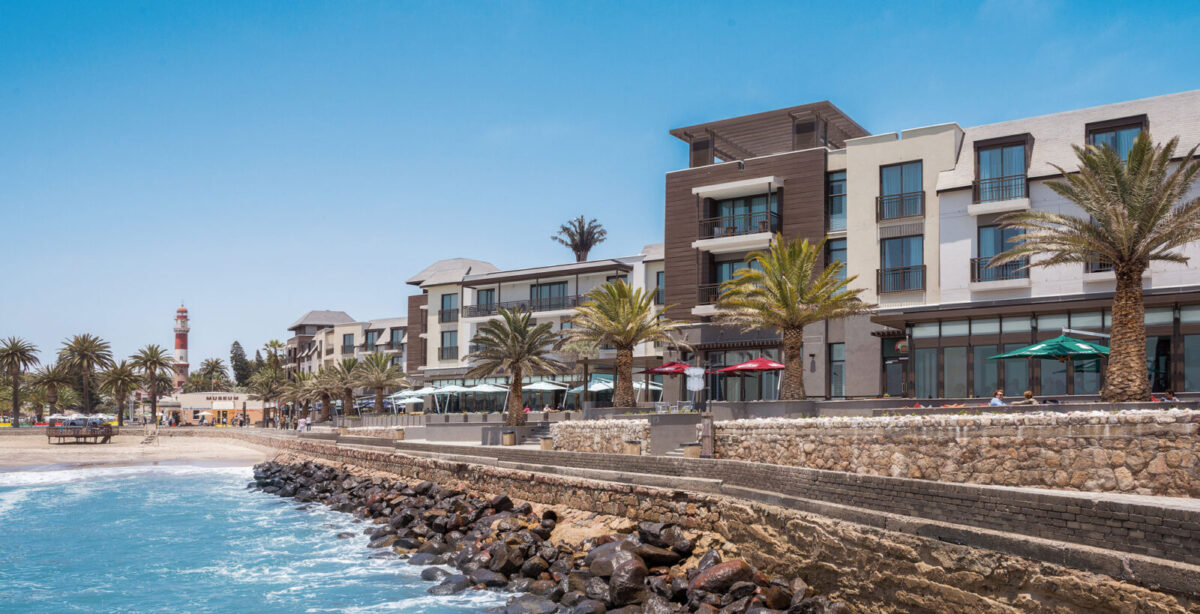
Swakopmund, Namibia Guide: Sand, Sea & German Architecture
Swakopmund is one of Namibia’s most distinctive coastal destinations, where the Atlantic Ocean meets the vast landscapes of the Namib Desert. The town combines historic German-influenced architecture, adventure activities, cool ocean air, and dramatic desert scenery. Visitors can explore sandy beaches, colonial-era buildings, and towering dunes within a relatively compact area.
Unlike Namibia’s hotter inland destinations, Swakopmund experiences a coastal climate strongly influenced by the cold Benguela Current. Fog, cool breezes, and mild temperatures create an atmosphere that often surprises first-time visitors. This unusual setting makes the town an appealing stop during a Namibian self-drive safari or a longer southern African holiday.
Where Is Swakopmund Located?
Swakopmund lies on Namibia’s central Atlantic coast, west of the country’s interior desert landscapes. The town sits near the mouth of the Swakop River, with sandy terrain extending inland towards the Namib Desert. Its coastal position creates a striking contrast between ocean scenery and arid landscapes.
Walvis Bay lies south of Swakopmund and provides another important centre for coastal activities. The two destinations connect through a scenic road that passes close to dunes and the Atlantic shoreline. Travellers can therefore use Swakopmund as a base for exploring both coastal towns and surrounding desert attractions.
Swakopmund also connects with inland destinations such as Windhoek, Damaraland, and the wider Namib region. Its position makes it a useful stop on circular road itineraries through Namibia. Visitors often appreciate the opportunity to relax by the ocean after several days exploring remote desert landscapes.
The History of Swakopmund
Swakopmund developed during the period of German colonial rule in what was then German South West Africa. Its coastal location supported administrative and transport activities, contributing to the growth of the settlement. Historic buildings remain visible in the town and reflect architectural influences from that period.
The colonial history of Namibia also includes dispossession, violence, and severe injustices against Indigenous communities. Understanding these events provides essential context for interpreting the buildings and institutions associated with German rule. A responsible heritage visit should consider both the architectural legacy and the experiences of affected communities.
Today, Swakopmund combines historical influences with contemporary Namibian culture. Restaurants, galleries, businesses, and local communities contribute to a destination that continues to evolve. Travellers can explore this mixture through guided walks, museums, and everyday interactions.
Explore Swakopmund’s German-Influenced Architecture
Swakopmund’s historic centre contains buildings that reflect German architectural traditions adapted to the Namibian coast. Decorative façades, older commercial structures, and prominent civic landmarks contribute to the town’s distinctive appearance. Walking through these streets offers opportunities for photography and cultural sightseeing.
Several historic buildings continue to serve practical purposes, while others contribute to the town’s tourism identity. Their designs reveal how colonial administrators and settlers attempted to establish familiar architectural forms in an unfamiliar environment. The surrounding desert and ocean make this architectural contrast particularly striking.
Visitors should explore the town’s heritage with an understanding of its wider historical context. Guided tours can explain the origins of important buildings and the social changes associated with colonial development. This approach creates a more meaningful experience than viewing the architecture solely as a picturesque attraction.
Visit the Swakopmund Museum
The Swakopmund Museum provides an introduction to aspects of Namibia’s natural and cultural history. Its collections have included geological materials, historical objects, and displays associated with the country’s coastal environment. Visitors can use the museum to understand the landscapes they may encounter during a wider Namibian journey.
The museum also offers context for the town’s development and the surrounding region’s environmental conditions. Exhibits can help explain the relationship between desert ecosystems, marine influences, and human settlement. These subjects make the museum relevant to both history enthusiasts and nature-focused travellers.
Travellers should confirm current opening hours and exhibition availability before visiting. Allowing enough time for the displays can improve understanding of Swakopmund’s unusual setting. The museum works particularly well as an indoor activity during cool or foggy weather.
Experience Sandboarding in the Namib Desert
Sandboarding ranks among the popular adventure activities available around Swakopmund. The surrounding dunes provide suitable terrain for guided excursions, allowing participants to experience the desert in an active and memorable way. Different operators may offer standing or lying-down techniques according to experience and equipment.
The activity introduces visitors to the scale and texture of the Namib’s sandy landscapes. Climbing dunes requires physical effort, while descending creates an entirely different sensation from conventional sightseeing. Guides provide instructions intended to improve safety and help participants understand the activity.
Travellers should choose reputable operators and follow all safety guidance. Wind, temperature, and sand conditions can influence the experience. Comfortable clothing, sun protection, and suitable footwear remain useful even when coastal temperatures feel cool.
Go Quad Biking Across the Dunes
Guided quad-biking excursions offer another way to explore designated desert areas near Swakopmund. The activity allows visitors to travel across sandy terrain while observing the surrounding landscape. Operators typically provide equipment and instructions before departures.
Responsible quad biking requires careful route management because desert ecosystems can be fragile. Vehicle movement outside approved areas may damage habitats that take many years to recover. Travellers should therefore select operators that respect conservation rules and established routes.
The experience can appeal to visitors seeking adventure without committing to lengthy hikes. Guides may also explain dune formation and the environmental conditions that shape the desert. The combination of movement, scenery, and interpretation creates a memorable outdoor activity.
Explore the Skeleton Coast Environment
The coastline north of Swakopmund introduces travellers to the dramatic environment associated with Namibia’s Skeleton Coast. Fog, powerful Atlantic waves, sandy plains, and isolated coastal features create an atmosphere unlike many conventional beach destinations. The region’s history includes shipwrecks and challenging maritime conditions.
Visitors can explore accessible coastal sections through suitable guided or self-drive excursions. Some areas have restrictions or require permits, while remote routes demand careful preparation. Travellers should not assume that every part of the Skeleton Coast is freely accessible.
The surrounding landscape provides opportunities for photography and environmental exploration. Coastal fog can transform visibility and create striking atmospheric scenes. Visitors should follow local guidance and avoid entering remote areas without adequate supplies or reliable navigation.
Visit Walvis Bay and Its Lagoon
Walvis Bay lies within easy reach of Swakopmund and offers important marine and birdwatching experiences. Its lagoon provides habitat for flamingos, waders, and other coastal bird species. Seasonal conditions influence bird numbers and the appearance of the surrounding wetlands.
Boat excursions may offer opportunities to observe marine animals, including seals and dolphins. Sightings depend on natural conditions, and responsible operators should avoid disturbing wildlife. Travellers can also enjoy views of the harbour and surrounding coastal landscape.
The lagoon provides a rewarding contrast to Swakopmund’s desert activities. Visitors can explore sandy dunes in one part of the day and observe coastal birds in another. This combination demonstrates the ecological diversity of Namibia’s Atlantic shoreline.
Discover Sandwich Harbour
Sandwich Harbour is known for its dramatic meeting of towering dunes and the Atlantic coastal environment. The surrounding landscape creates striking views where sand formations rise close to the ocean. Its unusual scenery attracts photographers and travellers seeking remote coastal experiences.
Access often requires suitable four-wheel-drive vehicles and experienced guides who understand tides, terrain, and local regulations. Conditions can change quickly, making independent travel inappropriate for many visitors. Travellers should book with reputable operators who prioritise safety and environmental protection.
A guided excursion can also provide explanations about dune movement, coastal ecology, and the area’s natural history. The experience reveals the power of wind and ocean processes in shaping Namibia’s coastline. It remains one of the region’s most distinctive landscape attractions.
Food and Restaurants in Swakopmund
Swakopmund offers a varied dining scene influenced by Namibia’s coastal location and historical connections. Seafood features prominently in many restaurants, while German-style baked goods and other European-influenced dishes remain familiar. Contemporary establishments also serve Namibian and international cuisine.
Visitors can enjoy fresh fish and other coastal dishes while exploring the town’s cafés and restaurants. Local dining experiences provide opportunities to understand how maritime trade and migration influenced food traditions. The town’s relatively compact centre makes several dining areas convenient to explore.
Travellers with dietary restrictions should confirm ingredients and preparation methods before ordering. Restaurant availability and opening hours may vary according to season. Booking ahead can be useful during busy holiday periods.
Best Time to Visit Swakopmund
Swakopmund’s climate differs from much of inland Namibia because of the cold Atlantic Ocean. Temperatures often remain moderate, while fog and coastal winds influence daily conditions. Visitors should not assume that a desert destination will always feel hot.
The town can be visited throughout the year, although activity conditions vary by season. Some days provide clear sunshine, while others begin with thick coastal mist. Travellers planning photography or marine excursions should allow flexibility for changing weather.
Packing layers is particularly important in Swakopmund. A warm jacket can be useful during early mornings and evenings, even when inland destinations experience high temperatures. Wind protection also improves comfort during outdoor activities.
Where to Stay in Swakopmund
Swakopmund offers boutique hotels, guesthouses, established coastal properties, and serviced accommodation. Travellers interested in walking around the historic centre may prefer centrally located properties. Others may choose accommodation near the ocean for coastal views and a quieter atmosphere.
The town works well as a base for several nights because many activities depart from nearby locations. Staying longer allows visitors to combine adventure excursions with museums, restaurants, and relaxed sightseeing. It also provides flexibility when weather affects planned activities.
When comparing accommodation, consider parking, heating, restaurant access, and tour departure arrangements. Visitors travelling by rental vehicle should confirm secure parking facilities. Booking ahead is advisable during popular travel periods.
How to Get to Swakopmund
Most travellers reach Swakopmund by road from Windhoek or other Namibian destinations. The journey crosses distinctive landscapes and provides an introduction to the country’s expansive scenery. Driving times depend on the chosen route, road conditions, and planned stops.
Walvis Bay Airport provides a regional air gateway, subject to current flight schedules. Travellers arriving by air can arrange transfers to Swakopmund through established transport providers. Rental vehicles offer additional flexibility for exploring surrounding attractions.
Namibia’s road network includes long distances and sections that require careful driving. Visitors should monitor fuel levels, carry sufficient water, and avoid unnecessary night driving in remote areas. A realistic itinerary improves safety and reduces travel fatigue.
Combining Swakopmund with a Namibia Safari
Swakopmund fits naturally into a wider Namibia safari that includes Etosha National Park, Damaraland, and the Namib Desert. Etosha offers wildlife viewing around waterholes and across expansive protected landscapes. Damaraland introduces visitors to rugged terrain, geological attractions, and wildlife adapted to arid environments.
The Namib Desert provides another major contrast through towering dunes and dramatic open scenery. Travellers can combine these destinations with several nights on the coast to create a balanced itinerary. Each region reveals a different aspect of Namibia’s natural character.
A well-planned route should account for the country’s considerable driving distances. Travellers benefit from spending enough time in each destination rather than moving accommodation every night. This approach creates more opportunities for wildlife viewing, photography, and meaningful exploration.
Plan Your Safari
Swakopmund combines Atlantic Ocean scenery, desert adventures, historic architecture, and coastal wildlife experiences in one remarkable destination. Its unusual climate and dramatic surroundings make it a memorable stop on a Namibian journey. Visitors can explore the dunes, discover local heritage, and enjoy the ocean before continuing into the country’s inland wilderness.