Swakopmund Namibia Guide
November 3, 2026
Dar es Salaam Tanzania Guide
November 4, 2026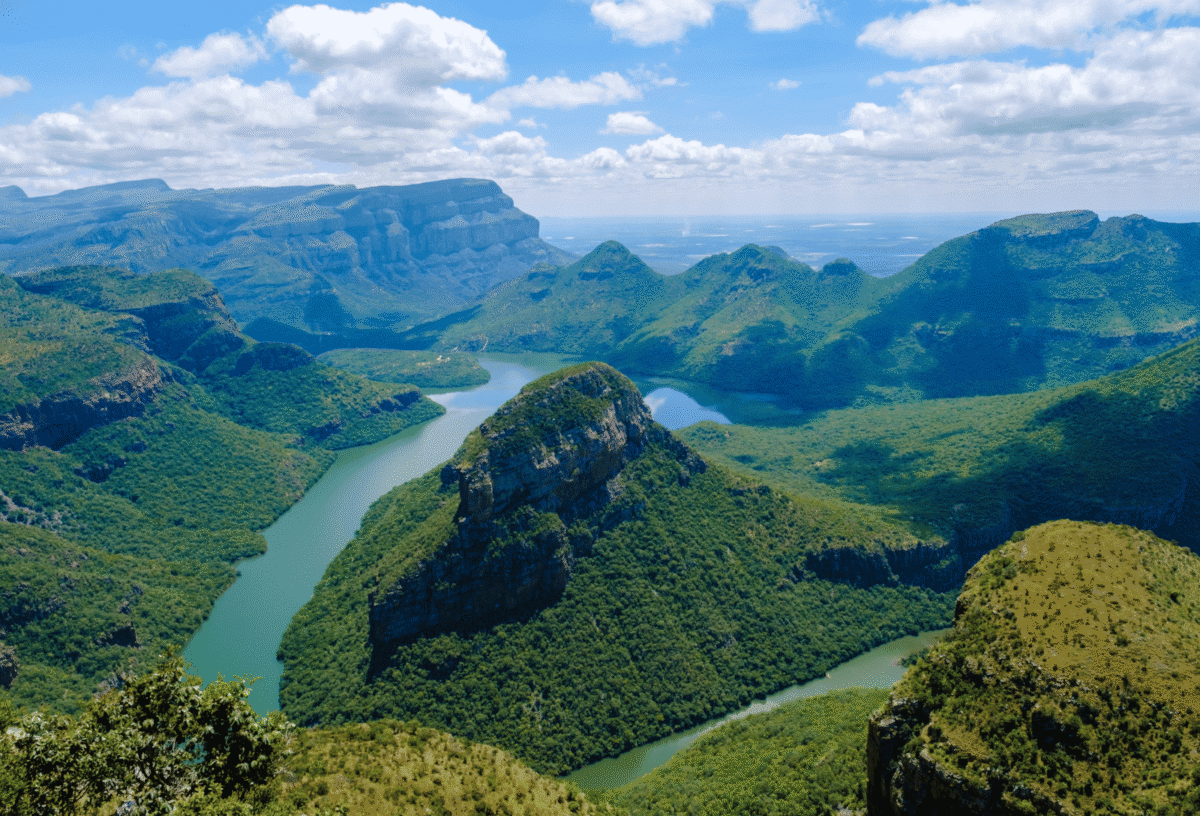
Graskop Panorama Route Guide: SA’s Valley of a Million Views
Graskop is one of South Africa’s most rewarding destinations for travellers who enjoy dramatic landscapes, mountain viewpoints, and scenic road journeys. Located in Mpumalanga, this small town serves as a gateway to the Panorama Route, a collection of natural attractions overlooking the escarpment and surrounding lowlands. Visitors can explore waterfalls, deep valleys, rock formations, and viewpoints that reveal some of the country’s most impressive scenery.
The town also offers a convenient connection between the Panorama Route and Kruger National Park. Travellers can spend time exploring the mountains before continuing towards one of Africa’s best-known wildlife destinations. This combination makes Graskop particularly appealing to visitors seeking both scenic exploration and safari experiences.
Where Is Graskop Located?
Graskop lies in Mpumalanga Province, near the eastern edge of South Africa’s high escarpment. The surrounding landscape includes forested hills, mountain roads, waterfalls, and dramatic drops towards the Lowveld. Its elevated position gives the town a cooler atmosphere than many lower-lying safari destinations.
The town connects with several of the Panorama Route’s major attractions through established roads. Visitors can use Graskop as a base for exploring nearby viewpoints before continuing towards Hazyview, Sabie, or Kruger National Park. Travel times depend on road conditions, sightseeing stops, and the route selected.
Graskop’s position also makes it attractive for travellers who prefer slower scenic journeys. Rather than visiting every attraction in a single hurried day, visitors can stay overnight and explore the surrounding landscapes at a comfortable pace. This approach allows more time for photography, walking, and local experiences.
Why Visit the Panorama Route?
The Panorama Route showcases the geological and natural diversity of Mpumalanga’s escarpment region. Deep valleys, layered rock formations, waterfalls, and expansive viewpoints create a landscape that differs considerably from South Africa’s open savannah safari areas. Visitors can appreciate the region through short walks, scenic drives, and designated observation platforms.
The route appeals to photographers because changing light and weather conditions transform the appearance of the mountains throughout the day. Morning mist may conceal valleys before clearing to reveal distant landscapes, while afternoon sunlight highlights cliffs and rock formations. These changing conditions make repeat visits to selected viewpoints worthwhile.
The Panorama Route also complements a Kruger safari by introducing travelers to another side of South Africa’s natural heritage. Wildlife viewing provides close encounters with animals, while the escarpment offers a broader appreciation of the country’s geology and scenery. Combining both experiences creates a varied and memorable holiday.
Explore the Blyde River Canyon
Blyde River Canyon is one of the Panorama Route’s most celebrated natural attractions. The canyon cuts through a landscape of steep cliffs, green vegetation, and dramatic rock formations. Its scale becomes particularly impressive when viewed from elevated observation points along the escarpment.
The canyon’s geological history reflects the long-term action of water, weathering, and erosion. Over immense periods, these processes shaped the valleys and exposed layers of rock that visitors can see today. The surrounding vegetation adds colour and contrast to the rugged terrain.
Visitors should explore the canyon from recognised viewpoints and follow local safety instructions. Steep drops and changing weather conditions make caution essential, especially when photographing scenery near exposed edges. A guided excursion can provide useful geological and ecological explanations.
Visit God’s Window
God’s Window offers one of the Panorama Route’s most recognisable viewpoints. On clear days, visitors can look across the escarpment towards the expansive Lowveld below. The contrast between highland vegetation and distant plains creates a dramatic sense of scale.
The viewpoint’s appearance changes considerably with weather conditions. Mist and cloud sometimes obscure the landscape, particularly during periods of high humidity. Travellers should therefore allow some flexibility rather than expecting uninterrupted views at every visit.
Short walking routes and designated viewing areas allow visitors to appreciate the surrounding environment. Comfortable shoes and suitable clothing improve the experience, especially when conditions become damp. The viewpoint remains a highlight for travellers interested in scenic photography.
Discover the Three Rondavels
The Three Rondavels are distinctive rock formations overlooking the Blyde River Canyon landscape. Their rounded shapes resemble traditional African huts, giving the formations their familiar name. The surrounding viewpoint provides an impressive perspective on the canyon and its geological features.
Visitors can observe how erosion shaped the rock formations over long periods. Their layered appearance reveals differences in the materials that make up the escarpment. The surrounding mountains and valleys create a dramatic backdrop for landscape photography.
The viewpoint is especially rewarding when visibility is good and sunlight illuminates the rock formations. However, weather can change quickly in mountainous areas. Visitors should remain within designated viewing spaces and avoid approaching unstable edges.
Explore Bourke’s Luck Potholes
Bourke’s Luck Potholes reveal the remarkable effects of water erosion on exposed rock. Over time, swirling water and transported sediment carved rounded cavities into the rock surfaces near the meeting of river systems. The resulting formations create an unusual landscape of smooth stone, channels, and pools.
Walkways and bridges provide opportunities to observe the formations from different angles. Visitors can appreciate the contrast between the sculpted rock and the flowing water below. The site also provides a useful introduction to the geological processes that shaped the wider canyon region.
Water levels and weather conditions influence the appearance of the potholes. Travellers should follow established paths and respect safety barriers, particularly after rainfall. The attraction combines geological interest with an enjoyable outdoor sightseeing experience.
Visit the Waterfalls Around Graskop
The Graskop and Sabie region contains several attractive waterfalls surrounded by forested landscapes. Lisbon Falls and Berlin Falls rank among the best-known stops along the Panorama Route. Their settings provide opportunities for photography and short nature excursions.
Waterfall conditions vary according to recent rainfall and seasonal water flow. During wetter periods, stronger flows can create dramatic scenes, while drier conditions may reveal more of the surrounding rock formations. Visitors should avoid assuming that every waterfall will appear identical throughout the year.
Some waterfalls offer established viewpoints with relatively short access walks. Others may require additional time or involve uneven ground. Travellers should check access arrangements and remain cautious around slippery surfaces.
Experience the Graskop Gorge Lift.
The Graskop Gorge Lift provides a distinctive way to explore the landscape surrounding the town. The attraction allows visitors to descend into a forested gorge environment and experience vegetation that differs from the exposed escarpment above. Interpretive features and walking areas can help explain the local ecosystem.
The gorge experience adds variety to a Panorama Route itinerary. Rather than observing the landscape only from distant viewpoints, visitors can explore a more enclosed forest setting. This contrast highlights the region’s ecological diversity.
Availability of activities, operating hours, and prices may change. Travellers should confirm current arrangements before visiting, especially during busy holiday periods. Suitable footwear and comfortable clothing help make the experience more enjoyable.
Hiking and Outdoor Activities Near Graskop
Graskop attracts visitors who enjoy walking, hiking, and outdoor exploration. The surrounding region offers forest paths, scenic trails, and opportunities to experience the escarpment beyond roadside viewpoints. Trail difficulty varies according to terrain, distance, and weather conditions.
Guided walks can introduce travellers to local plants, birds, and geological features. Knowledgeable guides also help visitors understand the environmental pressures affecting the region. Responsible hiking practices protect vegetation and reduce disturbance to wildlife.
Travellers should choose routes that match their fitness levels and available time. Mountain weather can change quickly, while some paths become slippery after rain. Carrying drinking water, suitable footwear, and basic weather protection remains important.
Best Time to Visit Graskop
Graskop experiences cooler conditions than the lower-altitude Lowveld because of its position near the escarpment. Summer often brings greener landscapes and increased rainfall, while winter generally offers drier conditions and cooler temperatures. Each season creates a different sightseeing experience.
The drier months can provide clearer views across the canyon and surrounding valleys. However, cold mornings and occasional mist remain possible, especially at higher elevations. Travellers should pack layers even when visiting during otherwise pleasant weather.
Summer rainfall can make waterfalls particularly attractive and create lush scenery. At the same time, cloud cover may obscure some viewpoints. Visitors who prioritise photography should allow flexibility to respond to changing conditions.
Where to Stay in Graskop
Graskop offers accommodation ranging from guesthouses and boutique properties to self-catering establishments and small hotels. Staying in town provides convenient access to restaurants and major Panorama Route attractions. Visitors can explore nearby viewpoints without repeatedly travelling from distant accommodation.
Travellers who prefer a quieter setting may consider properties in the surrounding countryside or nearby towns. These locations can provide attractive views and a more relaxed atmosphere. However, driving distances to individual attractions should influence the final choice.
Accommodation demand can increase during school holidays and popular travel periods. Booking in advance provides more choice, particularly for visitors seeking specific room types. Travellers should also confirm parking, meal arrangements, and heating during cooler months.
How to Get to Graskop
Most visitors reach Graskop by road from Johannesburg, Mbombela, Hazyview, or other destinations in Mpumalanga. A rental vehicle or private transfer provides flexibility for exploring the Panorama Route’s scattered attractions. Road journeys can take longer than expected because of winding sections and sightseeing stops.
Travellers should plan fuel stops and avoid rushing between viewpoints. Mountain roads require careful driving, particularly during rain, fog, or low visibility. Allowing sufficient daylight for the journey improves safety and enjoyment.
Guided excursions offer another option for visitors who prefer not to drive. A knowledgeable guide can coordinate the route and provide explanations at major attractions. This arrangement can be particularly useful for travellers combining the Panorama Route with a wider safari.
Combining Graskop with Kruger National Park
Graskop pairs naturally with Kruger National Park because the two destinations offer contrasting experiences within the same broader region. The Panorama Route focuses on mountains, waterfalls, and geological scenery, while Kruger provides extensive wildlife-viewing opportunities. Travellers can therefore enjoy two distinctive environments during one South African holiday.
A common approach involves spending time along the Panorama Route before continuing towards a Kruger entrance or nearby private reserve. The exact route depends on accommodation location and the park gate selected. Travellers should allow enough time for transfers and avoid scheduling important wildlife activities immediately after long drives.
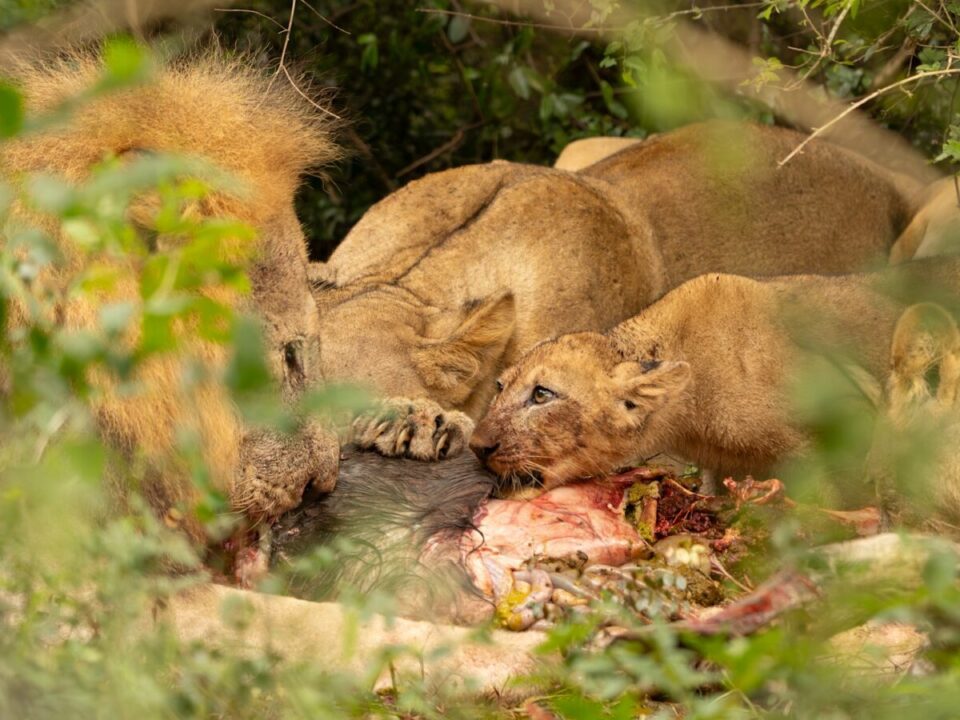
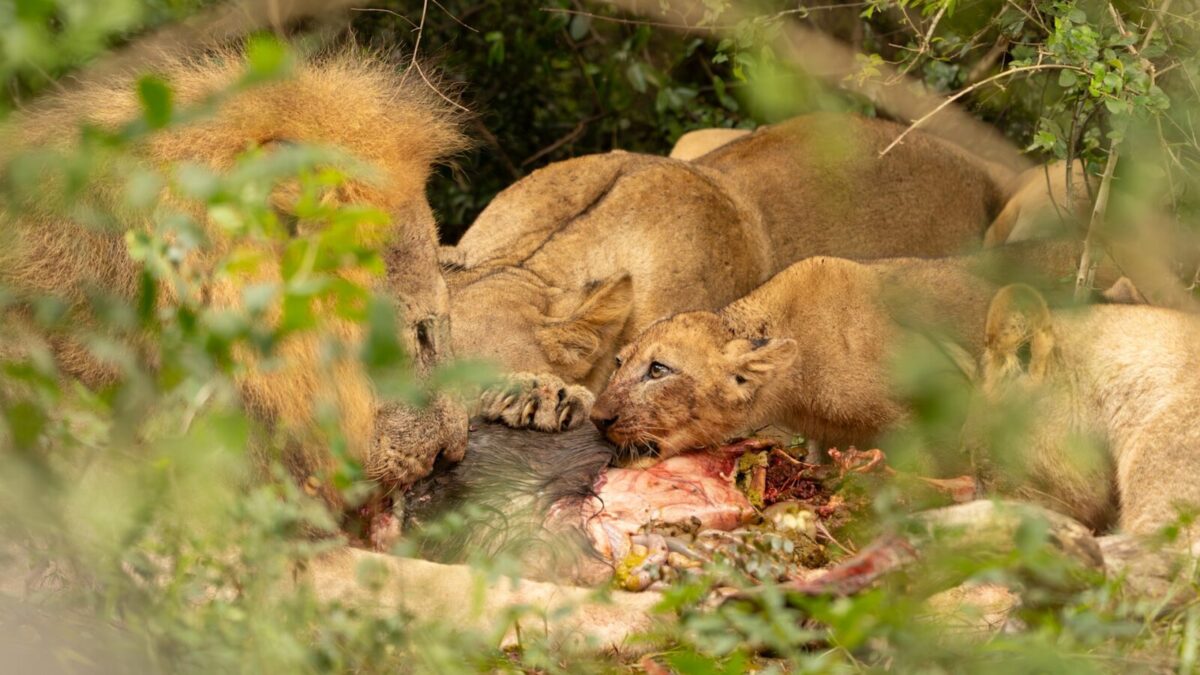
Combining the destinations also creates opportunities for varied photography. Mountain landscapes, waterfalls, elephants, lions, and other wildlife provide different subjects throughout the journey. A well-paced itinerary allows visitors to appreciate both regions without unnecessary travel pressure.
Plan Your Safari
Graskop offers an excellent gateway to South Africa’s Panorama Route, where dramatic viewpoints, waterfalls, and geological formations create an unforgettable landscape. Its proximity to Kruger National Park makes it especially attractive for travellers who want to combine scenic sightseeing with wildlife encounters. The destination rewards visitors who allow enough time to explore its attractions rather than rushing through them.