Sandboarding in Namibia
July 29, 2026
Microlight Flight Over Victoria Falls
July 29, 2026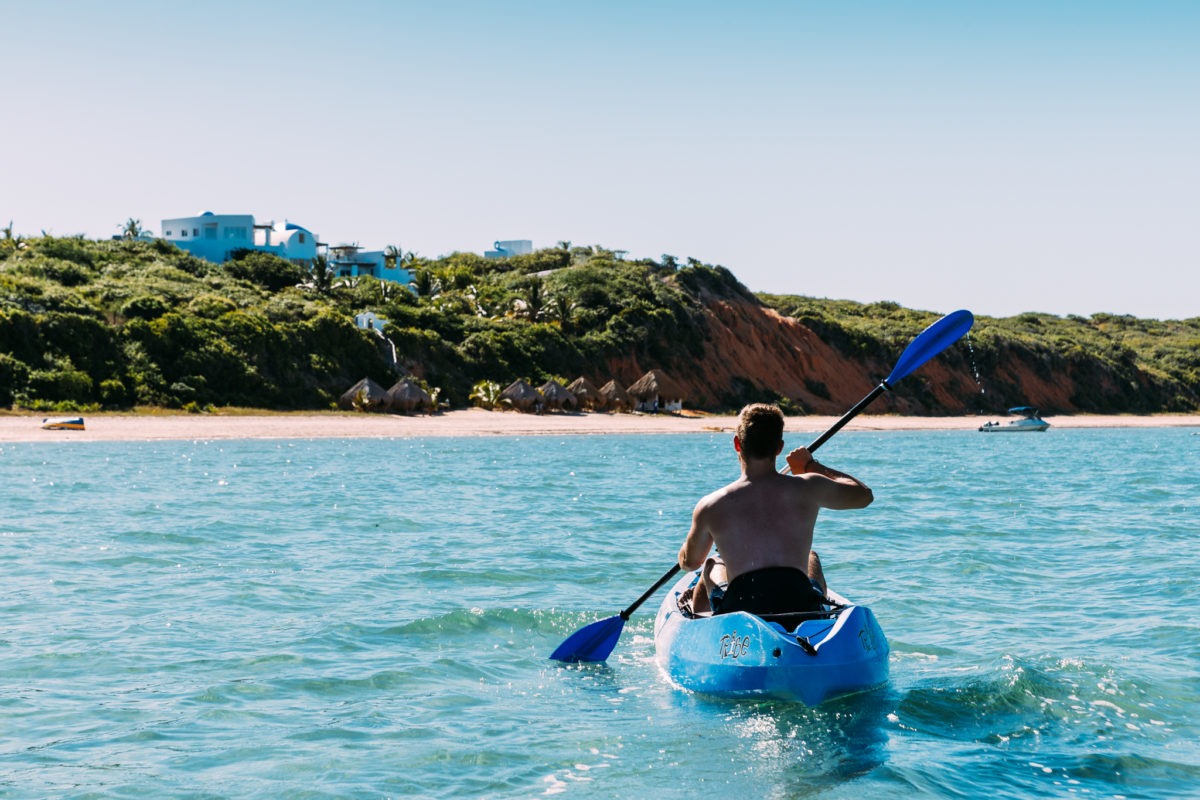
Kayaking in Mozambique: Exploring the Archipelago by Paddle
Kayaking in Mozambique offers an intimate way to explore the country’s beautiful Indian Ocean coastline. Paddling across clear waters allows travellers to discover islands, reefs, mangroves, beaches, and marine life at a relaxed pace.
Mozambique has a long coastline and several remarkable archipelagos. The Bazaruto Archipelago, Quirimbas Archipelago, and nearby coastal areas provide excellent settings for kayaking adventures.
Unlike motorized excursions, kayaking creates a quieter experience on the water. You can move gently through sheltered bays while watching fish, seabirds, turtles, and other marine life.
A kayaking trip can also become part of a wider Mozambique holiday. Combine time on the water with diving, snorkeling, island tours, fishing, or relaxing on white-sand beaches.
Why Go Kayaking in Mozambique?
Kayaking allows travellers to explore Mozambique’s coastline from a completely different perspective. Instead of viewing the islands from a boat, you move directly across the water and experience the surroundings at your own pace.
The country’s warm tropical waters make paddling particularly appealing. Many areas feature calm lagoons, sheltered channels, and shallow coastal waters that create enjoyable conditions.
Kayaking also provides opportunities to explore areas that larger boats cannot easily reach. Narrow channels, mangrove forests, sandbanks, and secluded beaches can become part of the adventure.
For nature lovers, the activity offers a peaceful way to observe marine environments. You can paddle quietly while looking for fish, dolphins, turtles, rays, and coastal birds.
Best Places for Kayaking in Mozambique
Mozambique offers several destinations where kayaking can become part of an island adventure. The Bazaruto Archipelago is among the most popular choices for travellers seeking tropical scenery and marine experiences.
The Quirimbas Archipelago provides another exceptional setting in northern Mozambique. Its islands combine coral reefs, mangrove habitats, traditional communities, and beautiful beaches.
Maputo and nearby coastal areas can also offer kayaking experiences. These locations provide convenient options for travellers who want water activities without travelling deep into the country.
The best destination depends on your itinerary and interests. Some areas focus on island exploration, while others provide better access to mangroves, wildlife, reefs, or secluded beaches.
Kayaking in the Bazaruto Archipelago
The Bazaruto Archipelago is one of Mozambique’s most famous island destinations. It consists of several islands surrounded by clear Indian Ocean waters and extensive marine habitats.
Kayaking here allows travellers to explore sheltered areas around the islands. The scenery includes white beaches, sand dunes, shallow lagoons, and tropical vegetation.
The archipelago is also known for its rich marine life. Depending on the location and season, you may encounter dolphins, turtles, rays, colourful fish, and other ocean species.
A kayaking excursion can therefore combine relaxation with wildlife observation. The quiet nature of paddling makes it particularly appealing to travellers who enjoy slower outdoor experiences.
Kayaking in the Quirimbas Archipelago
The Quirimbas Archipelago lies along northern Mozambique and offers a more remote island experience. Its islands stretch along the coast near Cabo Delgado and contain diverse marine and coastal environments.
Kayaking around the islands can reveal sheltered channels and mangrove areas. The scenery often feels peaceful, with fewer signs of mass tourism than some better-known beach destinations.
The archipelago also has a rich cultural history. Some islands contain historic settlements and buildings that reflect centuries of trade across the Indian Ocean.
Travellers can combine kayaking with cultural experiences, snorkeling, diving, and beach relaxation. This creates a varied island itinerary without relying entirely on water sports.
Kayaking Around Mangroves
Mangrove forests provide some of Mozambique’s most interesting kayaking environments. Their narrow waterways allow small boats to explore areas that larger vessels cannot reach.
Paddling through mangroves can feel completely different from kayaking in open ocean. The water becomes calmer, while roots, channels, and dense vegetation create a more enclosed landscape.
Mangroves support many forms of marine and bird life. You may see crabs, fish, herons, kingfishers, and other species along the waterways.
Kayaking also provides a quiet approach to wildlife. Move slowly and avoid unnecessary noise so you can observe animals without causing unnecessary disturbance.
Kayaking and Coral Reefs
Mozambique’s coastline contains important coral reef ecosystems. These reefs support colourful fish, sea turtles, rays, and many other marine species.
Kayaking can provide access to reef areas where you can combine paddling with snorkeling. After reaching a suitable location, you can secure the kayak and enter the water with appropriate guidance.
Not every reef area is suitable for kayaking or snorkeling. Conditions depend on tides, currents, weather, and local regulations.
Always follow local instructions around coral reefs. Avoid touching coral or standing on reef structures because they are fragile and can take years to recover from damage.
Kayaking With Dolphins
Dolphins occur in several coastal areas of Mozambique. Seeing them while kayaking can create a particularly memorable wildlife experience.
The quiet movement of a kayak can allow you to observe marine life without the noise of a motorized boat. However, dolphins are wild animals and sightings can never be guaranteed.
Responsible operators maintain appropriate distances from wildlife. They should also avoid chasing or attempting to attract animals toward kayakers.
If dolphins approach naturally, enjoy the encounter without trying to touch or feed them. Respecting their space helps keep wildlife interactions responsible.
Kayaking With Sea Turtles
Mozambique provides important habitat for several species of marine turtles. Green turtles, hawksbill turtles, and loggerhead turtles occur in different parts of the country’s coastal waters.
Kayaking can provide opportunities to see turtles near beaches and shallow waters. Their slow movements can make them easier to observe from a quiet kayak.
During nesting seasons, travellers may also encounter turtle activity along certain beaches. Nesting sites should always be approached carefully and according to local conservation guidelines.
Never disturb nesting turtles, hatchlings, or nests. Responsible tourism helps protect these threatened marine animals and their important breeding habitats.
Kayaking and Dugongs
The Bazaruto Archipelago is particularly famous for its dugong population. These gentle marine mammals live in shallow coastal waters where seagrass provides an important food source.
Seeing a dugong from a kayak can be a rare and memorable experience. However, dugongs are elusive and sightings are never guaranteed.
If you encounter one, maintain a respectful distance. Avoid chasing it or paddling directly toward the animal.
The presence of dugongs also highlights the importance of protecting seagrass habitats. Responsible kayaking helps reduce disturbance in these sensitive marine environments.
Best Time for Kayaking in Mozambique
Mozambique can offer kayaking opportunities throughout much of the year, but conditions vary between seasons and regions. Weather, wind, rainfall, and ocean conditions can influence the experience.
The dry season generally brings pleasant conditions across many parts of the country. From around May to October, travellers often enjoy comfortable temperatures and lower rainfall.
The warmer months can provide excellent beach conditions but may also bring more humidity and occasional storms. Weather patterns vary between northern and southern Mozambique.
Always check local conditions before heading onto the water. Experienced guides can determine whether a particular day is suitable for kayaking.
Morning or Afternoon Kayaking?
Morning kayaking often provides calm conditions and comfortable temperatures. Winds can increase later in the day, so early departures may offer smoother paddling.
Morning light can also create beautiful reflections across lagoons and sheltered bays. This can be especially useful for travellers interested in photography.
Afternoon trips can provide warm light and beautiful coastal scenery. However, conditions may change depending on wind and tides.
The best departure time depends on the location and season. Your guide should recommend the safest and most enjoyable time for your excursion.
What Is a Typical Kayaking Excursion Like?
A kayaking excursion usually begins with a safety briefing and equipment preparation. Your guide explains paddling techniques, water safety, and the route before you leave the shore.
You may start in calm, shallow water while learning how to control the kayak. Once everyone feels comfortable, the group can continue toward beaches, islands, mangroves, or other attractions.
The pace is generally relaxed. Guides often stop at scenic locations or suitable snorkeling areas during longer excursions.
The experience can last from a short coastal paddle to a full-day adventure. Multi-day kayaking trips are also possible in selected areas with specialist operators.
Do You Need Kayaking Experience?
Many Mozambique kayaking excursions are suitable for beginners. Basic paddling skills can usually be learned quickly during the initial briefing.
You should still be comfortable around water. Your guide will explain how to enter and exit the kayak and what to do if it capsizes.
More demanding routes may require stronger paddling skills. Open-ocean conditions, currents, and longer distances can make some excursions better suited to experienced kayakers.
Tell your operator about your experience before booking. They can recommend a route that matches your ability and confidence.
Kayaking for Families
Kayaking can be a wonderful family activity when conditions are calm and the operator provides suitable equipment. Children may be able to share a kayak with an adult depending on age and local safety rules.
Families should choose sheltered waters for a more comfortable experience. Mangrove channels, lagoons, and protected bays may work better than exposed ocean routes.
Life jackets should be worn as instructed throughout the excursion. Children also need close supervision, even when the water appears calm.
Ask about age restrictions and available equipment before booking. Operators can recommend family-friendly routes based on current conditions.
Kayaking for Couples
Kayaking can add a peaceful and romantic experience to a Mozambique beach holiday. Couples can paddle together through calm waters while enjoying the surrounding tropical scenery.
Private excursions can provide even more flexibility. You can choose a slower pace and spend more time at secluded beaches or scenic locations.
A sunset paddle can create a particularly memorable experience. As the sun lowers over the Indian Ocean, the water and surrounding islands can take on beautiful golden tones.
Couples can also combine kayaking with a private island picnic or snorkeling excursion. This creates a relaxed day away from the main resort areas.
What Should You Wear for Kayaking?
Lightweight clothing works well for tropical kayaking. Quick-drying shirts and shorts can help keep you comfortable when splashes reach the kayak.
Wear appropriate sun protection because water reflects sunlight. A hat, sunglasses, and high-protection sunscreen can help protect exposed skin.
Water shoes can be useful when entering shallow water or walking across sandy or rocky areas. Avoid footwear that can easily fall off.
Your operator may provide additional equipment depending on the excursion. Follow their recommendations, especially for longer or more remote trips.
What Should You Bring?
Bring sunscreen, drinking water, sunglasses, and a secure camera if photography is important to you. A waterproof bag can help protect phones and other valuables.
Avoid bringing unnecessary items because kayaks have limited storage space. Anything loose can also fall into the ocean.
A waterproof phone case can be useful for travellers who want to take photographs. However, keep your attention on paddling and safety rather than photography.
Your guide should explain what you need before departure. Follow their advice based on the duration and location of your kayaking trip.
Kayaking and Snorkeling
Combining kayaking with snorkeling provides one of the best ways to explore Mozambique’s coastal waters. You can paddle toward a reef or sheltered bay before entering the water to explore below the surface.
Mozambique’s reefs support a wide variety of marine life. Depending on the location, snorkelers can encounter colourful fish, turtles, rays, and other reef species.
The combination provides two different perspectives. Kayaking reveals the coastline and islands, while snorkeling introduces you to the underwater world.
Choose snorkeling locations carefully and follow local guidance. Strong currents and changing tides can create unsafe conditions even when the surface looks calm.
Kayaking and Scuba Diving
Travellers interested in diving can combine kayaking with Mozambique’s world-class underwater experiences. Several coastal destinations provide access to coral reefs and marine wildlife.
Diving allows you to explore deeper environments than snorkeling. You may encounter reef fish, rays, turtles, dolphins, and other marine species depending on the location.
Kayaking provides a gentler experience between dives. It can be an excellent way to spend a quieter afternoon after an active morning underwater.
This combination works especially well for longer island stays. You can alternate between adventurous diving days and relaxed paddling excursions.
Kayaking and Island Hopping
Mozambique’s archipelagos make island hopping an exciting addition to a kayaking itinerary. Each island can offer different beaches, marine environments, cultural experiences, and accommodation options.
Kayaking allows you to explore the smaller areas between larger island excursions. You can paddle along beaches, through channels, or around sheltered bays.
Boat transfers can connect the islands while kayaking provides the active component. This creates a flexible way to explore the archipelago without spending every day on a motorized boat.
Your operator can organize routes according to tides and weather. This helps ensure that the kayaking experience remains safe and enjoyable.
Kayaking and Fishing
Mozambique is well known for fishing, particularly around its offshore waters. Combining kayaking with fishing can provide a slower alternative to larger sport-fishing excursions.
Some sheltered areas may offer opportunities to fish from a kayak. However, availability depends on local regulations, conditions, and the operator.
Travellers should always follow local fishing rules. Certain species and areas may have restrictions designed to protect marine ecosystems.
A responsible approach supports long-term conservation. It also ensures that tourism contributes positively to Mozambique’s coastal communities.
Responsible Kayaking in Mozambique
Responsible kayaking helps protect the coastal environments that make Mozambique so special. Travellers should avoid disturbing coral, mangroves, nesting sites, and marine animals.
Never throw rubbish into the ocean. Carry all waste back to shore and use appropriate disposal facilities.
Avoid touching wildlife or feeding marine animals. Even well-intentioned interactions can change natural behaviour and create risks for animals.
Choose operators that support conservation and local communities. Responsible tourism can help protect Mozambique’s marine environments while creating valuable economic opportunities.
How Long Should You Stay in Mozambique?
A beach and kayaking holiday can work with a relatively short stay, but longer trips provide more opportunities for exploration. Five to seven nights can allow travellers to combine paddling with snorkeling and relaxation.
A longer itinerary can include several islands or coastal destinations. You can then add diving, fishing, cultural visits, or wildlife experiences.
Travellers combining Mozambique with a safari may prefer a longer overall trip. A Tanzania or South Africa safari followed by an island stay creates a varied African holiday.
The ideal duration depends on how many activities you want to include. Leave enough time for relaxation because Mozambique’s beaches are part of the experience.
Mozambique Kayaking for Honeymoons
Mozambique is an excellent destination for couples seeking a romantic beach escape. Kayaking adds adventure without taking away from the relaxed atmosphere of an island holiday.
Couples can paddle through calm waters, snorkel over coral reefs, and enjoy private beach experiences. A sunset paddle can provide a memorable end to an active day.
Luxury island lodges can also create a romantic setting after your kayaking excursions. Private villas, ocean views, and quiet beaches complement the adventure.
Mozambique works especially well as the beach portion of a wider honeymoon. Combine a safari in South Africa, Tanzania, or another destination with several peaceful days along the Indian Ocean.
Kayaking as Part of a Mozambique Safari
Mozambique offers more than beaches and water activities. Travellers can combine kayaking with wildlife experiences in selected national parks and conservation areas.
Gorongosa National Park provides exceptional wildlife experiences in central Mozambique. The park can add a safari component before or after a coastal stay.
Maputo National Park also offers opportunities to combine wildlife, coastal landscapes, and conservation experiences. Its location makes it particularly useful for travellers visiting southern Mozambique.
A safari and kayaking combination provides a balanced itinerary. You can spend some days watching wildlife and others exploring the ocean at a slower pace.
Why Kayaking Is Worth Adding to a Mozambique Trip
Kayaking offers an intimate way to experience Mozambique’s extraordinary coastline. The activity combines gentle exercise with opportunities to explore islands, mangroves, reefs, and quiet beaches.
It also provides a welcome change from traditional boat excursions. Instead of travelling quickly between attractions, you move slowly and become part of the surrounding environment.
For wildlife lovers, kayaking can create memorable encounters with marine animals. For couples, it provides a peaceful shared activity, while families can enjoy sheltered routes suited to their abilities.
Most importantly, kayaking fits naturally into Mozambique’s island lifestyle. It allows travellers to explore the Indian Ocean while enjoying the country’s beaches and marine ecosystems.
Plan Your Mozambique Kayaking Adventure
Kayaking in Mozambique offers a beautiful combination of adventure, nature, and relaxation. From the Bazaruto Archipelago to the Quirimbas Islands, travellers can explore tropical waters, mangrove channels, coral reefs, and secluded beaches by paddle.
Choose a reputable operator and select a route that matches your experience and fitness. Check weather and sea conditions, wear appropriate sun protection, and follow local guidance around marine wildlife and sensitive habitats.
You can combine kayaking with snorkeling, diving, island hopping, fishing, or a Mozambique safari. With thoughtful planning, a paddling adventure can become one of the most memorable parts of your African holiday.