

African Food On Safari
July 29, 2026
Cape Winelands Guide
July 29, 2026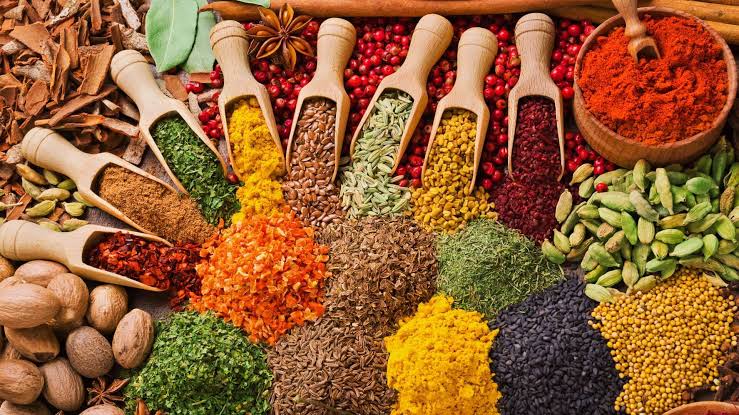
Spice Tour in Zanzibar: A Culinary Journey Through History
A spice tour in Zanzibar is one of the best ways to experience the island beyond its beaches and resorts. The journey takes travelers into rural farms where cloves, cinnamon, cardamom, vanilla, turmeric, and other spices grow among tropical fruits and plants.
Zanzibar has a long relationship with the spice trade. For centuries, the island connected East Africa with traders from Arabia, Persia, India, and other parts of the Indian Ocean. Today, a spice tour offers travelers a chance to explore this history through local farming, traditional food, and cultural encounters.
What Is a Spice Tour in Zanzibar?
A Zanzibar spice tour is a guided visit to farms and plantations around the island. Local guides introduce visitors to different spices while explaining how farmers grow, harvest, process, and use them.
The experience is usually interactive rather than simply observational. You may smell fresh cinnamon bark, taste tropical fruits, touch cloves, or learn how different spices become part of everyday Swahili cooking.
Many tours also include stories about Zanzibar’s history and its role in Indian Ocean trade. This makes a spice tour both a culinary experience and a cultural journey.
Why Is Zanzibar Known as the Spice Island?
Zanzibar became famous for spice production because of its tropical climate and fertile soils. The warm temperatures, seasonal rainfall, and coastal environment provide suitable conditions for several valuable crops.
Cloves became especially important during the nineteenth century. Zanzibar developed into one of the world’s major clove-producing regions, and the crop became closely connected with the island’s economy and history.
The nickname “Spice Island” therefore reflects more than the number of spices grown here. It represents Zanzibar’s historical role in global trade and its enduring connection with agriculture.
The History of Zanzibar’s Spice Trade
Zanzibar’s spice history developed alongside the wider Indian Ocean trading network. Merchants moved between East Africa, the Arabian Peninsula, Persia, India, and other regions, exchanging spices, textiles, food, and other goods.
The Omani Sultanate later played an important role in Zanzibar’s development. Sultan Said bin Sultan moved his capital from Muscat to Zanzibar in the nineteenth century, strengthening the island’s position as a center of trade.
Clove plantations expanded during this period. The crop became an important source of wealth and shaped the economy, landscapes, and social structures of Zanzibar.
The spice trade also forms part of a more complicated history involving slavery and forced labor. Understanding this history gives travellers a more complete perspective on Zanzibar’s cultural and economic development.
Cloves: Zanzibar’s Famous Spice
Cloves are perhaps the spice most closely associated with Zanzibar. The small dried flower buds have a strong aroma and a warm, slightly sweet flavor.
Clove trees can grow into large evergreen trees under suitable tropical conditions. Farmers harvest the unopened flower buds before drying them to produce the familiar dark brown spice.
During a spice tour, visitors can often see cloves growing on the trees. Guides may also explain how farmers identify mature buds and prepare them for drying.
Cloves have traditionally been used in cooking, drinks, medicine, and perfumes. Their importance also connects directly to Zanzibar’s history as a major spice-producing region.
Cinnamon in Zanzibar
Cinnamon is another important spice found on Zanzibar’s plantations. Unlike cloves, cinnamon comes from the inner bark of certain trees.
During a spice tour, guides may demonstrate how cinnamon bark is collected and processed. Fresh cinnamon can have a much stronger aroma than the dried spice commonly found in supermarkets.
Zanzibar’s cinnamon contributes to many local dishes and drinks. It can appear in rice dishes, desserts, teas, curries, and other preparations.
Tasting fresh cinnamon during a plantation visit can therefore change the way you understand an ingredient that may already be familiar.
Cardamom and Its Fragrant Aroma
Cardamom is valued for its strong fragrance and slightly sweet, spicy flavor. The plant produces small pods containing aromatic seeds that are widely used in cooking.
In Zanzibar, cardamom appears in several traditional recipes and drinks. It is especially important in spiced tea and fragrant rice dishes influenced by Swahili and Indian Ocean culinary traditions.
Visitors can usually smell or taste cardamom during a spice tour. Guides may explain how farmers collect the pods and how the spice enters local kitchens.
The experience helps connect a familiar ingredient with the landscapes and communities that produce it.
Nutmeg and Other Zanzibar Spices
Nutmeg is another spice associated with Zanzibar’s plantation agriculture. The seed comes from the fruit of the nutmeg tree and has a warm, aromatic flavor.
A spice tour may also introduce visitors to black pepper, turmeric, ginger, lemongrass, vanilla, and other plants. Some farms grow spices alongside tropical fruits and medicinal plants.
The variety makes the tour particularly engaging. You may recognize some ingredients from your kitchen while discovering others for the first time.
Guides often explain how these plants are used in traditional medicine, food preparation, cosmetics, and daily life.
Vanilla and Its Delicate Flavor
Vanilla is one of the most recognizable spices in the world. It comes from the long pods of an orchid plant and requires careful cultivation and processing.
Vanilla plants need support as they grow, and farmers must manage the flowers carefully. The pods also undergo a lengthy curing process before developing their familiar aroma.
During a Zanzibar spice tour, visitors can learn about this process and smell vanilla in different stages. The experience highlights how much work goes into producing a spice that is often used in small quantities.
Vanilla may also appear in local desserts and drinks. Its sweet fragrance provides a pleasant contrast to stronger spices such as cloves and black pepper.
Turmeric and Its Golden Color
Turmeric is easily recognized by its bright yellow-orange color. The spice comes from an underground rhizome related to ginger.
Fresh turmeric has a stronger and more earthy character than many powdered versions sold commercially. Local cooks use it to add color and flavor to rice, curries, sauces, and other dishes.
The plant also has a long history of traditional use. Guides may explain how local communities use turmeric in cooking and personal care.
Travellers should remember that traditional uses do not automatically mean a plant has proven medical benefits. A spice tour is best enjoyed as a cultural and agricultural experience.
Tropical Fruits on a Zanzibar Spice Tour
A spice tour is rarely limited to spices. Many plantations grow tropical fruits that thrive in Zanzibar’s warm climate.
Depending on the farm and season, visitors may encounter bananas, coconuts, jackfruit, papaya, mangoes, pineapples, and other fruits. Guides often invite guests to taste fruit directly from the farm.
Some fruits may look very different from what travelers see in supermarkets. Learning how they grow and how local families use them adds another dimension to the experience.
Fresh fruit also provides a welcome break from the stronger flavors of spices. It gives visitors a chance to appreciate Zanzibar’s agricultural diversity.
The Coconut Experience
Coconut palms are an important part of Zanzibar’s landscape and food culture. The fruit provides coconut water, milk, oil, flesh, and other useful products.
During some spice tours, visitors can learn how local communities use different parts of the coconut. Guides may demonstrate traditional methods of opening the fruit or preparing coconut-based ingredients.
Coconut milk is particularly important in Swahili cuisine. It appears in seafood dishes, curries, sauces, rice preparations, and desserts.
The coconut experience shows how one plant can support both household life and local cuisine. It also highlights the close connection between Zanzibar’s food traditions and its tropical environment.
Swahili Food and Zanzibar’s Spice Heritage
Zanzibar’s cuisine reflects centuries of cultural exchange along the Indian Ocean. African, Arab, Persian, Indian, and other influences have contributed to the island’s distinctive food traditions.
Spices provide a clear example of this cultural blending. Cloves, cinnamon, cardamom, cumin, turmeric, and black pepper appear in many dishes.
Zanzibar’s famous pilau and biryani are excellent examples of this culinary heritage. These fragrant rice dishes combine spices with meat, vegetables, or other ingredients.
Seafood also plays an important role in coastal cooking. Fresh fish, prawns, octopus, and other seafood may be prepared with coconut, spices, herbs, and chili.
Traditional Spice Tea
Spiced tea is a simple but enjoyable way to experience Zanzibar’s culinary traditions. Tea may be prepared with ingredients such as cinnamon, cardamom, cloves, ginger, and other aromatic spices.
The combination produces a warm and fragrant drink. Recipes vary between households, restaurants, and communities.
A spice tour may include an opportunity to taste spiced tea alongside local snacks. This provides a relaxed way to appreciate how plantation ingredients become part of everyday life.
For travellers, the experience can also inspire new ideas for recreating Zanzibar’s flavours at home.
Zanzibar Spice Tours and Local Communities
A spice tour can provide direct benefits to local communities when operated responsibly. Local guides, farmers, drivers, restaurants, and small businesses can all benefit from tourism activity.
Choosing locally operated tours can help keep more tourism revenue within the destination. It also gives visitors access to guides who understand the history and traditions behind the plantations.
Travellers should ask questions and listen to local explanations. A good guide can provide context about agriculture, family life, trade, and the challenges faced by farmers.
Responsible tourism should also avoid treating farms as simple photo locations. Visitors are entering working agricultural environments and should follow local instructions.
What Happens During a Zanzibar Spice Tour?
Most spice tours begin with a drive from Stone Town or another nearby area to a plantation or farm. Once there, a local guide introduces visitors to the different plants and explains their uses.
The walking portion usually involves several stops. You may smell leaves, taste fruit, examine roots, touch bark, and learn how different plants are harvested.
Some tours include demonstrations of traditional cooking or food preparation. Others finish with a local meal featuring ingredients connected to the plantation experience.
The exact itinerary depends on the farm and tour operator. Private experiences can often provide more flexibility for travellers who want to focus on food, photography, agriculture, or cultural history.
Best Time for a Zanzibar Spice Tour
Zanzibar can be visited throughout much of the year, although weather patterns influence plantation conditions. The island experiences warm tropical weather, with wetter and drier periods.
The best time for a spice tour can depend on what you want to see. Different plants fruit or flower during different periods, so no single month guarantees every possible experience.
Early morning can be especially pleasant for walking through plantations. Temperatures tend to be more comfortable, while the soft light also creates good conditions for photography.
It is wise to check seasonal conditions when planning your itinerary. A local operator can advise you about weather, plantation access, and current agricultural activities.
What to Wear for a Spice Tour
Comfortable clothing is important because most spice tours involve walking through farms. Lightweight clothes, comfortable shoes, sunglasses, and sun protection can make the experience more enjoyable.
Closed shoes are useful when walking along plantation paths. Some areas can become muddy after rain, so practical footwear is preferable to sandals.
Zanzibar has a predominantly Muslim population, particularly outside resort areas. Visitors should dress modestly when travelling through villages and communities, especially when visiting religious or cultural sites.
A respectful dress style helps travelers interact comfortably with local communities. It also shows consideration for local customs.
What to Bring on a Spice Tour
Travellers should carry drinking water, sunscreen, insect repellent, and a hat. A small camera or smartphone can also help capture the plants, landscapes, and memorable moments.
Avoid collecting plants, leaves, fruits, or spices without permission. The plantation is a working environment, and some plants may have specific rules around harvesting.
A small amount of local currency can be useful if you want to purchase spices, fruit, crafts, or other products. Buying directly from local producers can support the communities involved in the experience.
You should also carry any personal medication you need. A spice tour may take place away from the main tourist areas, so preparation is helpful.
Combining a Spice Tour With Stone Town
A spice tour works especially well alongside a visit to Stone Town. The historic city provides important context for understanding how spices helped shape Zanzibar’s economy and international connections.
You can explore Stone Town’s narrow streets, historic buildings, markets, and old trading areas before visiting a plantation. This creates a connection between the products grown in rural areas and the trading history of the coast.
The combination also gives travellers two very different perspectives on Zanzibar. Stone Town reveals the island’s urban history, while the spice farms show its agricultural traditions.
A guided itinerary can connect both experiences into a single cultural journey. This makes the history of Zanzibar easier to understand and appreciate.
Spice Tours for Families
A spice tour can be an enjoyable experience for families travelling in Zanzibar. Children often enjoy touching leaves, smelling spices, and tasting unfamiliar tropical fruits.
The interactive nature of the experience can make it more engaging than a traditional historical tour. Parents can also use the visit as an opportunity to introduce children to agriculture and food origins.
Families should choose farms with safe walking paths and guides experienced in hosting children. It is also important to keep young visitors close and follow instructions around plants and farm equipment.
A family-friendly spice tour can become both educational and entertaining. It adds a different type of experience to a Zanzibar beach holiday.
Why Take a Spice Tour in Zanzibar?
A spice tour brings together food, history, agriculture, and culture in one experience. It shows travelers how ingredients that seem ordinary can have remarkable stories behind them.
The experience also reveals the importance of Zanzibar’s position in the Indian Ocean. Trade routes helped connect the island with distant cultures, while local communities transformed these influences into their own traditions.
For food lovers, the tour offers new flavors and ingredients to discover. For history enthusiasts, it provides another perspective on Zanzibar’s past.
Most importantly, a spice tour allows visitors to experience Zanzibar beyond its beaches. It introduces the farms, people, and traditions that continue to shape the island today.
Plan Your Zanzibar Spice Tour
A spice tour in Zanzibar is a rewarding addition to any East African itinerary. Walking through plantations, tasting tropical fruits, learning about cloves, and discovering the history of the spice trade can make your visit far more meaningful.
Consider combining the experience with a Stone Town walking tour, a Swahili cooking class, or a few relaxing days on Zanzibar’s beaches. This combination allows you to experience the island through its history, food, culture, and natural beauty.
Choose a responsible local operator that works respectfully with farmers and communities. With the right approach, a Zanzibar spice tour becomes more than a sightseeing activity. It becomes a culinary journey through the history and living culture of the Spice Island.