

Great White Shark Cage Diving in South Africa
July 16, 2026
Nile Crocodile: Where to See Africa’s Ancient Predator
July 16, 2026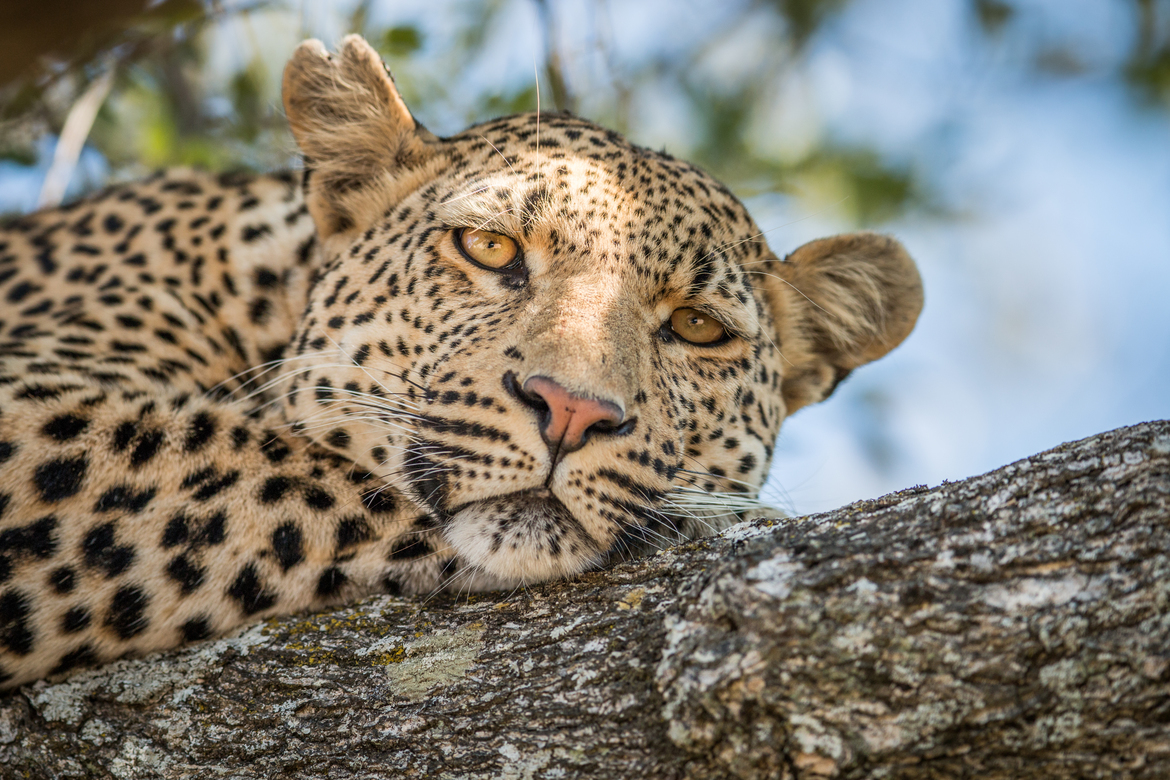
Africa’s Best Safari for Seeing Leopards: Top Locations
Leopard Safari, Africa. Leopards remain one of Africa’s most fascinating and elusive predators. Their powerful bodies, remarkable climbing ability, and secretive nature make every sighting a special safari moment.
Unlike lions that often rest in open areas or cheetahs that prefer wide grasslands, leopards rely on camouflage and stealth. They move quietly through forests, woodlands, and rocky landscapes while hunting and protecting their territory.
A leopard safari offers the chance to witness one of nature’s greatest hunters in action. You may find a leopard resting on a tree branch, stalking prey through tall grass, or caring for cubs in a hidden den.
Africa provides several exceptional destinations for leopard sightings. From South Africa’s private reserves to Zambia’s remote wilderness areas, each location offers unique opportunities to observe these incredible cats in their natural habitat.
Why Leopards Are One of Africa’s Most Exciting Safari Animals
Leopards are among the most adaptable big cats in the world. They survive in diverse environments, including forests, mountains, deserts, and savannas.
Their ability to remain hidden makes them challenging to find. A leopard can disappear into thick vegetation despite its distinctive spotted coat.
Leopards are also excellent climbers. They often drag their prey into trees to protect it from scavengers such as lions and hyenas. Seeing a leopard resting above the ground with a fresh kill remains one of the most memorable safari experiences.
Their solitary lifestyle adds to their mystery. Each encounter feels unique because leopards spend much of their time alone, moving quietly through their territories.
For wildlife photographers and safari enthusiasts, finding a leopard represents one of Africa’s most rewarding wildlife achievements.
Best Time to See Leopards in Africa
Leopards can be seen throughout the year in many African safari destinations. However, certain seasons improve the chances of sightings.
The dry season often provides better viewing conditions because vegetation becomes thinner, making animals easier to spot. Leopards also spend more time near water sources where prey gathers.
The early morning and late afternoon provide the best opportunities because leopards are most active during cooler periods.
The green season also offers special experiences. New vegetation creates beautiful landscapes, and many animals give birth, creating opportunities to see leopard cubs.
A skilled guide remains one of the most important factors for finding leopards. Experienced guides understand tracks, behavior patterns, and preferred habitats.
South Africa: The Best Leopard Safari Destination
Sabi Sand Game Reserve
Sabi Sand Game Reserve offers some of the best leopard viewing in Africa. Located beside Kruger National Park, the reserve protects a thriving leopard population.
The area’s permanent water sources and diverse habitats create ideal conditions for these cats. Leopards frequently move through riverine forests, open grasslands, and woodland areas.
Private game reserves within Sabi Sand allow off-road driving, which increases opportunities to spend more time with wildlife sightings. Expert guides and trackers use their knowledge of leopard behavior to locate individual animals.
Many leopards in Sabi Sand have become accustomed to safari vehicles, allowing visitors to enjoy close and respectful encounters.
For photographers and first-time safari travellers, Sabi Sand remains one of the most reliable destinations for leopard sightings.
Timbavati Private Nature Reserve
Timbavati Private Nature Reserve provides another excellent leopard safari experience near Kruger National Park.
The reserve contains diverse habitats that support healthy predator populations. Leopards share the landscape with lions, elephants, buffalo, and other wildlife.
Timbavati offers a more remote atmosphere while maintaining excellent guiding standards. Game drives often explore areas away from busy routes, creating peaceful wildlife encounters.
The reserve’s conservation approach helps protect large wilderness areas where leopards can thrive naturally.
Zambia: Wild Landscapes and Exceptional Leopard Encounters
South Luangwa National Park
South Luangwa National Park is one of Africa’s premier destinations for leopard safaris. The park’s combination of woodland, rivers, and lagoons creates an ideal habitat for these predators.
South Luangwa has earned a reputation for excellent leopard sightings. The park supports a healthy population, and many leopards frequently move along the Luangwa River.
The park’s walking safari tradition adds another dimension to the experience. Travellers can learn about animal tracks, behaviour, and ecosystems while exploring the wilderness with expert guides.
Night drives also provide unique opportunities because leopards become more active after sunset.
South Luangwa offers an authentic safari experience for travelers seeking remote landscapes and exceptional wildlife viewing.
Lower Zambezi National Park
Lower Zambezi National Park provides rewarding leopard encounters within a beautiful river environment.
The park’s combination of woodland, floodplains, and the Zambezi River supports diverse wildlife populations.
Leopards often move through the park’s forests and open areas while hunting smaller animals. Boat safaris and canoe trips create additional opportunities to explore the ecosystem.
The peaceful setting and low visitor numbers make Lower Zambezi a special destination for wildlife enthusiasts.
Tanzania: Leopards Across Iconic Wilderness Areas
Serengeti National Park
The Serengeti is one of Africa’s most famous safari destinations and offers excellent leopard viewing opportunities.
Leopards thrive in the park’s woodlands, especially around the Seronera Valley. The area contains permanent water sources and abundant prey, creating ideal conditions for these cats.
The Serengeti’s open landscapes make leopard sightings especially dramatic. Visitors may see a leopard resting on an acacia tree while overlooking vast plains filled with wildlife.
Combining leopard sightings with the Great Migration creates one of Africa’s most complete safari experiences.
Ngorongoro Conservation Area
The Ngorongoro Conservation Area provides another opportunity to see leopards in Tanzania.
The crater’s diverse habitats support a wide range of wildlife, including predators and large herbivore populations.
Although leopards remain elusive, patient game drives can reveal these cats moving through forested areas and crater landscapes.
The destination also offers opportunities to see lions, elephants, rhinos, and flamingos within a unique volcanic environment.
Kenya: Leopard Safaris in the Maasai Mara
Maasai Mara National Reserve
The Maasai Mara offers excellent opportunities to see leopards within Kenya’s famous savanna ecosystem.
The reserve’s rivers, forests, and grasslands provide suitable habitats for these adaptable cats.
Leopards often rest in trees near river areas, where they can watch for prey and avoid competition from other predators.
The Maasai Mara’s high concentration of wildlife increases the chances of sightings. Visitors can combine leopard searches with the Great Migration, lion encounters, and large herbivore movements.
Laikipia Conservancies
Kenya’s Laikipia region provides a more exclusive leopard safari experience.
Private conservancies protect diverse landscapes, including grasslands, forests, and rocky areas.
These areas support healthy predator populations while offering fewer vehicles and more personalized wildlife experiences.
Laikipia also supports important conservation programs that protect habitats and reduce human-wildlife conflict.
Botswana: Leopard Encounters in Untouched Wilderness
Okavango Delta
Botswana’s Okavango Delta provides a unique environment for leopard viewing.
The delta’s waterways, forests, and islands create a rich ecosystem with abundant prey species.
Leopards often move through woodland areas and use trees as resting places. Boat safaris and game drives allow visitors to explore different parts of this incredible wetland.
The Okavango Delta offers a peaceful safari experience where wildlife moves freely across protected landscapes.
Moremi Game Reserve
Moremi Game Reserve forms part of the Okavango ecosystem and provides excellent leopard habitat.
The reserve combines open plains, forests, and seasonal wetlands that support diverse wildlife.
Leopard sightings often occur during early morning and evening game drives when these cats are most active.
Moremi’s untouched landscapes make it an outstanding destination for travelers seeking authentic wilderness experiences.
Namibia: Desert Leopards and Unique Landscapes
Namibia’s Damaraland Region
Namibia offers a rare opportunity to see leopards in dramatic desert landscapes.
The rocky terrain of Damaraland supports adapted wildlife populations, including predators that survive in challenging environments.
Although leopard sightings require patience, the experience offers a unique perspective on wildlife adaptation.
The region combines wildlife viewing with ancient landscapes, desert scenery, and cultural experiences.
How to Improve Your Chances of Seeing Leopards
Seeing a leopard in the wild requires patience, timing, and expert guidance.
Choosing destinations with strong leopard populations increases your chances of successful sightings. Private reserves often provide additional advantages through experienced trackers and flexible game drives.
Early morning and evening drives usually provide the best opportunities because leopards prefer cooler temperatures.
Spending several days in a destination also improves your chances. Wildlife follows natural patterns, and more time in the field creates more opportunities for memorable encounters.
A knowledgeable guide can identify tracks, understand behavior, and locate areas where leopards frequently move.
Responsible Leopard Safaris and Conservation
Responsible tourism plays an important role in protecting leopard populations. Safari revenue supports conservation programs, habitat protection, and local communities.
Ethical wildlife viewing allows leopards to maintain natural behavior without unnecessary disturbance.
Travellers should choose operators who respect wildlife guidelines and support conservation initiatives.
Protecting leopard habitats also benefits countless other species that share the same ecosystems.
Every responsible safari contributes to keeping Africa’s wilderness alive for future generations.
Plan Your Leopard Safari Adventure
A leopard safari offers one of Africa’s most rewarding wildlife experiences. The challenge of finding these elusive cats makes every sighting even more meaningful.
From South Africa’s Sabi Sand to Zambia’s South Luangwa and Tanzania’s Serengeti, Africa provides exceptional destinations for leopard encounters.
Whether you are a wildlife photographer, first-time safari traveler, or experienced explorer, seeing a leopard in the wild creates a memory that lasts a lifetime.
Plan your safari with an experienced local operator and explore Africa’s best destinations for unforgettable leopard encounters.