
Whale Watching in South Africa: Hermanus & Beyond
July 16, 2026
Africa’s Best Safari for Seeing Leopards: Top Locations
July 16, 2026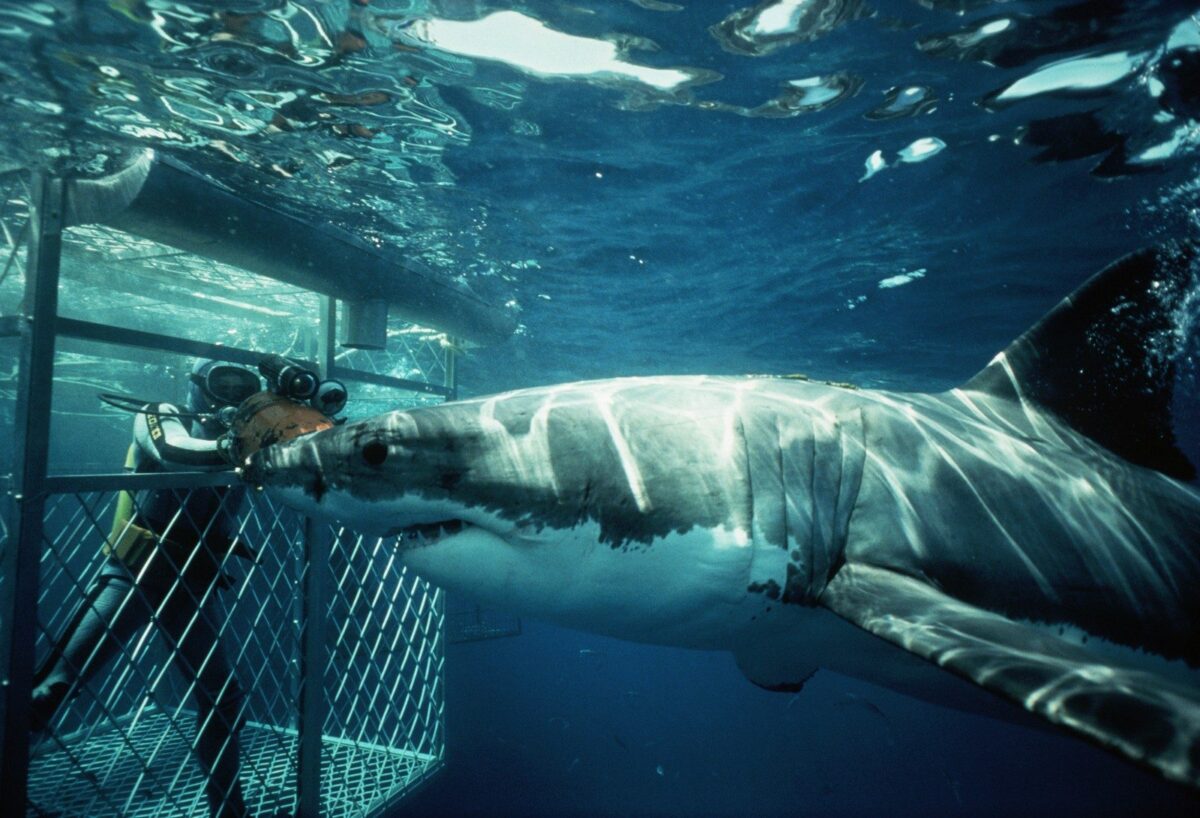
Great White Shark Cage Diving in South Africa: Full Guide
South Africa is one of the world’s most famous destinations for great white shark cage diving. The country’s rich marine ecosystems, powerful ocean currents, and long coastline create ideal conditions for encountering these magnificent predators.
A great white shark cage diving experience offers a rare opportunity to observe one of the ocean’s most misunderstood animals in its natural environment. From the safety of a specially designed cage, travellers can watch sharks move through the water, display their incredible power, and understand their important role in marine ecosystems.
For many visitors, this adventure creates a deeper appreciation for shark conservation. Rather than viewing sharks as dangerous creatures, cage diving reveals their intelligence, beauty, and importance to ocean health.
South Africa has several coastal locations where responsible operators provide unforgettable shark encounters. From the famous waters of Gansbaai to the coastal towns near Cape Town, this experience remains one of the country’s most thrilling marine adventures.
Understanding Great White Sharks in South Africa
Great white sharks are among the most powerful predators in the ocean. They have existed for millions of years and play an important role in maintaining balance within marine ecosystems.
These sharks can grow several metres long and possess highly developed senses that help them navigate and hunt. Despite their reputation, great white sharks do not actively seek human interaction and attacks remain extremely rare.
South Africa became famous for great white shark encounters because of its healthy marine environment and large seal colonies. Areas with abundant prey naturally attract these predators.
Today, conservation efforts focus on protecting shark populations and improving public understanding. Research programmes continue to study shark behaviour, migration patterns, and population changes.
Why South Africa Is Famous for Shark Cage Diving
South Africa’s coastline provides some of the best conditions for great white shark encounters. Nutrient-rich waters support large populations of marine life, creating productive feeding grounds.
The cold Atlantic waters around the Western Cape attract sharks because they contain important prey species such as Cape fur seals.
Strong conservation laws and experienced marine operators have helped develop responsible shark tourism. Many companies work closely with researchers and conservation organisations to promote shark protection.
Shark cage diving also supports local communities by creating jobs and encouraging marine conservation awareness.
A responsible experience allows travellers to observe sharks without harming their natural behaviour.
Best Places for Great White Shark Cage Diving in South Africa
Gansbaai: The Great White Shark Capital
Gansbaai remains the most famous shark cage diving destination in South Africa. Located about two hours from Cape Town, this coastal town attracts travellers from around the world.
The waters near Gansbaai contain rich marine habitats that support great white sharks. The nearby Dyer Island and Geyser Rock areas attract large numbers of Cape fur seals, which form an important part of the shark’s diet.
Boat trips usually depart from Kleinbaai Harbour and travel towards shark viewing areas. After reaching suitable locations, operators place a cage into the water where guests can observe sharks from a safe position.
The experience often includes multiple shark sightings, marine education, and stunning coastal scenery.
Gansbaai also offers opportunities to learn about shark research and conservation projects working in the region.
False Bay: Shark Encounters Near Cape Town
False Bay provides another excellent location for shark cage diving. The area sits close to Cape Town and offers convenient access for travellers staying in the city.
Historically, False Bay became famous for great white shark activity near Seal Island. The island’s large seal colony attracted sharks and created dramatic wildlife interactions.
Although shark patterns have changed over recent years, False Bay remains an important marine environment. Research continues to monitor shark movements and the health of the ecosystem.
A shark experience from False Bay allows visitors to combine marine adventure with Cape Town’s attractions, including Table Mountain, coastal drives, and wine regions.
Mossel Bay: A Growing Shark Diving Destination
Mossel Bay provides another opportunity to experience great white sharks along South Africa’s Garden Route.
The sheltered bay and surrounding marine environment attract various shark species throughout the year.
The destination offers a more relaxed coastal atmosphere compared to some busier shark diving locations. Visitors can combine cage diving with Garden Route adventures, including forests, beaches, and nature reserves.
Mossel Bay also offers opportunities to see other marine species, including dolphins and seals.
Best Time for Great White Shark Cage Diving in South Africa
Great white sharks appear throughout the year in South African waters, but sightings vary depending on location and seasonal conditions.
Winter and early spring often provide excellent opportunities because cooler waters attract more marine activity in some regions.
However, shark behaviour changes naturally, and sightings depend on ocean conditions, prey availability, and migration patterns.
Many operators run trips throughout the year and provide updates based on recent marine observations.
Travellers should choose their timing based on their overall South African itinerary rather than expecting guaranteed sightings on a specific date.
What Happens During a Shark Cage Diving Experience?
A typical great white shark cage diving trip begins early in the morning. Operators usually provide a safety briefing before guests travel by boat to shark viewing locations.
The journey includes information about shark biology, conservation, and responsible wildlife interaction.
Once the boat reaches the area, the cage enters the water. Guests can watch sharks from inside the cage while trained crew members provide guidance and explanations.
Some travellers choose to enter the cage underwater with a mask and snorkel. Others prefer to watch from the boat deck.
The experience usually lasts several hours and includes time on the ocean observing shark behaviour.
Is Great White Shark Cage Diving Safe?
Great white shark cage diving follows strict safety procedures when guests use reputable operators.
Professional companies use specially designed cages, experienced crews, and established guidelines to protect both visitors and sharks.
Before entering the water, guests receive safety instructions and learn how to behave around the animals.
The cage creates a secure barrier while allowing visitors to experience close encounters with sharks.
Travellers should always choose operators who prioritise animal welfare and follow responsible tourism practices.
What to Bring for Shark Cage Diving
Preparing properly helps make the experience more comfortable and enjoyable.
Warm clothing is important because South African coastal waters can feel cold, even during warmer months. Many operators provide wetsuits, but extra layers help before and after the dive.
A waterproof camera can capture memorable moments, although many operators provide photography services.
Travellers should also bring sunscreen, sunglasses, a hat, and motion sickness medication if they are sensitive to boat movement.
A positive attitude and willingness to learn make the experience even more rewarding.
Shark Conservation and Responsible Tourism
Great white shark conservation remains an important issue worldwide. Sharks face threats from fishing pressure, habitat changes, and negative public perceptions.
Responsible shark tourism helps change how people understand these animals. Seeing sharks in their natural environment often creates stronger support for marine conservation.
Many South African operators contribute to research programmes and educate visitors about shark protection.
Ethical cage diving should avoid practices that significantly alter natural shark behaviour. Responsible operators focus on observation and conservation rather than entertainment.
Tourism revenue also supports coastal communities and encourages protection of marine environments.
Combining Shark Cage Diving With Other South African Experiences
Great white shark cage diving fits perfectly into a broader South African adventure.
Travellers can combine shark encounters with a Cape Town city experience, whale watching in Hermanus, wine tasting in Stellenbosch, or exploring the Garden Route.
For wildlife lovers, adding a safari in Kruger National Park or a private reserve creates a complete land and ocean adventure.
Few destinations offer the opportunity to see great white sharks, whales, penguins, elephants, lions, and other iconic wildlife in one journey.
South Africa’s diversity makes it one of the world’s most rewarding adventure destinations.
Plan Your Great White Shark Cage Diving Adventure
Great white shark cage diving in South Africa offers a thrilling opportunity to experience one of the ocean’s most remarkable predators.
From Gansbaai’s famous shark waters to False Bay and Mossel Bay, travellers can explore marine environments where these incredible animals thrive.
The experience goes beyond adventure. It creates awareness about shark conservation and highlights the importance of protecting ocean ecosystems.
Choose a responsible operator, respect marine wildlife, and prepare for an unforgettable encounter with one of nature’s greatest predators.
Plan your South African adventure and experience the wild beauty of the ocean through a responsible great white shark cage diving experience.