
South Luangwa National Park
June 25, 2026
Hwange National Park Guide
June 25, 2026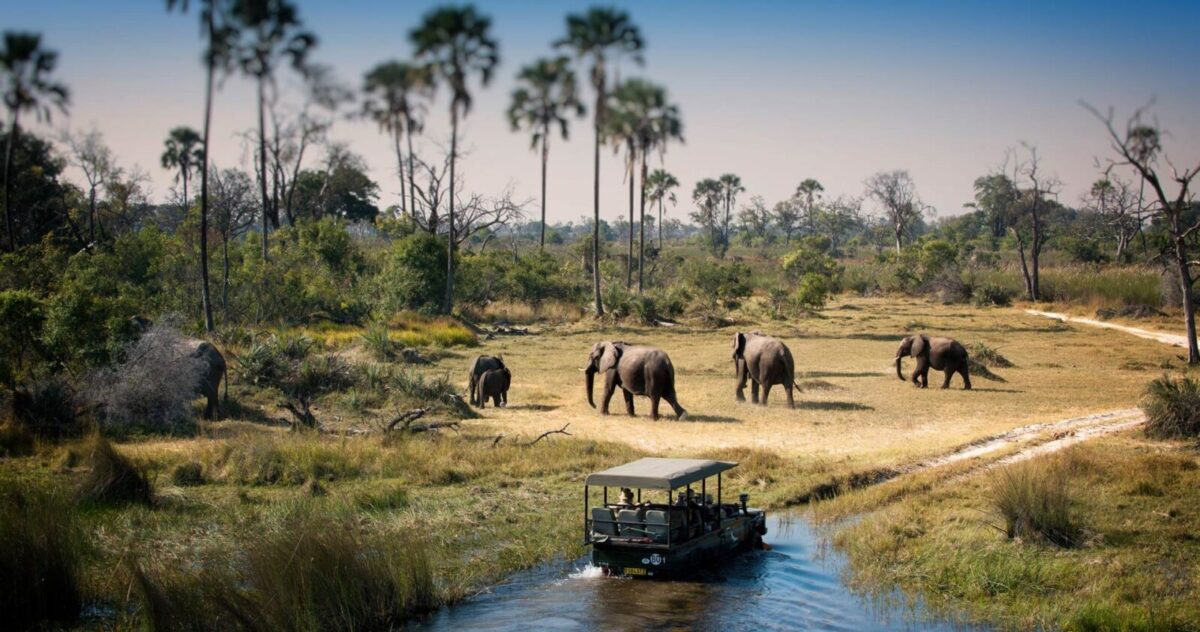
Chobe National Park Guide: Elephants, River Safaris & More
Chobe National Park stands as one of Botswana’s most spectacular wildlife destinations, best known for its enormous elephant herds and dramatic river-based safaris. A Chobe National Park guide introduces travelers to a landscape where the Chobe River shapes life, drawing vast concentrations of animals to its banks, especially during the dry season.
The park delivers a safari experience that feels both powerful and intimate. Large herds of elephants move through floodplains, hippos crowd river channels, crocodiles sun themselves along muddy banks, and predators follow the movement of prey across open savannahs. The combination of river and land ecosystems creates one of the most rewarding wildlife viewing environments in Africa.
This Chobe National Park guide explores wildlife, river safaris, key regions, safari activities, accommodation, best time to visit, and essential travel insights for planning a Botswana safari.
Why Chobe National Park Is Famous
Chobe National Park is widely recognized for hosting one of the largest concentrations of elephants in Africa. Herds numbering in the thousands gather along the Chobe River, especially during the dry season when water sources become scarce inland.
A Chobe National Park guide highlights the park’s unique combination of riverfront and inland ecosystems, which supports both aquatic and terrestrial wildlife.
The accessibility of river safaris also sets Chobe apart, offering a different perspective compared to traditional game drives.
The Chobe River: Lifeline of the Park
The Chobe River defines the entire ecosystem of the park. It forms a natural boundary between Botswana and Namibia and serves as a permanent water source in an otherwise dry landscape.
A Chobe National Park guide emphasizes how the river influences wildlife movement throughout the year.
During the dry season, animals migrate toward the riverbanks, creating high-density wildlife encounters. In the wet season, animals spread deeper into the interior as water becomes more widely available.
Elephant Herds of Chobe
Chobe is best known for its massive elephant populations, which represent one of the highest densities in Africa.
A Chobe National Park guide highlights elephants as the park’s signature species and a key reason for its global reputation.
Large family groups gather along the river to drink, bathe, and cross between feeding grounds. These movements create dramatic scenes, especially during sunset when herds silhouette against the water.
Wildlife in Chobe National Park
Chobe supports a wide range of wildlife beyond elephants, making it a full Big Five safari destination.
A Chobe National Park guide highlights lions, leopards, buffalo, elephants, and hippos as core species.
Predators
Lions are commonly seen in the Savuti region, where they hunt buffalo and other large herbivores. Leopards also occur in riverine forests, although they require patience to spot.
River Wildlife
Hippos and crocodiles dominate the Chobe River, often seen in large numbers along shallow channels and deeper pools.
Plains Game
Antelope species such as impala, kudu, puku, and sable antelope thrive in different habitats across the park.
River Safaris: Chobe’s Signature Experience
One of the most unique features of Chobe is the river safari experience, which offers close wildlife encounters from the water.
A Chobe National Park guide highlights boat cruises along the Chobe River as a must-do activity.
From the water, travelers observe elephants drinking at the banks, hippos surfacing in pods, crocodiles resting along muddy shores, and birds fishing along reed beds.
Sunset cruises are especially popular, offering golden light reflections across the river and active wildlife movement along the shoreline.
Game Drives in Chobe National Park
Game drives provide access to inland sections of the park, where wildlife spreads across woodlands and open savannah.
A Chobe National Park guide highlights the Savuti and Chobe Riverfront regions as key game-viewing areas.
Savuti is particularly known for predator sightings and dramatic wildlife interactions, while the riverfront offers consistent elephant and herbivore encounters.
Key Regions of Chobe National Park
Chobe is divided into distinct regions, each offering different safari experiences.
A Chobe National Park guide helps travelers understand these zones for better planning.
Chobe Riverfront
This area offers the highest wildlife density and easiest access to river safaris, making it the most popular section of the park.
Savuti Region
Savuti is more remote and rugged, known for predator activity, large buffalo herds, and dramatic hunting scenes.
Linyanti Region
Linyanti provides a quieter and more exclusive safari experience with wetlands, private concessions, and low visitor density.
Best Time to Visit Chobe National Park
Chobe offers excellent wildlife viewing year-round, but conditions vary with seasons.
The dry season from May to October provides the best game viewing along the riverfront, as animals concentrate near water sources.
The wet season from November to April brings lush landscapes, migratory birds, and newborn wildlife, although animals spread more widely.
A Chobe National Park guide recommends the dry season for river safaris and high-density wildlife sightings.
Accommodation in Chobe National Park
Chobe offers a wide range of accommodation options, from luxury lodges along the river to midrange safari camps and mobile tented stays.
A Chobe National Park guide highlights riverfront lodges for premium views and easy access to boat safaris.
Many accommodations are designed to maximize wildlife viewing, with rooms overlooking the Chobe River and surrounding floodplains.
Private concessions in Savuti and Linyanti offer more exclusive safari experiences.
Birdlife in Chobe National Park
Chobe is one of Africa’s top birding destinations, with over 450 recorded species.
A Chobe National Park guide highlights water birds such as African fish eagles, kingfishers, herons, and storks as common sightings.
Migratory species increase during the wet season, making it a strong destination for birdwatching enthusiasts.
Wildlife Photography in Chobe
Chobe offers exceptional photography opportunities due to its open riverfront landscapes and high wildlife density.
A Chobe National Park guide emphasizes elephant crossings, sunset river scenes, and predator encounters as key photographic moments.
Boat safaris provide unique angles and close-up perspectives of wildlife along the riverbanks.
Conservation and Ecosystem Protection
Chobe plays an important role in Botswana’s conservation strategy, protecting large migratory routes and maintaining healthy elephant populations.
A Chobe National Park guide highlights strict wildlife protection policies and low-impact tourism as key factors in conservation success.
Cross-border ecosystems with Namibia, Zambia, and Zimbabwe also require regional cooperation for long-term sustainability.
Conclusion
Chobe National Park delivers one of Africa’s most impressive safari experiences, defined by massive elephant herds, rich river ecosystems, and diverse wildlife habitats. From boat safaris along the Chobe River to game drives in Savuti and peaceful encounters in Linyanti, every region offers a unique perspective on Botswana’s wilderness.
A Chobe National Park guide reveals a destination where water and wildlife shape every experience. Whether watching elephants cross the river at sunset or exploring predator-rich savannahs, Chobe creates unforgettable safari moments grounded in natural abundance and raw beauty.