
Mozambique Travel Guide: Beaches, Islands & Marine Safari
June 24, 2026
Zanzibar Travel Guide: Stone Town, Beaches & Spice Tours
June 24, 2026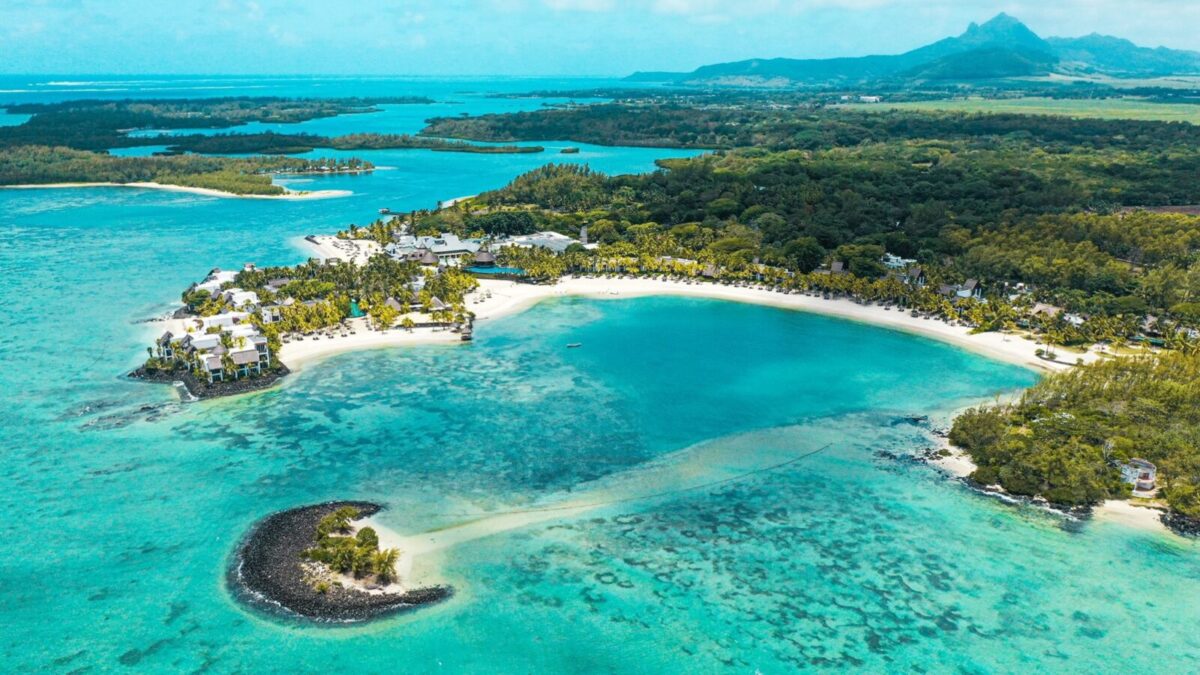
Mauritius Travel Guide: Beaches, Culture & Island Luxury
Mauritius stands as one of the Indian Ocean’s most refined island destinations, offering a seamless blend of white-sand beaches, turquoise lagoons, cultural diversity, and world-class hospitality. A Mauritius travel guide introduces travelers to an island where volcanic landscapes meet coral reefs, where luxury resorts sit beside fishing villages, and where African, Indian, Chinese, and European influences shape a rich cultural identity.
Unlike purely beach-focused destinations, Mauritius delivers a balanced travel experience. Visitors enjoy relaxing coastal escapes, but they also explore botanical gardens, UNESCO-listed landscapes, mountain hikes, bustling markets, and cultural heritage sites. This diversity makes Mauritius ideal for honeymooners, families, luxury travelers, and anyone seeking a relaxed yet engaging island holiday.
This Mauritius travel guide explores the island’s best beaches, cultural highlights, luxury resorts, activities, best time to visit, and essential travel insights to help you plan a memorable island experience.
Why Mauritius Is a World-Class Island Destination
Mauritius attracts global travelers because it offers more than just beautiful beaches. The island combines natural beauty with strong tourism infrastructure, high-quality accommodation, and a safe, welcoming environment.
A Mauritius travel guide highlights the island’s unique geography. Coral reefs protect most of the coastline, creating calm lagoons ideal for swimming, snorkeling, and water sports. Inland, volcanic mountains, sugarcane fields, and nature reserves add depth to the island’s scenery.
Mauritius also stands out for its cultural richness. Centuries of migration have created a society where Hindu temples, colonial architecture, mosques, and Chinese pagodas exist within short distances of each other. This cultural blend shapes the island’s food, festivals, and daily life.
Grand Baie: Mauritius’ Vibrant Coastal Hub
Grand Baie is one of Mauritius’ most popular tourist areas, known for its lively atmosphere, restaurants, shopping, and nightlife. Located in the north of the island, it serves as a central base for exploring nearby beaches and offshore islands.
A Mauritius travel guide includes Grand Baie for travelers who want both relaxation and activity.
The bay offers calm waters for swimming and sailing, along with easy access to catamaran cruises and deep-sea fishing trips. The town itself features a mix of local markets, modern shopping centers, beach clubs, and waterfront dining.
Grand Baie combines convenience with entertainment, making it a favorite for couples, groups, and first-time visitors.
Flic en Flac: Long Beaches and Sunset Views
Flic en Flac stretches along the western coastline and offers one of Mauritius’ longest and most accessible beaches. The calm lagoon, soft sand, and consistent sunsets make it a popular destination for relaxation.
A Mauritius travel guide highlights Flic en Flac as a great option for travelers seeking a laid-back beach experience with easy access to amenities.
The area offers snorkeling spots along the reef, beachfront restaurants, and casual nightlife. Its western location ensures warm, calm waters throughout most of the year, making it ideal for swimming and family holidays.
Belle Mare: Tranquility on the East Coast
Belle Mare represents a quieter and more peaceful side of Mauritius. Its long stretch of white sand beach faces the open ocean, creating a more natural and less sheltered coastline.
A Mauritius travel guide includes Belle Mare for travelers seeking serenity and wide open beaches.
The area features luxury resorts, water sports, and early morning beach walks with minimal crowds. Winds on the east coast also make it popular for kite surfing and sailing.
Belle Mare suits honeymooners and travelers who prefer privacy and relaxation over busy tourist hubs.
Le Morne: Mountain, Culture & UNESCO Heritage
Le Morne combines dramatic scenery with cultural significance. The iconic Le Morne Brabant mountain rises above turquoise waters and forms part of a UNESCO World Heritage Site.
A Mauritius travel guide highlights Le Morne as one of the island’s most scenic and historically important regions.
The area holds deep cultural meaning, as it was once a refuge for escaped enslaved people. Today, it symbolizes resistance and freedom.
Le Morne also offers excellent conditions for kite surfing due to strong coastal winds, while nearby beaches provide calm swimming areas and luxury resorts.
Black River Gorges National Park: Mauritius Beyond the Coast
Black River Gorges National Park showcases Mauritius’ inland natural beauty. The park protects native forests, waterfalls, and hiking trails that reveal a different side of the island.
A Mauritius travel guide includes this park for travelers seeking nature beyond beaches.
Visitors can hike through dense forest trails, observe rare bird species, and enjoy panoramic viewpoints over valleys and mountains. The park plays a key role in protecting Mauritius’ endemic biodiversity.
Île aux Cerfs: Island Day Trips and Lagoon Adventures
Île aux Cerfs is one of Mauritius’ most famous offshore islands, known for its white beaches, clear lagoons, and water sports activities.
A Mauritius travel guide highlights this island for its accessible day-trip experiences.
Visitors travel by boat to enjoy snorkeling, parasailing, swimming, and beach relaxation. Golf courses, restaurants, and beach facilities make it one of the most developed island excursions in Mauritius.
Port Louis: Culture, Markets & History
Port Louis, the capital city, offers a cultural and historical contrast to Mauritius’ beach resorts. The city blends colonial architecture with modern development and vibrant street life.
A Mauritius travel guide includes Port Louis for its cultural depth and local experiences.
Visitors explore Central Market, the Caudan Waterfront, museums, temples, mosques, and historical sites that reflect the island’s diverse heritage. The city provides insight into everyday Mauritian life beyond tourism.
Wildlife and Nature Experiences in Mauritius
Although Mauritius is not a traditional safari destination, it offers unique wildlife and marine encounters. Coastal waters support dolphins, whales (seasonally), sea turtles, and vibrant coral reef ecosystems.
A Mauritius travel guide also highlights conservation parks and nature reserves where visitors can see endemic bird species and rare plants.
Marine parks protect coral reefs and support snorkeling and diving experiences across the island. Dolphin watching and deep-sea fishing remain popular offshore activities.
Best Time to Visit Mauritius
Mauritius offers year-round travel opportunities due to its tropical climate.
The best beach conditions occur from May to December, when temperatures remain comfortable, humidity is lower, and rainfall is minimal. This period is ideal for swimming, sightseeing, and outdoor activities.
The warmer months from January to April bring higher humidity and occasional tropical rains, but the island remains lush and vibrant. Marine life activity, including dolphins and whales, continues throughout the year.
Accommodation in Mauritius
Mauritius offers some of the finest resort accommodations in the Indian Ocean. Luxury beachfront resorts dominate key coastal regions, offering private beaches, spas, fine dining, and water sports facilities.
A Mauritius travel guide includes a wide range of options from boutique hotels and villas to all-inclusive resorts and honeymoon retreats. Many properties focus on personalized service and beachfront relaxation.
Eco-lodges and inland retreats also provide alternative stays for travelers seeking nature-based experiences away from the coast.
Activities in Mauritius
A Mauritius travel guide includes a wide range of activities beyond beach relaxation. Water sports such as snorkeling, diving, kite surfing, parasailing, and sailing remain popular across the island.
Land-based experiences include hiking, botanical garden visits, cultural tours, rum distillery visits, and sightseeing in villages and towns.
Catamaran cruises, dolphin watching tours, and sunset sailing trips offer memorable ocean experiences across the lagoon.
Culture and Heritage of Mauritius
Mauritius reflects a unique cultural fusion shaped by centuries of migration and trade. Indian, African, Chinese, and European influences shape the island’s cuisine, festivals, languages, and architecture.
A Mauritius travel guide highlights this diversity as one of the island’s most compelling features. Visitors experience Hindu celebrations, Christian traditions, Chinese festivals, and Islamic cultural practices within a single destination.
This cultural harmony creates a welcoming atmosphere that defines the Mauritian identity.
Conservation and Responsible Tourism
Mauritius continues to invest in marine conservation, coral reef protection, and biodiversity preservation. National parks and protected marine zones help safeguard endemic species and fragile ecosystems.
Tourism plays a key role in supporting conservation initiatives and local communities. Many resorts actively participate in sustainability programs, reducing environmental impact while promoting eco-friendly travel.
A Mauritius travel guide emphasizes responsible tourism as essential for preserving the island’s natural beauty for future generations.
Conclusion
Mauritius offers a refined island escape where beaches, culture, and luxury come together in perfect balance. From the lively shores of Grand Baie and the tranquil beaches of Belle Mare to the dramatic landscapes of Le Morne and the cultural energy of Port Louis, every part of the island delivers a unique experience.
A Mauritius travel guide reveals a destination that goes beyond beach holidays, offering cultural richness, natural beauty, and world-class hospitality. Whether relaxing at a luxury resort, exploring coral reefs, or discovering inland nature reserves, Mauritius delivers an unforgettable island journey.