
Malawi Safari Guide: Liwonde, Majete & Lake Malawi
June 24, 2026
Mauritius Travel Guide: Beaches, Culture & Island Luxury
June 24, 2026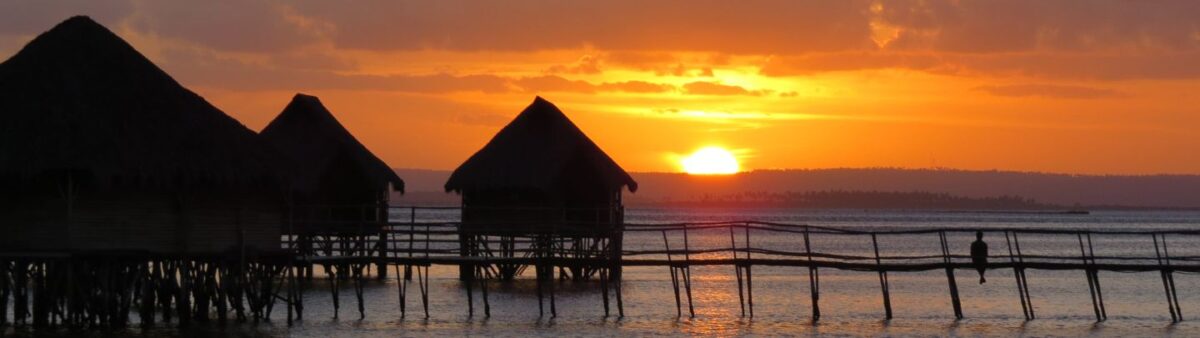
Mozambique Travel Guide: Beaches, Islands & Marine Safari
Mozambique is one of Africa’s most breathtaking coastal destinations, offering a rare blend of Indian Ocean beaches, pristine island archipelagos, rich marine life, and a growing ecotourism scene. A Mozambique travel guide reveals a country defined by turquoise waters, white-sand beaches, coral reefs, and a relaxed coastal culture that feels untouched compared to more commercial beach destinations.
Stretching along more than 2,500 kilometers of coastline, Mozambique combines tropical island escapes with authentic African charm. Travelers come here for diving with whale sharks, sailing on traditional dhows, exploring remote islands, and relaxing on beaches where footprints fade quickly into soft white sand. Beyond the coast, Mozambique also offers wildlife reserves, river ecosystems, and cultural cities that reflect a unique mix of African, Portuguese, and Swahili influences.
This Mozambique travel guide explores the country’s top beach destinations, island experiences, marine wildlife, best time to visit, accommodation options, and essential travel insights for planning a coastal safari-style holiday.
Why Mozambique Is a Unique Beach and Marine Destination
Mozambique stands out in Africa because it offers a largely undeveloped coastline compared to more commercial beach destinations. Many areas remain remote, quiet, and naturally preserved, allowing travelers to experience the Indian Ocean in its most authentic form.
A Mozambique travel guide highlights the country’s incredible marine biodiversity. Coral reefs stretch along much of the coastline, supporting whale sharks, manta rays, dolphins, turtles, and hundreds of tropical fish species. This makes Mozambique one of the best destinations in the world for diving and snorkeling.
The country also combines beach relaxation with adventure. Travelers can explore remote islands, sail traditional dhows, fish in deep waters, or simply enjoy untouched beaches far from mass tourism.
Bazaruto Archipelago: Mozambique’s Crown Jewel
The Bazaruto Archipelago represents the most famous and luxurious island destination in Mozambique. Located off the coast of Vilanculos, this group of islands forms part of a protected marine park known for its crystal-clear waters and rich marine life.
A Mozambique travel guide places Bazaruto at the top of any coastal itinerary due to its exceptional natural beauty and biodiversity.
Islands of Bazaruto
The archipelago includes Bazaruto Island, Benguerra Island, Magaruque Island, Santa Carolina (Paradise Island), and Bangue Island. Each island offers unique landscapes, from rolling sand dunes to coral reefs and mangrove forests.
Benguerra and Bazaruto Islands are the most developed for tourism, featuring luxury eco-lodges and exclusive beach resorts.
Marine Life in Bazaruto
Bazaruto Marine National Park protects one of the richest marine ecosystems in the Indian Ocean. Travelers often encounter whale sharks, manta rays, dolphins, dugongs, sea turtles, and vibrant coral reef fish.
Diving and snorkeling reveal colorful underwater landscapes, while dhow cruises provide peaceful sunset experiences across calm turquoise waters.
Tofo Beach: Diving and Whale Shark Capital
Tofo Beach is one of Mozambique’s most popular coastal destinations, especially for divers and marine enthusiasts. Located near Inhambane, Tofo has gained international recognition for its consistent whale shark and manta ray sightings.
A Mozambique travel guide highlights Tofo as the best place in Africa to swim with whale sharks year-round.
Marine Experiences in Tofo
The waters around Tofo support an incredible concentration of marine life. Whale sharks, manta rays, humpback whales (seasonally), dolphins, and turtles are commonly seen during ocean excursions.
Diving and snorkeling operators offer guided trips to offshore reefs where marine biodiversity thrives.
Beach Life in Tofo
Tofo also offers a relaxed beach atmosphere with surf-friendly waves, beachfront cafés, local markets, and a growing backpacker and eco-tourism scene. The beach stretches for miles, offering both social and quiet areas depending on visitor preference.
Vilanculos: Gateway to Island Adventures
Vilanculos serves as the main gateway to the Bazaruto Archipelago and offers a combination of coastal charm and island access.
A Mozambique travel guide includes Vilanculos as an essential stop for travelers heading to the islands.
The town features beachfront lodges, dhow sailing trips, and water-based excursions to nearby islands. Its shallow turquoise waters and sandbanks create ideal conditions for kayaking, kite surfing, and dhow cruises.
Vilanculos also provides a glimpse into local life, with markets, fishing communities, and cultural interactions along the coast.
Quirimbas Archipelago: Northern Mozambique’s Hidden Paradise
The Quirimbas Archipelago stretches along northern Mozambique and consists of more than 30 islands, many of which remain largely undeveloped and remote.
A Mozambique travel guide highlights Quirimbas for its exclusivity and untouched natural beauty.
Ibo Island and Surroundings
Ibo Island is one of the most historically significant islands in the archipelago, featuring colonial architecture, old forts, and narrow streets that reflect Mozambique’s trading history.
Surrounding islands offer pristine beaches, coral reefs, and quiet lagoons ideal for snorkeling and diving.
Marine and Cultural Experience
The Quirimbas region combines marine exploration with cultural heritage. Travelers often experience dhow sailing, fishing trips, and visits to traditional island communities.
The remoteness of the region ensures low tourist numbers and a strong sense of isolation.
Inhambane Coast: Culture and Coastal Beauty
The Inhambane coastline offers a mix of cultural history and scenic beaches. As one of Mozambique’s oldest towns, Inhambane reflects Portuguese colonial influences blended with Swahili and African traditions.
A Mozambique travel guide includes this region for travelers interested in culture alongside beach relaxation.
The coastline features palm-lined beaches, fishing villages, and calm waters ideal for swimming and sailing. It also serves as a base for exploring Tofo and Barra beaches.
Wildlife and Marine Life in Mozambique
A Mozambique travel guide focuses heavily on marine biodiversity rather than traditional Big Five safaris. The Indian Ocean ecosystem supports whale sharks, manta rays, dolphins, humpback whales, sea turtles, and vibrant coral reef species.
On land, wildlife reserves such as Gorongosa National Park offer classic safari experiences with elephants, lions, hippos, buffalo, zebras, and antelope species. Gorongosa is one of Africa’s most remarkable restoration success stories.
The combination of marine and terrestrial wildlife makes Mozambique a unique dual safari destination.
Best Time to Visit Mozambique
Mozambique offers year-round travel opportunities, but seasonal conditions affect marine life and weather patterns.
The dry season from May to October provides the best beach conditions, with calm seas, clear visibility for diving, and comfortable temperatures. This period also aligns with humpback whale migration along the coast.
The wet season from November to April brings higher humidity, lush landscapes, and occasional tropical storms. However, marine life remains active, and whale sharks and manta rays can still be seen throughout the year in many areas.
Accommodation in Mozambique
Mozambique offers a wide range of accommodation, from luxury island resorts to eco-lodges and beachfront guesthouses.
Bazaruto and Quirimbas feature high-end private island resorts that focus on exclusivity, marine access, and luxury experiences. Tofo and Vilanculos offer boutique hotels, beachfront lodges, and eco-friendly stays that cater to divers and independent travelers.
Many properties emphasize sustainability, marine conservation, and community engagement, ensuring responsible tourism development along the coast.
Activities in Mozambique
A Mozambique travel guide includes a wide range of ocean-based activities. Diving and snorkeling remain the most popular, with coral reefs offering exceptional marine encounters.
Dhow sailing provides traditional coastal experiences, especially at sunset. Deep-sea fishing, kite surfing, kayaking, and island hopping add adventure to beach holidays.
Cultural tours in coastal towns allow visitors to explore local markets, seafood traditions, and historic architecture influenced by Portuguese and Swahili heritage.
Conservation and Responsible Tourism
Mozambique is actively investing in marine conservation and eco-tourism development. Marine protected areas such as Bazaruto and Quirimbas help preserve coral reefs, dugong habitats, and fish populations.
Gorongosa National Park represents one of Africa’s leading conservation success stories, focusing on ecosystem restoration and wildlife protection.
A Mozambique travel guide emphasizes responsible tourism as essential for maintaining fragile marine ecosystems and supporting local communities.
Conclusion
Mozambique offers one of Africa’s most captivating coastal experiences, combining untouched beaches, rich marine biodiversity, and authentic cultural encounters. From the luxury islands of Bazaruto and Quirimbas to the diving paradise of Tofo and the cultural charm of Inhambane, every destination reveals a different side of the Indian Ocean.
A Mozambique travel guide showcases a country where ocean adventures and relaxation blend seamlessly with conservation and local culture. Whether swimming with whale sharks, sailing on traditional dhows, or relaxing on secluded beaches, Mozambique delivers a coastal safari experience unlike anywhere else in Africa.