Tanzania Dining and Food
February 10, 2026
Tanzania vs Kenya
February 10, 2026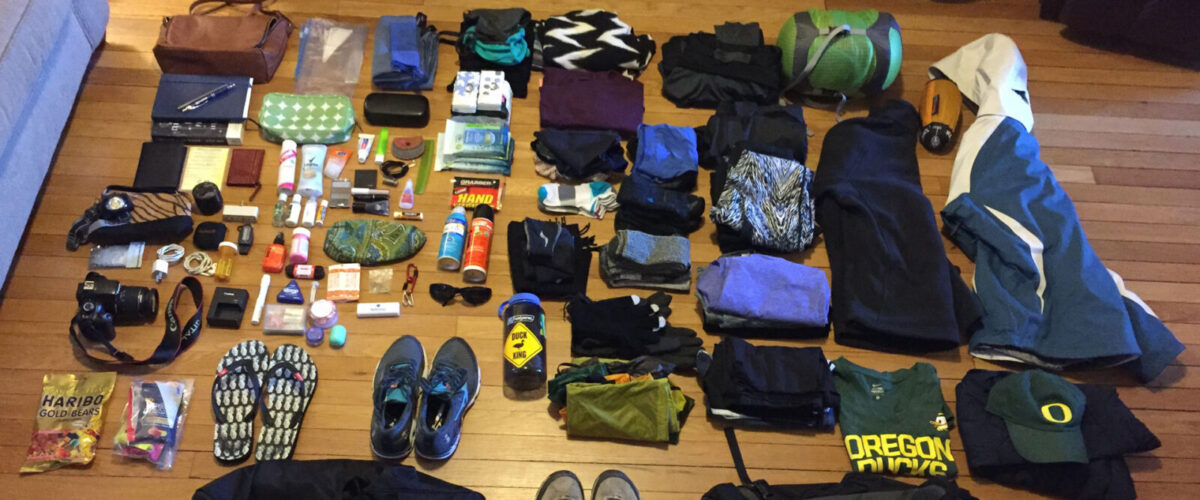
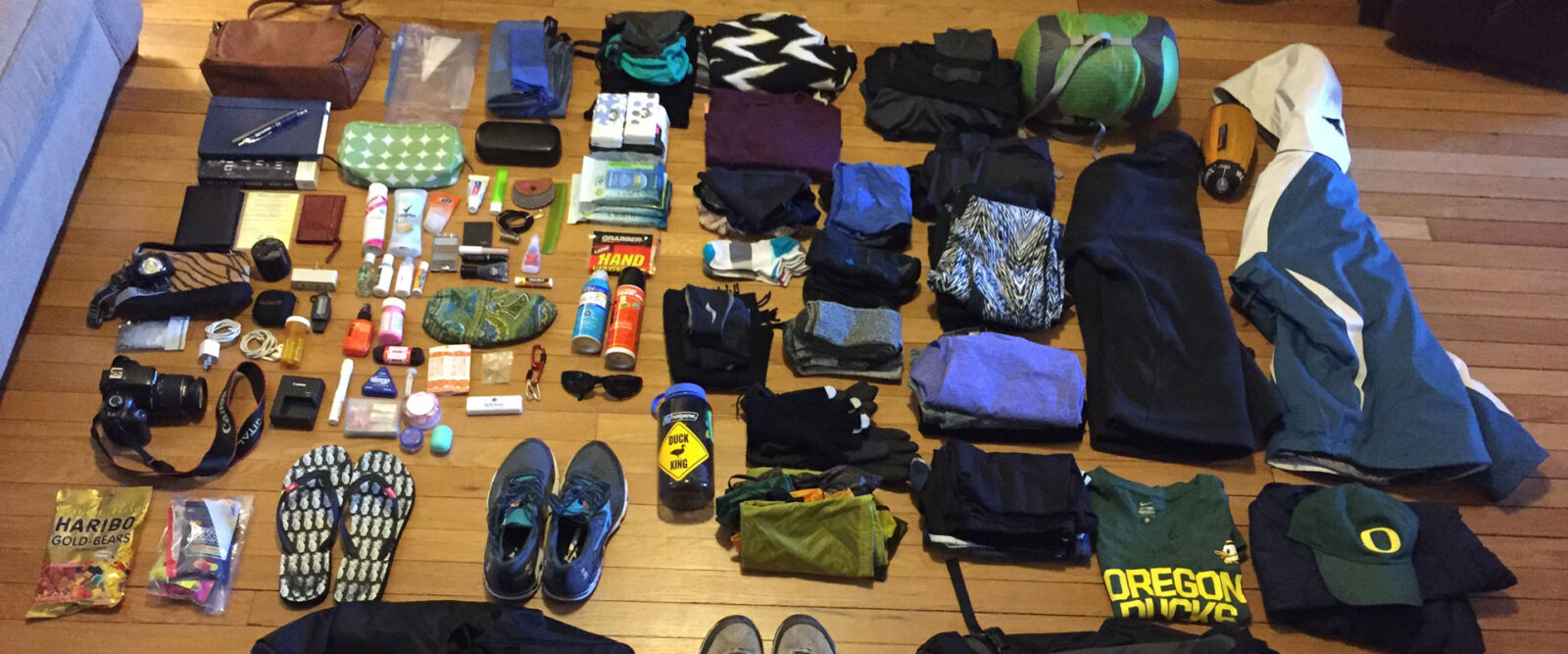
Tanzania Safari Packing List
Preparing the right gear can make your journey more comfortable and enjoyable. A well-planned Tanzania safari packing list helps you stay ready for changing weather conditions, long game drives, outdoor activities, and different environments.
Tanzania offers diverse travel experiences, from wildlife adventures in the Serengeti and Ngorongoro Crater to beach holidays in Zanzibar and hiking expeditions around Mount Kilimanjaro. Each destination requires thoughtful preparation.
The best safari packing approach focuses on comfort, practicality, and lightweight travel. You do not need to bring everything from home. Choosing versatile clothing, useful equipment, and essential travel items allows you to enjoy your safari without carrying unnecessary luggage.
This guide explains what to pack for a Tanzania safari, including clothing, documents, photography equipment, health items, and other essentials.
Why Book This Destination
Explore More about Tanzania Safari Packing List
Choosing the Right Safari Luggage
The type of luggage you bring matters during a Tanzania safari. Many safari vehicles have limited storage space, especially when traveling between national parks.
A soft-sided duffel bag works better than a hard suitcase because it fits easily into safari vehicles and small aircraft used for domestic flights. Lightweight bags with strong zippers and comfortable handles provide the best option.
A smaller daypack also helps during daily activities. You can use it to carry cameras, water bottles, sunscreen, binoculars, and personal items during game drives or nature walks.
Avoid overpacking because most safari lodges provide laundry services, allowing you to reuse clothing throughout your trip.
Safari Clothing Essentials
Choosing suitable clothing remains one of the most important parts of your Tanzania safari packing list. Safari clothing should provide comfort, protection from the sun, and flexibility for different temperatures.
Lightweight, breathable fabrics work well in Tanzania’s warm climate. Cotton, linen, and moisture-wicking materials help you stay comfortable during daytime activities.
Neutral colors such as khaki, beige, brown, and green are popular choices because they blend well with the natural environment. These colors also hide dust better during game drives.
Avoid very bright colors because they may attract unnecessary attention during some wildlife activities. Dark colors can also attract insects in certain areas.
Clothing for Morning and Evening Game Drives
Early morning and evening game drives can feel surprisingly cold, especially during the dry season. Temperatures often drop before sunrise and after sunset.
Pack a warm fleece jacket, sweater, or lightweight down jacket for cooler moments. A windbreaker or waterproof jacket can also provide protection during unexpected weather changes.
Layering works best because temperatures change throughout the day. You can remove layers as the weather becomes warmer and add them again when temperatures drop.
Comfortable clothing allows you to enjoy longer game drives without discomfort.
Recommended Safari Clothing Items
Your Tanzania safari packing list should include practical clothing that works for different activities.
Pack lightweight shirts with long sleeves to protect your arms from the sun and insects. Long trousers provide additional protection during bush walks and outdoor activities.
Comfortable shorts work well during warmer afternoons, while long pants remain useful during cooler mornings and evenings.
A lightweight scarf or buff provides extra protection from dust during game drives. It can also protect your neck from strong sunlight.
Quick-drying clothing proves useful because some safari camps offer laundry services and outdoor activities may expose clothing to dust or rain.
Footwear for a Tanzania Safari
Comfortable footwear improves your safari experience. Most activities involve walking on uneven surfaces, visiting viewpoints, or exploring natural areas.
Pack comfortable closed shoes or hiking shoes for walking activities. They provide better protection than open sandals.
Light sandals or casual shoes are useful around safari lodges, hotels, and camps. They allow your feet to rest after long days of exploration.
If you plan to include walking safaris or hiking activities, choose durable shoes that you have already used before traveling.
Sun Protection Items
The African sun can be strong, especially during daytime game drives. Protecting yourself from sun exposure should remain a priority.
Include a wide-brimmed hat or cap in your Tanzania safari packing list. A hat protects your face and neck while spending several hours outdoors.
Sunglasses with UV protection help reduce glare and protect your eyes during open vehicle drives.
High-quality sunscreen remains essential. Choose a product with strong SPF protection and apply it regularly throughout the day.
A lightweight long-sleeved shirt also provides additional protection during hot conditions.
Health and Personal Care Items
Health preparation plays an important role when packing for Tanzania.
Carry personal medications and any prescriptions you regularly use. Keep important medicines in your hand luggage during flights.
A small travel health kit can include basic items such as pain relievers, insect repellent, antiseptic cream, and motion sickness medication.
Insect repellent helps protect against mosquito bites in some regions. Discuss recommended health precautions with a medical professional before your trip.
Personal toiletries are available at many lodges, but bringing your preferred products can provide extra comfort.
Photography Equipment for a Tanzania Safari
Tanzania offers incredible photography opportunities. From lions in the Serengeti to elephants near Tarangire’s baobab trees, every game drive provides memorable moments.
A good camera with a zoom lens allows you to capture wildlife from a safe distance. Many travelers prefer lenses between 200mm and 400mm for safari photography.
Extra memory cards and spare batteries are useful because wildlife sightings can create many photo opportunities.
A pair of binoculars also improves wildlife viewing. Even travelers who do not take photographs benefit from having binoculars during game drives.
Travel Documents and Money
Important documents should always remain secure during your journey.
Your Tanzania safari packing list should include your passport, visa documents if required, travel insurance information, flight details, and accommodation confirmations.
Carry digital copies of important documents on your phone or online storage.
International credit cards work in many hotels and lodges, but carrying some cash in US dollars is useful for tips, small purchases, and local markets.
Keep money and documents organized in a secure travel wallet.
Electronics to Pack
Electronic items help you stay connected and capture memories during your safari.
A smartphone remains useful for communication, navigation, and photography. A power bank helps keep devices charged during long days away from electricity.
Many safari lodges provide charging facilities, but remote camps may have limited power availability. Carrying extra batteries or charging solutions provides peace of mind.
A universal travel adapter is useful because Tanzania uses Type G and Type D electrical sockets in many areas.
Packing for Zanzibar After Your Safari
Many travelers combine a Tanzania safari with Zanzibar. If your itinerary includes the beach, add a few extra items.
Pack swimwear, beach clothing, sandals, and lightweight outfits suitable for warm coastal weather.
Zanzibar has strong cultural traditions, especially outside beach resorts. Visitors should pack modest clothing for village visits, markets, and Stone Town exploration.
A light cover-up or loose clothing helps provide comfort while respecting local customs.
What Not to Pack for a Tanzania Safari
Avoid bringing unnecessary heavy items. Safari travel requires practical packing because of vehicle space limitations and domestic flight luggage restrictions.
Leave expensive jewelry and unnecessary valuables at home. Simple and comfortable travel items work best in the African bush.
Avoid packing camouflage clothing because some countries regulate military-style clothing. Choose neutral safari colors instead.
Heavy luggage creates inconvenience, especially when moving between different safari destinations.
Packing Tips for First-Time Safari Travelers
First-time visitors often pack too much. The best approach focuses on essential items that serve multiple purposes.
Choose clothing that mixes easily and works in different situations. Pack layers rather than many separate outfits.
Check luggage restrictions if your itinerary includes small aircraft flights between parks. Many safari airlines have strict weight limits.
A carefully planned Tanzania safari packing list helps you travel comfortably while keeping your luggage manageable.
Plan Your Safari
The right preparation makes your Tanzania safari more enjoyable from start to finish. Packing comfortable clothing, essential travel items, and suitable outdoor gear allows you to focus on the incredible experiences ahead.
From watching lions in the Serengeti to exploring the Ngorongoro Crater and relaxing on Zanzibar’s beaches, Tanzania offers unforgettable adventures. A smart packing plan ensures you enjoy every moment with confidence and comfort.
In Africa’s national parks, every sunrise paints a masterpiece — where the wild’s call echoes across endless horizons. Visiting these parks is to witness nature in its purest form, a timeless dance that stirs the soul.
Steps to Book Your Southern Africa Tour
Choose Your Adventure
Confirm Your Booking
Begin Your Journey
Ready to plan your tailor-made safari?