
Photographic Safaris
February 10, 2026
Wellness Safaris
February 10, 2026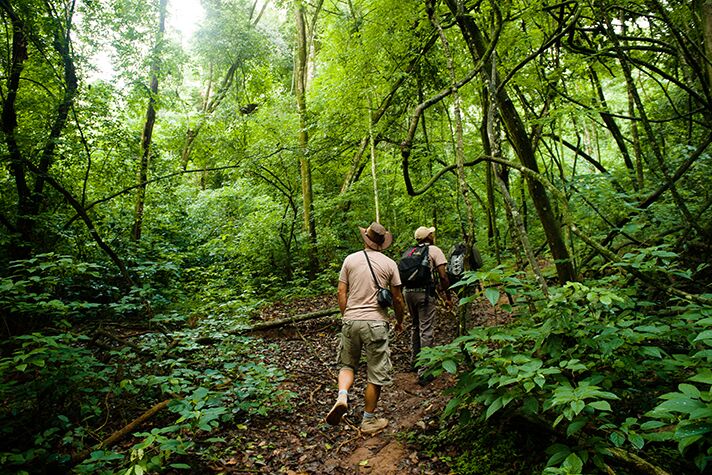
Sustainable Safaris in Tanzania
Sustainable safaris in Tanzania offer travelers the opportunity to explore Africa’s incredible wildlife while supporting conservation, local communities, and environmental protection. These safari experiences focus on reducing negative impacts and creating long-term benefits for nature and people.
Tanzania is one of the world’s most remarkable safari destinations, home to famous landscapes such as the Serengeti, Ngorongoro Crater, Tarangire, and Nyerere National Park. Protecting these areas requires responsible tourism practices that balance wildlife conservation with community development.
A Tanzania sustainable safari allows visitors to enjoy unforgettable wildlife encounters while contributing to the protection of natural habitats. From eco-friendly lodges to conservation-focused activities, sustainable tourism helps preserve Tanzania’s wilderness for future generations.
Why Book This Destination
Explore More about Sustainable Safaris in Tanzania
What Is a Sustainable Safari?
A sustainable safari focuses on responsible travel practices that protect the environment, support local communities, and promote wildlife conservation.
Traditional tourism can place pressure on natural resources if it does not follow careful management practices. Sustainable safaris address these challenges by reducing waste, conserving energy, supporting local economies, and respecting wildlife.
In Tanzania, sustainable safari operators work to protect national parks and conservation areas while providing meaningful experiences for travelers.
These safaris allow visitors to enjoy nature while understanding the importance of preserving the ecosystems they explore.
Why Choose Sustainable Safaris in Tanzania?
Tanzania’s wildlife and landscapes depend on responsible conservation efforts. Choosing a sustainable safari in Tanzania helps support the protection of important habitats and endangered species.
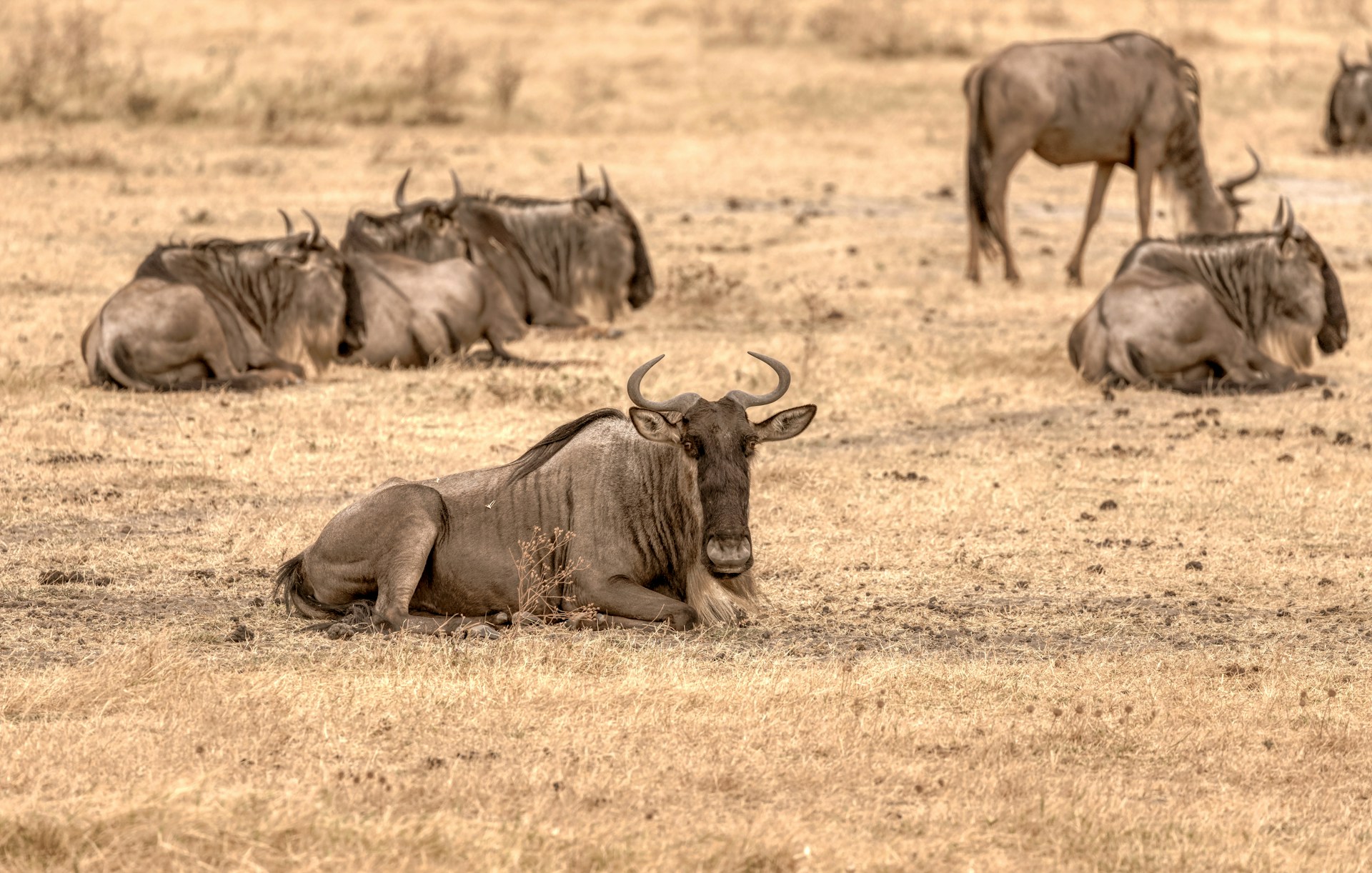
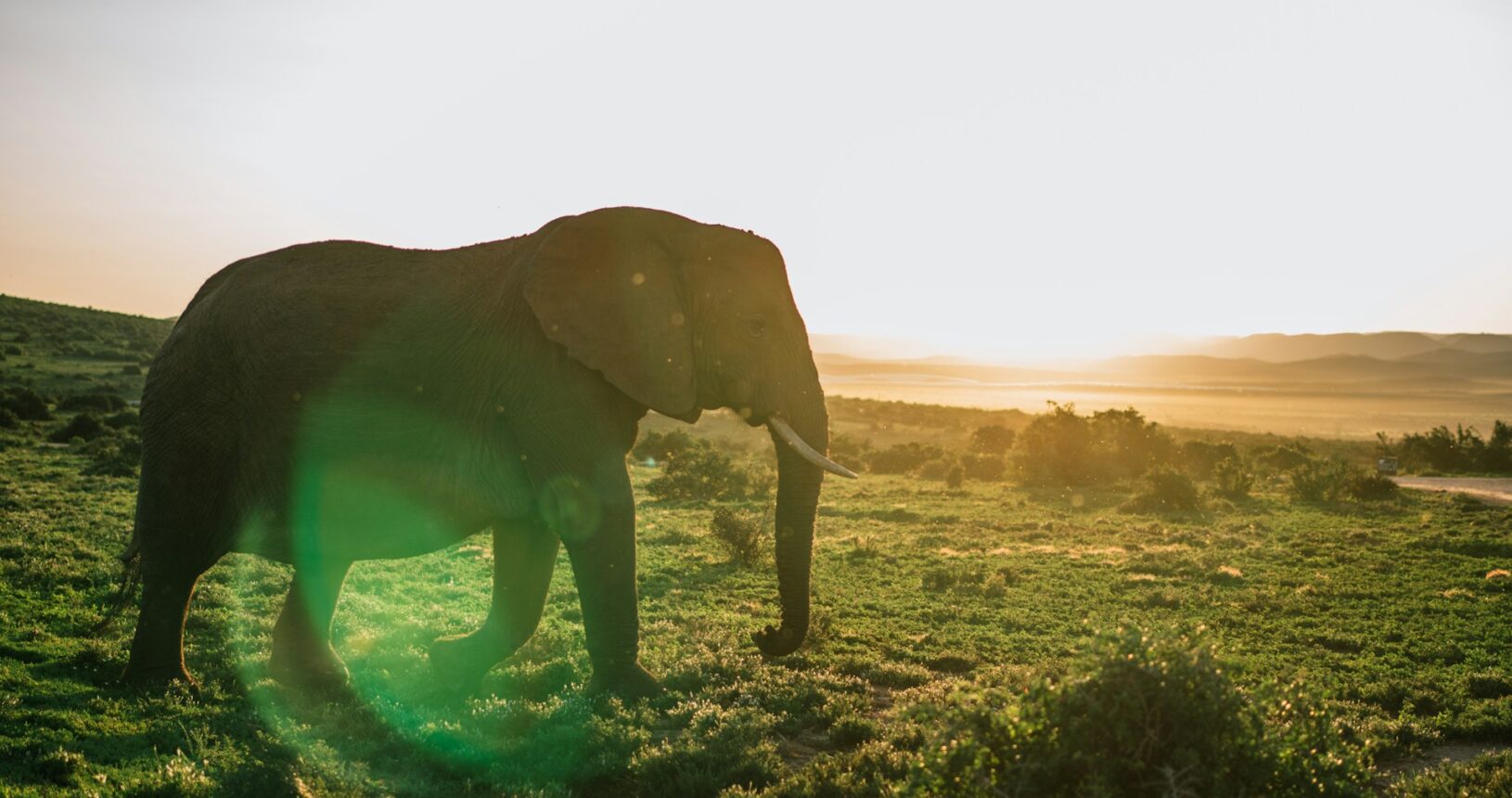
The country’s national parks protect some of the world’s most famous wildlife populations, including elephants, lions, leopards, rhinos, and wildebeests.
Tourism revenue contributes to conservation programs, park management, and community projects. When travelers choose responsible safari companies, their journeys help create positive impacts beyond the wildlife experience.
Sustainable safaris also provide more authentic experiences. Many eco-conscious lodges focus on smaller groups, personalized guiding, and deeper connections with nature.
Conservation-Focused Safari Experiences
A major part of sustainable safaris in Tanzania involves supporting wildlife conservation.
Many safari operators contribute to anti-poaching programs, habitat restoration projects, and wildlife monitoring initiatives. These efforts help protect Tanzania’s biodiversity and maintain healthy ecosystems.
Visitors can learn about conservation through guided activities, community visits, and educational experiences.
For example, travelers may discover how researchers monitor wildlife populations, how local communities protect natural resources, and how conservation organizations support endangered species.
These experiences create a deeper understanding of the challenges facing Africa’s wildlife.
Eco-Friendly Safari Lodges and Camps
Sustainable accommodation plays an important role in responsible tourism. Many eco-friendly safari lodges in Tanzania use practices that reduce environmental impact while maintaining guest comfort.
Some properties use solar energy, water recycling systems, and environmentally friendly construction methods. Others focus on reducing plastic waste and sourcing food from local suppliers.
Small camps often create a lower-impact experience because they limit visitor numbers and blend naturally into their surroundings.
Staying at a sustainable lodge allows travelers to enjoy Tanzania’s wilderness while supporting environmentally responsible businesses.
Sustainable Wildlife Viewing Practices
Responsible wildlife viewing is essential during a Tanzania sustainable safari. Guides follow strict guidelines to protect animals and their habitats.
Safari vehicles maintain safe distances from wildlife and avoid disturbing natural behaviors. Experienced guides understand animal movements and help visitors observe without causing stress.
Responsible operators also limit the number of vehicles in sensitive areas and encourage respectful photography practices.
These approaches help ensure that wildlife remains protected while visitors enjoy incredible encounters.
Community-Based Tourism in Tanzania
Sustainable safaris support communities living near protected areas. Local people play an important role in conservation because they share landscapes with wildlife.
Many safari companies create employment opportunities for local guides, drivers, lodge staff, and conservation workers.
Community tourism projects also support education, healthcare, and economic development.
Cultural experiences with local communities allow travelers to learn about Tanzanian traditions while providing direct benefits to residents.
A sustainable safari recognizes that conservation succeeds when communities benefit from protecting nature.
Sustainable Safaris in Serengeti National Park
The Serengeti National Park represents one of the greatest examples of wildlife conservation in Africa. Protecting this ecosystem requires responsible tourism practices.
Sustainable safari experiences in the Serengeti focus on minimizing environmental impact while allowing visitors to witness incredible events such as the Great Migration.
Eco-conscious camps and operators support conservation programs that protect wildlife corridors and natural habitats.
Travelers can experience the Serengeti while contributing to efforts that preserve its extraordinary ecosystem.
Sustainable Safaris in Ngorongoro Conservation Area
The Ngorongoro Conservation Area demonstrates the importance of balancing wildlife protection with community involvement.
The area protects diverse wildlife while allowing local communities to maintain traditional lifestyles.
Sustainable tourism helps support conservation programs while creating opportunities for residents.
Visitors can enjoy wildlife experiences in the crater while learning about the relationship between conservation, culture, and local livelihoods.
Sustainable Safari Activities in Tanzania
A sustainable safari in Tanzania offers many activities that encourage responsible exploration.
Walking safaris provide a low-impact way to discover nature while learning about ecosystems from professional guides.
Cultural visits support local communities and provide meaningful interactions with residents.
Bird watching encourages appreciation of smaller species and the importance of protecting different habitats.
Boat safaris in areas such as Nyerere National Park allow visitors to explore waterways while observing wildlife responsibly.
These activities create deeper connections with Tanzania’s natural and cultural heritage.
Reducing Environmental Impact During a Safari
Travelers can support sustainable tourism through simple responsible choices.
Using reusable water bottles, avoiding unnecessary plastic, respecting wildlife rules, and choosing eco-friendly accommodations help reduce environmental impact.
Visitors can also support local businesses by purchasing locally made products and choosing community-focused experiences.
Small actions contribute to larger conservation goals.
A responsible traveler plays an important role in protecting the destinations they visit.
Best Time for Sustainable Safaris in Tanzania
A sustainable safari in Tanzania can take place throughout the year. Each season provides unique experiences.
The dry season from June to October offers excellent wildlife viewing because animals gather around water sources.
The green season from November to May brings lush landscapes, fewer visitors, and excellent bird watching opportunities.
Traveling during quieter periods can reduce pressure on popular destinations and create more peaceful wildlife experiences.
The best time depends on personal interests and preferred safari activities.
Sustainable Photography Safaris
Photography plays an important role in promoting conservation. Images captured during sustainable safaris in Tanzania can inspire people to protect wildlife and natural environments.
Responsible photographers avoid disturbing animals and follow guide instructions.
Wildlife photography helps share conservation messages and increases awareness about the importance of protecting endangered species.
A sustainable photography safari combines creativity with environmental responsibility.
Choosing a Responsible Safari Operator
Selecting the right safari company is important when planning a sustainable journey.
Responsible operators prioritize conservation, support local communities, and follow ethical wildlife practices.
Travelers should consider companies that work with conservation organizations, employ local staff, and operate environmentally friendly camps.
Choosing carefully ensures that tourism creates positive benefits for Tanzania’s people and wildlife.
Plan Your Safari
Sustainable safaris in Tanzania provide a meaningful way to explore Africa’s wilderness while supporting conservation and communities. These experiences allow travelers to enjoy incredible wildlife encounters while helping protect the ecosystems that make Tanzania unique.
From the Serengeti plains to the forests, rivers, and mountains of Tanzania, responsible tourism creates a future where people and nature can thrive together.
For travelers seeking an authentic safari experience with a positive impact, a sustainable Tanzania safari offers adventure, discovery, and a lasting connection with Africa.
In Africa’s national parks, every sunrise paints a masterpiece — where the wild’s call echoes across endless horizons. Visiting these parks is to witness nature in its purest form, a timeless dance that stirs the soul.
Steps to Book Your Southern Africa Tour
Choose Your Adventure
Confirm Your Booking
Begin Your Journey
Ready to plan your tailor-made safari?