Zimbabwe Sustainable
February 1, 2026
Zimbabwe Wellness
February 1, 2026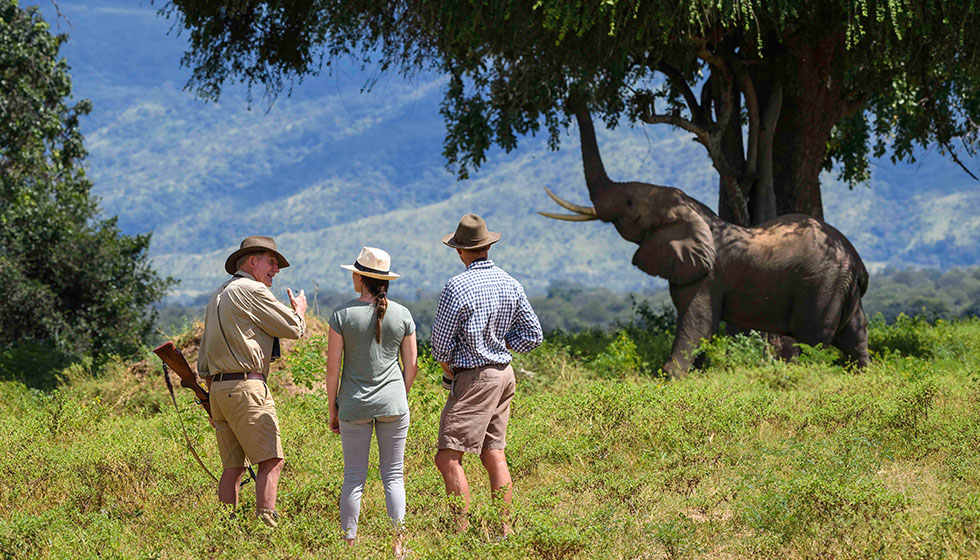
Walking Safaris in Zimbabwe
Zimbabwe stands as one of Africa’s leading destinations for walking safaris, where the experience shifts from observation to direct engagement with the wilderness. Walking through the bush brings a heightened sense of awareness, as every sound, track, and movement becomes part of the journey. With highly trained professional guides and well-managed safari areas, Zimbabwe delivers walking experiences that feel both immersive and carefully controlled.
Why Book This Destination
Explore More about Walking Safaris in Zimbabwe
Why Zimbabwe Leads in Walking Safaris
A Strong Guiding Tradition
Zimbabwe’s reputation in walking safaris comes from its exceptional guiding standards. Guides undergo rigorous training and develop deep knowledge of wildlife behavior, tracking, and safety procedures. This expertise allows them to interpret the environment clearly while managing each encounter with precision.
Their ability to read subtle signs, from fresh tracks to alarm calls, transforms a simple walk into an educational and engaging experience. You do not just see wildlife; you understand how it moves, feeds, and interacts within its habitat.
Open Landscapes and Safe Terrain
Many of Zimbabwe’s key safari areas offer terrain suitable for walking. Open floodplains, woodland areas, and riverbanks provide clear visibility and controlled conditions. These environments allow guides to assess situations early and maintain safe distances from wildlife.
Top Walking Safari Destinations
Mana Pools National Park
Mana Pools offers the most iconic walking safari experience in Zimbabwe. The park’s open floodplains along the Zambezi River create ideal conditions for exploring on foot. Elephants, buffalo, and antelope move freely through the area, while predators remain present in the wider ecosystem.
Walking here feels natural and unrestricted, yet guides maintain full control of the experience. The combination of scenery, wildlife, and expert guiding makes Mana Pools a standout destination for serious safari enthusiasts.
Hwange National Park
Hwange also supports excellent walking opportunities, especially in private concessions and specific areas where guides operate with flexibility. The landscape includes woodland and open grassland, which allows a mix of tracking and observation.
Walking in Hwange often complements game drives, adding variety to the safari experience. You may follow animal tracks, study smaller species, or observe wildlife from a different perspective.
Zambezi National Park and Surrounding Areas
Areas near Victoria Falls, including Zambezi National Park, offer shorter walking experiences. These walks provide an introduction to the bush while remaining accessible to a wider range of travelers. The proximity to the river adds scenic value and opportunities to see birds and smaller wildlife.
What to Expect on a Walking Safari
Pace and Experience
Walking safaris move at a steady and deliberate pace. The focus remains on observation rather than distance. Guides stop frequently to explain tracks, plants, and signs of animal activity. This approach allows you to absorb details that often go unnoticed during vehicle-based safaris.
Wildlife Encounters
Encounters with wildlife create the most memorable moments. You may observe elephants feeding, watch antelope grazing, or follow signs of predators. Guides maintain safe positioning and ensure that animals remain undisturbed. The experience feels close and real, yet controlled at all times.
Safety and Preparation
Professional Guidance
Safety forms the foundation of every walking safari. Guides carry the necessary equipment and maintain constant awareness of surroundings. They assess wind direction, animal behavior, and terrain before making decisions. Their training ensures that each walk remains secure without reducing the sense of adventure.
Physical Requirements
Walking safaris do not require extreme fitness, but a reasonable level of mobility helps. The terrain varies, and conditions can include heat and uneven ground. Comfortable walking shoes, neutral clothing, and sun protection improve the experience.
Seasonal Considerations
Dry Season Walking
The dry season offers the best conditions for walking safaris. Vegetation becomes thinner, which improves visibility. Wildlife gathers around water sources, increasing the chances of encounters. Cooler mornings also make walking more comfortable.
Green Season Walking
The green season introduces lush landscapes and vibrant scenery. Walking remains possible, but thicker vegetation can limit visibility. This period suits travelers who enjoy quieter environments and a more scenic setting.
The Unique Value of Walking Safaris
Walking safaris in Zimbabwe create a deeper connection to the natural world. You engage all your senses and gain a clearer understanding of how ecosystems function. The experience moves beyond viewing animals to truly experiencing the environment they live in.
Zimbabwe continues to lead in this style of safari because of its guiding expertise, suitable landscapes, and commitment to safety. For travelers seeking a more immersive and meaningful adventure, walking safaris offer one of the most rewarding ways to explore Africa.
In Africa’s national parks, every sunrise paints a masterpiece — where the wild’s call echoes across endless horizons. Visiting these parks is to witness nature in its purest form, a timeless dance that stirs the soul.
Steps to Book Your Southern Africa Tour
Choose Your Adventure
Confirm Your Booking
Begin Your Journey
Ready to plan your tailor-made safari?