Zimbabwe Birding
February 1, 2026
Zimbabwe Walking
February 1, 2026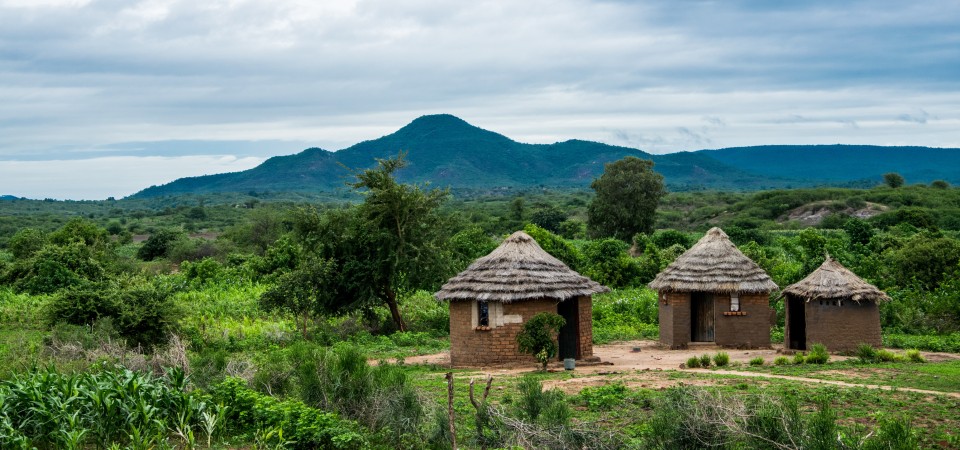
Sustainable Travel in Zimbabwe
Zimbabwe has built a strong reputation for sustainable tourism, where conservation, community involvement, and low-impact travel shape the safari experience. The country’s approach focuses on protecting wildlife while ensuring local communities benefit directly from tourism. Travelers who choose Zimbabwe step into a system that values preservation, responsible use of natural resources, and long-term environmental balance.
Why Book This Destination
Explore More about Sustainable Travel in Zimbabwe
Conservation-Driven Tourism
Protecting Wildlife and Ecosystems
Zimbabwe’s national parks and conservancies operate with a clear focus on conservation. Areas such as Hwange National Park and Mana Pools maintain strict management practices that protect habitats and wildlife populations. Anti-poaching efforts, habitat monitoring, and controlled tourism help maintain ecological balance.
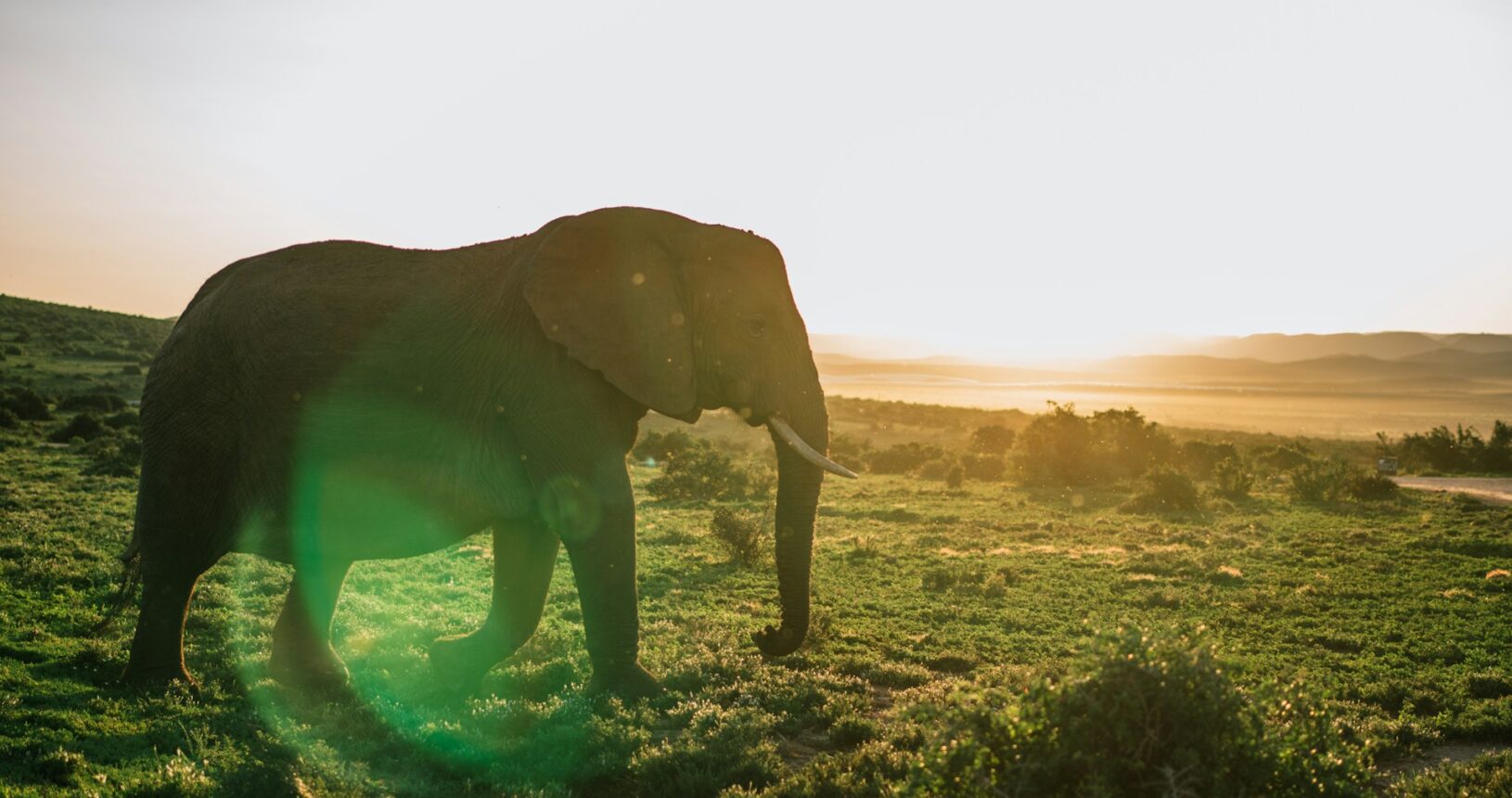
Tourism revenue supports these efforts. Park fees and lodge contributions fund ranger programs, wildlife protection, and research initiatives. This model ensures that tourism directly contributes to the survival of species such as elephants, lions, and rhinos.
Low-Impact Safari Model
Zimbabwe promotes a low-impact tourism approach, especially in remote areas. Camps remain small and blend into the environment, which reduces pressure on ecosystems. Fewer vehicles at sightings allow wildlife to behave naturally without stress. This approach enhances both conservation and the quality of the safari experience.
Community Involvement and Benefits
Supporting Local Communities
Sustainable tourism in Zimbabwe includes strong community partnerships. Many safari operators work closely with nearby villages, creating employment opportunities and supporting local development projects. Jobs in guiding, hospitality, and conservation provide stable income and skill development.
Community programs often focus on education, healthcare, and infrastructure. These initiatives improve living standards while strengthening the relationship between communities and wildlife conservation.
Cultural Preservation
Tourism also supports the preservation of local traditions and cultural identity. Visitors who engage in community experiences gain insight into daily life, language, and heritage. This interaction encourages respect and understanding while providing communities with additional income streams.
Eco-Friendly Safari Practices
Responsible Lodge Operations
Safari lodges in Zimbabwe adopt eco-friendly practices to reduce their environmental footprint. Many camps use solar power, manage water carefully, and limit waste through recycling and sustainable sourcing. These practices allow lodges to operate efficiently in remote areas without harming the surrounding environment.
Design also plays a role. Camps often use natural materials and minimal infrastructure, which helps them blend into the landscape and maintain the integrity of the ecosystem.
Sustainable Wildlife Interaction
Guides follow strict rules during wildlife encounters. Vehicles maintain safe distances, and activities such as walking safaris operate under clear guidelines. These practices ensure that animals remain undisturbed and continue their natural behavior.
Responsible Travel Experiences
Walking and Canoe Safaris
Zimbabwe encourages low-impact activities that connect travelers directly to nature. Walking safaris and canoe trips reduce reliance on vehicles and create a quieter presence in the environment. These experiences promote awareness and respect for wildlife and ecosystems.
Supporting Conservation Tourism
Travelers contribute to sustainability through their choices. Staying in responsible lodges, booking with conservation-focused operators, and respecting local guidelines all support the broader system. Each decision strengthens the link between tourism and environmental protection.
Challenges and Ongoing Efforts
Balancing Tourism and Conservation
Zimbabwe continues to manage the balance between increasing tourism and protecting natural resources. Growth in visitor numbers requires careful planning to avoid environmental strain. Authorities and operators work together to maintain standards and protect sensitive areas.
Climate and Environmental Pressures
Changing climate patterns affect water availability, vegetation, and wildlife movement. Conservation programs adapt to these challenges through research and resource management. Sustainable tourism plays a role by funding these adaptive efforts.
Why Choose Zimbabwe for Sustainable Travel
Zimbabwe offers a safari experience where sustainability forms the foundation rather than an afterthought. The combination of strong conservation policies, community involvement, and responsible tourism practices creates a model that benefits both people and nature. Travelers who visit Zimbabwe support a system that values long-term preservation while delivering authentic and meaningful experiences.
Planning a Sustainable Safari
A well-planned sustainable safari in Zimbabwe focuses on destinations like Hwange, Mana Pools, and community-supported conservancies. Choosing eco-conscious lodges and respecting local guidelines ensures that your journey aligns with conservation goals. This approach allows you to experience Zimbabwe’s wilderness while contributing to its protection.
In Africa’s national parks, every sunrise paints a masterpiece — where the wild’s call echoes across endless horizons. Visiting these parks is to witness nature in its purest form, a timeless dance that stirs the soul.

Steps to Book Your Southern Africa Tour
Choose Your Adventure
Confirm Your Booking
Begin Your Journey
Ready to plan your tailor-made safari?