
Vaccinations for Zambia
February 1, 2026
Zambia vs Botswana
February 1, 2026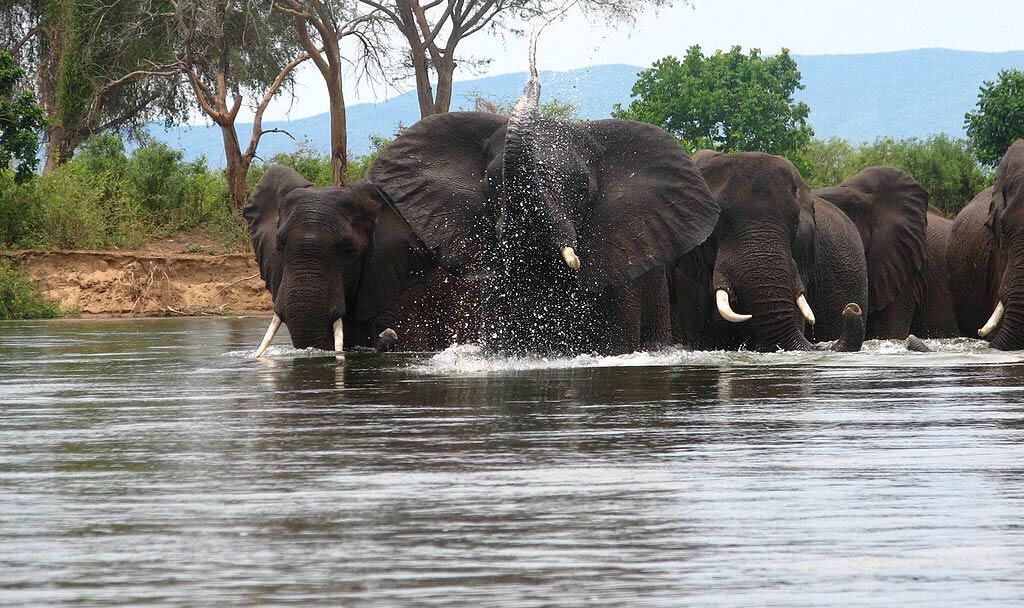
Wildlife in Zambia
Walking safaris in Africa offer one of the most immersive ways to experience the wilderness. Instead of viewing wildlife from a vehicle, you step into the environment and move through it on foot. This shift changes everything. You notice tracks, sounds, scents, and subtle movements that often go unseen on game drives. The experience feels immediate and real, guided by awareness and connection rather than distance.
Walking safaris do not focus only on large animals. They reveal the full ecosystem, from insects and plants to birds and mammals. Each step builds a deeper understanding of how the bush functions.
Why Book This Destination
Explore More about Wildlife in Zambia
The Big Five in Zambia
Lion, Leopard, Elephant, Buffalo, and Rhino
Zambia supports four of the Big Five across several major national parks, while rhino populations remain limited to highly protected conservation areas.
Lions appear frequently in South Luangwa National Park, Lower Zambezi National Park, and Kafue National Park. These predators hunt across floodplains, woodland edges, and river systems where prey remains abundant throughout much of the year.
Leopards thrive especially in South Luangwa, which ranks among Africa’s best destinations for leopard sightings. Dense woodland cover and healthy prey populations support strong leopard activity, particularly during night drives.
Elephants occur widely across Zambia and gather in large numbers near rivers and floodplains during the dry season. Lower Zambezi and Kafue provide particularly impressive elephant encounters.
Buffalo herds move through grasslands, riverbanks, and woodland habitats across many safari regions. Large herds often attract predators and create dramatic wildlife interactions.
Rhinos remain under strict protection in selected areas such as North Luangwa National Park and Mosi-oa-Tunya National Park near Livingstone.
Predators of Zambia
Lions, Leopards, Hyenas, and Wild Dogs
Predator viewing forms one of Zambia’s strongest safari attractions because the country supports healthy carnivore populations across several ecosystems.
South Luangwa National Park stands out for predator activity, especially leopard sightings. Night drives regularly reveal leopards hunting or moving through riverine forest habitats after dark.
Lions patrol major floodplain systems and often hunt buffalo, zebra, and antelope in open areas near water.
Spotted hyenas appear widely across Zambia and remain highly active in parks such as Liuwa Plain and Kafue. Their vocal communication and social behaviour create fascinating safari experiences.
African wild dogs also survive in parts of Zambia, particularly in South Luangwa and Lower Zambezi ecosystems. These endangered predators hunt cooperatively and move quickly across large territories.
Predator encounters in Zambia often feel highly natural because the parks maintain low tourism density and large wilderness areas.
Elephants in Zambia
Giants of the River Systems
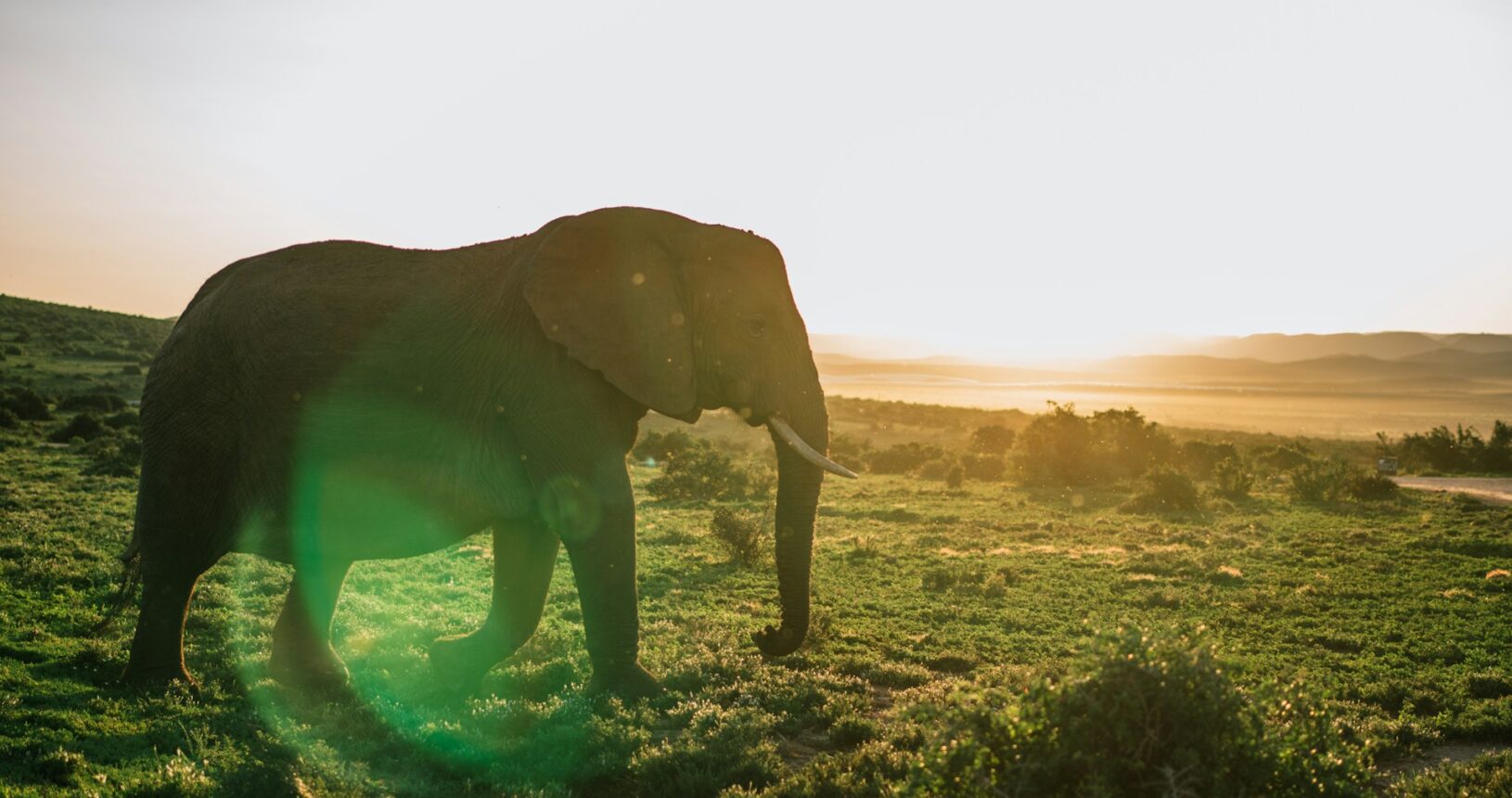
Elephants rank among the most iconic wildlife species in Zambia. The country’s major rivers and floodplains support large elephant populations throughout the year.
Lower Zambezi National Park provides some of Southern Africa’s finest elephant viewing because herds gather regularly along the Zambezi River to drink, bathe, and feed.
South Luangwa and Kafue also support large elephant populations moving seasonally between woodlands and river systems.
Elephants frequently appear near safari camps and lodges positioned beside rivers or wildlife corridors.
Their movement shapes much of the safari experience across Zambia’s national parks.
Antelope Species
Diverse Grazers Across Zambia’s Ecosystems
Zambia supports an extraordinary variety of antelope species because of its diverse habitats.
Puku, impala, kudu, waterbuck, sable antelope, roan antelope, hartebeest, reedbuck, and eland all occur across different ecosystems within the country.
The floodplains of Liuwa Plain and Kafue support large grazing herds that attract predators and migratory wildlife movement.
Sitatunga antelope inhabit wetland regions such as Bangweulu, where swamp ecosystems provide ideal habitat conditions.
Antelope species form the ecological foundation of many safari regions because predators depend heavily on them as prey.
Hippos and Crocodiles
Wildlife of Zambia’s Rivers
Zambia’s river systems support large hippo and crocodile populations, especially along the Zambezi and Luangwa rivers.
Hippos dominate many waterways and lagoons throughout the country. Their vocal calls and territorial behaviour form part of the atmosphere around riverside safari camps.
Crocodiles rest along sandy banks and patrol deeper river channels where fish and wildlife gather near the water.
Boat safaris and canoe safaris provide particularly strong opportunities to observe these aquatic species closely.
The river ecosystems in Zambia create rich and dynamic wildlife environments throughout the year.
Birdlife in Zambia
One of Africa’s Richest Birding Destinations
Zambia supports more than 750 bird species across wetlands, rivers, forests, woodlands, and floodplains.
Fish eagles, kingfishers, bee-eaters, herons, storks, cranes, hornbills, rollers, and owls appear widely throughout the country.
Bangweulu Wetlands attracts international birdwatchers searching for the rare shoebill, one of Africa’s most sought-after bird species.
Migratory bird activity increases significantly during the green season when wetlands expand and breeding activity intensifies.
Birdlife adds constant movement and sound to safari experiences across Zambia.
Wildlife in South Luangwa National Park
Zambia’s Premier Wildlife Destination
South Luangwa National Park offers some of the country’s strongest wildlife viewing conditions because of its river system, varied habitats, and healthy predator populations.
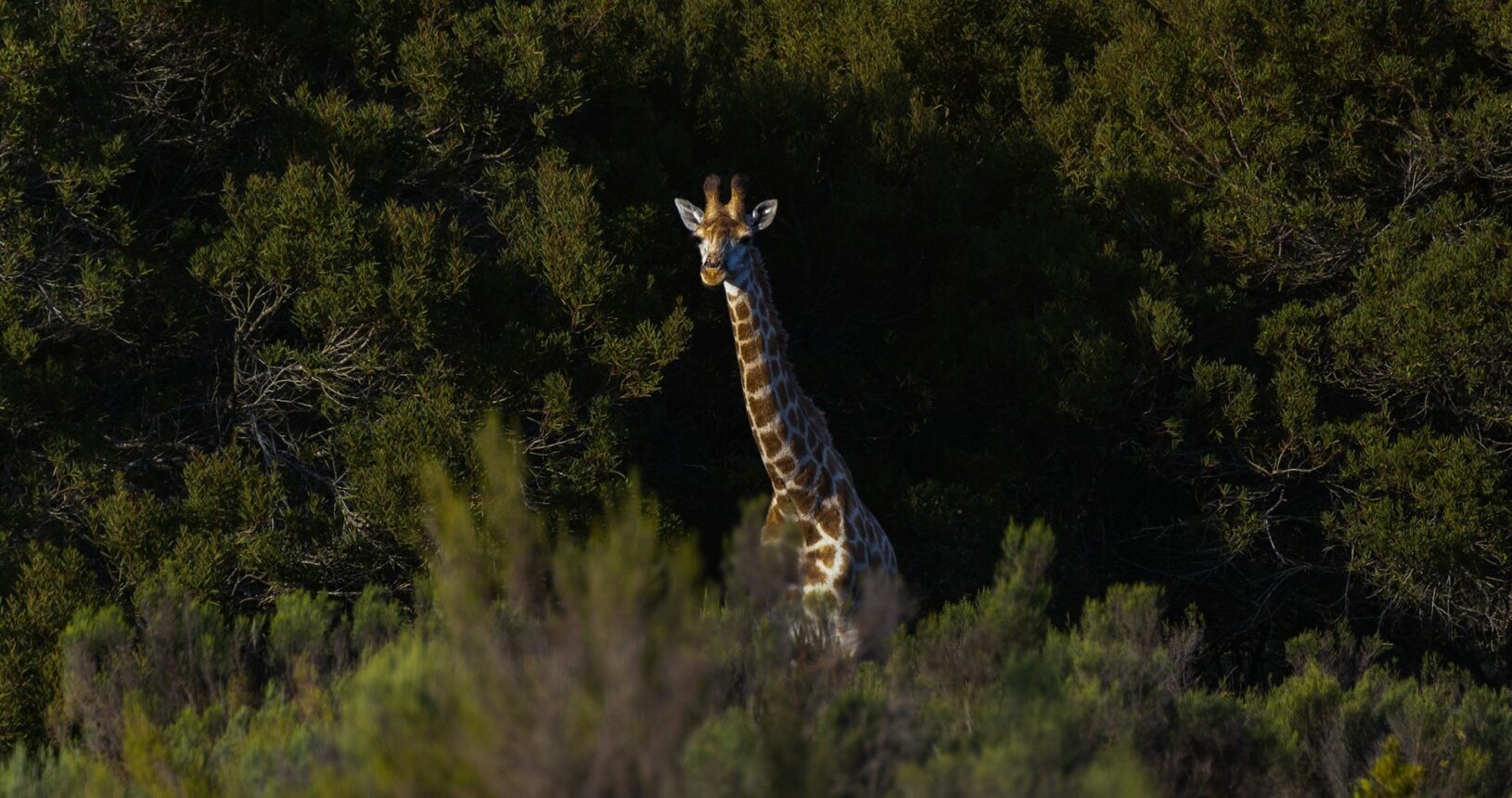
Leopards appear frequently during night drives, while lions, elephants, buffalo, giraffes, hippos, and antelope species occur throughout the park.
The Luangwa River attracts wildlife consistently during the dry season, which creates excellent game-viewing opportunities.
South Luangwa also pioneered the walking safari, which allows travellers to engage more deeply with the ecosystem.
Wildlife in Lower Zambezi National Park
River-Based Safari Ecosystems
Lower Zambezi National Park combines river wildlife with woodland habitats and floodplain systems.
Elephants, buffalo, hippos, crocodiles, lions, and leopards move regularly through the area surrounding the Zambezi River.
Boat safaris and canoe safaris create unique wildlife perspectives from water level.
Birdlife remains exceptionally strong due to the combination of river channels and woodland ecosystems.
Wildlife in Kafue National Park
Vast Wilderness and Ecological Diversity
Kafue National Park ranks among Africa’s largest national parks and supports extraordinary wildlife diversity.
The Busanga Plains attract lions, buffalo, antelope, and birdlife across seasonal floodplain systems.
Woodland areas support elephants, leopards, cheetahs, and rare antelope species.
Because tourism remains relatively low, wildlife encounters in Kafue often feel remote and highly authentic.
Seasonal Wildlife Movement
Dry Season and Green Season Changes
Wildlife behaviour in Zambia changes significantly throughout the year.
During the dry season between May and October, animals gather near rivers, lagoons, and permanent water sources. This creates excellent wildlife viewing conditions because species concentrate into smaller areas.
The green season between November and April transforms the landscape into lush vegetation with widespread water availability. Wildlife disperses more broadly, but birdlife and newborn animals increase significantly.
Migration activity in Liuwa Plain and Kasanka also occurs during seasonal transitions linked to rainfall patterns.
Each season creates different wildlife experiences across the country.
Why Zambia is Exceptional for Wildlife Safaris
Zambia offers wildlife experiences that feel untamed, immersive, and deeply connected to nature. The country protects enormous ecosystems while maintaining low visitor density, which allows travellers to experience wildlife without excessive safari traffic or crowded sightings.
Walking safaris, canoe safaris, river exploration, and strong guiding traditions create deeper engagement with wildlife and ecosystems.
Travellers looking for authentic African wilderness and meaningful safari experiences often consider Zambia one of the continent’s most rewarding wildlife destinations.
In Africa’s national parks, every sunrise paints a masterpiece — where the wild’s call echoes across endless horizons. Visiting these parks is to witness nature in its purest form, a timeless dance that stirs the soul.
Steps to Book Your Southern Africa Tour
Choose Your Adventure
Confirm Your Booking
Begin Your Journey
Ready to plan your tailor-made safari?