Medical Emergencies in Zambia
February 1, 2026
The Cultures of Zambia
February 1, 2026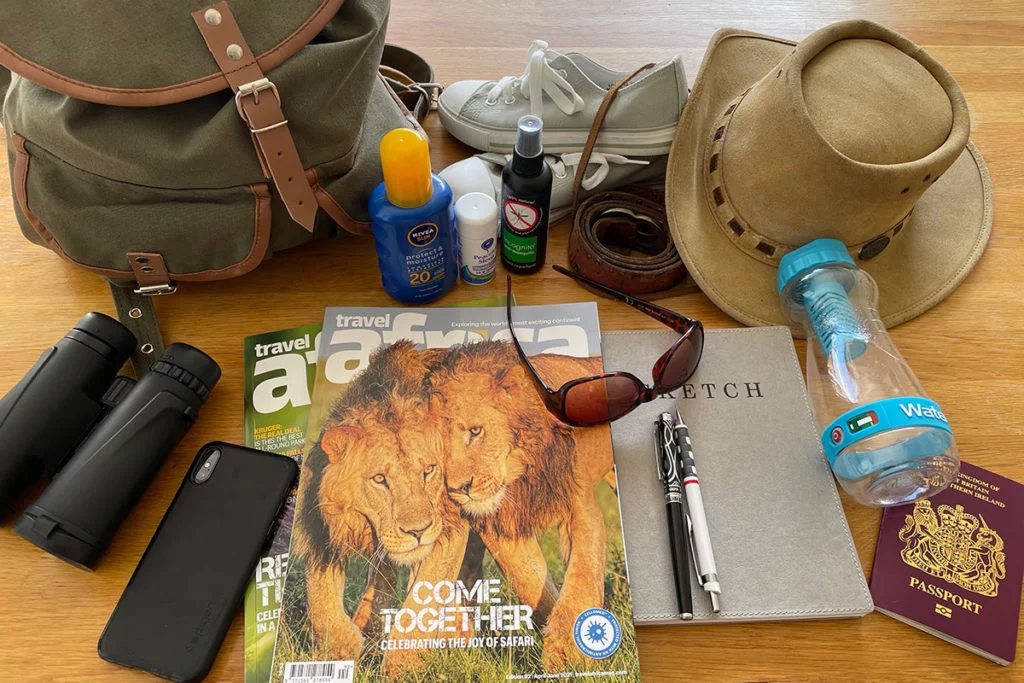
Packing List for Zambia
Packing for Zambia requires more planning than a standard beach or city holiday because most travellers spend long hours outdoors in changing weather conditions and remote safari environments. A safari in Zambia often includes early morning game drives, walking safaris, river excursions, bush dinners, domestic flights on small aircraft, and evenings in open wilderness camps. Your packing choices directly affect your comfort throughout the journey.
Many first-time safari travellers either overpack or bring clothing that does not suit Zambia’s climate and safari conditions. Heavy suitcases, bright clothing, and unnecessary fashion items quickly become inconvenient during bush travel. Zambia’s safari atmosphere remains relaxed and practical, even in luxury lodges, so comfort and functionality matter much more than formal dressing.
The country experiences distinct dry and green seasons, and each season changes the type of clothing and equipment travellers should carry. Dry months bring cooler mornings, dusty roads, and strong daytime sun, while green season travel introduces rain showers, humidity, and lush vegetation.
A well-organised packing list helps travellers move comfortably between parks such as South Luangwa, Lower Zambezi, Kafue, and Livingstone without carrying unnecessary weight or forgetting important essentials.
Why Book This Destination
Explore More about Packing List for Zambia
Choosing the Right Safari Clothing
Comfortable Clothing Makes Safari Travel Easier
Clothing for Zambia should feel comfortable during long outdoor activities while also protecting you from sun exposure, insects, dust, and changing temperatures. Most safari days begin before sunrise when temperatures can feel surprisingly cold, especially between June and August. By midday, temperatures often become much warmer, particularly in the Lower Zambezi Valley and South Luangwa.
Lightweight layers work best because they allow travelers to adjust easily throughout the day. Breathable long-sleeved shirts help protect against insects and direct sunlight during game drives and walking safaris. Comfortable safari trousers also provide better protection than shorts when walking through bush areas or sitting for extended periods in open vehicles.
Neutral colors such as khaki, olive green, beige, brown, and grey remain ideal for safari environments because they blend naturally into the surroundings. Bright colors can distract wildlife and may attract insects in some conditions.
Travelers do not need expensive safari fashion. Simple, practical, and breathable clothing works far better than heavy or overly styled outfits during wilderness travel.
Why Layering Matters in Zambia
Temperatures Change Throughout the Day
One of the most common safari packing mistakes involves underestimating Zambia’s early morning temperatures. Game drives usually begin before sunrise, and open safari vehicles expose travelers directly to cold air during movement through the bush.
A fleece jacket or lightweight insulated layer becomes extremely useful during these early hours. Many travellers also appreciate carrying a lightweight scarf or buff because dusty roads and cold air can become uncomfortable during longer drives.
As temperatures rise later in the day, travelers can remove outer layers and remain comfortable in lighter clothing.
This layering system works especially well because it prevents overpacking while still preparing travelers for Zambia’s changing daily conditions.
Footwear for Safaris and Outdoor Activities
Shoes Should Prioritise Comfort and Support
Footwear becomes extremely important during safari travel because travelers spend significant time moving around camps, climbing in and out of vehicles, exploring bush paths, and sometimes participating in walking safaris.
Comfortable walking shoes or lightweight hiking boots usually provide the best balance between support and flexibility. Walking safaris in places such as South Luangwa often involve uneven ground, dry riverbeds, grasslands, and woodland trails, so stable footwear improves both comfort and safety.
Travelers should also pack lightweight sandals or casual shoes for relaxing at safari lodges during afternoons and evenings.
Heavy mountaineering boots rarely make sense for standard Zambia safaris because they feel too hot and bulky in most conditions.
Well-worn comfortable shoes always work better than brand-new footwear during safari travel.
Preparing for Zambia’s Sun and Weather Conditions
Protection from Heat, Dust, and Rain
The African sun can feel intense during safari activities, especially during the dry season when skies remain clear for long periods. Strong sun protection becomes essential throughout the journey.
A wide-brimmed hat helps protect the face and neck during game drives and bush walks, while sunglasses reduce glare during long outdoor hours. High-quality sunscreen also becomes necessary because travelers spend extended time exposed to direct sunlight in open vehicles and boats.
Dust forms another important part of dry season travel in Zambia. Parks such as South Luangwa and Kafue can become very dusty late in the season due to dry roads and safari traffic. A scarf, buff, or lightweight face covering often improves comfort significantly during long drives.
Travellers visiting during the green season between November and April should also carry a compact rain jacket because sudden tropical showers occur regularly during this period.
Health and Medical Essentials for Zambia
Travel health preparation is extremely important.
Travelers visiting Zambia should prepare carefully for health protection, especially because many safari camps operate in remote wilderness areas far from major hospitals and pharmacies.
Malaria prevention remains one of the most important parts of safari preparation. Visitors should consult a travel doctor before departure and carry prescribed malaria medication according to professional advice.
Insect repellent containing DEET or similar strong protection helps reduce mosquito bites, especially during evenings near rivers and wetlands.
A small medical kit also improves travel convenience. Basic pain relief medication, anti-diarrhea tablets, hand sanitizer, blister plasters, allergy medication, and antiseptic cream often become useful during long safari journeys.
Travelers who take regular prescription medication should carry enough supplies for the entire trip along with copies of prescriptions in case of emergencies.
Electronics and Photography Equipment
Zambia Offers Excellent Wildlife Photography Opportunities
Most travellers visiting Zambia take far more photographs than they initially expect because the country provides extraordinary wildlife and landscape photography opportunities.
A good camera with a zoom lens helps capture wildlife at comfortable distances during game drives and river safaris. Travelers should also carry spare batteries and extra memory cards because charging opportunities may become limited in remote camps that rely on solar energy.
Binoculars also make a major difference during safaris. Many wildlife sightings occur at distance, especially birdlife and predators resting away from roads or riverbanks. Good binoculars allow travelers to appreciate behavior and details that cameras alone may not always capture immediately.
Portable power banks help keep phones and smaller electronics charged during transfers between camps and domestic flights.
Packing Light for Domestic Safari Flights
Small Aircraft Require Flexible Luggage
Many safari itineraries in Zambia involve domestic bush flights between national parks. These flights often operate using small aircraft with strict luggage limits and limited storage space.
Soft-sided duffel bags work far better than hard-shell suitcases because they fit more easily into small aircraft compartments. Flexible bags also simplify loading and unloading during safari transfers.
Travelers should avoid overpacking because most safari lodges offer laundry services. Carrying fewer clothes but washing them during the trip usually creates a far more comfortable travel experience.
Light and practical luggage makes movement between camps significantly easier.
What Travellers Often Forget to Pack
Small Essentials That Improve Comfort
Several small items can improve safari comfort far more than travelers initially expect.
Lip balm helps prevent dryness during dusty game drives. Reusable water bottles remain useful during transfers and bush walks. Moisturizer also becomes valuable because dry season conditions can feel harsh on the skin after several days outdoors.
A small flashlight or headlamp often proves helpful in camps where pathways remain lightly lit at night for wilderness atmosphere and wildlife safety.
Travelers also benefit from carrying a lightweight day bag for cameras, water bottles, sunscreen, and personal items during activities.
Dressing for Safari Evenings
Safari Lodges Keep a Relaxed Atmosphere
Even luxury safari camps in Zambia maintain a relaxed and informal atmosphere during evenings. Travelers do not need formal clothing or expensive dinner outfits.
Comfortable casual wear works perfectly well for dinners and relaxation around camp lounges or riverside decks.
Temperatures can cool down quickly after sunset during the dry season, especially in June and July, so a light sweater or jacket becomes useful during evening meals and fireside gatherings.
The safari experience in Zambia focuses much more on wilderness immersion than formal luxury presentation.
Why Smart Packing Improves Your Zambia Safari
Packing properly for Zambia creates a smoother, safer, and more enjoyable safari experience. Comfortable clothing, practical footwear, light luggage, and proper health preparation allow travelers to focus fully on wildlife, landscapes, and adventure rather than discomfort or missing essentials.
Zambia’s safari style feels adventurous, immersive, and connected to nature, so travelers benefit most when they pack with simplicity, flexibility, and practicality in mind.
In Africa’s national parks, every sunrise paints a masterpiece — where the wild’s call echoes across endless horizons. Visiting these parks is to witness nature in its purest form, a timeless dance that stirs the soul.
Steps to Book Your Southern Africa Tour
Choose Your Adventure
Confirm Your Booking
Begin Your Journey
Ready to plan your tailor-made safari?