Remote safaris in Zambia
February 1, 2026
Walking
February 1, 2026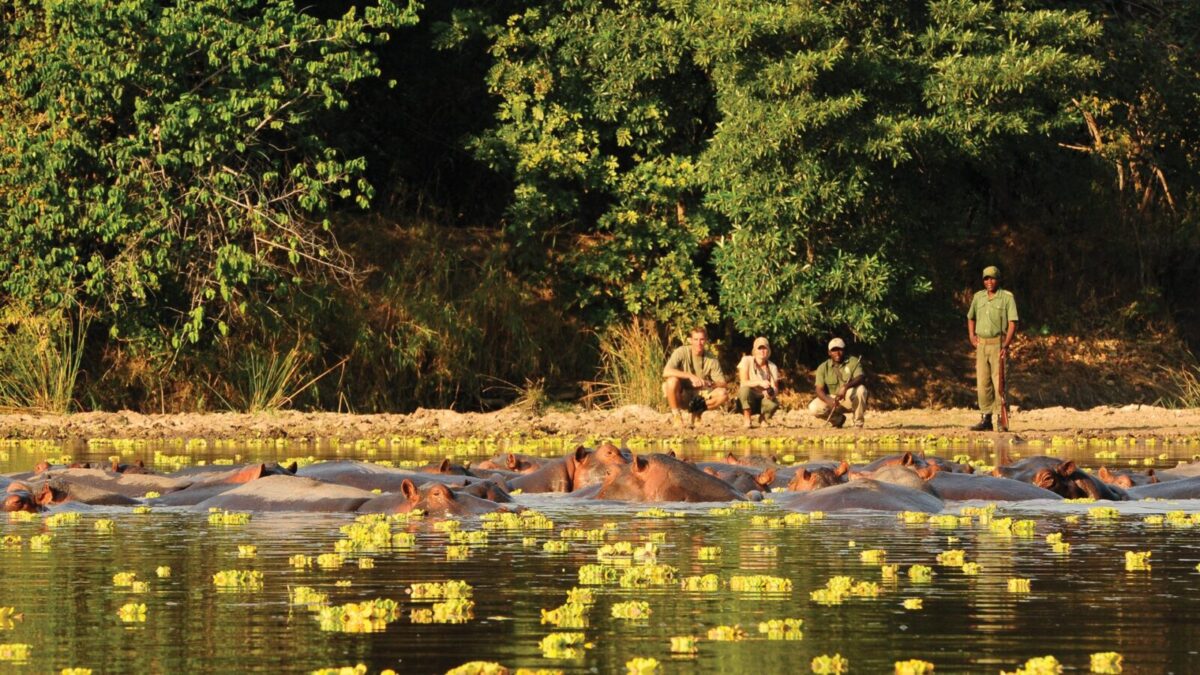
Home / Destinations / Zambia / Experiences in Zambia /
Sustainable Tourism in Zambia
Sustainable tourism in Zambia plays a major role in protecting the country’s wildlife, wilderness ecosystems, and local communities. Zambia has built much of its safari industry around low-impact tourism, conservation-focused travel, and responsible safari operations that help preserve natural environments while supporting local livelihoods. This approach has allowed many national parks and remote wilderness areas to remain relatively untouched compared to heavily commercialised safari destinations elsewhere in Africa.
The country’s tourism model focuses strongly on balancing conservation with visitor experience. Many safari camps operate with small guest numbers, environmentally conscious infrastructure, and close partnerships with surrounding communities. This creates a style of travel that feels more authentic, less crowded, and more connected to the natural environment.
Sustainable tourism in Zambia goes far beyond wildlife protection alone. Responsible safari operations also support education, employment, healthcare, anti-poaching programs, community development, and habitat preservation across many rural regions.
Travellers increasingly choose Zambia because the country offers safari experiences that feel both meaningful and environmentally responsible.
Why Book This Destination
Explore More about Sustainable Tourism in Zambia
Why Sustainability Matters in Zambia
Protecting Wildlife and Wilderness Areas
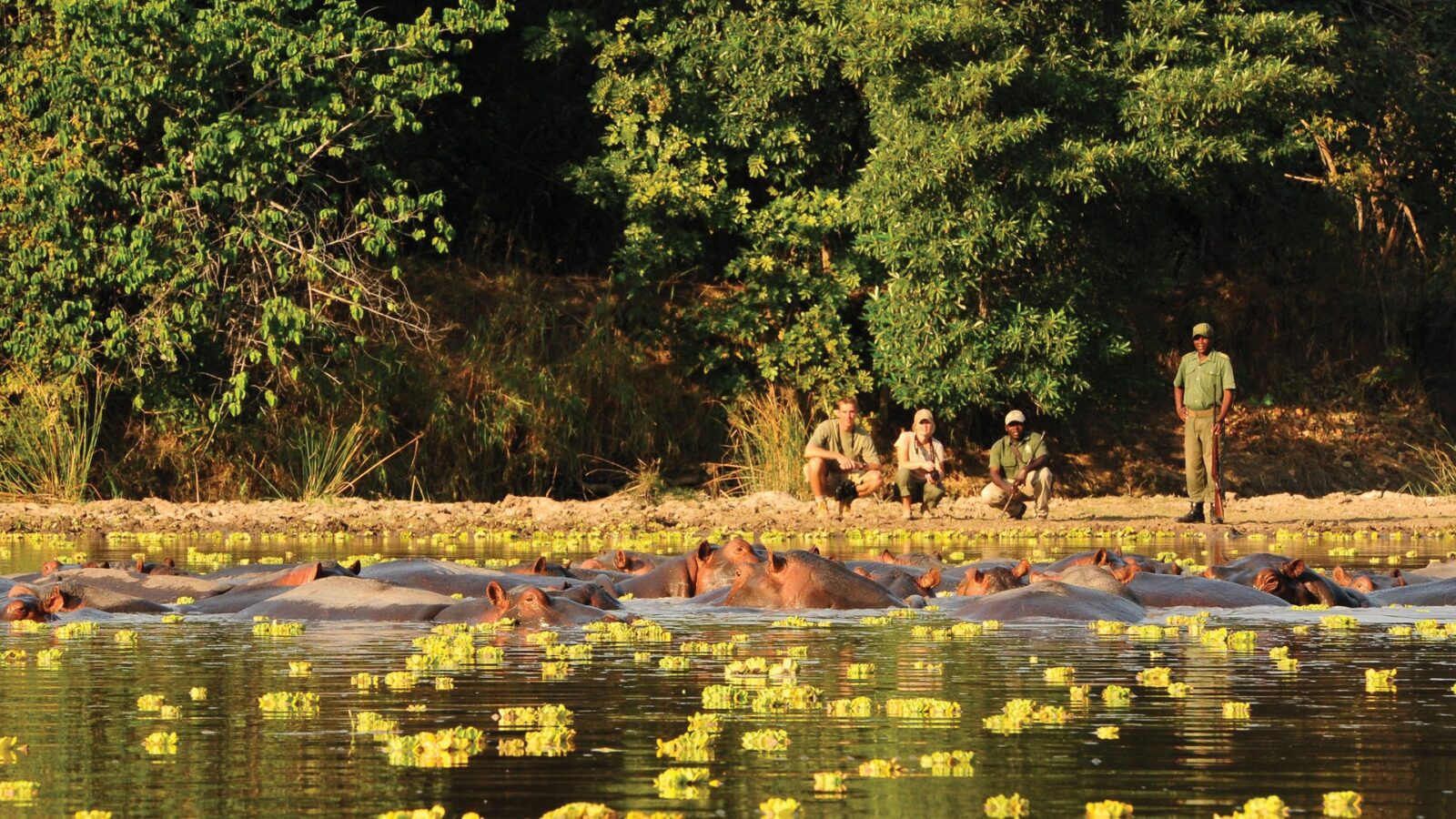
Zambia contains enormous ecosystems that support elephants, lions, leopards, wild dogs, buffalo, hippos, birdlife, and countless other species. These habitats depend heavily on long-term conservation protection because wildlife movement extends across rivers, forests, floodplains, and remote landscapes.
Tourism helps fund many of these conservation efforts through park fees, lodge operations, conservation partnerships, and employment opportunities linked directly to protected areas.
Without sustainable tourism, many wilderness regions would face greater pressure from poaching, habitat loss, deforestation, and unsustainable land use.
Responsible tourism creates economic value for conservation while encouraging long-term environmental protection.
This relationship between tourism and conservation forms the foundation of Zambia’s safari industry.
Low-Impact Safari Tourism
Smaller Camps and Fewer Crowds
One of Zambia’s greatest strengths lies in its low-impact safari model. Many safari camps intentionally maintain small guest numbers to reduce environmental pressure and preserve wilderness atmosphere.
Instead of building massive resort-style developments inside national parks, Zambia focuses heavily on intimate bush camps and eco-conscious lodges positioned carefully within natural environments.
This approach reduces overcrowding, limits habitat disruption, and creates quieter wildlife experiences for travelers.
In parks such as South Luangwa, Lower Zambezi, and Kafue, visitors often spend hours exploring wilderness areas without encountering large numbers of vehicles or tourist congestion.
Low-impact tourism also improves wildlife behavior because animals experience less stress from excessive human activity.
Conservation Through Safari Tourism
Tourism Supports Wildlife Protection
Many safari operators in Zambia actively support conservation programs linked directly to wildlife protection and habitat management.
Tourism revenue helps fund anti-poaching patrols, wildlife monitoring, ranger training, and ecosystem research across several national parks.
Conservation organizations often work closely with safari camps to protect endangered species such as African wild dogs, rhinos, vultures, and elephants.
Some lodges also contribute directly to conservation projects through guest levies or community partnerships.
Travelers visiting Zambia, therefore, contribute indirectly to protecting wildlife simply through responsible safari participation.
This conservation-focused tourism model has helped preserve many of Zambia’s remote wilderness ecosystems.
Community Involvement in Sustainable Tourism
Local Communities Benefit from tourism.
Sustainable tourism in Zambia depends heavily on community involvement because many safari regions border rural villages and traditional lands.
Safari camps and lodges create employment opportunities for guides, chefs, drivers, housekeepers, maintenance staff, trackers, and conservation workers from nearby communities.
Tourism also supports local agriculture, craft production, transport services, and small businesses connected to safari operations.
Several lodges invest directly in schools, healthcare projects, clean water initiatives, and vocational training programs for local residents.
When communities benefit economically from conservation and tourism, support for wildlife protection increases significantly.
This partnership between tourism and local communities strengthens long-term sustainability across Zambia’s safari regions.
Sustainable Safari Camps and Lodges
Eco-Conscious Wilderness Accommodation
Many safari lodges in Zambia incorporate environmentally responsible design and operational practices into daily management.
Solar energy powers numerous remote camps because wilderness locations often sit far from national electricity infrastructure.
Some lodges reduce plastic waste, recycle water, use eco-friendly construction materials, and limit unnecessary environmental disturbance around camps.
Open-air designs also reduce energy consumption while allowing guests to remain closely connected to the surrounding environment.
Several luxury camps balance high comfort standards with strong sustainability principles rather than excessive resource use.
This eco-conscious approach fits naturally within Zambia’s wilderness-focused safari identity.
Responsible Wildlife Viewing
Ethical Safari Experiences Matter
Sustainable tourism also includes responsible wildlife viewing practices that prioritize animal welfare and ecosystem protection.
Professional safari guides in Zambia follow regulations designed to minimize wildlife disturbance during game drives, walking safaris, and boat excursions.
Vehicles maintain safe distances from animals, and guides avoid overcrowding sightings or interfering with natural behavior.
Walking safaris operate under strict professional standards to ensure both guest safety and wildlife respect.
Responsible wildlife tourism helps preserve natural animal behavior while creating more authentic safari experiences for visitors.
Cultural Sustainability
Preserving Local Traditions and Heritage
Tourism in Zambia also supports cultural preservation through respectful community engagement and traditional experiences.
Visitors often participate in village visits, cultural performances, traditional ceremonies, and local craft markets that provide economic opportunities linked to cultural heritage.
Responsible tourism encourages younger generations to maintain traditional skills, languages, music, dance, and artistic practices.
Cultural sustainability helps communities preserve identity while benefiting from tourism in respectful and meaningful ways.
This balance strengthens both local pride and visitor understanding of Zambia’s diverse cultural traditions.
Sustainable Activities in Zambia
Exploring Nature Responsibly
Many safari activities in Zambia naturally support sustainable travel because they focus on low-impact wilderness exploration.
Walking safaris create minimal environmental disturbance compared to larger vehicle-based tourism systems.
Canoe safaris allow quiet movement through river ecosystems without major environmental impact.
Birdwatching, photography, and guided nature walks also encourage deeper appreciation for ecosystems and conservation awareness.
Travellers seeking environmentally responsible travel often find Zambia especially rewarding because of its immersive and conservation-focused safari experiences.
Challenges Facing Sustainable Tourism
Balancing Conservation and Development
Despite Zambia’s strong sustainability model, challenges still exist across the tourism and conservation sector.
Poaching, illegal fishing, deforestation, climate change, and economic pressures continue affecting wildlife habitats and rural communities in some regions.
Infrastructure development must also balance tourism growth with environmental protection.
Maintaining low-impact tourism while expanding economic opportunity requires careful planning and long-term conservation commitment.
Many conservation organizations and safari operators continue working together to address these challenges responsibly.
How Travellers Can Support Sustainable Tourism
Responsible Choices Make a Difference
Travellers can contribute positively to sustainable tourism in Zambia by choosing responsible safari operators and environmentally conscious lodges.
Supporting camps that employ local staff, contribute to conservation programs, and follow ethical wildlife viewing practices helps strengthen sustainable tourism systems.
Travelers should also respect local cultures, reduce plastic waste, conserve water, and follow park regulations during safari activities.
Even small responsible choices help protect Zambia’s wildlife and communities for future generations.
Why Zambia Stands Out for Sustainable Tourism
Zambia remains one of Africa’s leading examples of conservation-focused safari tourism because the country prioritizes wilderness preservation, low visitor density, community involvement, and responsible travel practices.
The safari experience feels more natural, quieter, and more meaningful because sustainability shapes much of the tourism industry’s structure and philosophy.
Travellers looking for authentic safari experiences connected strongly to conservation and environmental responsibility often consider Zambia one of Africa’s most rewarding destinations.
In Africa’s national parks, every sunrise paints a masterpiece — where the wild’s call echoes across endless horizons. Visiting these parks is to witness nature in its purest form, a timeless dance that stirs the soul.
Steps to Book Your Southern Africa Tour
Choose Your Adventure
Confirm Your Booking
Begin Your Journey
Ready to plan your tailor-made safari?