Sustainable tourism in Zambia
February 1, 2026
Zambia Birding
February 1, 2026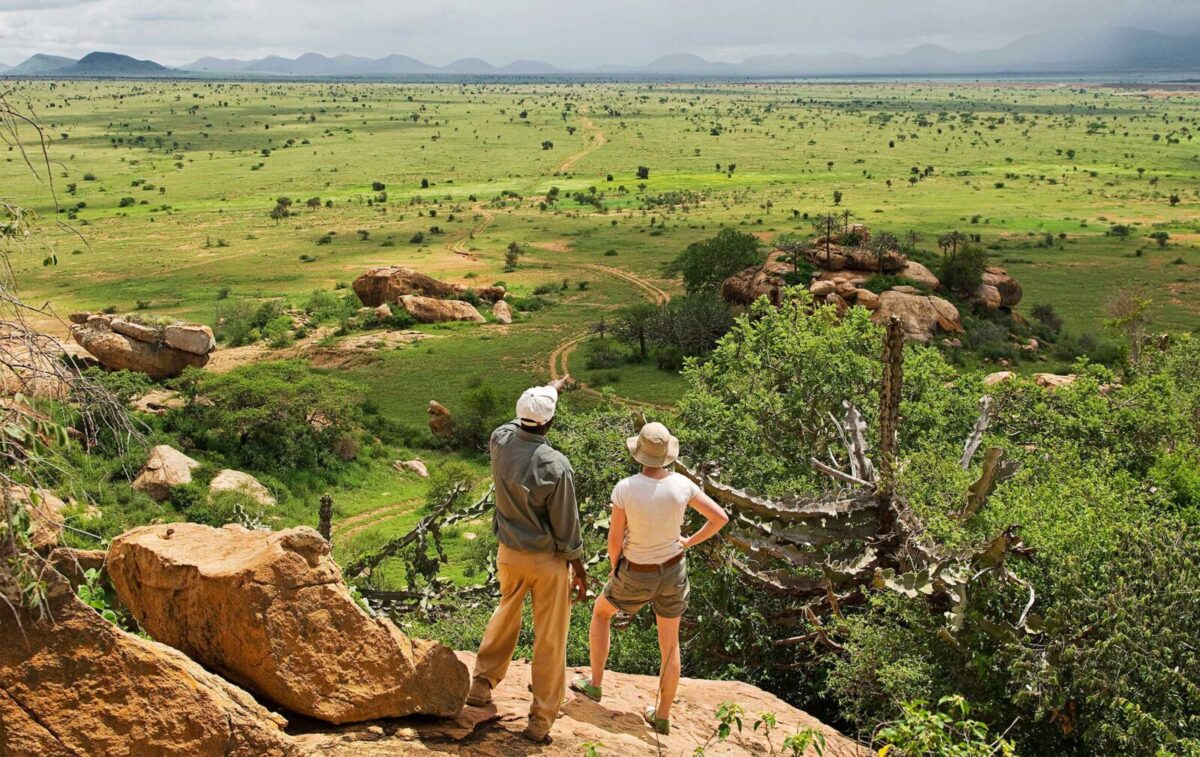
Home / Destinations / Zambia / Experiences in Zambia /
Walking Safaris in Zambia
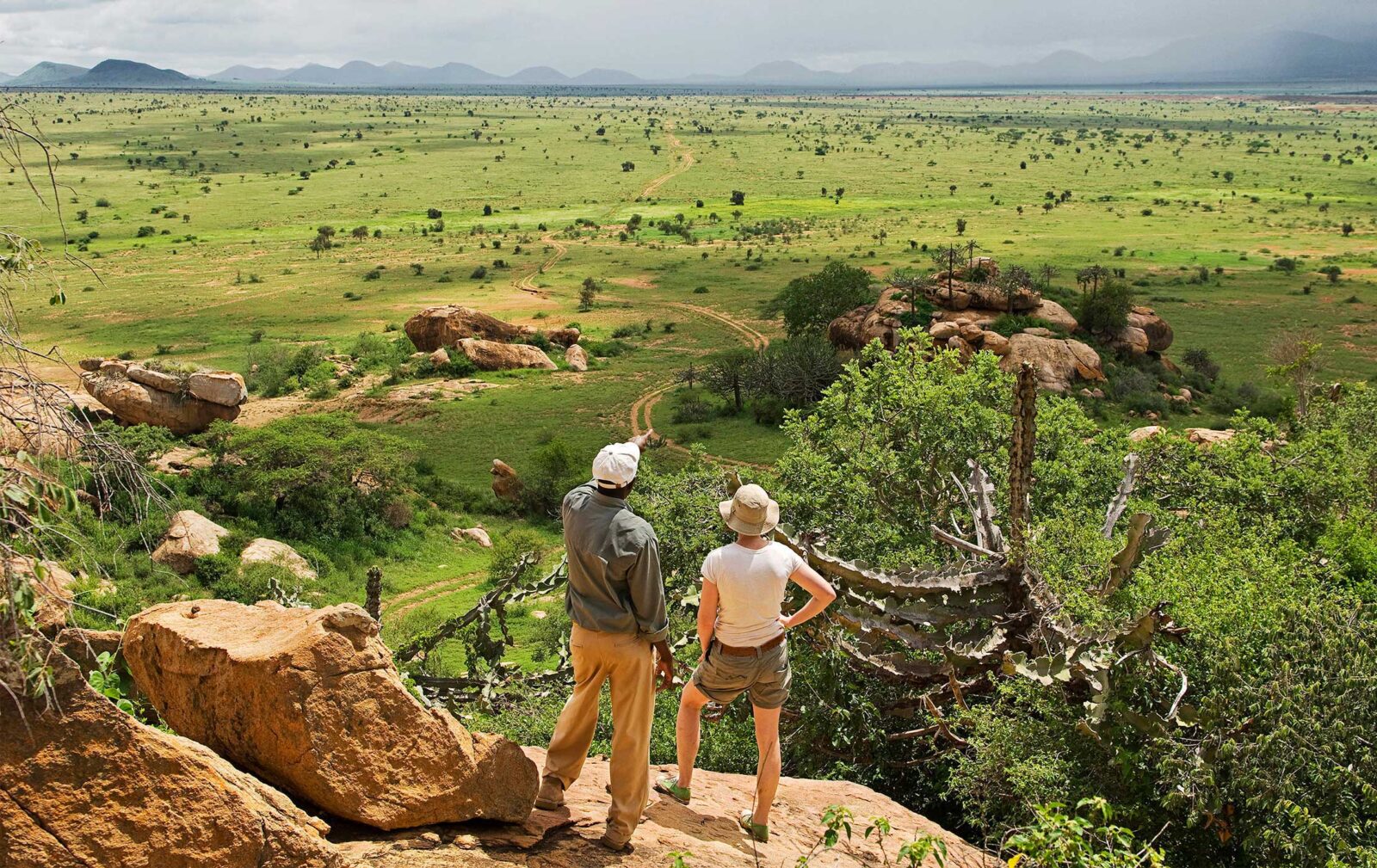
Zambia stands among Africa’s greatest walking safari destinations because the country pioneered the modern walking safari experience and continues to offer some of the continent’s most authentic wilderness exploration. Unlike traditional game drives where travellers remain inside vehicles, walking safaris place visitors directly within the natural environment, allowing them to experience the African bush through sight, sound, scent, and movement.
Walking through Zambia’s wilderness creates a far deeper connection with nature because travellers begin to notice details that vehicles often miss. Animal tracks in soft soil, alarm calls from birds, fresh predator signs, medicinal plants, insect behaviour, and changing wind direction all become part of the safari experience. The pace slows naturally, and the bush starts to feel alive in a completely different way.
Zambia’s national parks provide ideal conditions for walking safaris because many wilderness areas remain remote, uncrowded, and ecologically intact. South Luangwa National Park, Lower Zambezi National Park, and North Luangwa National Park lead the country’s walking safari experiences with highly trained guides and extraordinary wildlife environments.
For many experienced safari travellers, walking safaris in Zambia become the most memorable part of the entire journey because they create a stronger sense of immersion, awareness, and adventure.
Why Book This Destination
Explore More about Walking Safaris in Zambia
Why Zambia is Famous for Walking Safaris
The Birthplace of the Modern Walking Safari
Walking safaris in Zambia developed from conservation and guiding traditions established in the Luangwa Valley decades ago. Norman Carr, one of Africa’s pioneering conservationists and safari guides, helped shape the idea that travelers could experience wildlife responsibly on foot while learning deeply about ecosystems and conservation.
This philosophy transformed safari travel in Zambia and eventually influenced wilderness tourism across Africa.
Today, Zambia continues to maintain some of the highest walking safari standards on the continent. Professional guides undergo extensive training in wildlife behavior, ecology, tracking, safety procedures, and bush interpretation before leading guests into the wilderness.
The focus extends far beyond simply seeing animals. Walking safaris teach travellers how ecosystems function and how wildlife interacts with the surrounding environment.
This educational and immersive approach defines Zambia’s walking safari identity.
What Makes Walking Safaris Different
Experiencing the Bush Beyond Game Drives
Traditional game drives often focus on covering large areas in search of major wildlife sightings. Walking safaris create a completely different rhythm and perspective.
Travelers move slowly through the landscape while paying attention to smaller details that shape the ecosystem. Guides explain animal tracks, bird calls, termite mounds, plants, trees, soil patterns, and predator behavior along the route.
Wildlife encounters feel far more intense on foot because there is no vehicle separating travelers from the surrounding environment.
Even seeing giraffes feeding quietly nearby or elephants moving through woodland creates a powerful sense of closeness and respect.
Walking safaris also sharpen awareness because travelers rely more heavily on observation, listening, and environmental understanding throughout the experience.
South Luangwa National Park
Zambia’s Premier Walking Safari Destination
South Luangwa National Park remains the most famous walking safari destination in Zambia and one of the best in Africa.
The park’s combination of river systems, woodlands, lagoons, and floodplains creates excellent conditions for both wildlife viewing and bush walking. Elephants, giraffes, buffalo, antelope, zebras, and countless bird species move throughout the park’s varied habitats.
Experienced guides lead small groups through carefully selected areas while armed wildlife scouts provide additional security during walks.
South Luangwa’s low tourism density enhances the experience because walking routes often feel completely remote and untouched.
Many luxury and midrange safari camps in South Luangwa specialize in multi-day walking safari experiences where travelers move between bush camps on foot.
This style of safari creates a strong sense of adventure and wilderness immersion.
Walking Safaris in Lower Zambezi
River Landscapes and Wildlife Encounters
Lower Zambezi National Park offers a different walking safari atmosphere shaped by river ecosystems, open woodland, and escarpment scenery.
Walks in this region often include sightings of elephants, buffalo, antelope, and birdlife along the Zambezi River system.
The changing terrain creates varied walking experiences where travelers move between floodplains, forests, and riverbanks while learning about animal movement and ecological relationships.
Lower Zambezi also combines walking safaris with canoe safaris and boat excursions, which creates a highly diverse wilderness experience.
The combination of river scenery and wildlife movement gives this region exceptional safari character.
North Luangwa National Park
Remote and Wild Safari Exploration
North Luangwa National Park provides one of Zambia’s most remote and untouched walking safari experiences.
Tourism remains extremely limited in this park, which allows travelers to explore wilderness areas with almost no vehicle traffic or crowd presence.
The park supports strong wildlife populations, including buffalo, elephants, lions, leopards, and antelope species.
Walking safaris here feel adventurous and highly exclusive because the environment remains deeply wild and largely undeveloped.
Travelers seeking raw wilderness immersion often consider North Luangwa one of Africa’s finest walking safari destinations.
Wildlife Encounters on Foot
Seeing Animals from Ground Level
Wildlife encounters during walking safaris feel very different compared to viewing animals from vehicles.
Travelers often approach wildlife cautiously under guide supervision while observing behavior, movement patterns, and environmental interaction.
Guides maintain safe distances and constantly assess animal behavior during walks.
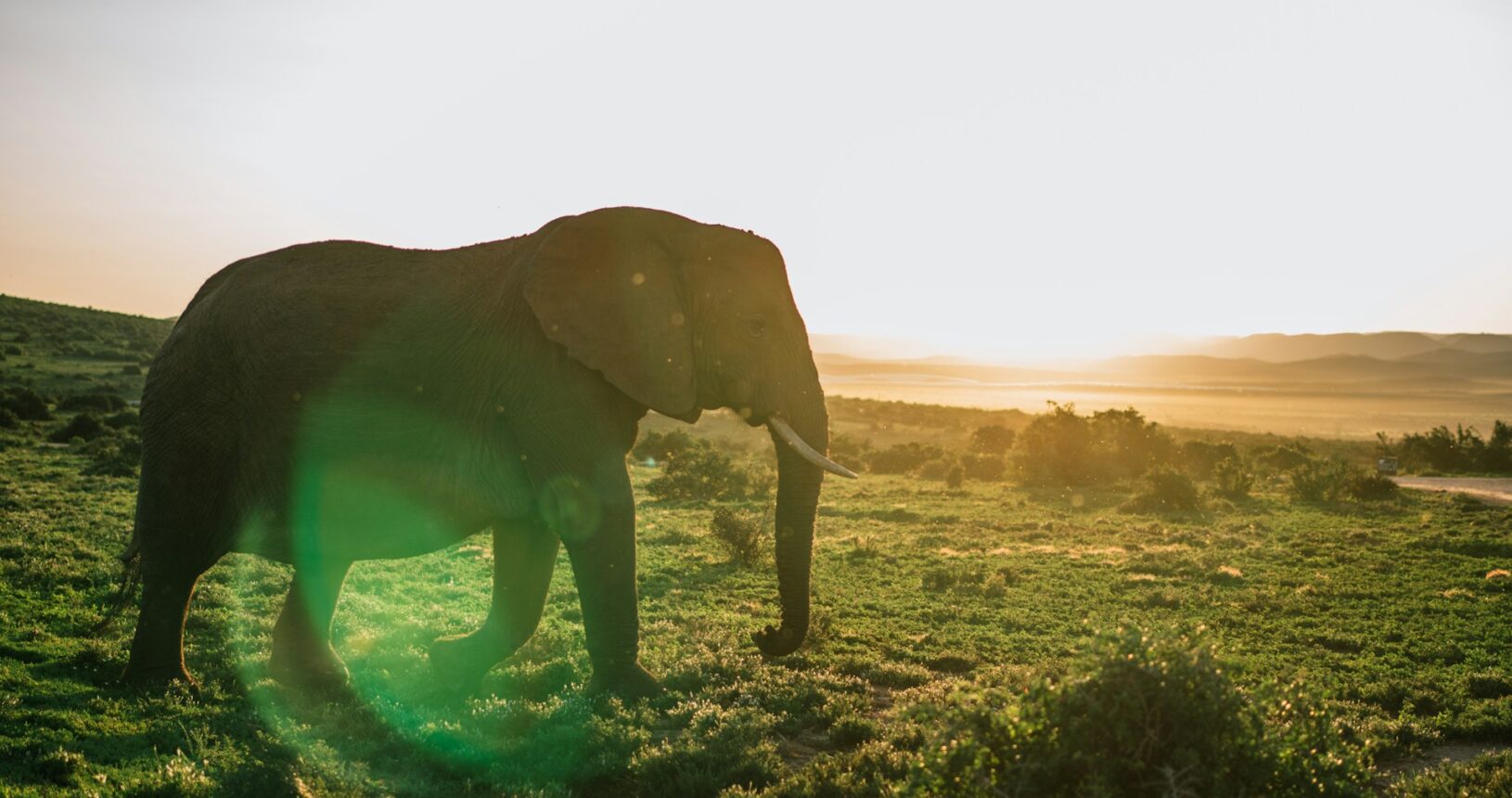
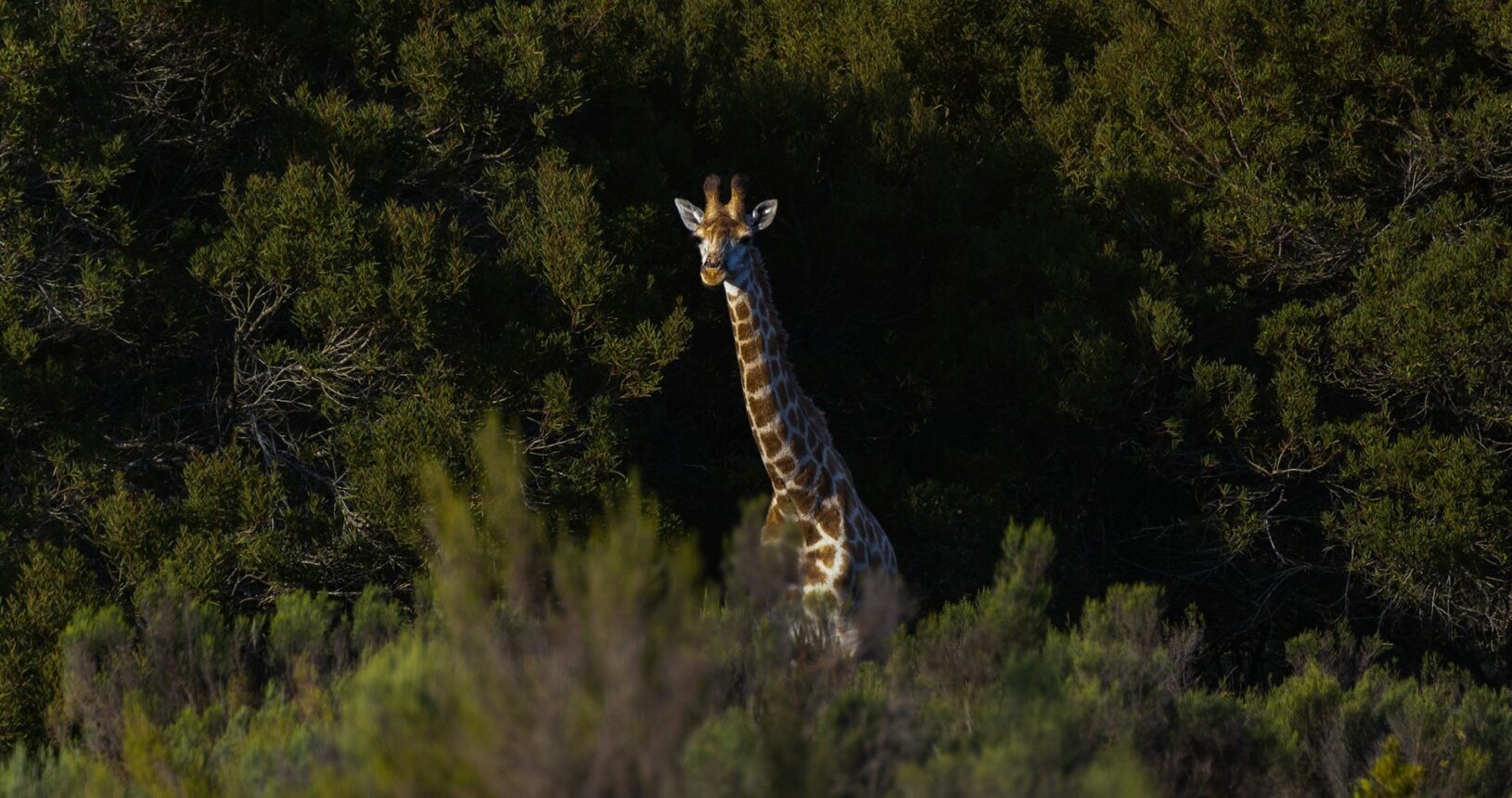
Elephants may appear, feeding quietly through woodland. Giraffes sometimes stop and observe from a distance. Antelope move through grasslands while birds call overhead from riverine trees.
Predator sightings occur less frequently on foot than during vehicle safaris, but the overall sense of wilderness immersion becomes much stronger.
Walking safaris focus more on understanding nature rather than chasing constant large-animal sightings.
Safety During Walking Safaris
Highly Trained Guides Lead Every Walk
Safety remains central to Zambia’s walking safari operations. Professional guides receive extensive training and understand how to read animal behavior, environmental conditions, and potential risks in the bush.
Armed wildlife scouts usually accompany guests during walks, especially in areas with large animals such as buffalo and elephants.
Travelers receive safety briefings before activities begin and must follow guide instructions carefully throughout the experience.
Walking safaris maintain small group sizes, which allows guides to manage movement and communication effectively.
Serious incidents remain extremely rare because professional guiding standards in Zambia remain exceptionally high.
Best Time for Walking Safaris in Zambia
Dry Season Provides Ideal Conditions
The dry season between May and October offers the best walking safari conditions in Zambia.
Vegetation becomes thinner during these months, which improves wildlife visibility and tracking opportunities. Cooler temperatures during June, July, and August also create comfortable walking conditions.
Wildlife concentrates more heavily around rivers and permanent water sources later in the dry season, especially during September and October.
The green season brings lush vegetation and beautiful scenery, but thicker bush and wetter ground can make walking more challenging in some areas.
Most specialized walking safari camps operate primarily during the dry season.
Physical Fitness and Walking Difficulty
Walking Safaris Suit Most Travellers
Many travellers assume walking safaris require extreme physical fitness, but most walks maintain a moderate and manageable pace.
Guides adapt routes according to guest ability, weather conditions, and wildlife activity.
Some multi-day walking safaris involve longer distances between camps, while shorter guided walks focus more on interpretation and relaxed exploration.
Comfortable walking shoes, breathable clothing, hydration, and sun protection help travelers enjoy the experience more fully.
Walking safaris suit travellers who enjoy nature, observation, and slower-paced exploration.
Why Walking Safaris Change the Safari Experience
Walking safaris create a level of awareness and connection that traditional game drives rarely match. Travelers begin to understand ecosystems rather than simply observe wildlife from a distance.
The experience encourages patience, attention, and respect for the natural world.
Every sound, track, scent, and movement becomes meaningful within the landscape.
Zambia’s strong guiding traditions, remote wilderness areas, and conservation-focused tourism model make the country one of the finest walking safari destinations anywhere in Africa.
For travellers seeking a deeper and more immersive safari experience, walking through Zambia’s wilderness often becomes unforgettable.
In Africa’s national parks, every sunrise paints a masterpiece — where the wild’s call echoes across endless horizons. Visiting these parks is to witness nature in its purest form, a timeless dance that stirs the soul.
Steps to Book Your Southern Africa Tour
Choose Your Adventure
Confirm Your Booking
Begin Your Journey
Ready to plan your tailor-made safari?