Photographic safaris in Zambia
February 1, 2026
Sustainable tourism in Zambia
February 1, 2026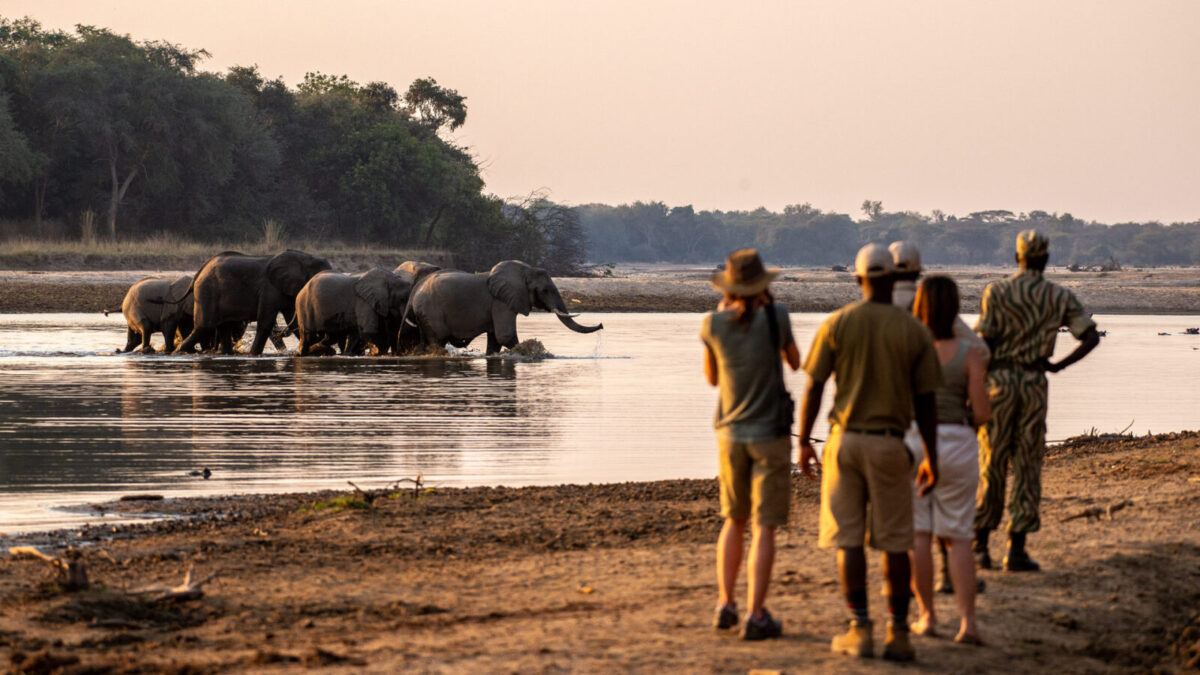
Home / Destinations / Zambia / Experiences in Zambia /
Remote Safaris in Zambia
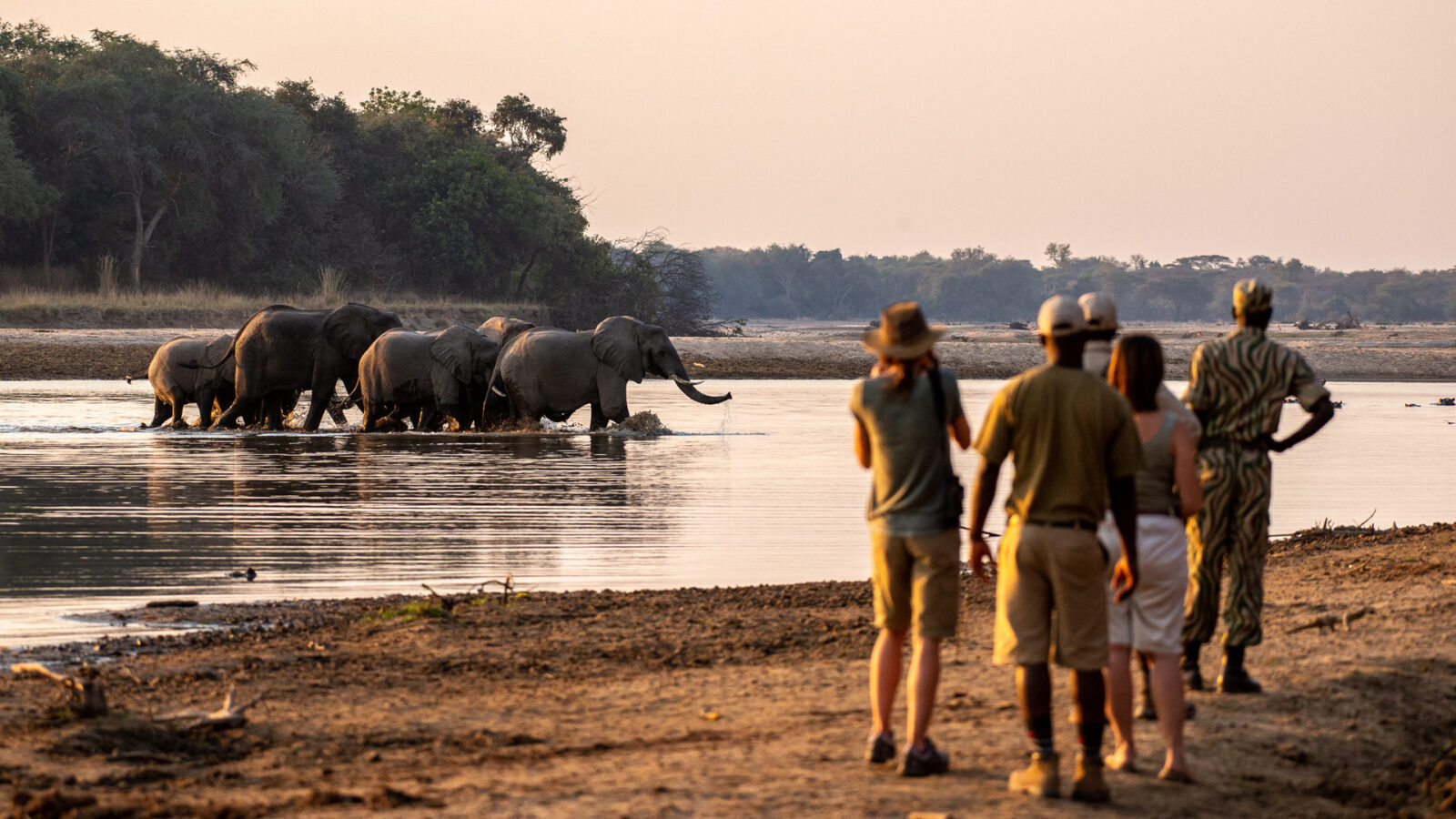
Walking safaris in Africa offer one of the most immersive ways to experience the wilderness. Instead of viewing wildlife from a vehicle, you step into the environment and move through it on foot. This shift changes everything. You notice tracks, sounds, scents, and subtle movements that often go unseen on game drives. The experience feels immediate and real, guided by awareness and connection rather than distance.
Walking safaris do not focus only on large animals. They reveal the full ecosystem, from insects and plants to birds and mammals. Each step builds a deeper understanding of how the bush functions.
Why Book This Destination
Explore More about Remote Safaris in Zambia
Remote Safaris in Zambia: Untouched
Wilderness and True Safari Isolation
Zambia offers some of Africa’s most remote safari experiences because vast areas of the country remain wild, undeveloped, and lightly visited. Unlike heavily commercialized safari destinations where large visitor numbers dominate major parks, Zambia protects enormous wilderness ecosystems where travelers can explore for hours without encountering another vehicle. This sense of remoteness defines much of the country’s safari identity and creates experiences that feel deeply authentic and connected to nature.
Remote safaris in Zambia focus on immersion rather than convenience. Travelers stay in intimate bush camps positioned far from towns, roads, and urban infrastructure. Wildlife moves freely through landscapes shaped by rivers, floodplains, forests, and seasonal migration patterns. The atmosphere feels quieter, slower, and more natural compared to busier safari circuits elsewhere in Africa.
Many visitors choose Zambia specifically because of this wilderness character. The country appeals strongly to experienced safari travelers, photographers, conservation-minded visitors, honeymoon couples, and adventurers looking for safari experiences that feel exclusive without becoming artificial or overly luxurious.
Remote travel in Zambia often combines fly-in safaris, bush camps, walking safaris, canoe expeditions, and river exploration across landscapes that remain largely untouched by mass tourism.
What Makes Zambia Ideal for Remote Safaris
Vast Wilderness with Low Visitor Numbers
One of Zambia’s greatest safari strengths lies in the sheer scale of its protected wilderness areas combined with relatively low tourism density.
National parks such as Kafue, North Luangwa, Liuwa Plain, and Lower Zambezi contain enormous ecosystems where wildlife populations move naturally across huge landscapes. Many regions have limited road networks and very few safari camps, which helps preserve a strong sense of isolation.
Travelers often experience long stretches of uninterrupted wilderness during game drives, walking safaris, and river excursions.
This lack of crowding changes the entire safari atmosphere. Wildlife encounters feel more personal, landscapes remain undisturbed, and the bush retains its natural rhythm.
Remote safaris in Zambia therefore offer both solitude and immersion in ways that few destinations still provide.
South Luangwa's Remote Bush Camps
Walking Safaris and Wilderness Exploration
Although South Luangwa National Park has become Zambia’s best-known safari destination, several parts of the park still offer remarkably remote safari experiences.
Bush camps positioned deep inside the park operate far from busier lodge areas and often remain accessible only during the dry season.
These camps specialize in walking safaris where travelers move through wilderness landscapes on foot between remote camps while guided by experienced safari professionals and armed wildlife scouts.
The experience feels adventurous and highly immersive because guests spend extended time inside untouched natural environments with minimal outside distraction.
At night, the sounds of hippos, hyenas, lions, and nocturnal wildlife create a powerful wilderness atmosphere around camp.
South Luangwa’s remote safari camps remain among Africa’s most iconic bush experiences.
North Luangwa National Park
Zambia’s Most Untouched Safari Region
North Luangwa National Park represents one of Africa’s last truly remote safari destinations.
Tourism remains extremely limited here, which allows wildlife and wilderness to dominate the landscape almost entirely. The park supports elephants, buffalo, lions, leopards, antelope species, and strong predator populations within a rugged and undeveloped ecosystem.
Walking safaris form the primary safari activity because road infrastructure remains minimal compared to larger tourism parks elsewhere in Africa.
Travelers visiting North Luangwa often experience a level of solitude and wilderness immersion that has become increasingly rare in modern safari travel.
The park appeals strongly to travelers seeking raw adventure, serious wilderness exploration, and safari experiences far removed from mainstream tourism.
Kafue National Park
Remote Wilderness on a Massive Scale
Kafue National Park ranks among Africa’s largest national parks and offers extraordinary remote safari opportunities across diverse ecosystems.
The park contains floodplains, woodlands, river systems, and open savannah landscapes spread across immense distances.
Several regions within Kafue remain extremely isolated, particularly around the Busanga Plains and northern sectors where tourism infrastructure remains limited.
Travellers exploring Kafue often experience game drives without encountering other vehicles for long periods.
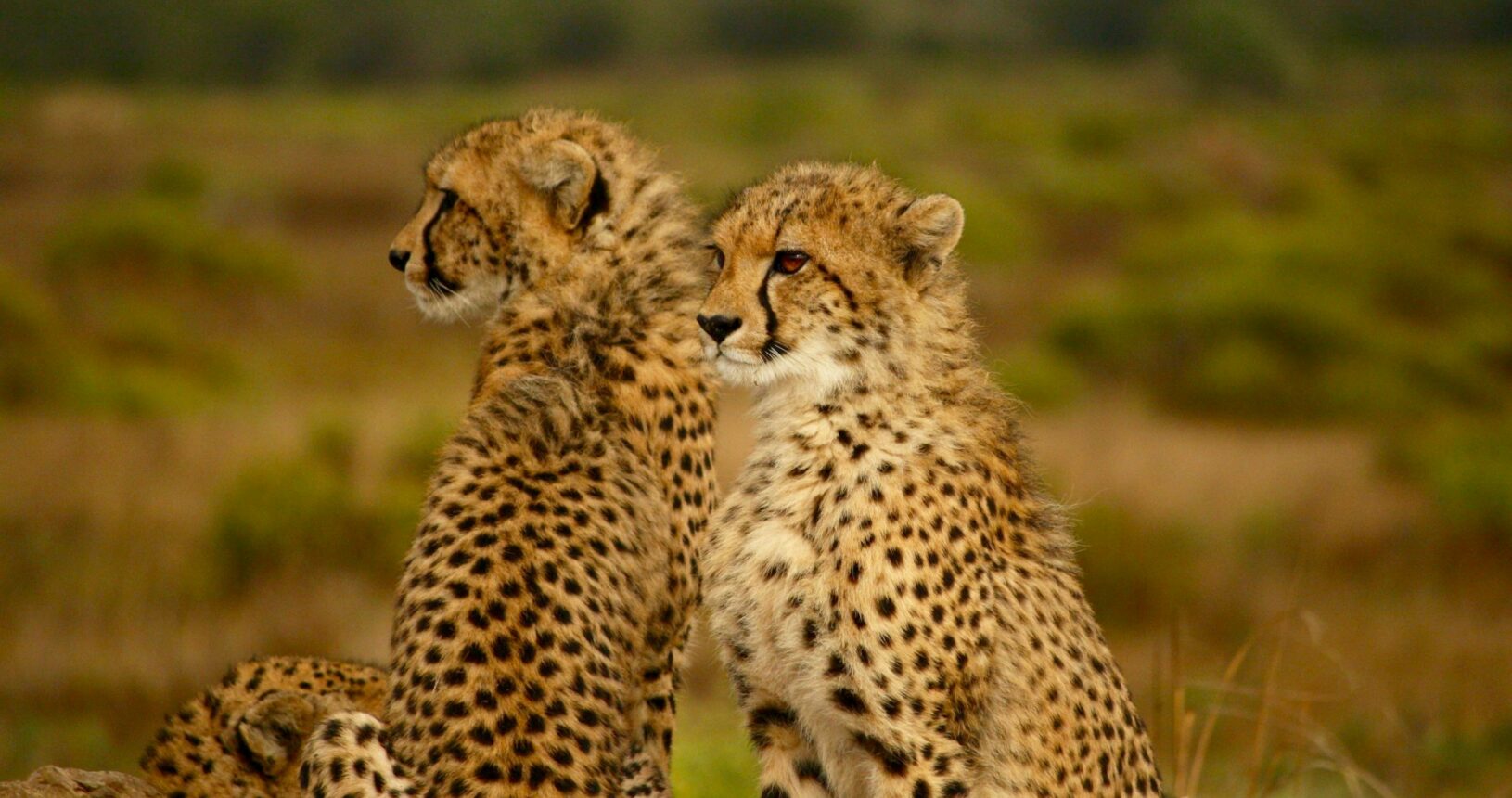
The park supports lions, cheetahs, leopards, elephants, buffalo, antelope species, and exceptional birdlife within landscapes that feel genuinely wild and expansive.
Kafue suits travelers looking for remote safaris combined with strong wildlife diversity and scenic variety.
Liuwa Plain National Park
Isolation and Seasonal Migration
Liuwa Plain National Park offers one of Zambia’s most isolated safari environments because of its remote western location and limited tourism development.
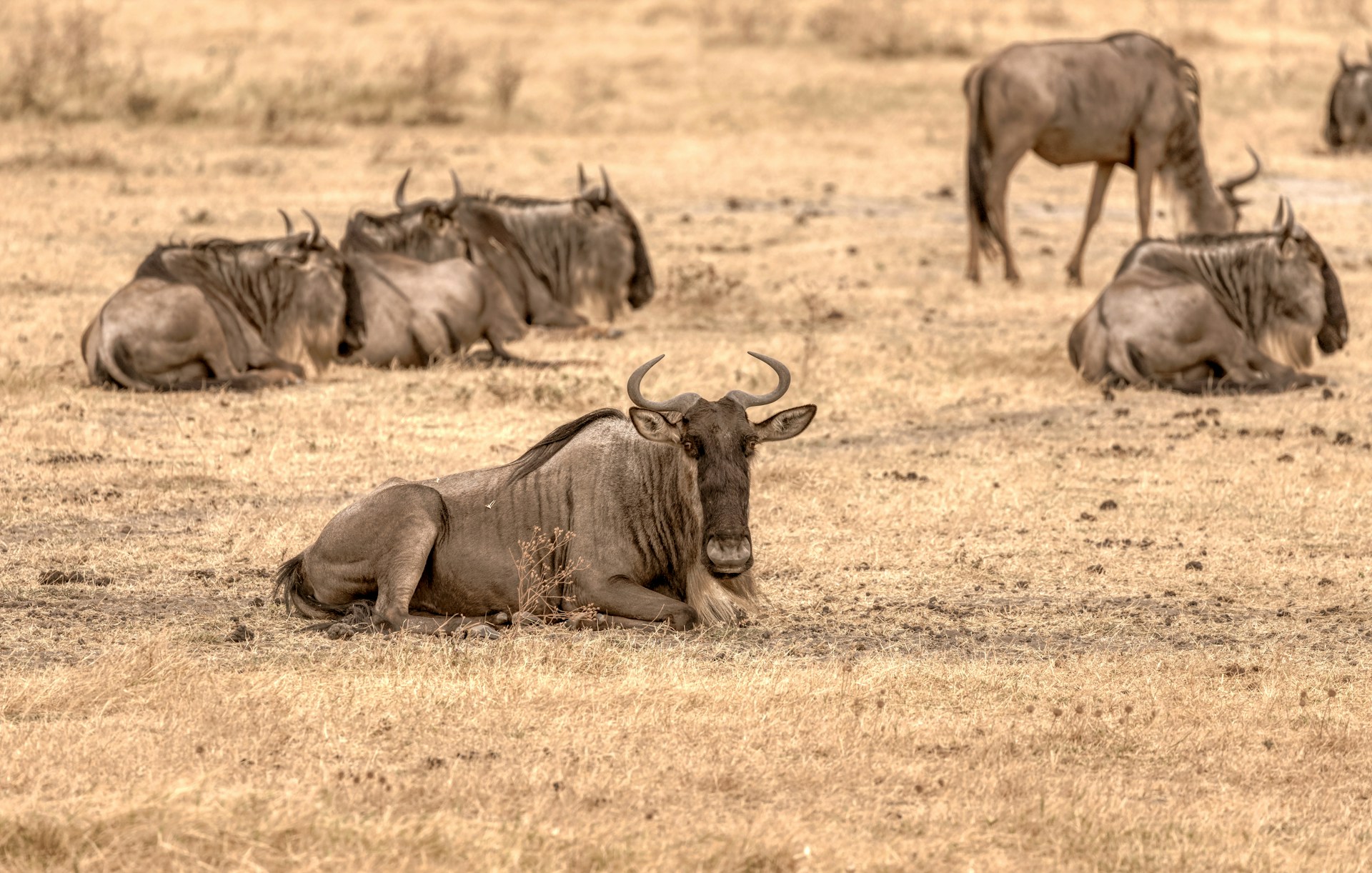
The park becomes especially famous for its seasonal wildebeest migration, dramatic floodplain scenery, and vast open skies.
Travel to Liuwa often involves long overland journeys or charter flights, which naturally limits visitor numbers and preserves the park’s wilderness character.
Safari experiences here feel peaceful, atmospheric, and deeply connected to seasonal ecological cycles.
The combination of wildlife migration, remote floodplain landscapes, and changing weather systems creates extraordinary photographic opportunities throughout the year.
Liuwa remains ideal for travelers seeking wilderness solitude and unique safari scenery.
Lower Zambezi’s Hidden Wilderness Areas
River Isolation and Safari Luxury
Lower Zambezi National Park combines remote safari wilderness with some of Zambia’s finest luxury bush camps.
Although parts of the park have become more accessible, many camps still operate in highly secluded riverfront locations surrounded by wildlife corridors and untouched woodland.
Travelers explore the region through canoe safaris, walking safaris, boat cruises, and game drives along the Zambezi River.
The river itself enhances the feeling of remoteness because water-based activities move quietly through isolated channels and undeveloped shoreline habitats.
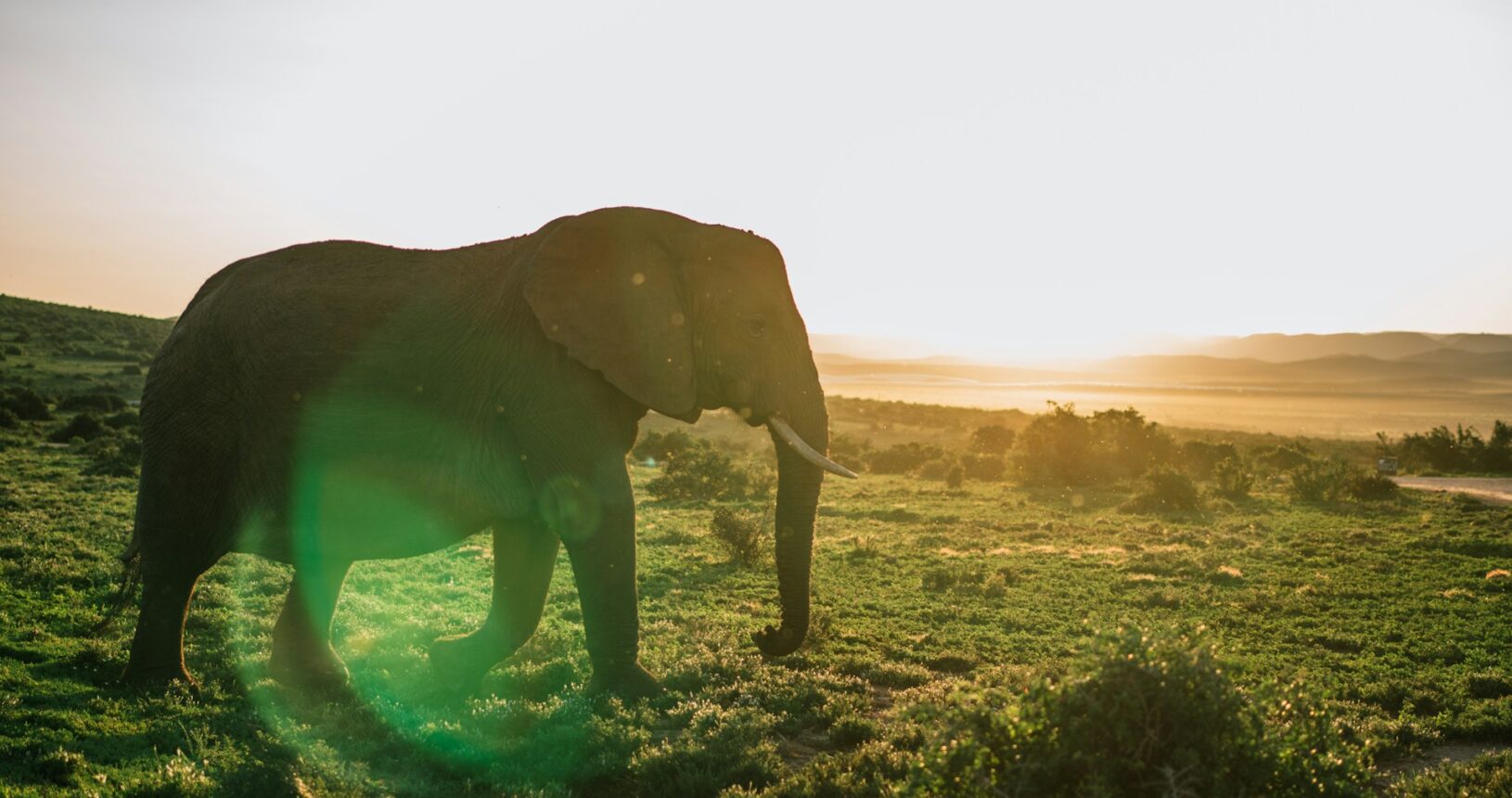
Elephants, hippos, crocodiles, buffalo, and birdlife dominate much of the surrounding landscape.
Lower Zambezi creates a rare balance between luxury comfort and true wilderness isolation.
Remote Safari Accommodation
Intimate Camps in Isolated Landscapes
Remote safari accommodation in Zambia usually consists of small bush camps designed to blend naturally into the surrounding environment.
Many camps accommodate only a handful of guests, which preserves privacy and minimizes environmental impact.
Open-air dining areas, tented suites, riverside decks, and outdoor showers allow travelers to remain closely connected to nature throughout their stay.
Several camps rely on solar power and environmentally sensitive operations because of their isolated locations.
The atmosphere in these camps feels quiet, relaxed, and deeply immersive compared to larger tourism properties.
Remote accommodation forms an important part of the overall safari experience in Zambia.
Why Travellers Choose Remote Safaris
Solitude, Wildlife, and Authenticity
Many travelers seek remote safaris because they want experiences that feel genuine rather than crowded or commercialized.
Remote safari travel allows guests to experience silence, wilderness sounds, uninterrupted landscapes, and highly natural wildlife encounters.
The absence of large crowds creates a slower and more personal safari rhythm where observation, patience, and immersion become more meaningful.
Photographers, honeymoon couples, experienced safari travelers, and conservation-focused visitors often value this style of travel most strongly.
Remote safaris also encourage deeper appreciation for ecosystems because travelers spend more time observing natural behavior rather than rushing between sightings.
Challenges of Remote Safari Travel
Isolation Requires Preparation
Remote safari travel in Zambia also comes with practical considerations that travelers should understand before departure.
Domestic bush flights, long transfers, limited mobile signal, and restricted internet access form part of the experience in many regions.
Medical facilities remain far away from several remote parks, which makes travel insurance and evacuation coverage essential.
Weather conditions may also affect access during certain seasons, especially in floodplain regions and remote road networks.
Travelers should embrace flexibility and understand that wilderness travel sometimes operates according to natural conditions rather than strict schedules.
For many visitors, these challenges actually enhance the adventure and authenticity of the safari experience.
Why Zambia Excels in Remote Safari Travel
Zambia remains one of Africa’s finest destinations for remote safaris because the country continues protecting vast wilderness areas while avoiding excessive tourism development.
The safari experience feels quieter, more immersive, and more connected to nature than many mainstream safari destinations.
Travellers exploring Zambia’s remote parks discover landscapes where wildlife still dominates the environment and where wilderness remains the defining feature of the journey.
For visitors seeking authentic safari isolation, Zambia offers some of the most rewarding remote travel experiences anywhere in Africa
In Africa’s national parks, every sunrise paints a masterpiece — where the wild’s call echoes across endless horizons. Visiting these parks is to witness nature in its purest form, a timeless dance that stirs the soul.
Steps to Book Your Southern Africa Tour
Choose Your Adventure
Confirm Your Booking
Begin Your Journey
Ready to plan your tailor-made safari?