Horseback Riding
February 1, 2026
Remote safaris in Zambia
February 1, 2026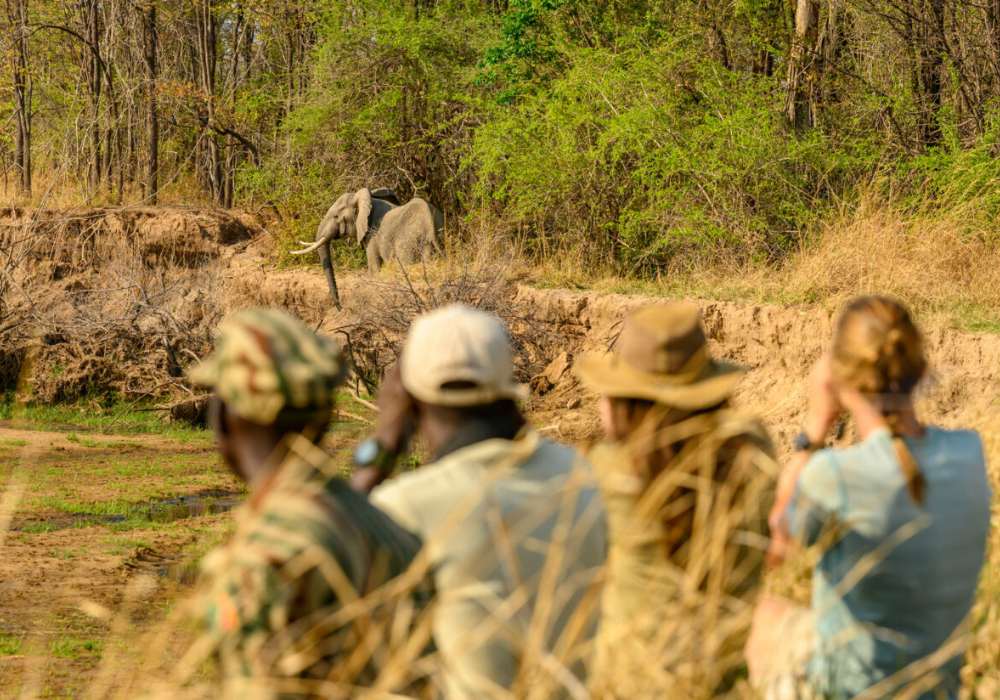
Home / Destinations / Zambia / Experiences in Zambia /
Photographic Safaris in Zambia
Zambia stands among Africa’s finest destinations for photographic safaris because the country combines rich wildlife diversity, uncrowded national parks, dramatic landscapes, and highly immersive safari experiences. Photographers visiting Zambia often enjoy more space around wildlife sightings, quieter wilderness environments, and greater freedom to observe natural animal behavior compared to busier safari destinations elsewhere in Africa.
The country’s safari style naturally supports photography because many camps focus on low guest numbers, flexible game drive schedules, and expert guiding. Wildlife encounters often feel calm and uninterrupted, which allows photographers to spend more time observing animal movement, light conditions, and behavior without pressure from large numbers of vehicles.
Photographic safaris in Zambia appeal to both professional photographers and casual travelers who simply want extraordinary wildlife images. The country offers exceptional opportunities for predator photography, bird photography, river landscapes, dramatic sunsets, walking safari imagery, and seasonal wildlife movements.
South Luangwa National Park, Lower Zambezi National Park, Kafue National Park, and Liuwa Plain National Park rank among the country’s best photographic safari destinations because each park provides distinct landscapes and wildlife conditions throughout the year.
Why Book This Destination
Explore More about Photographic Safaris in Zambia
Why Zambia is Excellent for Wildlife Photography
Uncrowded Parks Create Better Photography Conditions
One of Zambia’s greatest advantages for photographers lies in its relatively low tourism density. In many safari destinations, wildlife sightings can become crowded with vehicles competing for position around animals. Zambia’s parks generally avoid this level of congestion, which allows photographers to work more patiently and creatively.
Guides often position vehicles carefully for lighting, background composition, and viewing angles because camps focus strongly on personalized safari experiences.
This quieter environment also benefits wildlife. Animals behave more naturally when fewer vehicles surround them, which creates stronger opportunities for authentic behavioral photography.
Photographers can spend longer periods observing predators, elephants, birds, and river wildlife without constant interruption or pressure to move quickly.
The overall pace of safari travel in Zambia suits serious photography extremely well.
South Luangwa National Park
Zambia’s Premier Destination for Wildlife Photography
South Luangwa National Park remains Zambia’s most famous photographic safari destination because of its extraordinary wildlife density and varied habitats.
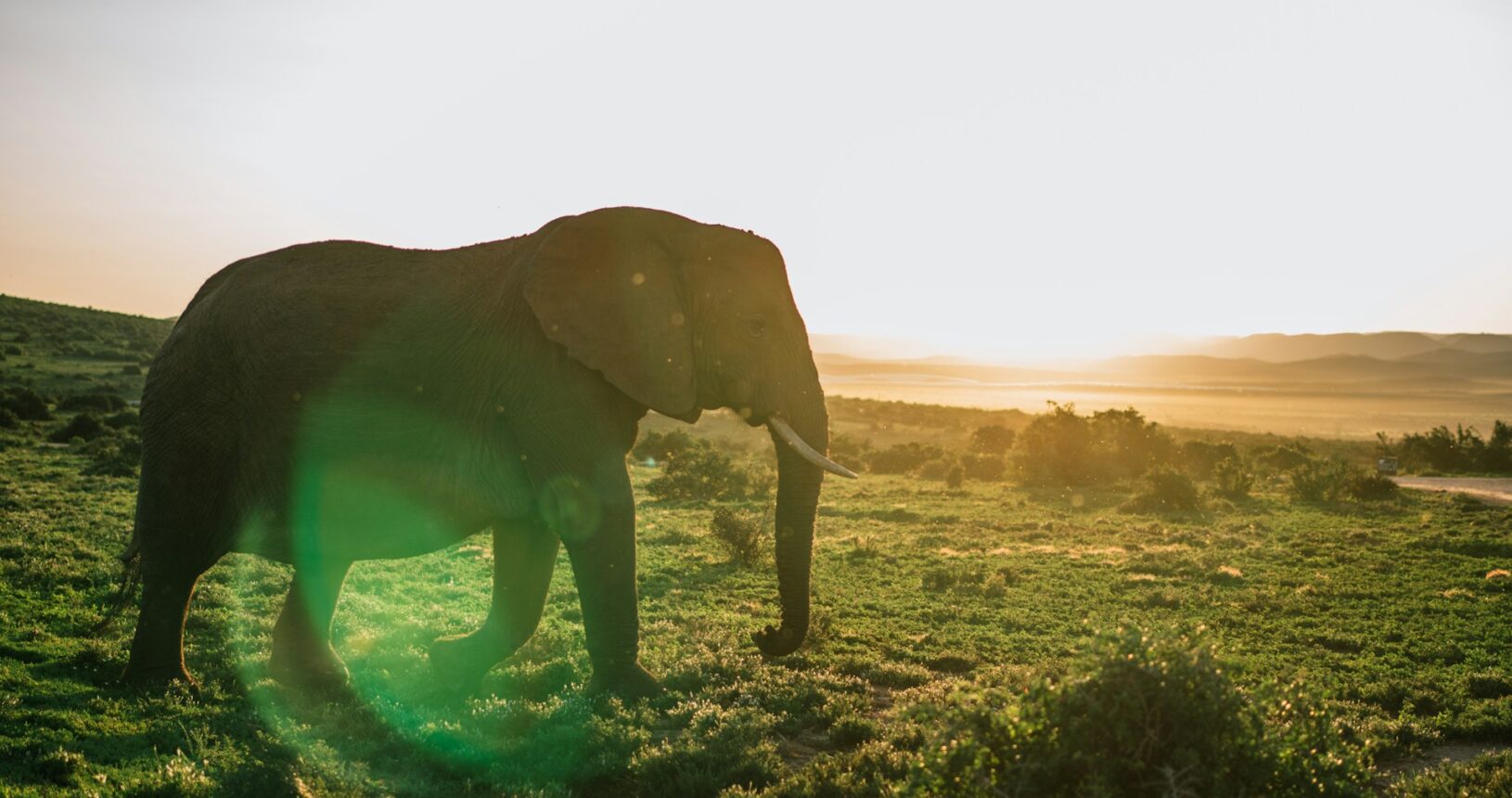
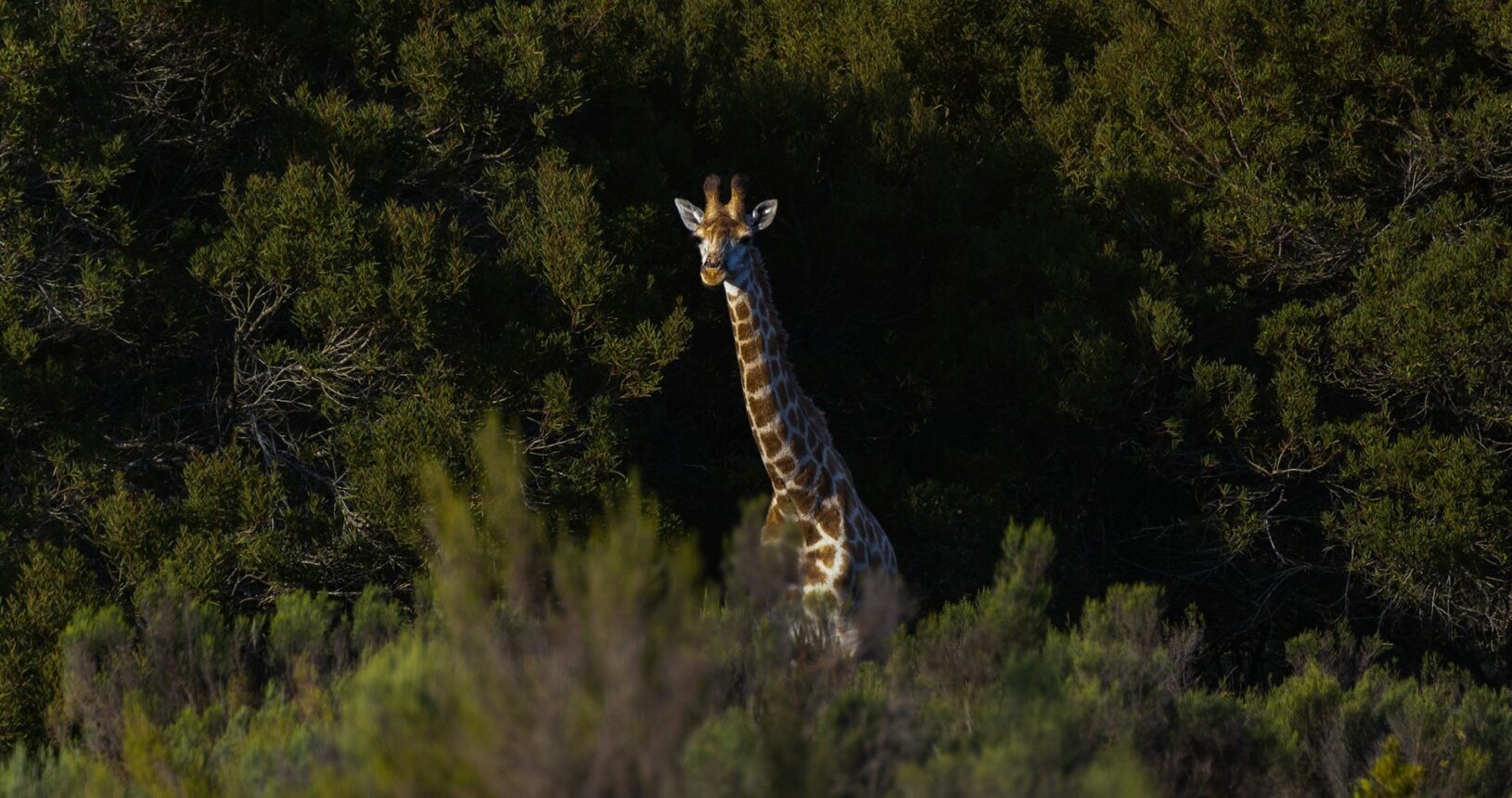
The Luangwa River supports large populations of elephants, hippos, crocodiles, buffalo, giraffes, zebras, and antelope species, while predators such as lions, leopards, and wild dogs move throughout the park’s woodlands and floodplains.
Leopard photography in South Luangwa ranks among the best in Africa because the park supports healthy leopard populations and experienced guides understand their behavior extremely well.
The park’s diverse habitats also create beautiful photographic variety. Dry riverbeds, golden grasslands, riverine forests, lagoons, and open plains all contribute different textures and lighting opportunities throughout the day.
Photographers visiting South Luangwa often combine game drives with walking safaris to capture both large wildlife scenes and smaller ecological details.
Lower Zambezi National Park
River Landscapes and Water-Based Photography
Lower Zambezi National Park offers a completely different photographic atmosphere shaped by the Zambezi River and its surrounding ecosystems.
The combination of water, escarpment scenery, woodland, and wildlife creates exceptional conditions for landscape and wildlife photography.
Boat safaris and canoe safaris allow photographers to capture elephants crossing river channels, hippos surfacing near boats, crocodiles resting along sandbanks, and birds flying low over the water.
Reflections, morning mist, and changing river light create especially beautiful photographic conditions during sunrise and sunset hours.
The park’s river setting also supports excellent bird photography, with species such as fish eagles, kingfishers, bee-eaters, herons, and storks frequently appearing near water channels.
Lower Zambezi suits photographers looking for both wildlife action and scenic composition.
Kafue National Park
Vast Landscapes and Predator Photography
Kafue National Park provides some of Zambia’s most diverse photographic safari opportunities because of its enormous scale and ecological variety.
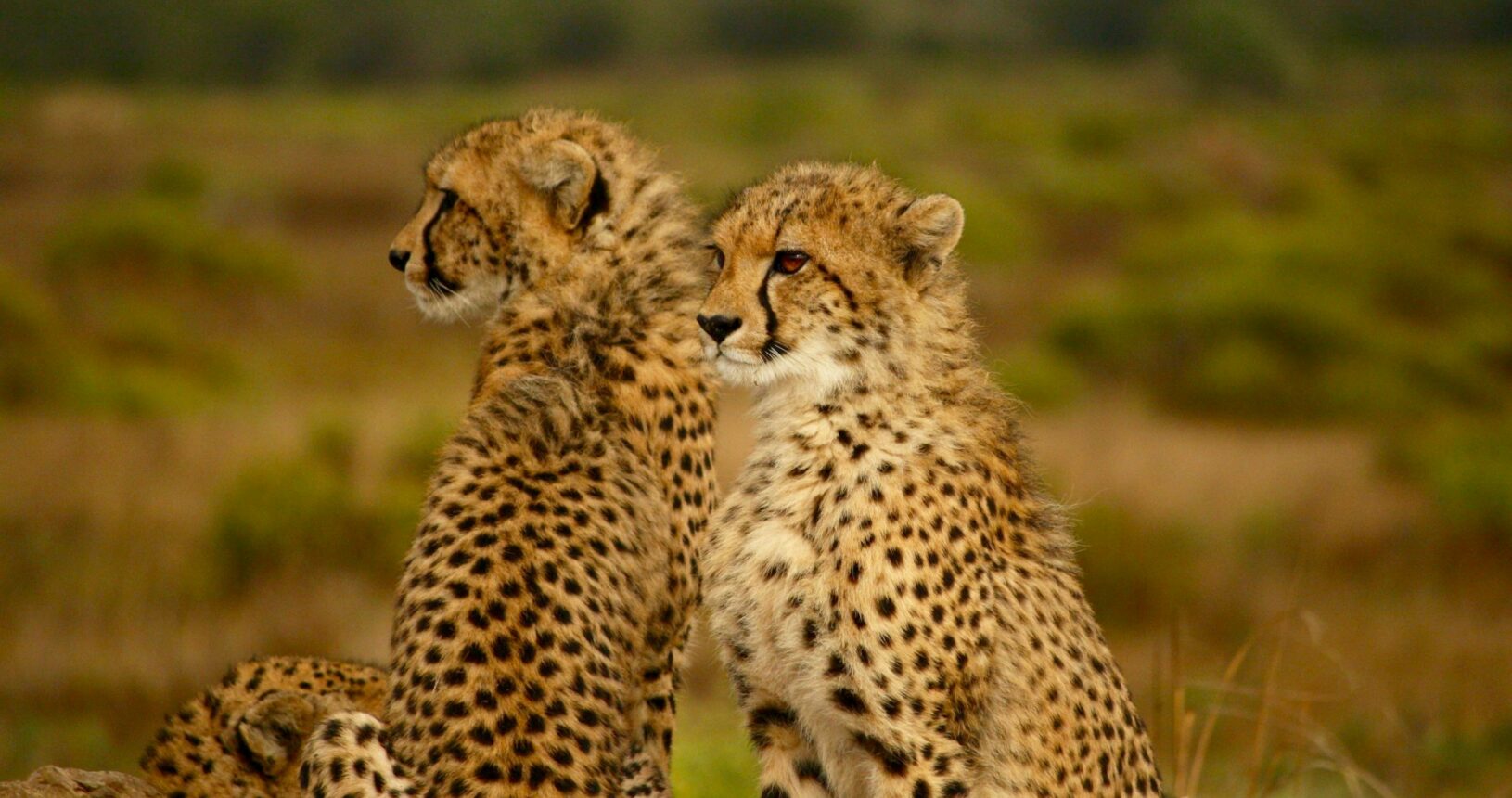
The Busanga Plains in northern Kafue attract photographers seeking dramatic open landscapes filled with antelope, lions, cheetahs, and seasonal floodplain scenery.
Morning light across the plains often creates beautiful photographic conditions with mist, reflections, and long shadows enhancing wildlife composition.
Kafue also supports strong predator populations, including lions, leopards, cheetahs, and wild dogs.
Because tourism remains relatively limited, photographers often experience uninterrupted sightings and cleaner visual backgrounds without vehicle congestion.
The park’s remoteness allows wildlife behavior to remain highly natural and undisturbed.
Liuwa Plain National Park
Dramatic Seasonal Photography
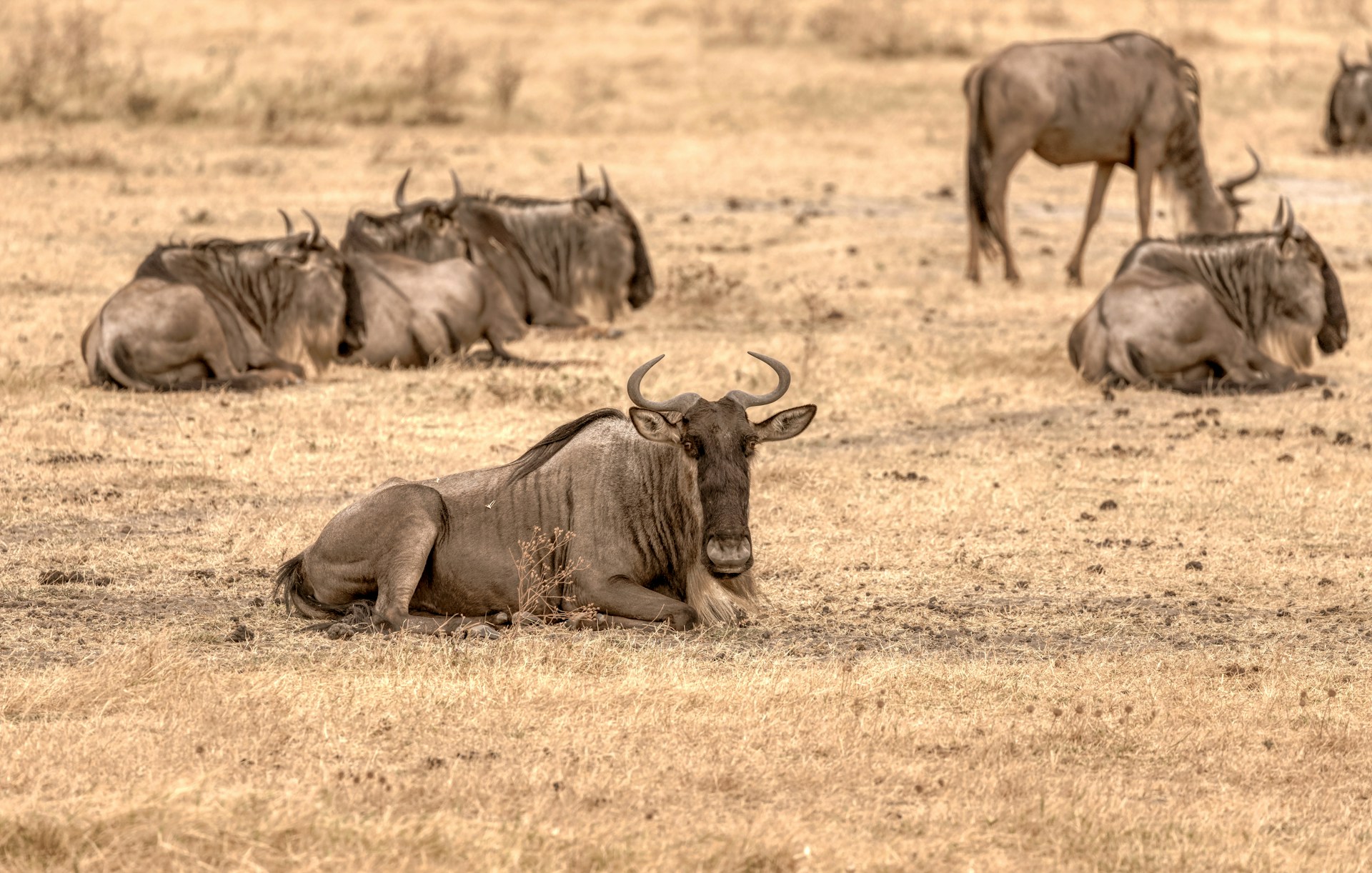
Liuwa Plain National Park attracts photographers seeking remote landscapes, seasonal migration scenes, and atmospheric weather conditions.
The park becomes especially famous for its wildebeest migration, dramatic cloud formations, and vast floodplain environments.
Photography in Liuwa often focuses as much on mood and landscape as on wildlife itself. Storm clouds, changing skies, floodwaters, and open horizons create highly cinematic imagery throughout different seasons.
The park’s isolation also means photographers can work in extremely peaceful conditions with minimal tourism presence.
Liuwa appeals strongly to landscape photographers and travelers looking for unusual safari imagery beyond classic game drive photography.
Bird Photography in Zambia
Exceptional Diversity for Birdwatchers and Photographers
Zambia supports extraordinary birdlife, with more than 750 recorded species across rivers, wetlands, forests, floodplains, and savannah ecosystems.
Bird photography opportunities remain excellent throughout the country, especially in wetlands and river systems.
Species such as African fish eagles, carmine bee-eaters, kingfishers, owls, storks, cranes, rollers, and herons frequently appear during safari activities.
South Luangwa becomes especially famous for seasonal carmine bee-eater colonies that gather along riverbanks during nesting periods.
The green season between November and April attracts migratory bird species and creates vibrant breeding plumage conditions ideal for photography.
Bird photographers often consider Zambia one of Africa’s most rewarding safari destinations.
Walking Safaris and Photography
Capturing the Wilderness from Ground Level
Walking safaris add a completely different perspective to photographic travel in Zambia.
Photographers moving on foot often focus more carefully on textures, tracks, insects, plants, environmental details, and intimate wildlife moments that vehicles may overlook.
Guides help position travelers safely while explaining ecological relationships throughout the landscape.
Photography during walking safaris feels slower and more observational because the experience emphasizes immersion rather than covering long distances quickly.
This style of photography often produces highly personal and storytelling-focused images.
Best Time for Photographic Safaris in Zambia
Seasonal Conditions Shape Photography Opportunities
The dry season between May and October usually provides the best wildlife photography conditions because vegetation becomes thinner and animals gather around permanent water sources.
September and October often produce intense predator activity and dramatic dry season landscapes, although temperatures become hotter during these months.
The green season between November and April transforms Zambia into a lush and vibrant photographic destination with dramatic skies, newborn animals, migratory birds, and rich vegetation colors.
Landscape photographers and bird photographers often prefer green season conditions because of the softer light and atmospheric scenery.
Different seasons therefore create completely different photographic opportunities across Zambia.
Choosing the Right Safari Camps for Photography
Camps with Flexible Guiding Improve the Experience
Photographers benefit greatly from safari camps that understand wildlife photography needs and offer flexible game drive schedules.
Small camps with fewer guests allow guides to spend more time at sightings and position vehicles more carefully for light and composition.
Some specialist camps even provide customized photographic vehicles with open sides, camera mounts, and charging facilities for equipment.
Experienced guides also help photographers anticipate animal behavior and movement patterns more effectively.
Choosing the right camp can significantly improve the overall photographic safari experience.
Why Zambia Stands Out for Photographic Safaris
Zambia offers a rare combination of rich wildlife, dramatic landscapes, low tourism density, and highly immersive safari experiences that suit photography exceptionally well.
The country allows photographers to work patiently within authentic wilderness environments where wildlife behavior remains natural and landscapes feel untouched by mass tourism.
From leopard photography in South Luangwa to river scenes in Lower Zambezi and migration landscapes in Liuwa Plain, Zambia delivers remarkable diversity for photographers seeking meaningful safari imagery.
For travellers looking to capture Africa’s wilderness in a quieter and more authentic setting, Zambia remains one of the continent’s most rewarding photographic safari destinations.
In Africa’s national parks, every sunrise paints a masterpiece — where the wild’s call echoes across endless horizons. Visiting these parks is to witness nature in its purest form, a timeless dance that stirs the soul.
Steps to Book Your Southern Africa Tour
Choose Your Adventure
Confirm Your Booking
Begin Your Journey
Ready to plan your tailor-made safari?