Boat and Mokoro
February 1, 2026
Photographic safaris in Zambia
February 1, 2026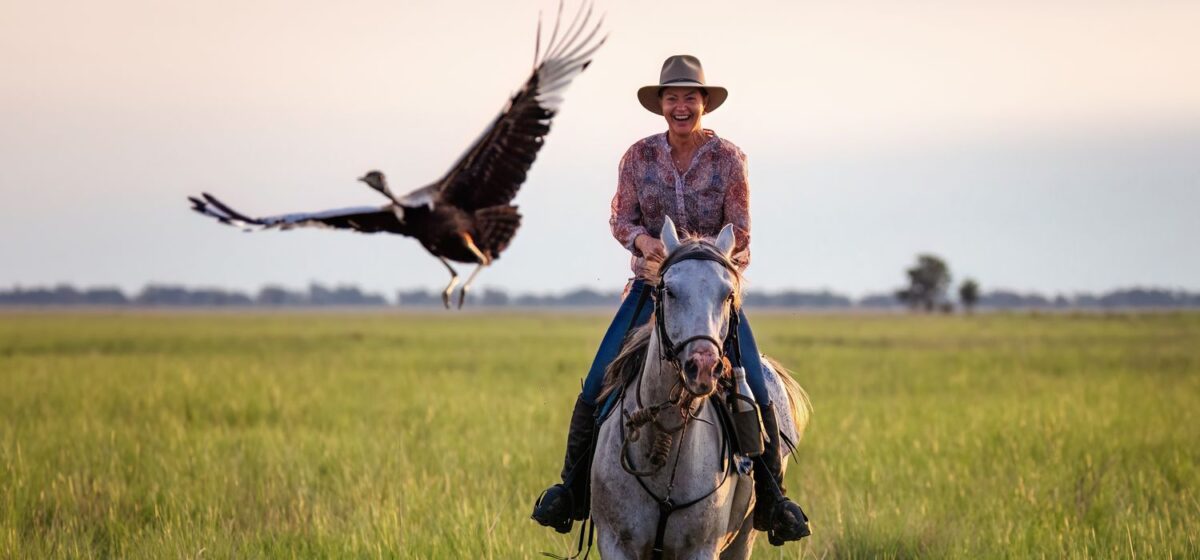
Home / Destinations / Zambia / Experiences in Zambia /
Horseback Riding Safaris in Zambia
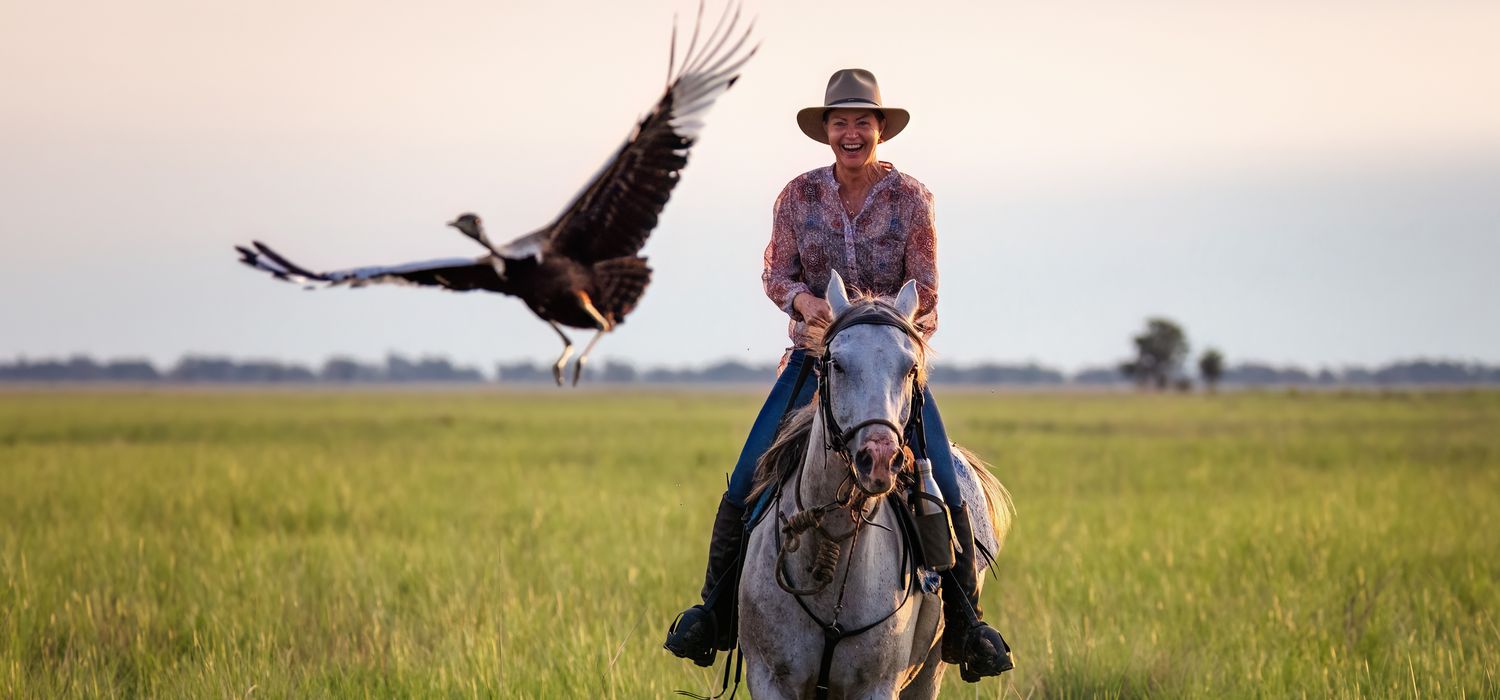
Horseback riding safaris in Zambia offer one of the most exciting and immersive ways to experience the African wilderness. Unlike vehicle-based safaris, horseback safaris place travelers directly within the natural environment, allowing them to move quietly through open plains, woodland areas, and river landscapes while observing wildlife at close range. The experience feels adventurous, intimate, and deeply connected to nature because horses move through the bush far more naturally than safari vehicles.
Zambia’s remote landscapes and low tourism density create excellent conditions for horseback safaris. Riders often travel across vast wilderness areas without encountering crowds or busy safari traffic. Wildlife generally reacts calmly to horses because animals often perceive mounted riders differently from people walking on foot. This creates remarkable opportunities to approach plain game and observe natural animal behavior from a unique perspective.
Horseback riding safaris in Zambia combine wildlife viewing, outdoor adventure, and wilderness exploration in a way that few safari experiences can match. The activity appeals strongly to experienced riders looking for adventure as well as travelers seeking a more active and personal connection with the African bush.
Several regions in Zambia offer horseback riding opportunities, especially around the Lower Zambezi Valley, Kafue region, and private wilderness areas connected to safari lodges.
Why Book This Destination
Explore More about Horseback Riding Safaris in Zambia
What Makes Horseback Safaris Unique
A Different Perspective of the African Wilderness
Horseback riding changes the entire safari experience because travelers become part of the landscape rather than observers inside vehicles.
The slower pace allows riders to notice tracks, bird calls, scents, and wildlife movement in far greater detail. Riders move quietly across open terrain while hearing the sounds of the bush directly around them instead of engine noise.
Wildlife encounters often feel more natural and less intrusive because horses blend into the environment more smoothly than vehicles.
Seeing giraffes feeding nearby, zebras grazing across plains, or antelope moving through woodland while on horseback creates an extraordinary sense of freedom and immersion.
The physical connection with the horse also adds a strong feeling of adventure and partnership throughout the safari.
Lower Zambezi Horseback Safaris
Riding Along River Landscapes and Wildlife Corridors
The Lower Zambezi region offers some of Zambia’s most scenic horseback riding experiences because of its combination of river systems, floodplains, woodland, and wildlife-rich landscapes.
Riders often explore open areas where elephants, buffalo, antelope, and zebras move freely through natural corridors near the Zambezi River.
Morning rides provide especially beautiful conditions as sunlight filters through riverine forests and wildlife becomes active near water sources.
The terrain varies between open plains, shaded woodland trails, and sandy riverbanks, creating a highly diverse riding environment.
The Lower Zambezi’s remote atmosphere also strengthens the sense of wilderness and isolation during horseback safaris.
Horseback Riding in Kafue Region
Wide Open Wilderness and Scenic Riding Terrain
Kafue’s enormous wilderness areas create excellent conditions for horseback exploration, particularly in regions surrounding private conservancies and safari lodges.
The landscape includes open savannah, woodland, seasonal floodplains, and river systems that support rich wildlife populations and beautiful riding scenery.
Horseback safaris here often focus on both wildlife encounters and the experience of traveling through untouched natural landscapes.
Because tourism remains relatively low in many parts of Kafue, riders often enjoy long uninterrupted journeys through quiet wilderness environments.
The park’s scale and remoteness make horseback riding feel highly adventurous and authentic.
Wildlife Encounters on Horseback
Getting Close to Nature in a Calm and Natural Way
One of the most remarkable aspects of horseback safaris involves the way wildlife responds to horses.
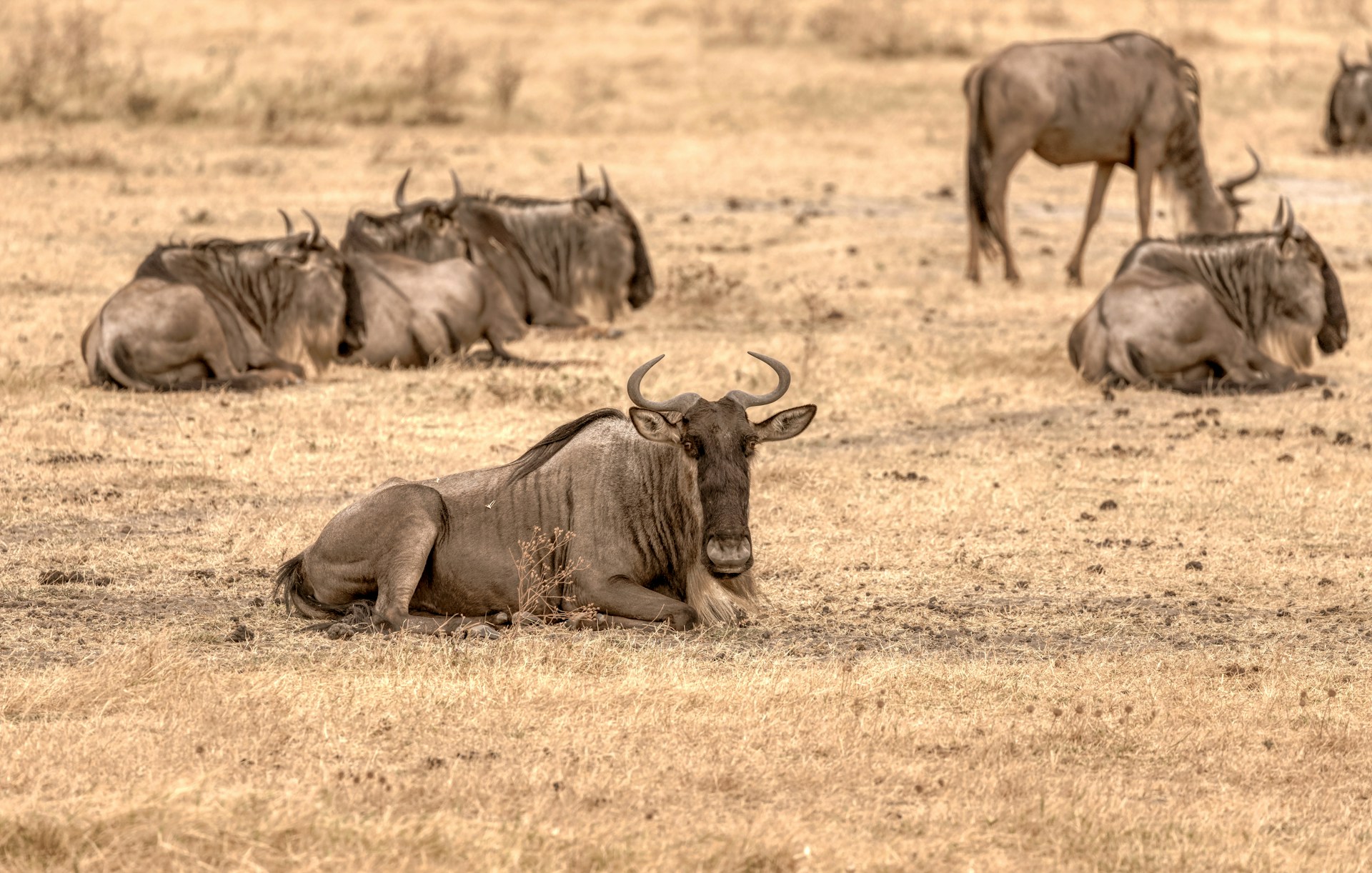
Animals such as zebras, giraffes, wildebeest, impalas, and other plains game often remain calmer around mounted riders than around vehicles or people walking on foot.
This creates opportunities for surprisingly close wildlife encounters under the supervision of experienced guides.
Elephants and buffalo may also appear during rides, although guides manage these encounters carefully and maintain safe distances depending on animal behavior and environmental conditions.
Predator sightings can occur as well, particularly in wilderness areas with healthy lion and leopard populations.
Every ride therefore combines excitement, unpredictability, and strong environmental awareness.
Safety During Horseback Safaris
Professional Guides Ensure Safe Riding Experiences
Horseback safaris in Zambia operate under strict professional safety standards. Guides assess rider experience levels carefully before activities begin and select routes appropriate for both guests and conditions.
Most operators require riders to feel confident controlling horses at walking, trotting, and cantering paces before joining longer wilderness rides.
Guides remain highly experienced in both horse management and wildlife behavior, which allows them to respond quickly to changing situations in the bush.
Safety briefings explain how riders should behave during wildlife encounters and how to remain calm around large animals.
Well-trained safari horses also play a major role in safety because they are accustomed to wildlife environments and bush conditions.
Best Time for Horseback Riding in Zambia
Dry Season Offers Ideal Riding Conditions
The dry season between May and October provides the best conditions for horseback riding safaris in Zambia.
During these months, vegetation becomes thinner, trails remain more accessible, and wildlife concentrates near rivers and water sources.
Cooler temperatures during June, July, and August create comfortable riding conditions, especially during mornings and late afternoons.
By September and October, wildlife viewing becomes even more dramatic as animals gather more heavily around remaining water systems, although temperatures also become much hotter.
The green season brings lush scenery and beautiful landscapes, but wetter conditions may affect riding access in some regions.
Horseback Riding and Wilderness Connection
Feeling Part of the Environment
Horseback safaris create a rare emotional connection with the surrounding environment because riders move quietly and naturally through the bush.
The rhythm of riding encourages travelers to slow down and observe the landscape more carefully. Sounds become clearer, animal movement feels more immediate, and the overall safari experience becomes deeply sensory.
This level of immersion often creates stronger memories than traditional vehicle-based safaris because travelers feel actively involved in the journey rather than simply transported through it.
Horseback riding therefore combines wildlife viewing with personal adventure and wilderness exploration.
Who Should Consider Horseback Safaris
Ideal for Adventurous and Experienced Riders
Horseback safaris suit travelers looking for a more active and adventurous safari experience.
Many operators recommend previous riding experience because wilderness riding conditions can become unpredictable depending on terrain and wildlife encounters.
Confident intermediate and experienced riders usually enjoy the experience most fully, especially during multi-day riding safaris.
Travelers who love horses, outdoor adventure, photography, and quiet wilderness exploration often find horseback safaris especially rewarding.
The activity also appeals strongly to repeat safari travelers seeking something different from standard game drive experiences.
Combining Horseback Riding with Traditional Safaris
Creating a Diverse Zambia Safari Experience
Many travelers combine horseback riding with traditional game drives, canoe safaris, walking safaris, and river excursions during their Zambia itinerary.
This combination allows visitors to experience the wilderness from several different perspectives while enjoying varied landscapes and activities.
A mixed safari itinerary often creates a richer understanding of Zambia’s ecosystems and wildlife behavior.
Horseback riding adds adventure and intimacy to the broader safari experience.
Why Zambia Stands Out for Horseback Riding Safaris
Zambia’s remote wilderness areas, low tourism density, and strong safari guiding culture make the country one of Africa’s most rewarding destinations for horseback riding safaris.
The combination of open landscapes, wildlife diversity, quiet safari environments, and adventurous travel creates experiences that feel deeply authentic and highly memorable.
For travellers seeking a safari experience that combines freedom, wildlife, and genuine immersion in nature, horseback riding in Zambia offers a remarkable way to explore the African wilderness.
In Africa’s national parks, every sunrise paints a masterpiece — where the wild’s call echoes across endless horizons. Visiting these parks is to witness nature in its purest form, a timeless dance that stirs the soul.
Steps to Book Your Southern Africa Tour
Choose Your Adventure
Confirm Your Booking
Begin Your Journey
Ready to plan your tailor-made safari?