Photographic
February 1, 2026
Sustainable
February 1, 2026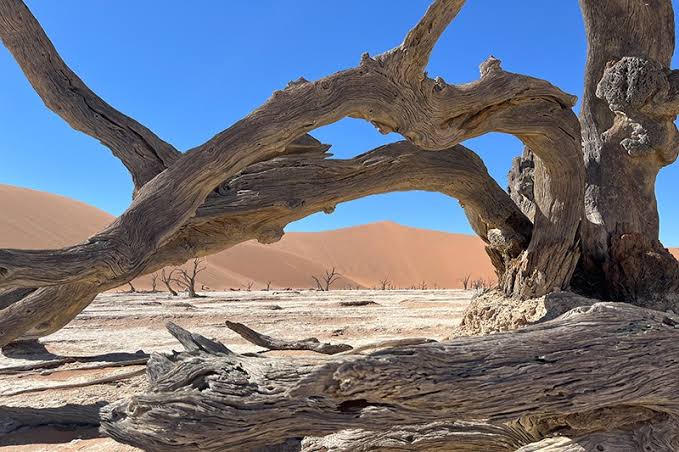
Remote Places in Namibia
Remote Places in Namibia define the country’s strongest travel identity: vast, empty, and profoundly untouched landscapes where human presence fades into scale and silence. Namibia is one of the least densely populated countries in the world, and this low population density creates endless stretches of wilderness where travelers experience true isolation.
Unlike many safari destinations where tourism clusters around a few hotspots, Remote Places in Namibia spread across deserts, mountains, coastal plains, and northern wetlands. These areas offer raw natural beauty, minimal infrastructure, and an immersive sense of solitude that shapes every journey.
For many travelers, Namibia’s remote regions become the highlight of their safari because they deliver not just scenery, but perspective—an understanding of how vast and ancient African landscapes truly are.
Why Book This Destination
Explore More about Remote Places in Namibia
Damaraland: Rugged Isolation and Desert Wildlife
Damaraland stands as one of the most iconic Remote Places in Namibia. Its dramatic terrain includes rocky mountains, dry riverbeds, and volcanic formations that stretch endlessly across the horizon.
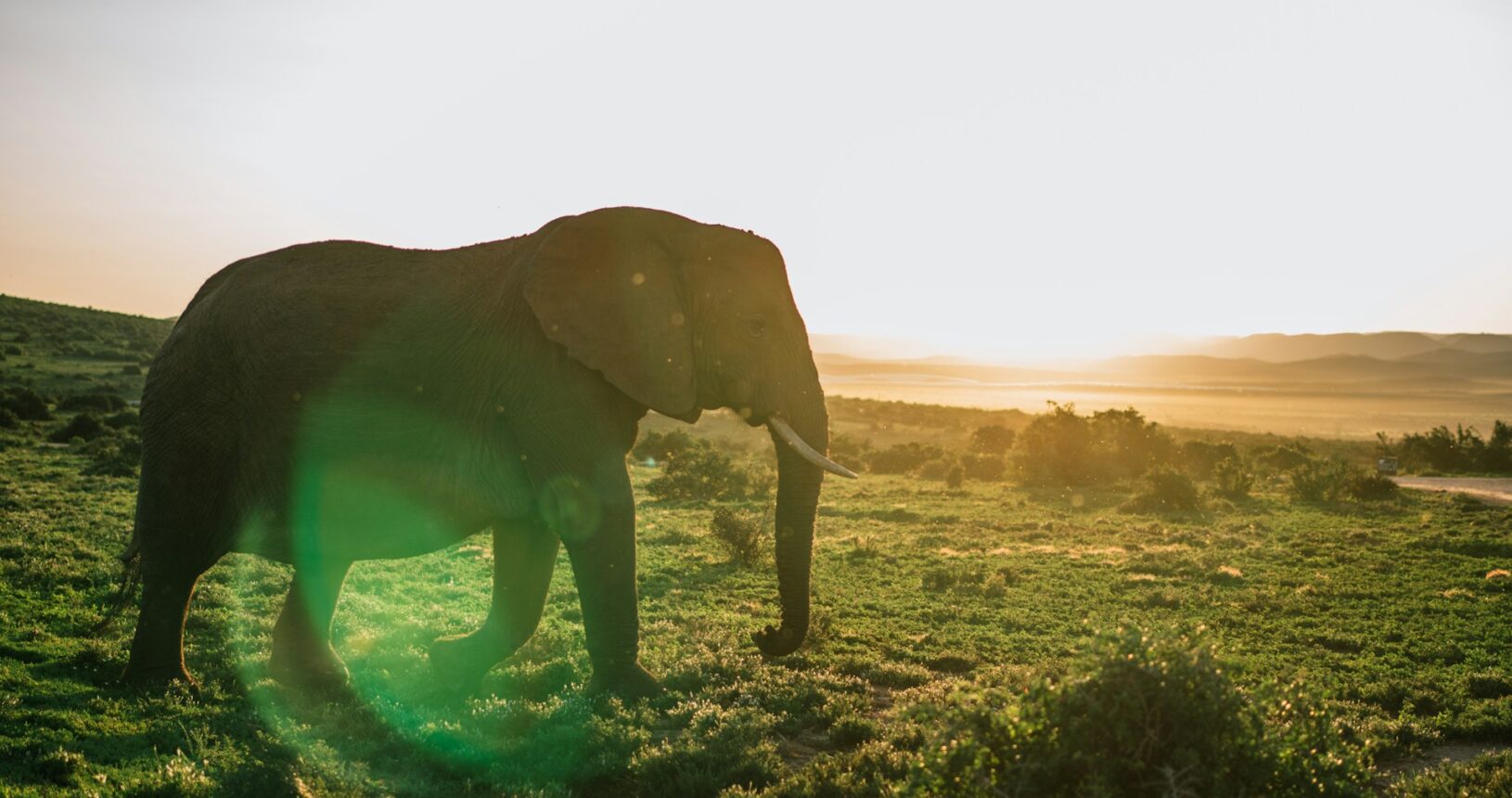
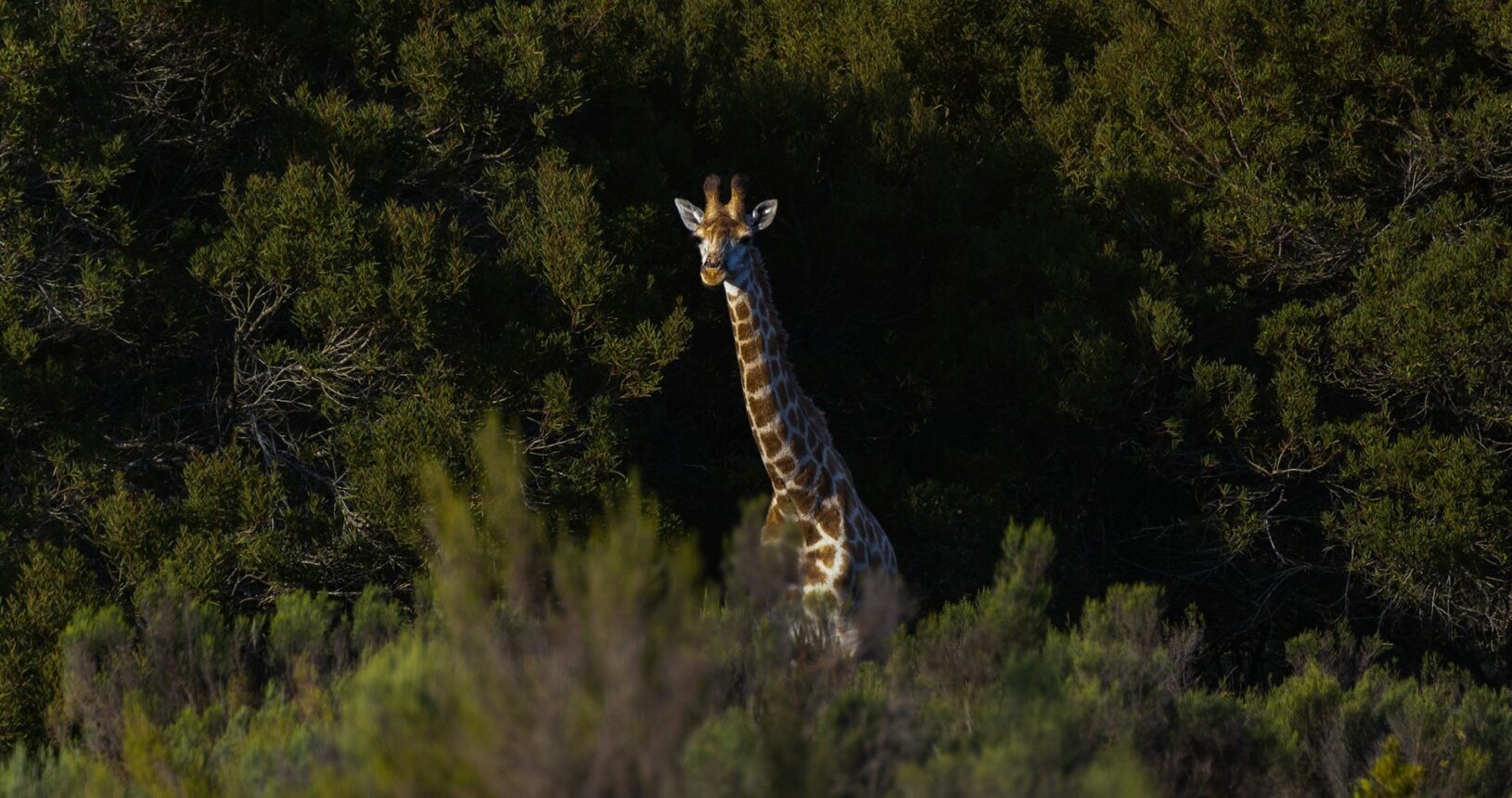
This region feels completely untouched, yet it supports desert-adapted wildlife such as elephants, giraffes, springbok, and black rhinos. The animals here move across vast distances, often without human interaction for days.
The combination of wildlife and geological formations creates an environment where every sighting feels significant. Travelers often drive for hours without seeing another vehicle, reinforcing the sense of isolation that defines Remote Places in Namibia.
Damaraland also includes conservation areas where community-based tourism protects both wildlife and cultural heritage, adding depth to its remote wilderness experience.
Skeleton Coast: One of Earth’s Most Isolated Shorelines
The Skeleton Coast represents one of the most extreme Remote Places in Namibia. This coastline stretches along the Atlantic Ocean, where dense fog, strong currents, and harsh winds shape a dramatic and often inaccessible environment.
Shipwrecks scattered along the coast tell stories of maritime disasters, while massive seal colonies at Cape Cross create bursts of life in an otherwise desolate landscape.
Desert-adapted wildlife occasionally moves through the region, including elephants and brown hyenas, but the true character of the Skeleton Coast lies in its emptiness.
Traveling here feels like entering another world where ocean and desert collide in complete isolation.
Namib Desert: Endless Space and Silence
The Namib Desert forms the backbone of Remote Places in Namibia. It stretches for thousands of kilometers along the coastline and inland dunes, creating one of the oldest and driest landscapes on Earth.
Sossusvlei and Deadvlei represent its most visited areas, but beyond these iconic locations lie vast sections of untouched desert where few travelers ever go.
The sense of scale in the Namib Desert is overwhelming. Sand dunes rise and fall across the horizon without interruption, and silence dominates the environment. Even wind becomes a subtle presence rather than a constant force.
In these remote sections, travelers experience true wilderness without roads, crowds, or modern distractions.
Kaokoland: The Northern Frontier of Isolation
Kaokoland in northwestern Namibia remains one of the least developed Remote Places in Namibia. This region is home to the Himba people and vast stretches of rugged desert terrain.
Roads here are often rough tracks that require careful navigation, reinforcing the sense of remoteness. Wildlife exists in sparse numbers, adapted to extreme arid conditions.
Kaokoland’s isolation creates a strong cultural and environmental experience where traditional lifestyles continue alongside untouched landscapes.
Travelers often encounter very few settlements, making it one of the most authentic remote regions in Southern Africa.
The Zambezi Region: Remote Wetlands and River Systems
Although more lush than other regions, the Zambezi area also qualifies among Remote Places in Namibia due to its dense river systems, floodplains, and limited infrastructure.
This northeastern region borders Botswana, Zambia, and Angola, forming a complex network of waterways and protected areas. Wildlife moves freely across borders, creating large-scale ecosystems with minimal human interference.
Boat safaris along the Kwando, Okavango, and Zambezi rivers reveal hippos, crocodiles, elephants, and diverse birdlife in quiet, remote settings.
Despite higher biodiversity, access remains limited, preserving its sense of wilderness.
Fish River Canyon: Geological Isolation
Fish River Canyon represents one of the most visually dramatic Remote Places in Namibia. As one of the largest canyons in the world, it stretches for over 160 kilometers and reaches depths of nearly 550 meters.
The canyon’s vast scale creates a feeling of geological isolation. Hiking trails descend into its depths, offering multi-day treks through rugged terrain where human presence remains minimal.
The surrounding desert landscapes reinforce the canyon’s remote character, making it a destination defined by endurance and silence.
Brandberg and Ugab: Mountain Wilderness
The Brandberg Mountain region adds another dimension to Remote Places in Namibia. This granite massif rises from the desert floor, creating a striking geological landmark surrounded by empty plains.
The area is home to ancient rock art, including the famous White Lady painting, which connects cultural history with remote wilderness.
Nearby Ugab River systems support desert-adapted elephants and occasional wildlife sightings, but the region remains largely uninhabited.
Its combination of cultural heritage and isolation makes it one of Namibia’s most atmospheric remote landscapes.
Why Remote Places in Namibia Matter
Remote Places in Namibia define the country’s identity as a destination built on space, silence, and minimal human interference. These regions allow travelers to experience Africa in its most natural and undisturbed form.
Unlike crowded safari destinations, Namibia offers long stretches of uninterrupted wilderness where travelers can reflect, observe, and disconnect from modern life.
This sense of isolation enhances not only adventure but also emotional clarity, making Namibia one of the most restorative destinations in Africa.
Travel Experience in Remote Namibia
Traveling through Remote Places in Namibia requires preparation, patience, and an appreciation for slow travel. Distances are long, and infrastructure remains limited in many regions.
Self-drive safaris, guided overland tours, and fly-in safaris provide different ways to access remote areas. Each method offers a unique perspective on Namibia’s vast landscapes.
Accommodation in remote regions often consists of eco-lodges, desert camps, or mobile safari setups that blend comfort with minimal environmental impact.
Conservation in Remote Areas
Many Remote Places in Namibia play a crucial role in conservation. Community-based programs manage wildlife, protect natural resources, and support sustainable tourism.
These initiatives ensure that remote wilderness areas remain intact while benefiting local communities economically and socially.
Namibia’s conservation model stands as one of the most successful in Africa, particularly in regions where human settlement remains sparse.
In Africa’s national parks, every sunrise paints a masterpiece — where the wild’s call echoes across endless horizons. Visiting these parks is to witness nature in its purest form, a timeless dance that stirs the soul.
Steps to Book Your Southern Africa Tour
Choose Your Adventure
Confirm Your Booking
Begin Your Journey
Ready to plan your tailor-made safari?