
Remote Places
February 1, 2026
Kwessi Dunes
February 1, 2026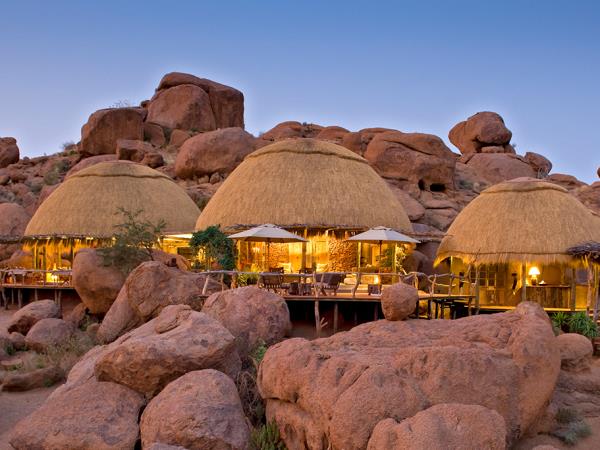
Sustainable Namibia
Sustainable Namibia describes a travel and conservation model that balances wildlife protection, community development, and low-impact tourism. Namibia stands out in Africa because it has built one of the most successful conservation systems on the continent, where tourism directly supports both wildlife populations and rural livelihoods.
Unlike destinations where conservation and tourism operate separately, Sustainable Namibia integrates them into a single framework. National parks, private conservancies, and community-run tourism projects work together to protect ecosystems while generating income for local communities.
For travelers, understanding Sustainable Namibia means recognizing that every safari experience contributes to a larger system of environmental protection and social benefit.
Why Book This Destination
Explore More about Sustainable Namibia
Community-Based Conservation in Namibia
Community-based conservation forms the foundation of Sustainable Namibia. Through communal conservancies, local communities manage wildlife resources on their land while benefiting economically from tourism activities.
This system has transformed rural Namibia, particularly in regions such as Damaraland, Kunene, and the Zambezi Region. Communities actively participate in protecting wildlife, monitoring species, and managing tourism operations.
As a result, populations of elephants, rhinos, and other key species have stabilized or increased in many areas. This success demonstrates how Sustainable Namibia links conservation directly with human development.
Tourism revenue supports schools, healthcare, employment, and infrastructure, creating long-term incentives for wildlife protection.
Private Conservancies and Eco-Lodges
Private conservancies play a major role in Sustainable Namibia by protecting large areas of wilderness while offering low-impact tourism experiences. These conservancies often partner with eco-lodges that operate under strict environmental guidelines.
Lodges in these areas use solar power, water recycling systems, and sustainable building materials to minimize environmental impact. Many properties also limit guest numbers to reduce pressure on ecosystems.
Game viewing in conservancies often feels more exclusive and intimate compared to national parks, enhancing both conservation and visitor experience.
This model ensures that tourism supports habitat preservation rather than degradation.
Wildlife Conservation and Protection
Wildlife conservation lies at the heart of Sustainable Namibia. The country is globally recognized for its successful protection of endangered species, particularly black rhinos and desert-adapted elephants.
Anti-poaching initiatives, ranger programs, and community surveillance systems work together to protect wildlife across vast landscapes.
Namibia’s approach emphasizes coexistence rather than exclusion. Wildlife is not confined to isolated reserves but often moves across communal and private lands, reinforcing the need for integrated conservation systems.
This approach has made Sustainable Namibia a global example of effective wildlife management in challenging environments.
Low-Impact Tourism Practices
Tourism in Sustainable Namibia follows strict principles designed to minimize environmental impact. Many lodges and tour operators focus on low-density tourism, ensuring that visitor numbers remain limited in sensitive ecosystems.
Self-drive safaris and guided tours often follow designated routes to reduce habitat disturbance. Waste management systems and water conservation practices further reduce environmental pressure.
Luxury safari experiences also align with sustainability principles by combining comfort with environmental responsibility.
This balance ensures that tourism supports conservation rather than compromising it.
Renewable Energy and Eco-Design
Energy efficiency plays a significant role in Sustainable Namibia. Many lodges and camps operate entirely on solar power, reducing dependence on fossil fuels.
Eco-design principles guide the construction of tourism facilities, ensuring they blend into natural landscapes and minimize ecological disruption.
Water scarcity, particularly in desert regions, has encouraged innovative water-saving technologies and recycling systems across the tourism industry.
These practices demonstrate how sustainability extends beyond conservation into everyday operational design.
Cultural Sustainability and Community Empowerment
Cultural preservation forms another key pillar of Sustainable Namibia. Tourism helps support indigenous communities such as the Himba, San, Herero, and Nama peoples by creating opportunities for cultural exchange and economic participation.
Community-run cultural tourism initiatives allow visitors to learn about traditional lifestyles while ensuring that communities maintain control over how their culture is represented.
Revenue from tourism supports education, healthcare, and local development projects, reinforcing long-term sustainability.
This approach ensures that Sustainable Namibia protects not only wildlife and landscapes but also cultural heritage.
National Parks and Protected Areas
Namibia’s national parks form the backbone of Sustainable Namibia. Parks such as Etosha National Park, Namib-Naukluft Park, and Bwabwata National Park protect vast ecosystems while supporting regulated tourism.
These protected areas operate under strict conservation policies that balance visitor access with environmental preservation.
Waterhole management, wildlife monitoring, and controlled access zones help maintain ecological stability within parks.
National parks also collaborate with surrounding conservancies, ensuring that conservation extends beyond park boundaries.
Climate Challenges and Sustainability Response
Climate change presents ongoing challenges for Sustainable Namibia, particularly in arid and semi-arid regions where water scarcity already defines ecosystems.
Rising temperatures and changing rainfall patterns impact wildlife movement, vegetation cycles, and water availability.
In response, conservation programs focus on adaptive management strategies, including wildlife corridors, waterhole management, and habitat restoration.
These efforts ensure that ecosystems remain resilient despite environmental changes.
Responsible Travel Practices in Namibia
Travelers play an important role in supporting Sustainable Namibia. Responsible travel behavior includes respecting wildlife distances, minimizing waste, and supporting local businesses.
Choosing eco-certified lodges and community-based tourism operators directly contributes to conservation funding.
Slow travel also enhances sustainability by reducing fuel consumption and allowing deeper engagement with local environments and cultures.
Photography ethics, cultural respect, and environmental awareness further strengthen responsible tourism practices.
Economic Impact of Sustainable Tourism
Tourism represents a critical economic driver for Sustainable Namibia. Revenue generated from safari tourism supports conservation programs, community development, and national economic growth.
Employment opportunities in guiding, hospitality, conservation, and transport sectors depend heavily on tourism activity.
This economic model creates strong incentives to protect natural resources and maintain ecological integrity.
As a result, Sustainable Namibia demonstrates how tourism can serve as both an economic and environmental solution.
Why Sustainable Namibia Matters
Sustainable Namibia matters because it offers a working example of how conservation and development can coexist successfully. The country’s model shows that protecting wildlife and supporting communities can happen simultaneously when systems are well designed.
It also provides travelers with meaningful experiences that contribute directly to conservation outcomes.
Namibia’s success demonstrates that sustainability is not theoretical but practical, measurable, and achievable.
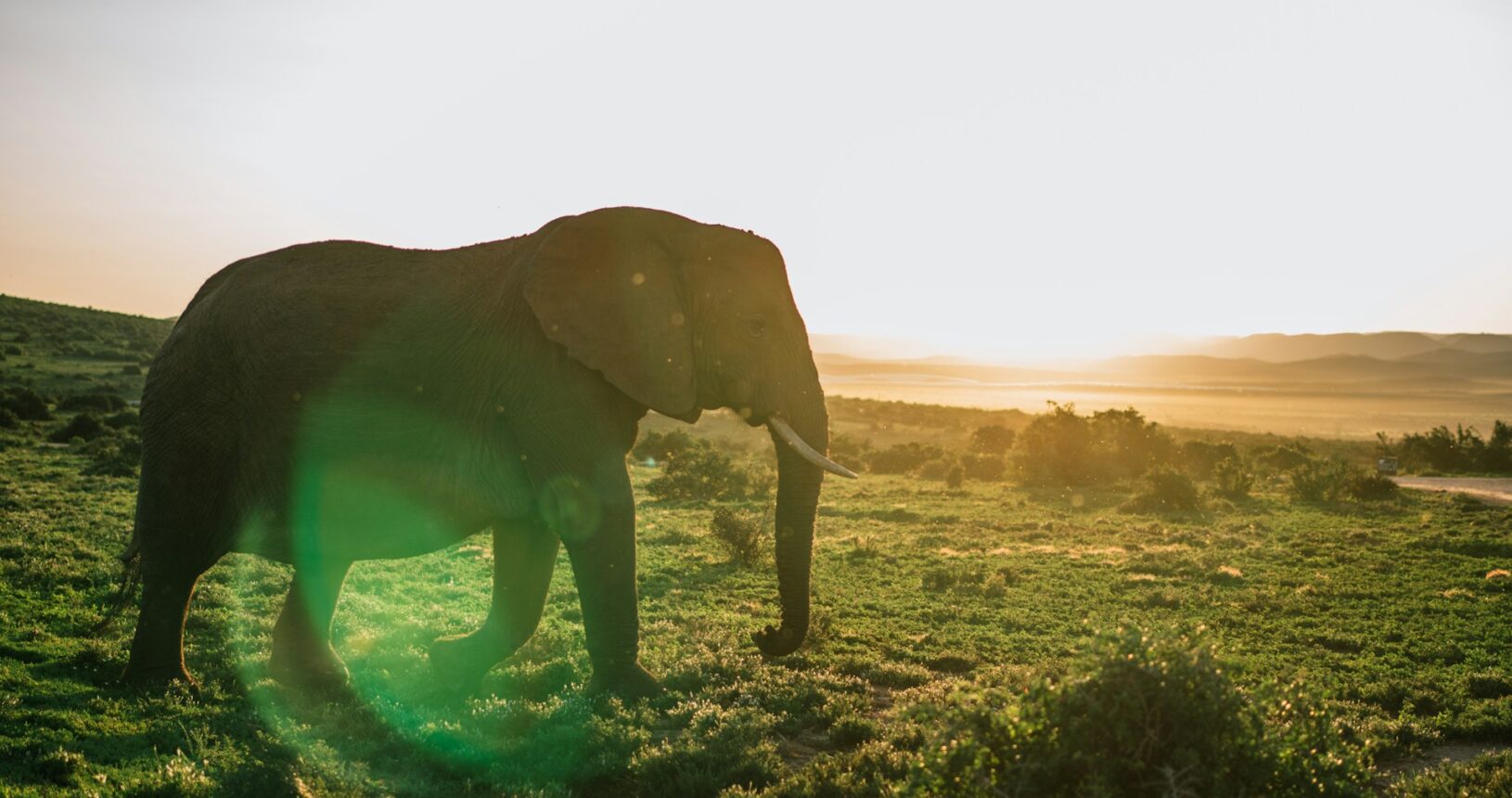
In Africa’s national parks, every sunrise paints a masterpiece — where the wild’s call echoes across endless horizons. Visiting these parks is to witness nature in its purest form, a timeless dance that stirs the soul.

Steps to Book Your Southern Africa Tour
Choose Your Adventure
Confirm Your Booking
Begin Your Journey
Ready to plan your tailor-made safari?