Sossusvlei Safari
February 1, 2026
Big Five Namibia
February 1, 2026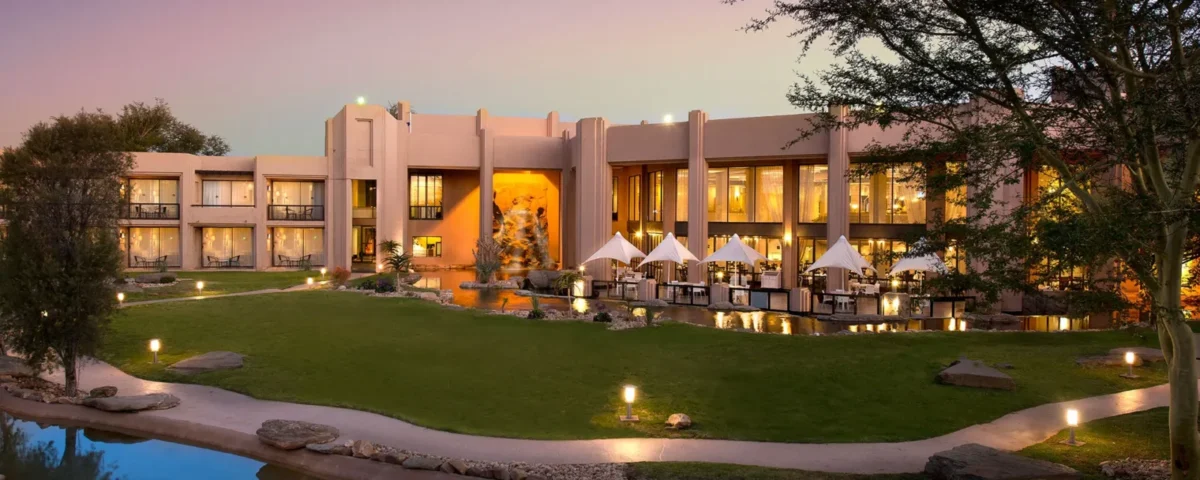
Windhoek
Windhoek is the capital and largest city of Namibia, serving as the country’s political, economic, and cultural center. Located in the heart of the country, Windhoek blends modern urban development with deep historical roots and a relaxed, small-city atmosphere that reflects Namibia’s overall pace of life.
Unlike many African capitals, Windhoek feels spacious, orderly, and calm, surrounded by rolling hills and semi-arid landscapes. It functions as the main gateway for most Namibia safari journeys, with international flights arriving at Hosea Kutako International Airport before travelers continue to destinations such as Etosha National Park, Sossusvlei, Damaraland, and the Skeleton Coast.
The city offers a mix of German colonial architecture, vibrant local culture, museums, markets, restaurants, and viewpoints that introduce visitors to Namibia’s diverse heritage.
Why Book This Destination
Explore More about Windhoek
History of Windhoek
The history of Windhoek reflects a blend of indigenous heritage and colonial influence. Originally inhabited by the Nama and Herero communities, the area became a settlement point due to its natural hot springs.
In the late 19th century, German colonial forces established Windhoek as an administrative center, shaping much of its early architecture and urban planning. Many buildings from this era still stand today, including the Christuskirche (Christ Church), the Old Fortress, and the Tintenpalast (Ink Palace), which now serves as Namibia’s parliament building.
After independence in 1990, Windhoek evolved into a modern African capital while preserving its historical identity.
The Landscape of Windhoek
The landscape surrounding Windhoek consists of rolling hills, dry riverbeds, and scattered acacia vegetation typical of central Namibia’s highland plateau.
The city sits at an elevation of approximately 1,700 meters above sea level, giving it a cooler climate compared to other parts of the country.
From various viewpoints, visitors can see how Windhoek blends urban development with surrounding natural landscapes, creating a unique balance between city life and wilderness.
Sunsets over the city hills often produce warm golden tones that highlight the contrast between modern buildings and natural terrain.
Culture and Heritage in Windhoek
Windhoek represents Namibia’s cultural diversity, bringing together influences from various ethnic groups including Ovambo, Herero, Damara, Nama, and San communities.
German colonial heritage remains visible in architecture, cuisine, and language influences, while modern Namibian culture expresses itself through music, art, fashion, and public life.
The National Museum of Namibia, Independence Memorial Museum, and various cultural centers provide insight into the country’s complex history and identity.
Craft markets and local galleries showcase handmade goods, traditional artwork, and contemporary Namibian creativity.
Attractions in Windhoek
Windhoek offers a variety of attractions that introduce travelers to Namibia before or after safari journeys.
Christuskirche stands as one of the city’s most iconic landmarks, combining Gothic Revival architecture with local stone materials.
The Independence Memorial Museum offers panoramic views and historical exhibitions that explore Namibia’s path to independence.
The Alte Feste (Old Fortress) preserves colonial-era military history and now functions as a museum.
The Post Street Mall and local markets provide opportunities to experience everyday city life, shopping, and street culture.
Food and Dining in Windhoek
The culinary scene in Windhoek reflects both international influence and Namibian tradition. Restaurants serve a mix of European-inspired cuisine, African dishes, and contemporary fusion menus.
Game meat such as oryx, kudu, and springbok appears frequently on menus, alongside fresh seafood and vegetarian options.
Local breweries and cafés contribute to a relaxed dining culture, where visitors often enjoy outdoor seating and slow-paced meals.
Windhoek’s food culture emphasizes quality, freshness, and regional identity.
Activities in Windhoek
Visitors to Windhoek enjoy a range of urban and cultural activities before heading into Namibia’s wilderness regions.
City tours introduce historical landmarks, architecture, and cultural neighborhoods. Craft markets offer opportunities to purchase handmade souvenirs and interact with local artisans.
Nearby nature reserves and viewpoints provide short excursions into surrounding landscapes, offering wildlife sightings such as baboons, antelope, and diverse bird species.
Windhoek also serves as a convenient base for safari planning, vehicle rentals, and travel logistics.
Windhoek as a Safari Gateway
One of the most important roles of Windhoek is its position as the primary gateway to Namibia’s safari circuit.
Most international visitors begin their journey here before traveling north to Etosha National Park, south to Sossusvlei, or west toward the Skeleton Coast.
Tour operators, rental car companies, and travel services are concentrated in the city, making it the central hub for planning Namibia safari itineraries.
Windhoek’s connectivity ensures smooth transitions between urban arrival and wilderness exploration.
Accommodation in Windhoek
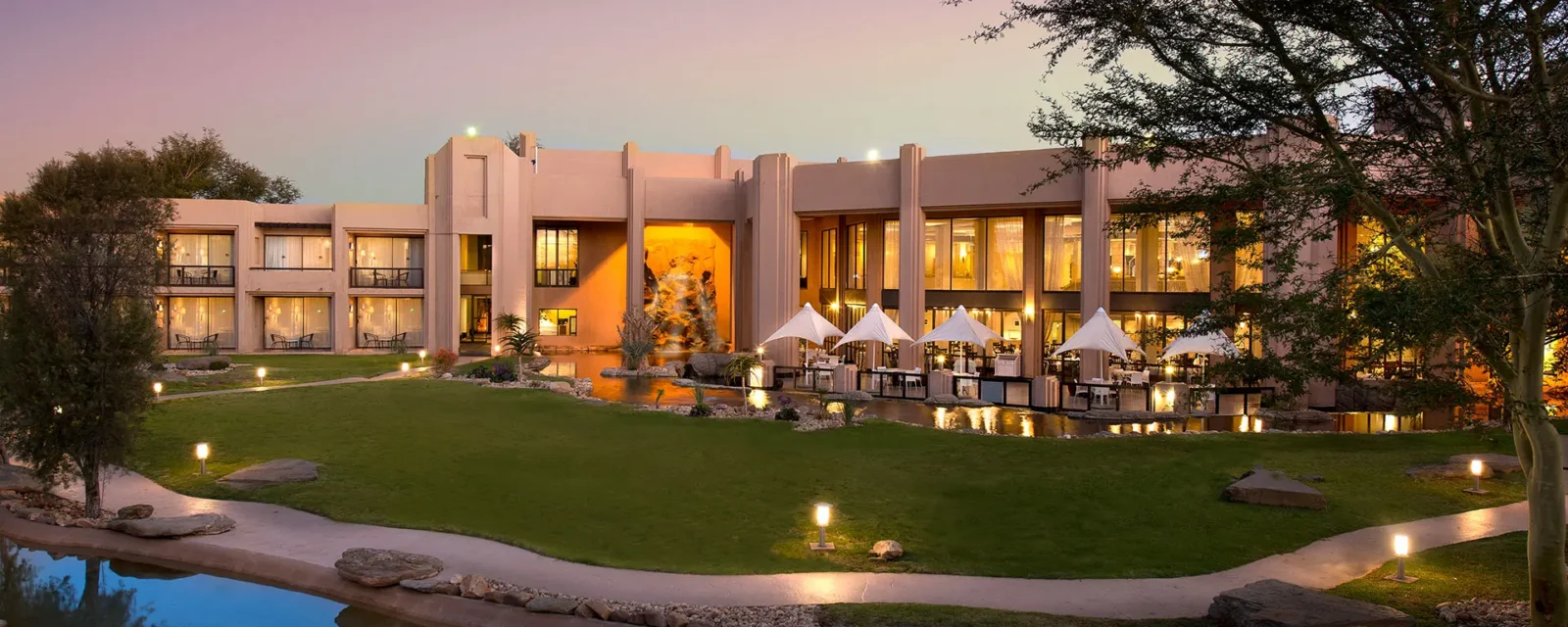
Accommodation in Windhoek ranges from luxury hotels and boutique guesthouses to comfortable lodges and city apartments.
Many properties are located in quiet residential areas or hilltop positions, offering views over the city and surrounding landscapes.
Hotels often provide airport transfers, safari booking services, and pre-tour consultations for travelers heading into Namibia’s national parks and reserves.
Comfort, security, and convenience define the accommodation experience in Windhoek.
Climate and Best Time to Visit Windhoek
Windhoek experiences a semi-arid climate with warm days, cool nights, and relatively low rainfall throughout the year.
The best time to visit aligns with Namibia’s dry season from May to October, which also coincides with peak safari conditions in national parks.
Summer months from November to April bring occasional rainfall, greener landscapes, and warmer temperatures.
The city remains a year-round destination due to its stable climate and central location.
Why Visit Windhoek?
Windhoek offers more than just a stopover city. It provides a meaningful introduction to Namibia’s culture, history, and lifestyle while serving as the starting point for unforgettable safari journeys.
Its calm atmosphere, historical landmarks, and modern amenities make it a comfortable and insightful place to begin or end a trip through Namibia.
For travelers exploring the country’s diverse landscapes, Windhoek connects urban life with wilderness adventure in a uniquely balanced way.
In Africa’s national parks, every sunrise paints a masterpiece — where the wild’s call echoes across endless horizons. Visiting these parks is to witness nature in its purest form, a timeless dance that stirs the soul.
Steps to Book Your Southern Africa Tour
Choose Your Adventure
Confirm Your Booking
Begin Your Journey
Ready to plan your tailor-made safari?