Fish River Canyon
February 1, 2026
Kaokoland
February 1, 2026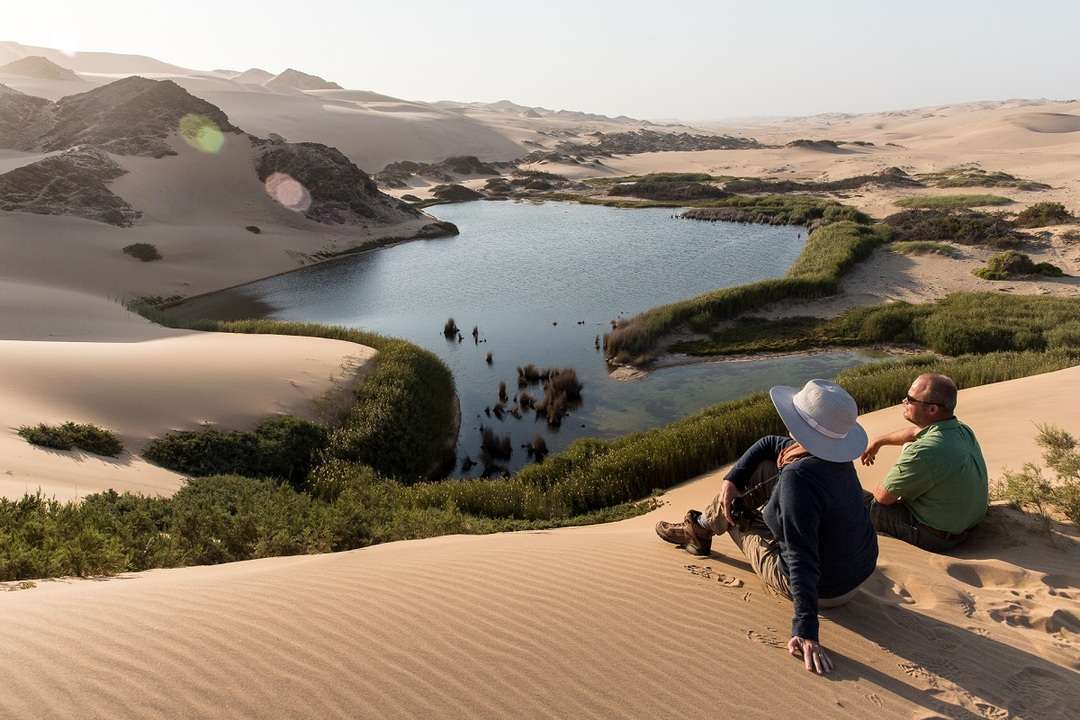
Hoanib Desert
Hoanib Desert is one of Namibia’s most remote and captivating wilderness destinations, offering an extraordinary combination of dramatic desert scenery, rare wildlife, and exclusive safari experiences. Located in the northwestern part of the country within the greater Kaokoveld region, the Hoanib Desert forms part of a vast landscape where towering dunes, dry riverbeds, gravel plains, and rugged mountains create one of Africa’s last truly wild frontiers.
Unlike the famous dunes of Sossusvlei or the wildlife-rich plains of Etosha National Park, Hoanib Desert is renowned for its desert-adapted elephants, elusive predators, breathtaking scenery, and low visitor numbers. The region offers a sense of isolation that few destinations can match, making it a dream destination for travelers seeking authentic wilderness and luxury safaris far from the crowds.
Its untouched beauty and remarkable biodiversity have earned the Hoanib Desert a reputation as one of Namibia’s most exclusive safari regions.
Why Book This Destination
Explore More about Hoanib Desert
Where is Hoanib Desert?
The Hoanib Desert lies in northwestern Namibia, stretching across parts of the Kunene Region between Damaraland and the Skeleton Coast National Park. The landscape is centered around the Hoanib River, an ephemeral river that flows only after seasonal rains but provides a vital ecological corridor throughout the year.
Although the river remains dry for much of the year, underground water supports vegetation that sustains wildlife in this harsh environment.
Most visitors reach the Hoanib Desert by charter flight to one of the region’s luxury safari lodges, although adventurous self-drive travelers with four-wheel-drive vehicles can access certain areas with experienced guides.
Its remote location contributes significantly to its appeal, preserving the wilderness character that defines the region.
The Landscape of Hoanib Desert
The scenery of the Hoanib Desert is both rugged and remarkably diverse. Vast gravel plains gradually give way to towering sand dunes, rocky hills, dry river valleys, and isolated mountain ranges.
The Hoanib River carves through the landscape, creating ribbons of green vegetation that contrast dramatically with the surrounding desert. Ana trees and camel thorn trees flourish along the riverbed, providing essential shade and food for wildlife.
Changing sunlight transforms the colors of the landscape throughout the day, with warm golden mornings and fiery sunsets creating exceptional opportunities for photography.
The immense sense of space and silence makes every journey through the Hoanib Desert unforgettable.
Desert-Adapted Wildlife
One of the greatest attractions of the Hoanib Desert is its extraordinary population of desert-adapted wildlife. These animals have evolved remarkable survival strategies that allow them to thrive in one of Africa’s driest environments.
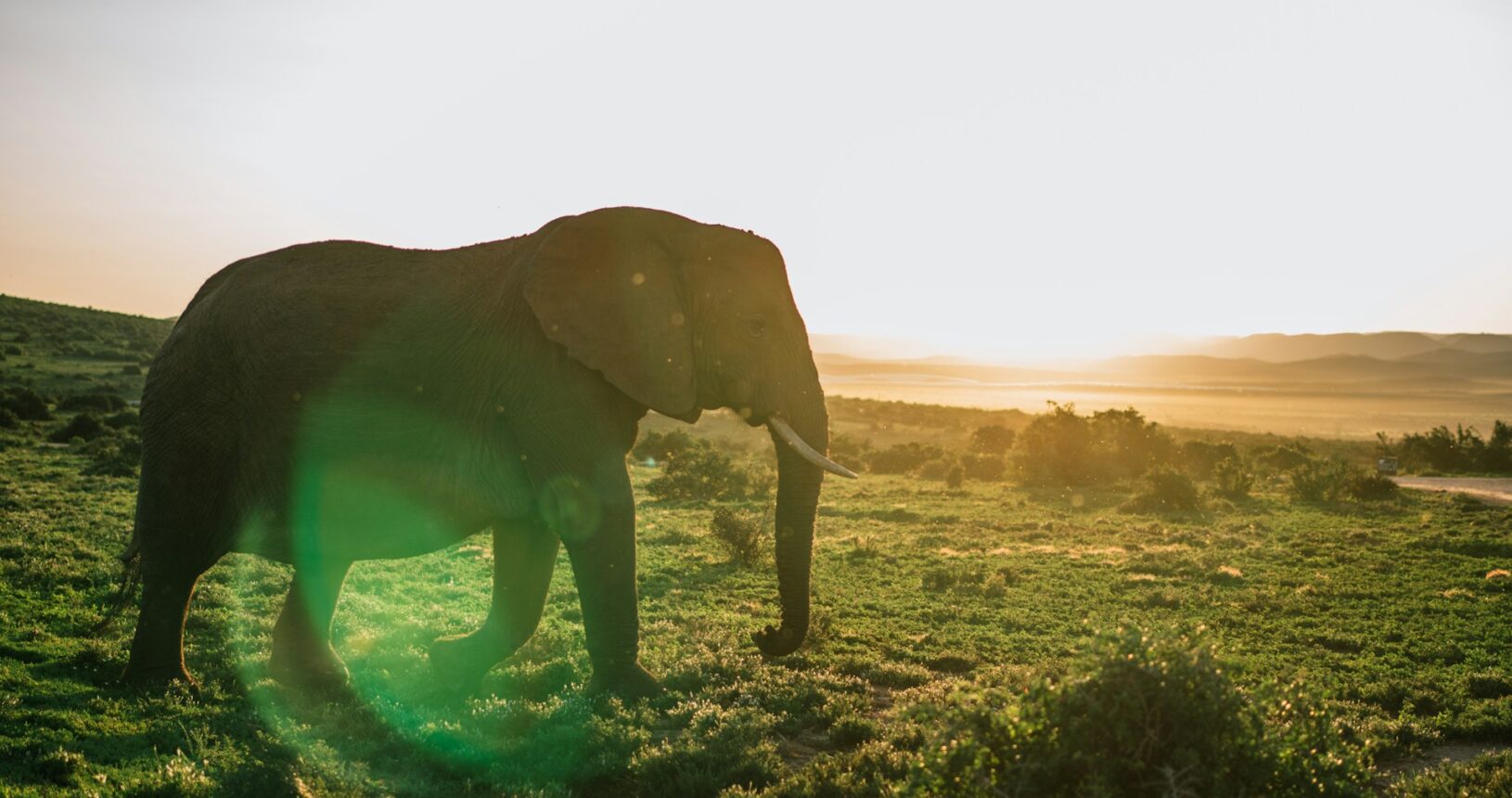
Desert-adapted elephants are the region’s most famous residents. Unlike elephants in wetter ecosystems, they travel long distances along dry riverbeds in search of water and vegetation. Their movements closely follow seasonal conditions and underground water sources.
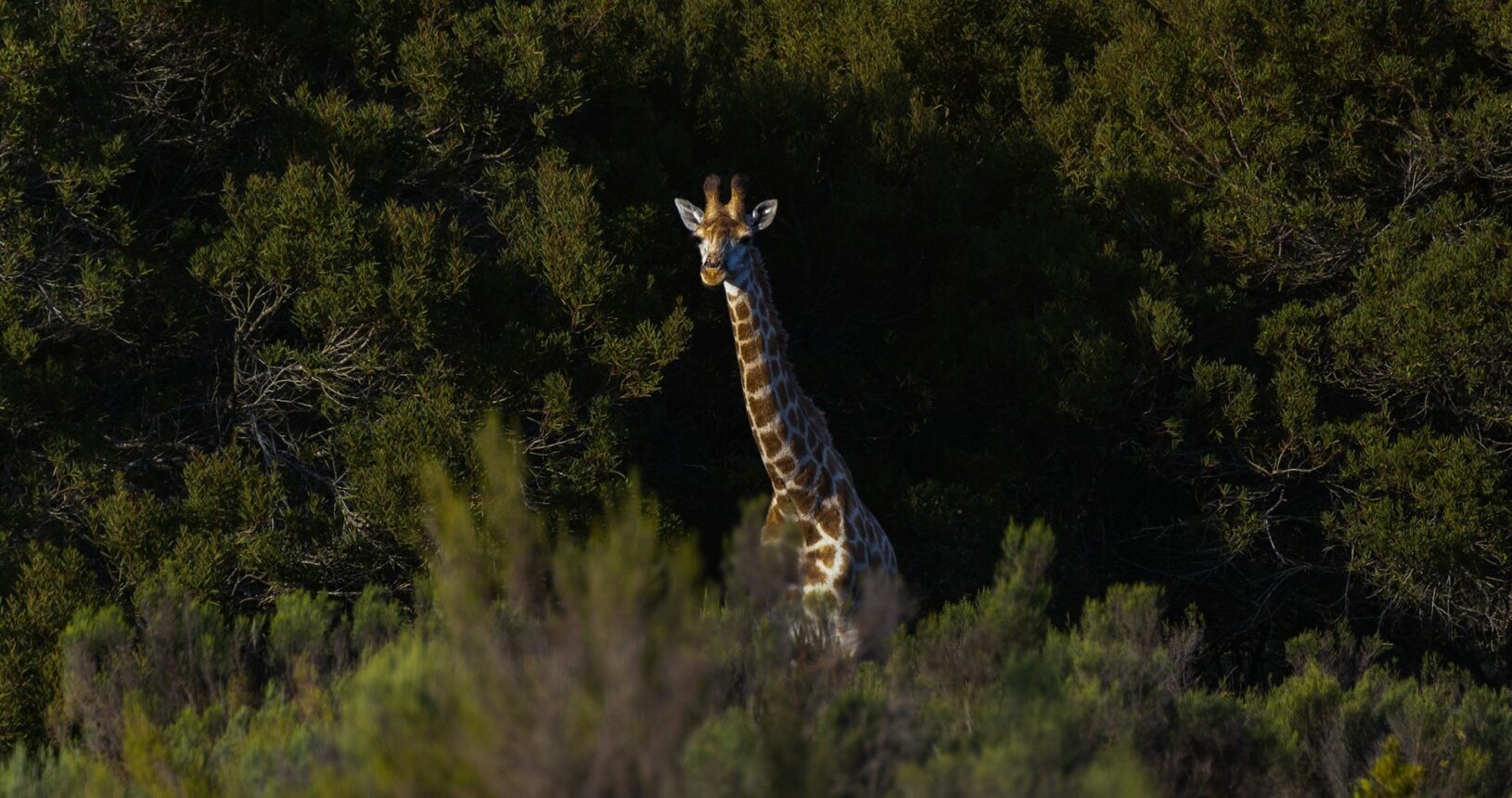
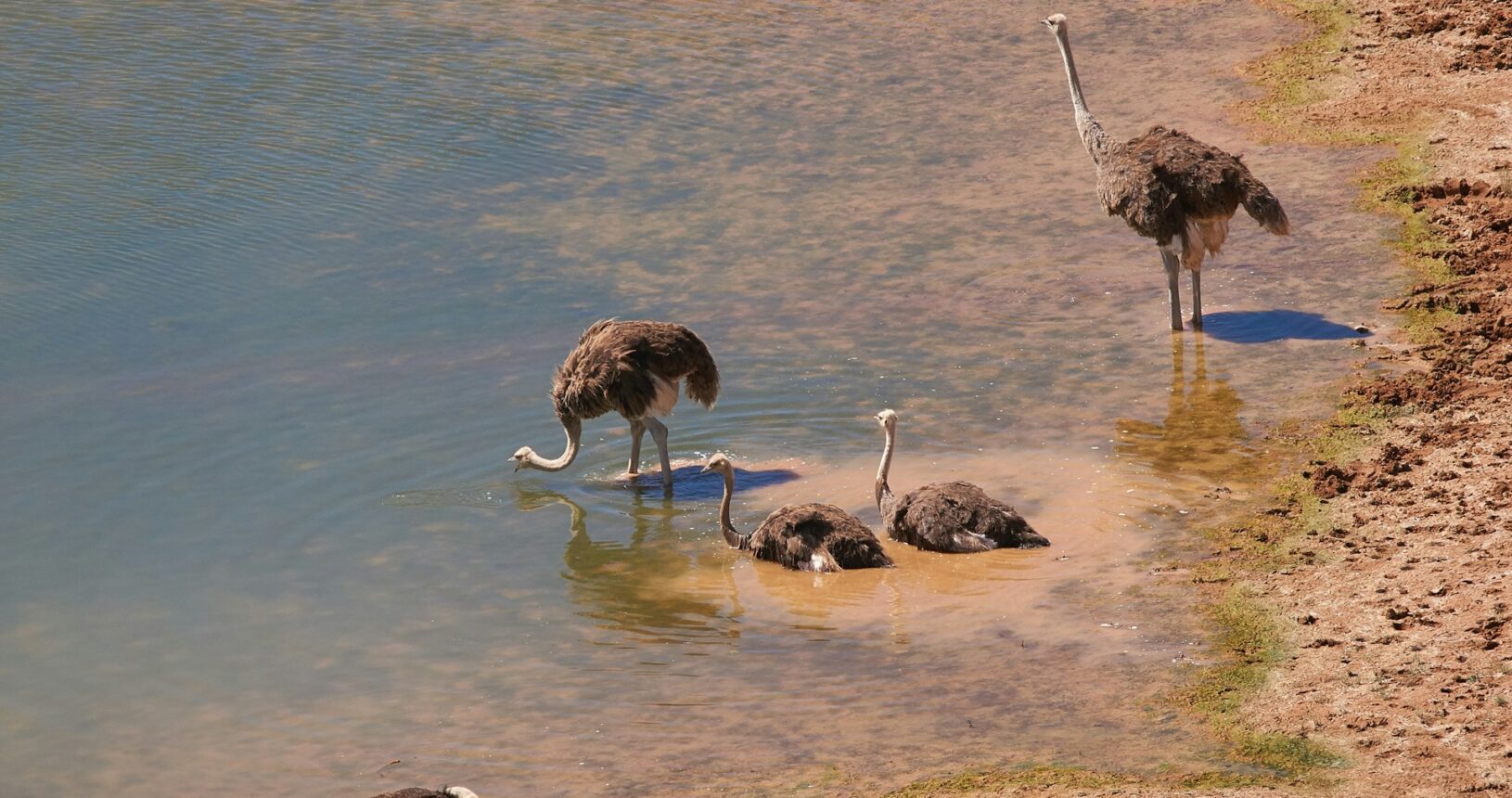
The Hoanib Desert also supports desert-adapted giraffes, mountain zebras, springboks, gemsbok, kudu, and ostriches.
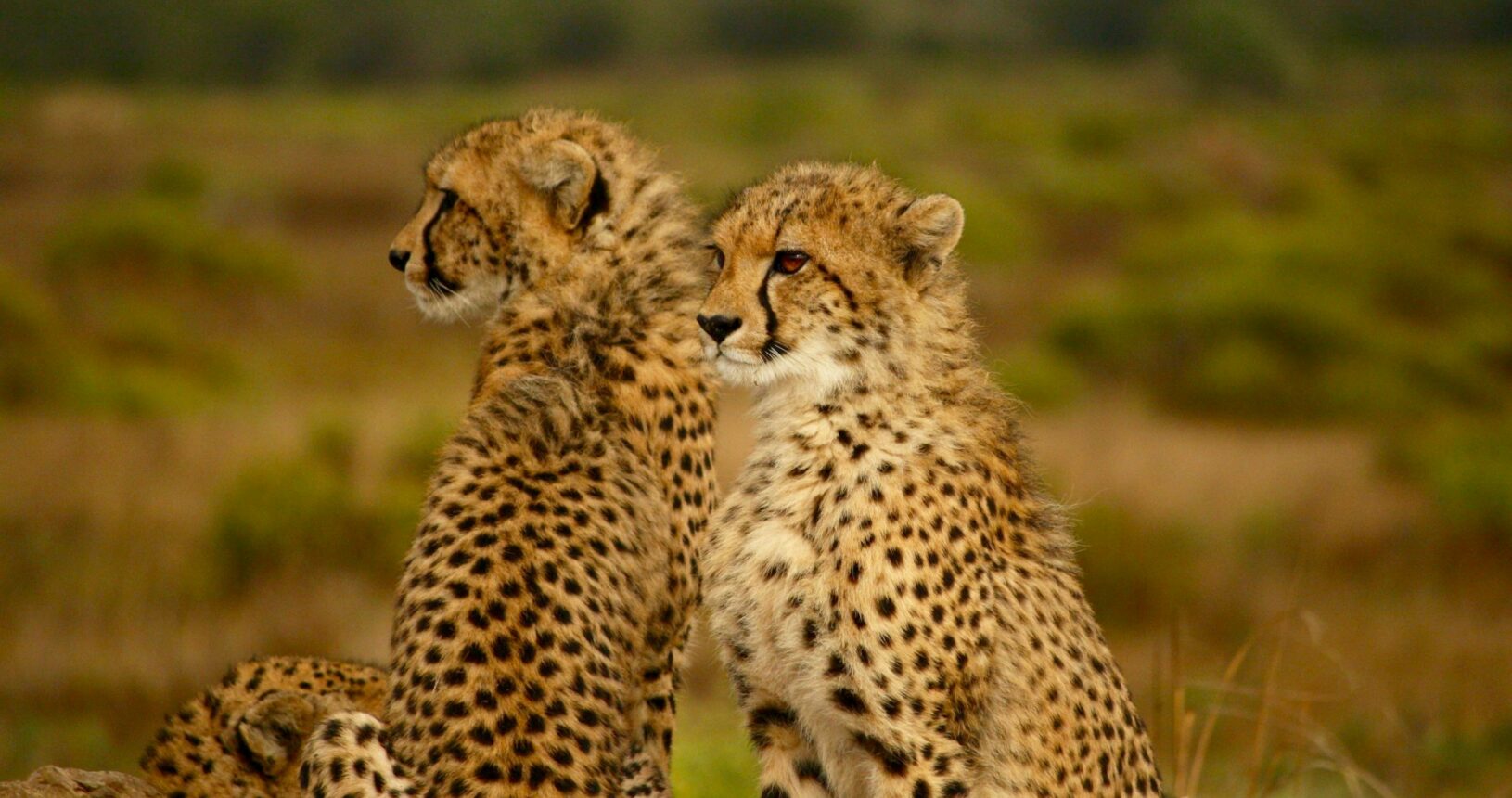
Predators include lions specially adapted to survive in arid conditions. These desert lions roam vast territories and have become one of Namibia’s most iconic conservation success stories. Brown hyenas, black-backed jackals, leopards, and cheetahs also inhabit the region, although sightings remain relatively rare due to the immense landscapes they occupy.
Birdlife in Hoanib Desert
Despite its arid conditions, the Hoanib Desert supports an impressive variety of birdlife.
The vegetation along the Hoanib River attracts numerous resident and migratory birds, including pale chanting goshawks, martial eagles, Verreaux’s eagles, kori bustards, hornbills, and bee-eaters.
Raptors frequently soar above the open plains while smaller species seek shelter among the riverine woodlands.
Birdwatchers often discover surprising diversity within this seemingly harsh environment.
Safari Activities in Hoanib Desert
Exploring the Hoanib Desert involves far more than traditional game drives. Guided wildlife safaris take visitors deep into remote valleys and riverbeds where desert-adapted elephants, giraffes, and other wildlife can often be observed.
Nature drives focus on understanding the desert ecosystem, explaining how plants and animals survive in extreme conditions.
Guided walks provide opportunities to examine animal tracks, desert plants, insects, and geological formations while learning about the ecological importance of ephemeral rivers.
Photography safaris are particularly rewarding because of the dramatic scenery, exceptional light, and unique wildlife encounters.
Many itineraries also include scenic flights over the Skeleton Coast, where travelers witness the remarkable meeting of desert and Atlantic Ocean.
Conservation in Hoanib Desert
The Hoanib Desert forms part of one of Namibia’s most successful conservation landscapes. Community conservancies, private reserves, and government agencies work together to protect wildlife while supporting sustainable tourism.
Conservation initiatives focus heavily on protecting desert-adapted elephants, lions, and black rhinos while reducing conflicts between wildlife and local communities.
Low-impact tourism plays a vital role by generating income that supports conservation programs, local employment, education, and community development.
This collaborative approach has helped Namibia become a global leader in community-based conservation.
Luxury Lodges in Hoanib Desert
Accommodation within the Hoanib Desert consists primarily of exclusive luxury safari camps designed to blend seamlessly into the surrounding wilderness.
These intimate lodges typically feature spacious suites, elegant interiors, private viewing decks, fine dining, and personalized service. Many camps overlook dry riverbeds where wildlife regularly passes nearby.
Guests enjoy expertly guided safari activities while experiencing exceptional comfort in one of Africa’s most remote landscapes.
The limited number of lodges helps preserve the wilderness while ensuring a highly exclusive safari experience.
Best Time to Visit Hoanib Desert
The Hoanib Desert can be visited throughout the year, although the dry season from May to October generally offers the best wildlife viewing.
During these cooler months, animals concentrate around vegetation and remaining water sources along the Hoanib River, making sightings more frequent.
The summer months from November to April occasionally bring rainfall that transforms parts of the desert with fresh vegetation and dramatic cloud formations.
Photographers often appreciate both seasons for their unique lighting and changing landscapes.
Why Visit Hoanib Desert?
The Hoanib Desert offers one of Namibia’s most extraordinary safari experiences by combining dramatic scenery, rare wildlife, luxury accommodation, and genuine wilderness.
Its remote location allows visitors to experience a quieter side of Namibia where vast landscapes replace crowds and every wildlife sighting feels truly special.
Whether tracking desert-adapted elephants, photographing sweeping dunes, exploring ancient riverbeds, or simply enjoying the silence of one of Africa’s last great wilderness areas, the Hoanib Desert provides an unforgettable journey.
For travelers seeking exclusivity, conservation, and adventure, few destinations rival the beauty and authenticity of the Hoanib Desert.
In Africa’s national parks, every sunrise paints a masterpiece — where the wild’s call echoes across endless horizons. Visiting these parks is to witness nature in its purest form, a timeless dance that stirs the soul.
Steps to Book Your Southern Africa Tour
Choose Your Adventure
Confirm Your Booking
Begin Your Journey
Ready to plan your tailor-made safari?