
Wildlife in Mozambique
February 1, 2026
Damaraland
February 1, 2026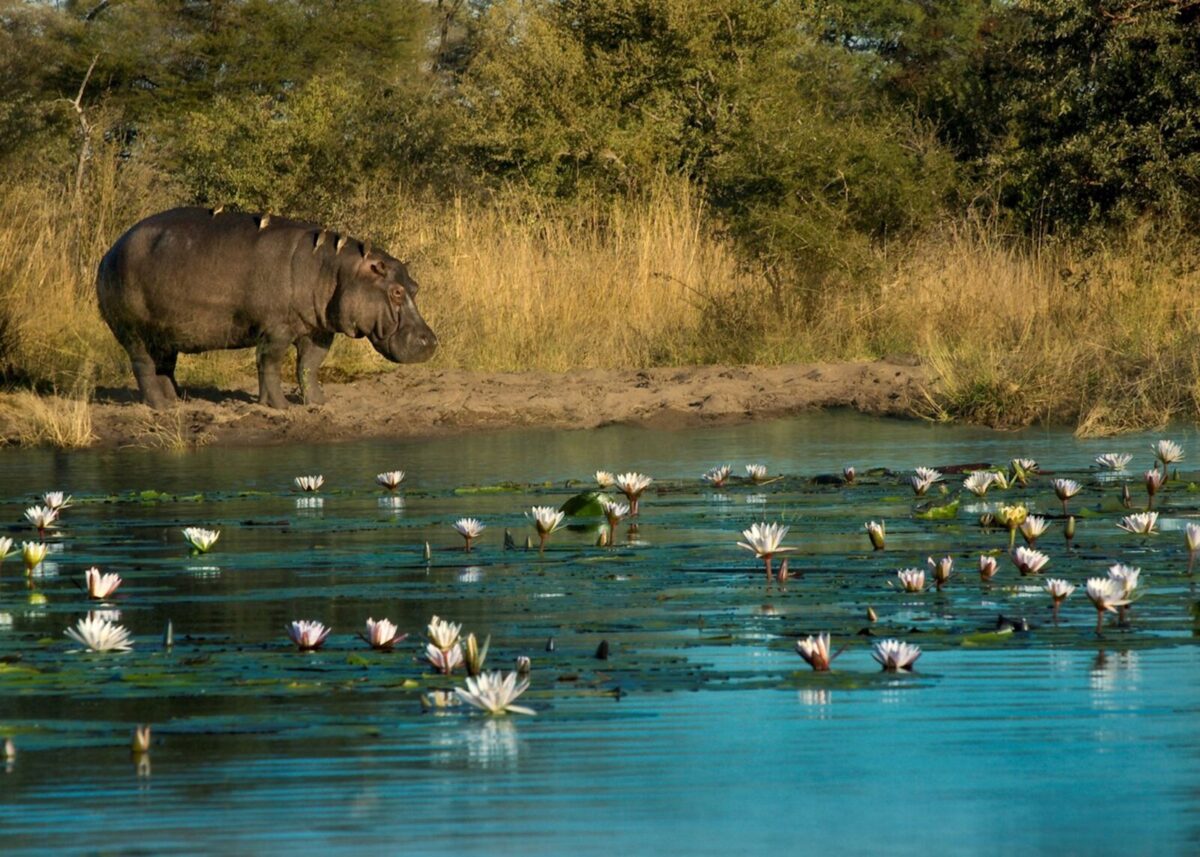
Caprivi (Zambezi Region)
Caprivi (Zambezi Region), now officially known as the Zambezi Region, forms one of Namibia’s most biologically rich and dramatically different landscapes. Unlike the country’s iconic desert regions, this northeastern strip of land is defined by water, wetlands, rivers, and dense riverine forests.
The region sits at the meeting point of four countries—Namibia, Botswana, Zambia, and Angola—creating a unique ecological corridor where wildlife moves freely across borders. This abundance of water transforms Caprivi (Zambezi Region) into a green safari destination where elephants, hippos, crocodiles, and hundreds of bird species thrive year-round.
For travelers exploring Namibia, this region offers a completely different experience from the Namib Desert or Etosha National Park. It feels tropical, lush, and slow-moving, yet deeply wild and untouched.
Why Book This Destination
Explore More about Caprivi (Zambezi Region)
The Landscape of Caprivi (Zambezi Region)
The landscape of Caprivi (Zambezi Region) is shaped by major river systems including the Zambezi, Kwando, Linyanti, and Chobe rivers. These waterways create floodplains, reed beds, lagoons, and channels that support a dense concentration of wildlife.
Unlike Namibia’s arid west, this region receives higher rainfall and maintains green vegetation throughout much of the year. Grasslands stretch into papyrus swamps, while riverine forests provide shade and habitat for both large mammals and birdlife.
The constant presence of water defines movement, feeding patterns, and migration routes, making the region one of the most dynamic ecosystems in Southern Africa.
Wildlife in Caprivi (Zambezi Region)
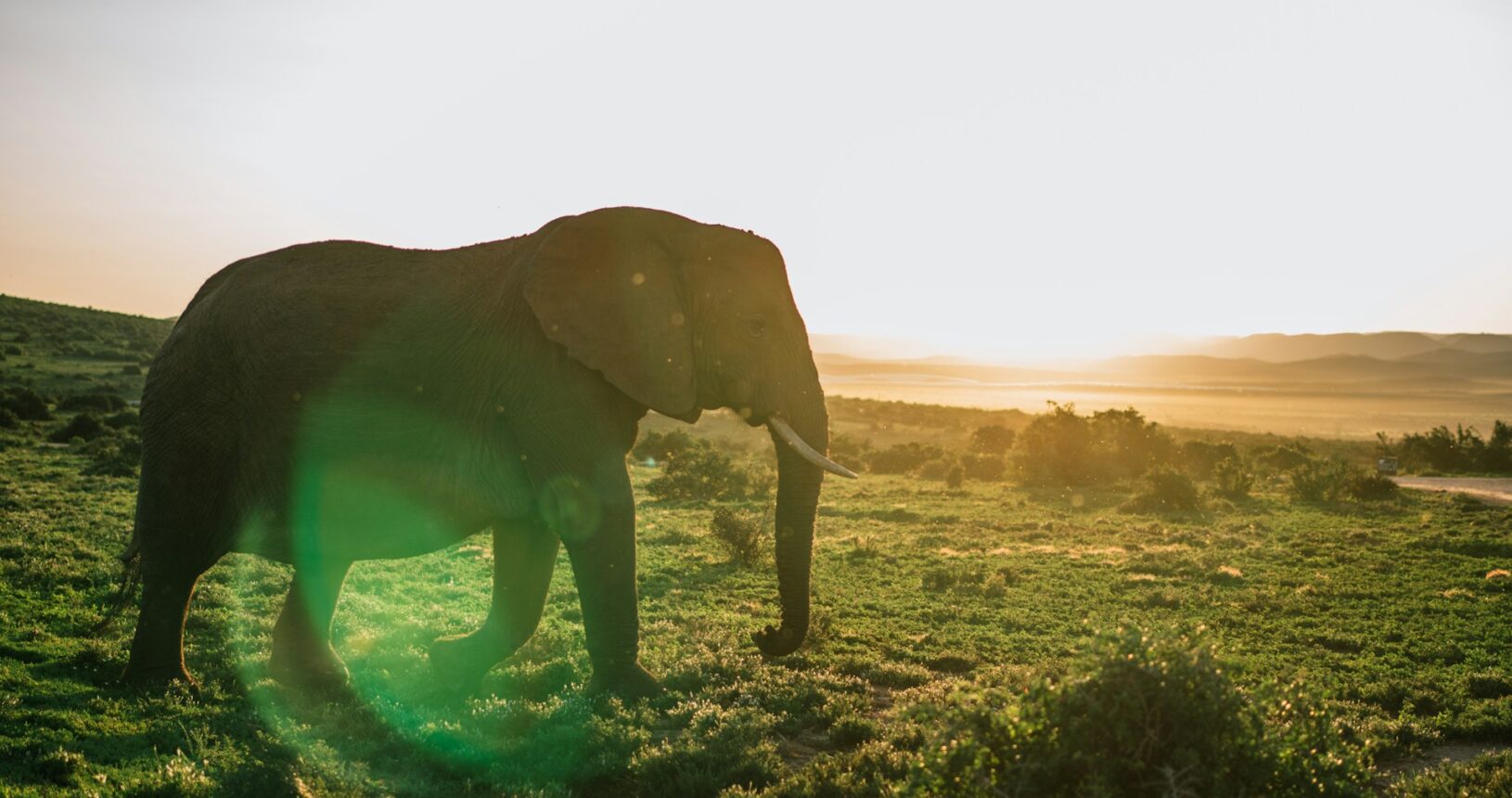
Caprivi (Zambezi Region) offers some of the most diverse wildlife experiences in Namibia. Large elephant herds frequently move between river systems, especially along the Chobe River corridor.
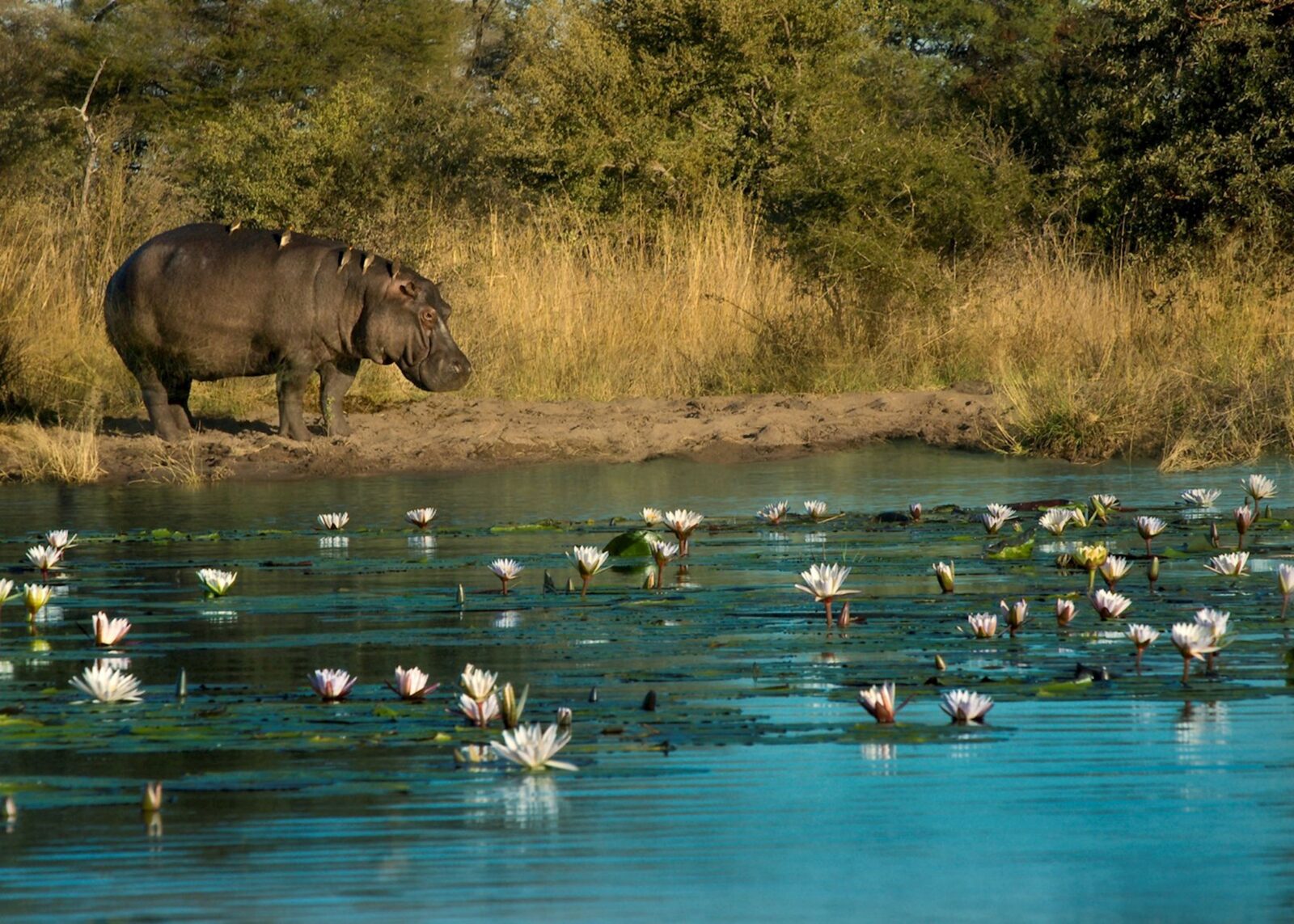
Hippos dominate the waterways, while crocodiles rest along sandy banks. Buffalo herds gather in the floodplains, and antelope species such as lechwe, sitatunga, kudu, and impala thrive in the dense vegetation.
Predators such as lions and leopards are present but more elusive due to thick vegetation and expansive territory.
Birdlife is exceptional, with over 400 recorded species. Kingfishers, fish eagles, bee-eaters, herons, and migratory species create one of the richest birdwatching environments in Africa.
River Safaris and Water-Based Experiences
One of the defining features of Caprivi (Zambezi Region) is the opportunity to experience river safaris. Unlike traditional game drives, these safaris take place on boats or mokoros, offering a completely different perspective of wildlife viewing.
Slow boat cruises along the Zambezi and Chobe rivers allow travelers to observe elephants drinking at the water’s edge, hippos surfacing near the boat, and crocodiles sunbathing along the banks.
Sunset cruises are particularly popular, as golden light reflects off the water while wildlife gathers at the riverbanks. This creates some of the most peaceful and photogenic safari moments in Namibia.
National Parks and Protected Areas
The region includes several important protected areas that define Caprivi (Zambezi Region) as a conservation stronghold. Bwabwata National Park stretches across much of the corridor, allowing both wildlife protection and controlled human settlement.
Mudumu National Park and Nkasa Rupara National Park further enhance biodiversity protection, focusing on wetland ecosystems and large mammal conservation.
These parks operate differently from Namibia’s desert parks by integrating local communities into conservation efforts, ensuring that wildlife and people coexist within shared landscapes.
Climate and Seasonal Changes
The climate of Caprivi (Zambezi Region) differs significantly from the rest of Namibia. The region experiences a subtropical climate with higher humidity and more consistent rainfall.
The wet season transforms the landscape into a lush green environment with high water levels in rivers and floodplains. Wildlife disperses widely during this time, and bird migration peaks.
During the dry season, animals concentrate along permanent water sources, making wildlife viewing easier and more predictable.
This seasonal rhythm shapes the entire safari experience in the region.
Cultural Communities in Caprivi (Zambezi Region)
Human presence plays an important role in Caprivi (Zambezi Region), where several communities live in and around protected areas. Ethnic groups such as the Lozi, Subia, Mafwe, and Mbukushu maintain cultural traditions closely linked to rivers and fishing.
Fishing, agriculture, and small-scale livestock farming form the foundation of local livelihoods. Cultural practices often reflect the importance of water and seasonal cycles.
Community-based tourism initiatives allow visitors to engage with local traditions while supporting conservation and sustainable development.
Activities in Caprivi (Zambezi Region)
Travelers exploring Caprivi (Zambezi Region) can enjoy a wide range of activities centered around water and wildlife. Boat safaris remain the most iconic experience, offering close encounters with hippos, elephants, and birds.
Game drives through national parks provide traditional safari experiences, especially in Bwabwata and Mudumu National Parks.
Fishing is also popular, particularly for tiger fish in the Zambezi River, attracting anglers from around the world.
Birdwatching, photography, and guided nature walks further enhance the region’s appeal.
Accommodation in Caprivi (Zambezi Region)
Accommodation in Caprivi (Zambezi Region) ranges from riverside lodges to eco-friendly tented camps. Many properties are located along riverbanks, offering direct views of wildlife and water systems.
Lodges often feature elevated decks, open-air dining areas, and boat transfer services that enhance the river safari experience.
The focus remains on immersive nature experiences rather than urban-style luxury, although comfort and service standards remain high.
Why Caprivi (Zambezi Region) Is Unique in Namibia
Caprivi (Zambezi Region) stands out because it completely contrasts Namibia’s desert identity. While most of the country is defined by arid landscapes, this region offers water-rich ecosystems that feel closer to the Okavango Delta or Chobe River systems.
This ecological diversity makes Namibia one of the most varied safari destinations in Africa, combining desert, wildlife plains, mountains, and wetlands within a single country.
For travelers seeking variety, the Zambezi Region adds depth and balance to any Namibia itinerary.
In Africa’s national parks, every sunrise paints a masterpiece — where the wild’s call echoes across endless horizons. Visiting these parks is to witness nature in its purest form, a timeless dance that stirs the soul.
Steps to Book Your Southern Africa Tour
Choose Your Adventure
Confirm Your Booking
Begin Your Journey
Ready to plan your tailor-made safari?