Packing List for a Mozambique Safari
February 1, 2026
Caprivi (Zambezi Region)
February 1, 2026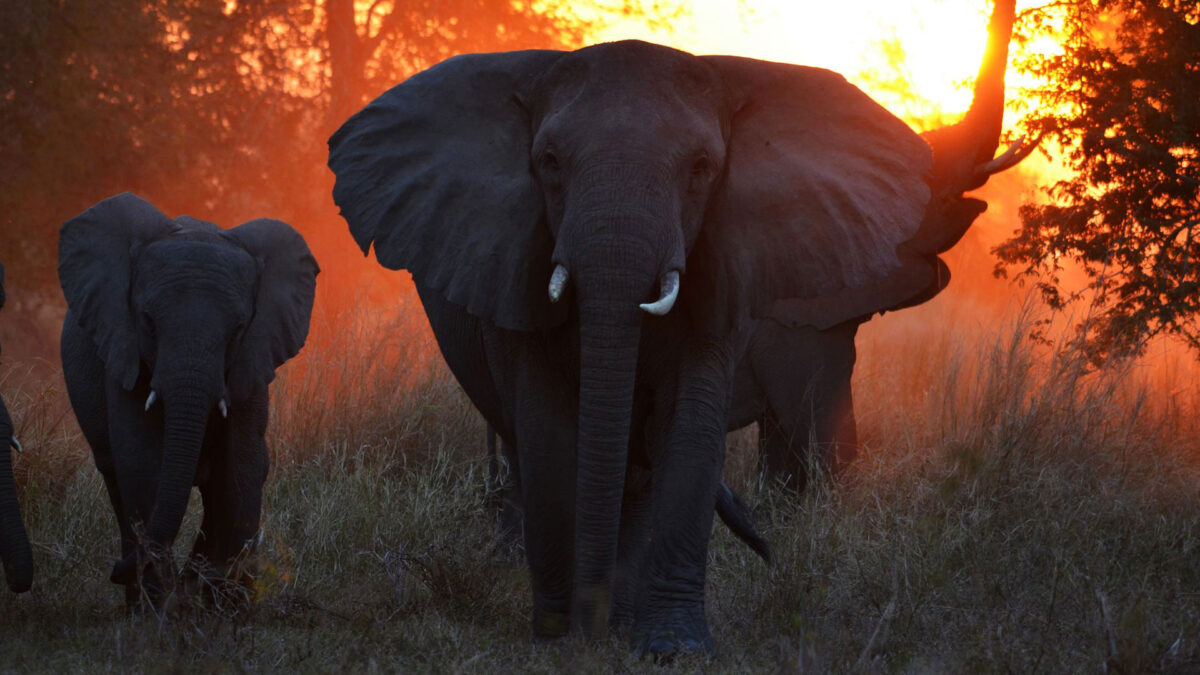
Wildlife in Mozambique
Wildlife in Mozambique reflects one of Southern Africa’s most diverse and recovering ecosystems, where inland savannahs, coastal forests, wetlands, and marine environments all support a wide range of animal species. Unlike heavily commercialized safari destinations, Mozambique offers a more raw and less crowded wildlife experience, especially in places like Gorongosa National Park, Niassa Reserve, and the country’s vast coastline and islands.
What makes wildlife in Mozambique unique is the strong combination of land and marine ecosystems. Travelers can observe elephants, lions, and antelope in inland parks, then move to the coast to see dolphins, whale sharks, manta rays, and sea turtles. This dual experience creates one of the most diverse safari environments in Africa.
Mozambique continues to rebuild its wildlife populations after years of conservation challenges, and today it stands as a growing success story in African wildlife recovery and eco-tourism.
Why Book This Destination
Explore More about Wildlife in Mozambique
Major Safari Animals in Mozambique
The inland regions of wildlife in Mozambique are dominated by classic African safari species, especially within protected areas like Gorongosa National Park.
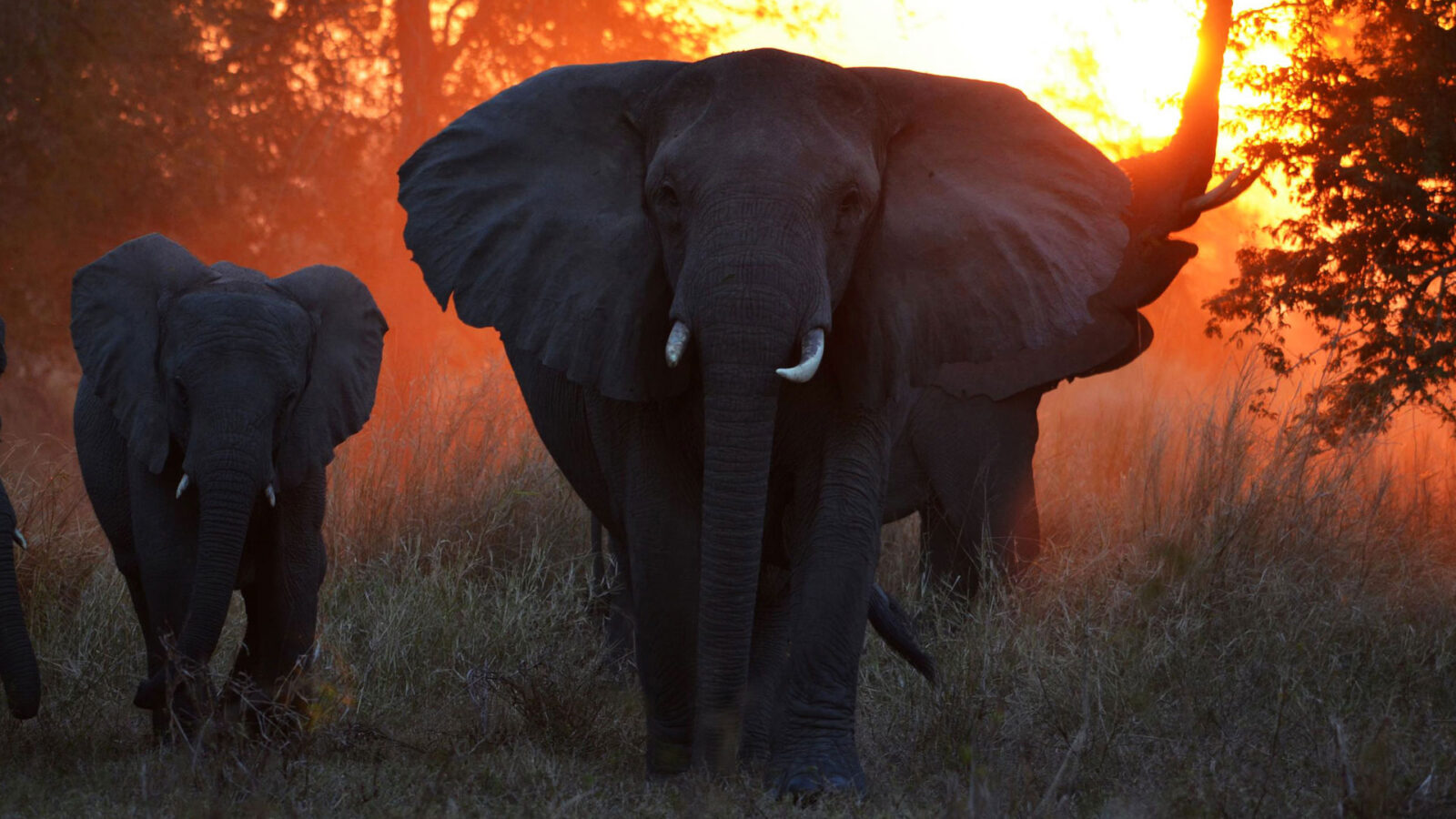
Elephants remain one of the most iconic species in Mozambique. Conservation efforts in Gorongosa have helped elephant populations gradually recover, and sightings are increasingly common across the park’s floodplains and woodland areas.
Lions also roam parts of Mozambique’s national parks, particularly in Gorongosa, where rewilding programs have helped re-establish predator populations.
Leopards exist but are more elusive, often found in dense woodland and remote regions where human activity remains limited.
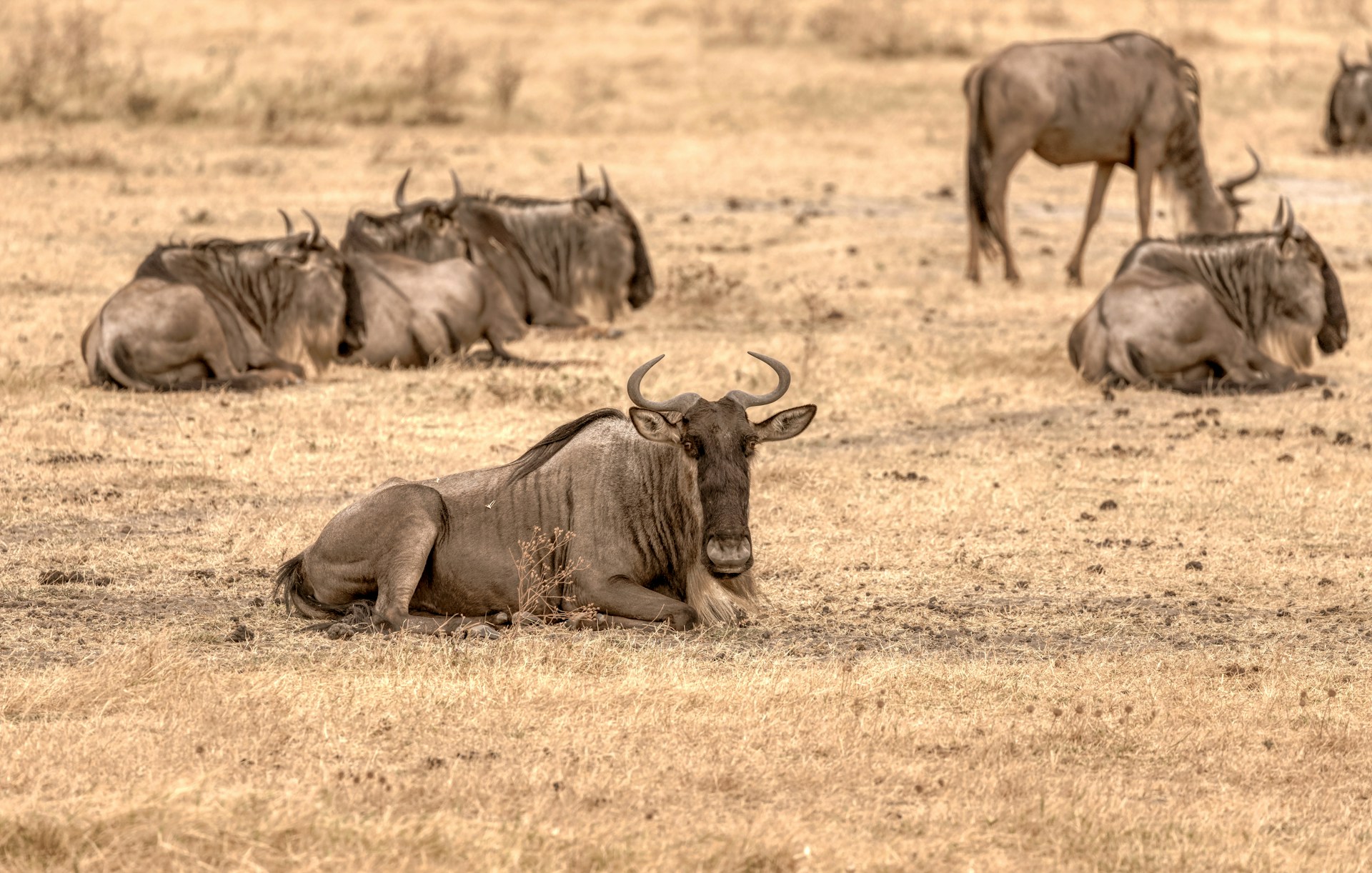
Buffalo, zebra, wildebeest, and various antelope species such as impala, kudu, and waterbuck form the backbone of Mozambique’s herbivore populations, supporting a growing predator-prey balance.
Gorongosa National Park Wildlife
Gorongosa National Park stands at the heart of wildlife in Mozambique and represents one of Africa’s most important conservation success stories.
The park hosts a wide variety of ecosystems, including floodplains, grasslands, forests, and wetlands, which support diverse wildlife populations.
Birdlife in Gorongosa is especially rich, with hundreds of species recorded across different habitats. Migratory birds also pass through the region, making it a strong destination for birdwatching.
The park’s restoration efforts have reintroduced and protected key species, allowing ecosystems to recover naturally. Visitors often experience game drives that feel wild, uncrowded, and authentic compared to more commercial safari parks in other countries.
Marine Wildlife in Mozambique
A defining feature of wildlife in Mozambique is its rich marine ecosystem along the Indian Ocean coastline.
The Bazaruto Archipelago and Quirimbas Archipelago host some of the most important marine biodiversity zones in the region. These areas support coral reefs, seagrass beds, and deep ocean channels that attract large marine species.
Dolphins are commonly seen along the coast, often encountered during boat trips and catamaran excursions. Several species, including bottlenose and humpback dolphins, inhabit Mozambican waters.
Whale sharks and manta rays are seasonal highlights, especially around the Bazaruto Archipelago, where warm waters create ideal feeding conditions.
Sea turtles also nest along Mozambique’s beaches, particularly green and hawksbill turtles, which rely on protected coastal areas for reproduction.
Birdlife in Mozambique
Bird diversity forms a major part of wildlife in Mozambique, with habitats ranging from wetlands and mangroves to savannahs and coastal forests.
Species such as fish eagles, kingfishers, herons, hornbills, and bee-eaters are commonly observed across different regions.
Wetland areas and river systems support large populations of waterbirds, while coastal zones attract seabirds and migratory species.
Gorongosa National Park remains one of the best birdwatching destinations in the country due to its ecological diversity and protected status.
Coastal and Forest Wildlife
Beyond major safari parks, wildlife in Mozambique also thrives in coastal forests and mangrove ecosystems.
Small mammals such as bush babies, monkeys, and duikers inhabit forested areas near the coast. These species adapt well to transitional environments where forest meets ocean.
Mangrove systems support crabs, fish nurseries, and bird species that depend on tidal ecosystems for feeding and breeding.
Reptiles such as monitor lizards and various snake species are also present, especially in warmer, humid regions.
Conservation and Wildlife Recovery
A major part of wildlife in Mozambique today involves conservation and ecological restoration.
After years of conflict and habitat loss, many wildlife populations declined significantly. However, ongoing conservation efforts in places like Gorongosa have helped restore ecosystems and reintroduce key species.
International partnerships, local community involvement, and sustainable tourism initiatives now support long-term wildlife recovery.
Marine conservation is also expanding, with protected areas established to safeguard coral reefs, fish populations, and endangered marine species.
Best Places to See Wildlife in Mozambique
Several regions define the experience of wildlife in Mozambique.
Gorongosa National Park offers classic safari wildlife, including elephants, lions, and diverse bird species.
Niassa Reserve provides one of Africa’s largest protected wilderness areas, with remote and less-developed safari experiences.
The Bazaruto Archipelago delivers marine wildlife encounters, including dolphins, whale sharks, and sea turtles.
The Quirimbas Archipelago offers both marine and coastal wildlife in a remote island setting.
Best Time to See Wildlife in Mozambique
The best time to experience wildlife in Mozambique depends on the type of safari.
The dry season from May to October offers the best conditions for land-based wildlife viewing. Animals gather around water sources, making sightings more predictable.
Marine wildlife viewing is strong year-round, but whale sharks and manta rays are more common during warmer months.
Birdwatching is excellent throughout the year, with seasonal migrations enhancing diversity.
Final Insight
Wildlife in Mozambique offers a rare combination of inland safari ecosystems and rich marine environments, creating one of Africa’s most diverse but still underexplored wildlife destinations.
From the recovering landscapes of Gorongosa to the coral-rich waters of the Indian Ocean, Mozambique delivers an authentic and less crowded safari experience. It stands out for its natural beauty, ecological recovery, and the seamless connection between land and sea wildlife.
For travelers seeking something beyond traditional safari circuits, Mozambique offers a wild, evolving, and deeply rewarding wildlife experience.
In Africa’s national parks, every sunrise paints a masterpiece — where the wild’s call echoes across endless horizons. Visiting these parks is to witness nature in its purest form, a timeless dance that stirs the soul.
Steps to Book Your Southern Africa Tour
Choose Your Adventure
Confirm Your Booking
Begin Your Journey
Ready to plan your tailor-made safari?