Island of Mozambique
February 1, 2026
Ponta do Ouro
February 1, 2026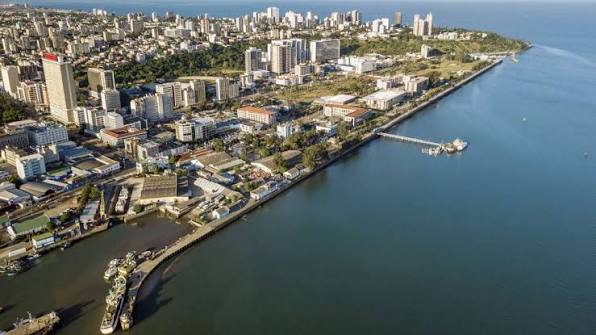
Maputo
Maputo, the capital and largest city of Mozambique, is a vibrant destination where African traditions, Portuguese heritage, contemporary culture, and a stunning Indian Ocean coastline come together. Located in the country's far south, Maputo serves as Mozambique's political, economic, and cultural heart while offering visitors an exciting mix of history, architecture, art, cuisine, nightlife, and coastal attractions.
Unlike Mozambique's famous beach resorts and safari destinations, Maputo delivers an urban travel experience filled with lively markets, tree-lined avenues, historic landmarks, excellent restaurants, and a thriving creative scene. It is often the first stop for international visitors and an ideal place to begin or end a journey through the country.
Whether you are interested in colonial architecture, local food, museums, shopping, or simply experiencing everyday life in Mozambique, Maputo offers a dynamic introduction to the nation’s rich culture and hospitality.
Why Book This Destination
Explore More about Maputo
Where Is Maputo?
Maputo lies on the southern coast of Mozambique along the shores of Maputo Bay, one of the largest natural bays in Africa. The city sits close to the borders of South Africa and Eswatini (formerly Swaziland), making it easily accessible by both road and air.
Maputo International Airport connects the city with major destinations across Southern and East Africa, including Johannesburg, Nairobi, Addis Ababa, Dar es Salaam, and several domestic locations. Well-maintained highways also allow visitors to drive from neighboring South Africa in just a few hours.
Its strategic location has made Maputo an important trading port for centuries and continues to support its role as the country's commercial center.
A Brief History of Maputo
The history of Maputo reflects centuries of trade, exploration, and cultural exchange.
Before European settlement, local communities lived along the shores of Maputo Bay and participated in regional trade networks with Arab and Swahili merchants. During the Portuguese colonial period, the city grew into an important administrative and commercial center.
Originally known as Lourenço Marques, the city became the capital of Portuguese East Africa in the late nineteenth century. Many of the elegant buildings constructed during this period still define Maputo’s architectural character today.
Following Mozambique’s independence in 1975, the city adopted the name Maputo and became the capital of the newly independent nation. Since then, it has developed into a modern African city while preserving much of its historical charm.
Colonial Architecture and Historic Landmarks
One of the most distinctive features of Maputo is its impressive collection of colonial-era architecture.
Walking through the city center reveals wide boulevards lined with jacaranda trees, elegant government buildings, historic hotels, railway stations, churches, and beautifully preserved Portuguese-style homes.
The Maputo Railway Station is widely regarded as one of the most beautiful train stations in Africa. Designed with striking architectural details, the station has become one of the city's most recognizable landmarks and now hosts exhibitions and cultural events.
Another important attraction is the Fortress of Maputo, originally built to defend the city during the colonial era. Today, it serves as a museum showcasing Mozambique’s military history and the struggle for independence.
The Cathedral of Our Lady of the Immaculate Conception, with its distinctive white façade, remains one of the city's most iconic religious landmarks.
Museums and Cultural Attractions
Maputo offers several museums that help visitors understand Mozambique’s history, culture, and artistic heritage.
The National Museum of Art houses an impressive collection of contemporary and traditional Mozambican artwork, featuring paintings, sculptures, and mixed-media exhibitions created by some of the country's leading artists.
The Museum of Natural History is famous for its unique collection of elephant fetuses, along with exhibits highlighting Mozambique’s biodiversity and wildlife.
Art galleries throughout the city showcase emerging local talent, while cultural centers regularly host music performances, exhibitions, theatre productions, and festivals that celebrate Mozambican creativity.
Local Markets and Shopping
Exploring Maputo’s markets offers one of the best ways to experience the city's everyday life.
The Municipal Market, often called the Central Market, bursts with colorful displays of tropical fruits, vegetables, spices, seafood, flowers, and traditional foods. Visitors can interact with local vendors while discovering the ingredients that shape Mozambican cuisine.
The FEIMA Craft Market is the city's leading destination for handmade souvenirs. Local artisans sell wood carvings, woven baskets, textiles, paintings, jewelry, ceramics, and traditional crafts that reflect Mozambique’s diverse cultural heritage.
Small boutiques and modern shopping centers throughout the city also offer locally designed fashion, home décor, and specialty products.
Maputo’s Culinary Scene
Maputo has earned a reputation as one of Southern Africa’s finest culinary destinations.
Fresh seafood dominates many restaurant menus, with prawns, lobster, crab, calamari, and grilled fish arriving daily from the Indian Ocean. The city is particularly famous for its large prawns served with spicy peri-peri sauce, a dish that has become synonymous with Mozambican cuisine.
Portuguese influences appear throughout the food scene, with grilled meats, seafood rice, pastries, and artisan breads widely available. Indian, Chinese, Italian, and contemporary international restaurants further enrich the city's diverse dining options.
Waterfront restaurants overlooking Maputo Bay provide beautiful settings for enjoying fresh seafood while watching the sunset.
Beaches and the Maputo Waterfront
Although Maputo is primarily a city destination, its coastal location allows visitors to enjoy beautiful waterfront scenery.
The Maputo Waterfront features walking paths, cafés, restaurants, and open public spaces where locals and visitors gather throughout the day. Palm-lined promenades create pleasant areas for evening walks and ocean views.
Nearby beaches provide opportunities for relaxation, while short excursions can take travelers to quieter stretches of coastline outside the city.
Boat trips across Maputo Bay also offer a different perspective of the city's skyline and surrounding coastal landscapes.
Day Trips from Maputo
Maputo serves as an excellent base for exploring southern Mozambique.
One of the most popular excursions leads to Maputo National Park, a protected area known for its elephants, giraffes, antelope, hippos, and beautiful coastal lakes. The park combines wildlife viewing with beaches, making it one of the country's most unique conservation areas.
Another popular destination is Inhaca Island, located within Maputo Bay. The island offers excellent snorkeling, diving, birdwatching, and relaxing beaches, making it a perfect escape from the city.
Travelers can also visit nearby coastal villages and nature reserves that showcase Mozambique’s diverse landscapes.
Best Time to Visit Maputo
The best time to visit Maputo is during the dry season from May to October.
These months bring pleasant temperatures, lower humidity, and clear skies that make sightseeing and outdoor activities more enjoyable. The comfortable weather also creates ideal conditions for exploring the city's historic neighborhoods and waterfront.
The rainy season, from November to April, brings warmer temperatures and occasional tropical showers. Although rainfall can be heavier during this period, the city remains active throughout the year, and lush greenery adds to its appeal.
Accommodation in Maputo
Maputo offers accommodation for every type of traveler, ranging from international luxury hotels to boutique guesthouses and modern serviced apartments.
Many upscale hotels overlook Maputo Bay and feature rooftop pools, wellness spas, fine dining restaurants, and business facilities. Boutique hotels often occupy restored colonial buildings, combining historical charm with contemporary comfort.
Visitors looking for extended stays can also choose furnished apartments that provide greater flexibility while remaining close to the city’s attractions.
Most accommodation options are conveniently located near restaurants, museums, shopping districts, and the waterfront.
Why Visit Maputo?
Maputo offers a side of Mozambique that many travelers overlook. While the country is famous for its beaches and wildlife, the capital showcases its cultural identity through architecture, food, music, art, and everyday life.
Visitors can spend the morning exploring colonial landmarks, enjoy fresh seafood for lunch, browse local markets in the afternoon, and experience live music or waterfront dining in the evening.
The city's welcoming atmosphere, rich history, and creative energy make it far more than a transit point—it is a destination worth exploring in its own right.
Conclusion
Maputo is a city that rewards curious travelers with its unique blend of history, culture, cuisine, and coastal beauty. From elegant colonial architecture and vibrant markets to outstanding seafood restaurants and lively cultural venues, every neighborhood reveals another layer of Mozambique’s identity.
Whether you are beginning a safari, heading to the country’s idyllic beaches, or simply looking to discover one of Southern Africa’s most fascinating capitals, Maputo offers an engaging and memorable travel experience that perfectly complements the rest of Mozambique.
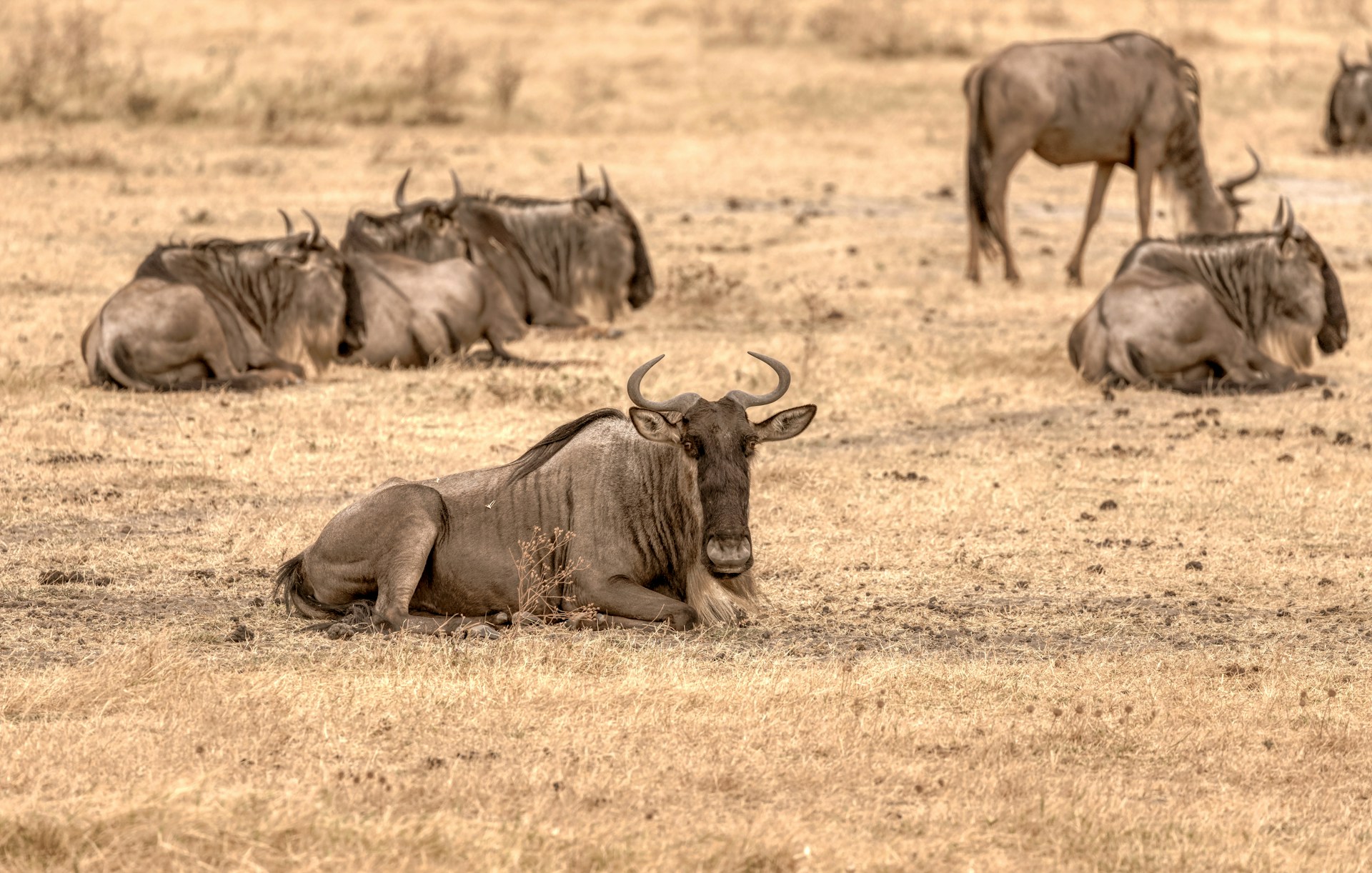
In Africa’s national parks, every sunrise paints a masterpiece — where the wild’s call echoes across endless horizons. Visiting these parks is to witness nature in its purest form, a timeless dance that stirs the soul.



Steps to Book Your Southern Africa Tour
Choose Your Adventure
Confirm Your Booking
Begin Your Journey
Ready to plan your tailor-made safari?