
Inhambane and Tofo
February 1, 2026
Maputo
February 1, 2026
Island of Mozambique
The Island of Mozambique is one of the country's most remarkable destinations, where centuries of African, Arab, Indian, and Portuguese influences come together in a unique cultural landscape. Situated just off Mozambique’s northern coast, this small coral island served as the capital of Portuguese East Africa for nearly four centuries and remains one of the most historically significant places in the Indian Ocean.
Today, the Island of Mozambique is a UNESCO World Heritage Site, celebrated for its remarkably preserved colonial architecture, ancient fortifications, vibrant Swahili culture, and rich maritime heritage. Unlike Mozambique’s famous beach destinations that focus on luxury and marine adventures, the island offers visitors an immersive journey through history while still providing beautiful beaches, traditional dhow sailing, and authentic local experiences.
Whether you are passionate about history, architecture, photography, or cultural travel, the Island of Mozambique offers an unforgettable glimpse into the country's fascinating past.
Why Book This Destination
Explore More about Island of Mozambique
Where Is the Island of Mozambique?
The Island of Mozambique, locally known as Ilha de Moçambique, lies off the coast of Nampula Province in northern Mozambique. Measuring only about three kilometers in length and less than 500 meters in width, the island connects to the mainland by a bridge that stretches just over three kilometers across the Indian Ocean.
Most visitors reach the island by flying to Nampula International Airport before driving approximately three to four hours to the coast. The bridge provides easy access, allowing travelers to combine the island with other attractions in northern Mozambique, including the Quirimbas Archipelago and several coastal beaches.
Despite its small size, the island holds enormous historical and cultural significance, making it one of the country's most rewarding destinations.
A Brief History of the Island of Mozambique
The history of the Island of Mozambique dates back more than a thousand years. Long before European explorers arrived, Arab and Swahili merchants established trading settlements on the island, using it as a strategic port along Indian Ocean trade routes.
These early traders exchanged gold, ivory, spices, textiles, and precious stones with merchants from Persia, India, and Arabia. Their influence remains visible today in the island’s architecture, cuisine, language, and cultural traditions.
In 1498, Portuguese explorer Vasco da Gama reached the island during his voyage to India. Recognizing its strategic location, Portugal established a permanent settlement that eventually became the capital of Portuguese East Africa.
For nearly 400 years, the island served as a major administrative, military, and commercial center. During this period, magnificent churches, government buildings, trading houses, and defensive forts transformed the island into one of the most important colonial ports in East Africa.
In 1991, UNESCO recognized the Island of Mozambique as a World Heritage Site, acknowledging its exceptional historical value and unique blend of architectural traditions.
UNESCO World Heritage Architecture
One of the greatest attractions of the Island of Mozambique is its extraordinary architecture.
Walking through the historic Stone Town feels like stepping back in time. Narrow streets wind past elegant colonial mansions, centuries-old churches, mosques, and public squares that showcase a remarkable fusion of Portuguese, Arab, Indian, and African design.
The buildings feature coral stone walls, carved wooden balconies, colorful facades, and decorative doors that have survived generations of tropical weather.
In contrast, the southern part of the island, known as Macuti Town, consists of traditional homes built using timber, reeds, and palm thatching. This architectural contrast highlights the island's rich cultural diversity and the coexistence of different communities over many centuries.
Fort São Sebastião
No visit to the Island of Mozambique is complete without exploring Fort São Sebastião, the largest and oldest complete fortress built by the Portuguese in sub-Saharan Africa.
Constructed during the sixteenth century, the fort protected Portuguese shipping routes and defended the island against foreign attacks for hundreds of years.
Its thick stone walls, bastions, underground chambers, and panoramic views over the Indian Ocean offer visitors an impressive insight into colonial military architecture.
Within the fort stands the Chapel of Nossa Senhora de Baluarte, believed to be the oldest surviving European building in the Southern Hemisphere, dating back to the early sixteenth century.
Together, these landmarks represent some of the most important historical monuments in Mozambique.
Exploring Stone Town
Stone Town forms the historical heart of the Island of Mozambique.
Walking through its quiet streets reveals beautifully restored buildings alongside structures that still bear the marks of time. Museums, art galleries, boutique guesthouses, and local cafés occupy many of the former colonial buildings, giving the town a vibrant yet peaceful atmosphere.
Visitors can explore historic churches, former trading houses, government buildings, and small museums that tell the story of the island’s role in global trade and cultural exchange.
Photography enthusiasts will find endless opportunities to capture architectural details, colorful streets, and everyday island life.
Local Culture and Daily Life
Although the Island of Mozambique attracts visitors from around the world, it remains a living community where traditional customs continue to shape daily life.
Fishing remains one of the main economic activities, with colorful wooden dhows sailing into the harbor each morning carrying fresh catches from the Indian Ocean.
The island’s cultural identity reflects centuries of interaction between African, Arab, Portuguese, and Indian communities. This rich heritage appears in local music, cuisine, clothing, religious traditions, and festivals.
Visitors often meet skilled artisans producing handmade jewelry, woven baskets, textiles, and wood carvings using traditional techniques passed down through generations.
Beaches and Ocean Experiences
While history defines much of the Island of Mozambique, the surrounding Indian Ocean provides plenty of opportunities for relaxation and adventure.
Several nearby beaches offer calm waters for swimming and sunbathing, while traditional dhow cruises allow visitors to experience the coastline from the sea.
Snorkeling trips explore coral reefs filled with colorful fish, sea turtles, and other marine life. Fishing excursions and island-hopping tours also introduce visitors to smaller islands and sandbanks along the coast.
The combination of cultural exploration and coastal recreation makes the island a well-rounded destination.
Local Cuisine
The cuisine of the Island of Mozambique reflects its multicultural history.
Fresh seafood dominates local menus, with grilled fish, prawns, lobster, octopus, and crab prepared using coconut milk, garlic, peri-peri, and fragrant spices.
Indian influences appear in curries and rice dishes, while Portuguese traditions contribute pastries, breads, and slow-cooked recipes that remain popular today.
Local restaurants often overlook the ocean, creating memorable dining experiences that combine exceptional seafood with beautiful coastal views.
Best Time to Visit
The best time to visit the Island of Mozambique is during the dry season from May to October.
These months offer comfortable temperatures, lower humidity, and sunny weather that makes walking tours and sightseeing particularly enjoyable.
The rainy season from November to April brings warmer temperatures and greener landscapes. While occasional tropical showers occur, the island remains accessible throughout the year and receives fewer visitors during this period.
Travelers planning to combine the island with northern Mozambique’s beaches and marine parks will also find favorable conditions during the dry season.
Accommodation on the Island
Accommodation on the Island of Mozambique ranges from restored colonial mansions converted into boutique hotels to charming guesthouses overlooking the Indian Ocean.
Many historic buildings have been carefully renovated while preserving their original architectural character. Guests enjoy unique rooms filled with antique furnishings, high ceilings, courtyards, and ocean views.
Several boutique properties also feature excellent restaurants serving fresh seafood and traditional Mozambican cuisine, creating an authentic and comfortable base for exploring the island.
Why Visit the Island of Mozambique?
The Island of Mozambique offers an experience unlike any other destination in the country.
Rather than focusing solely on beaches or wildlife, it tells the story of centuries of trade, exploration, and cultural exchange that shaped Mozambique and the wider Indian Ocean region.
Visitors can explore UNESCO-listed monuments, walk through historic streets, meet local artisans, enjoy outstanding seafood, and relax beside the ocean—all within a compact island that is easy to explore on foot.
Its combination of history, architecture, culture, and coastal beauty creates one of Southern Africa’s most distinctive travel experiences.
Conclusion
The Island of Mozambique is more than a historic destination—it is the cultural heart of the nation and a living testament to centuries of global exchange. From its impressive Portuguese fortifications and elegant colonial buildings to its vibrant Swahili traditions and beautiful Indian Ocean setting, every corner of the island tells a remarkable story.
Whether you are exploring UNESCO World Heritage landmarks, sailing on a traditional dhow, enjoying freshly caught seafood, or simply wandering through its timeless streets, the Island of Mozambique offers an experience that stays with you long after your journey ends.
For travelers seeking history, culture, architecture, and authentic coastal experiences, the Island of Mozambique remains one of the country's most extraordinary destinations.
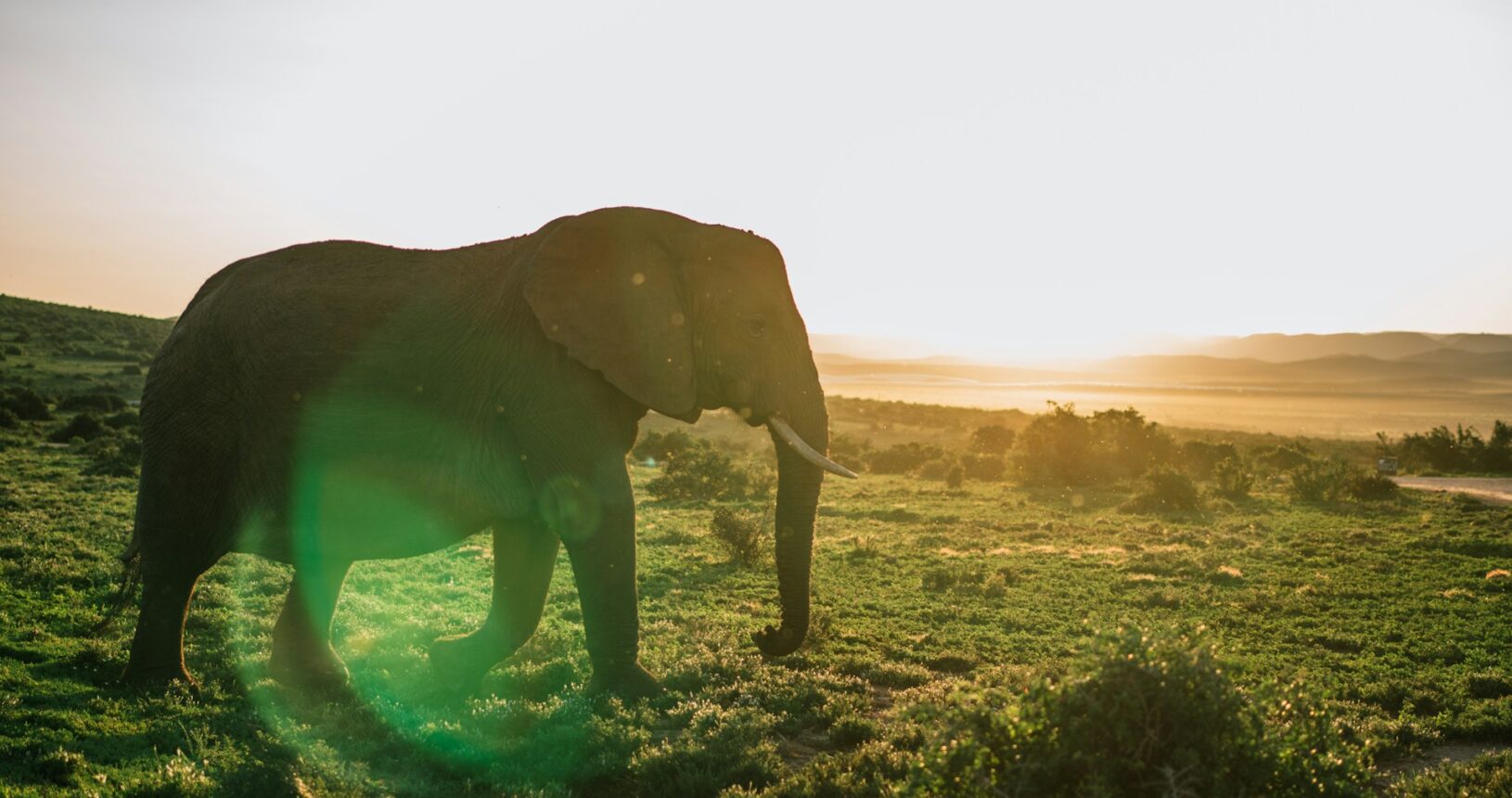
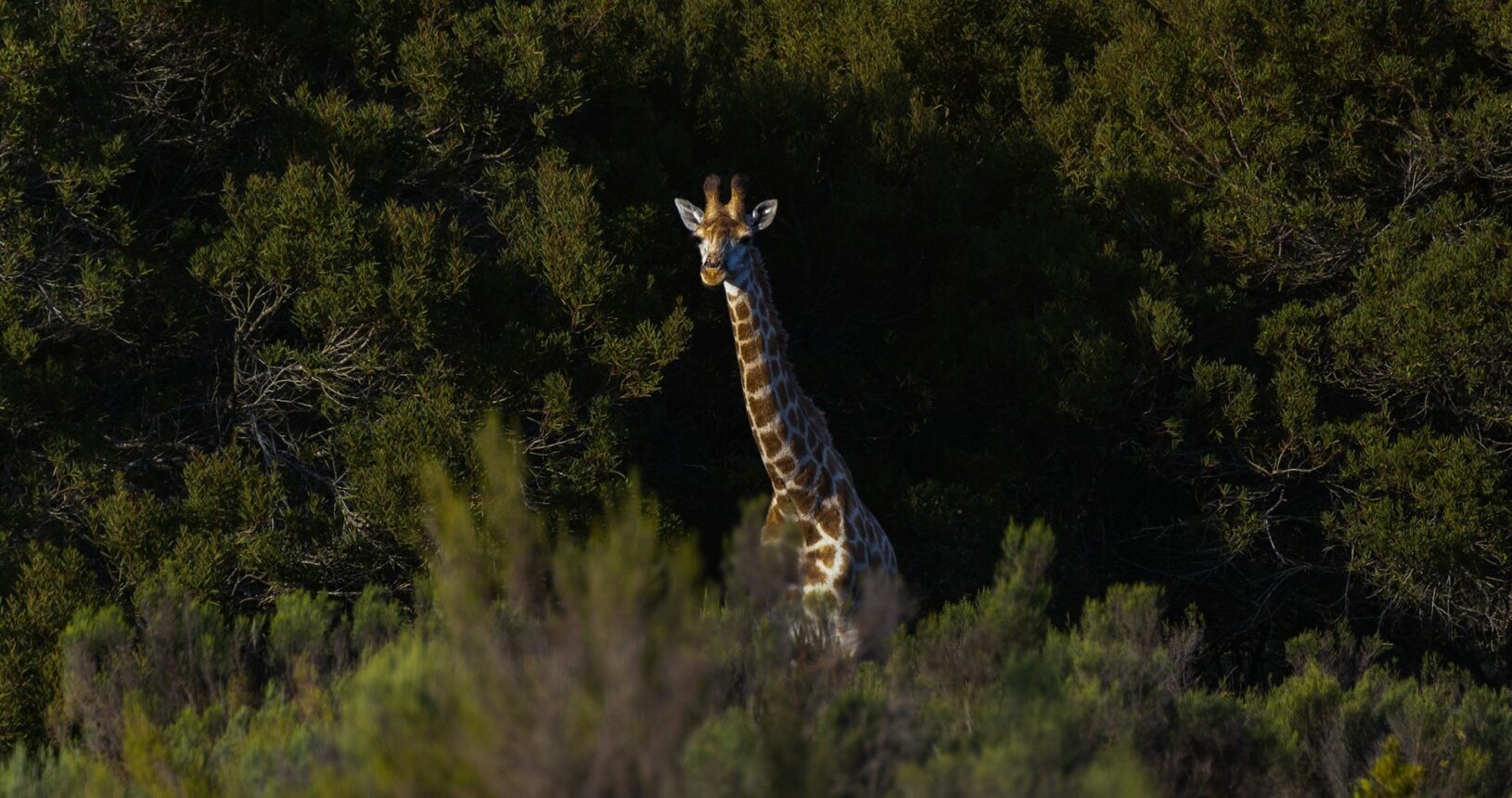
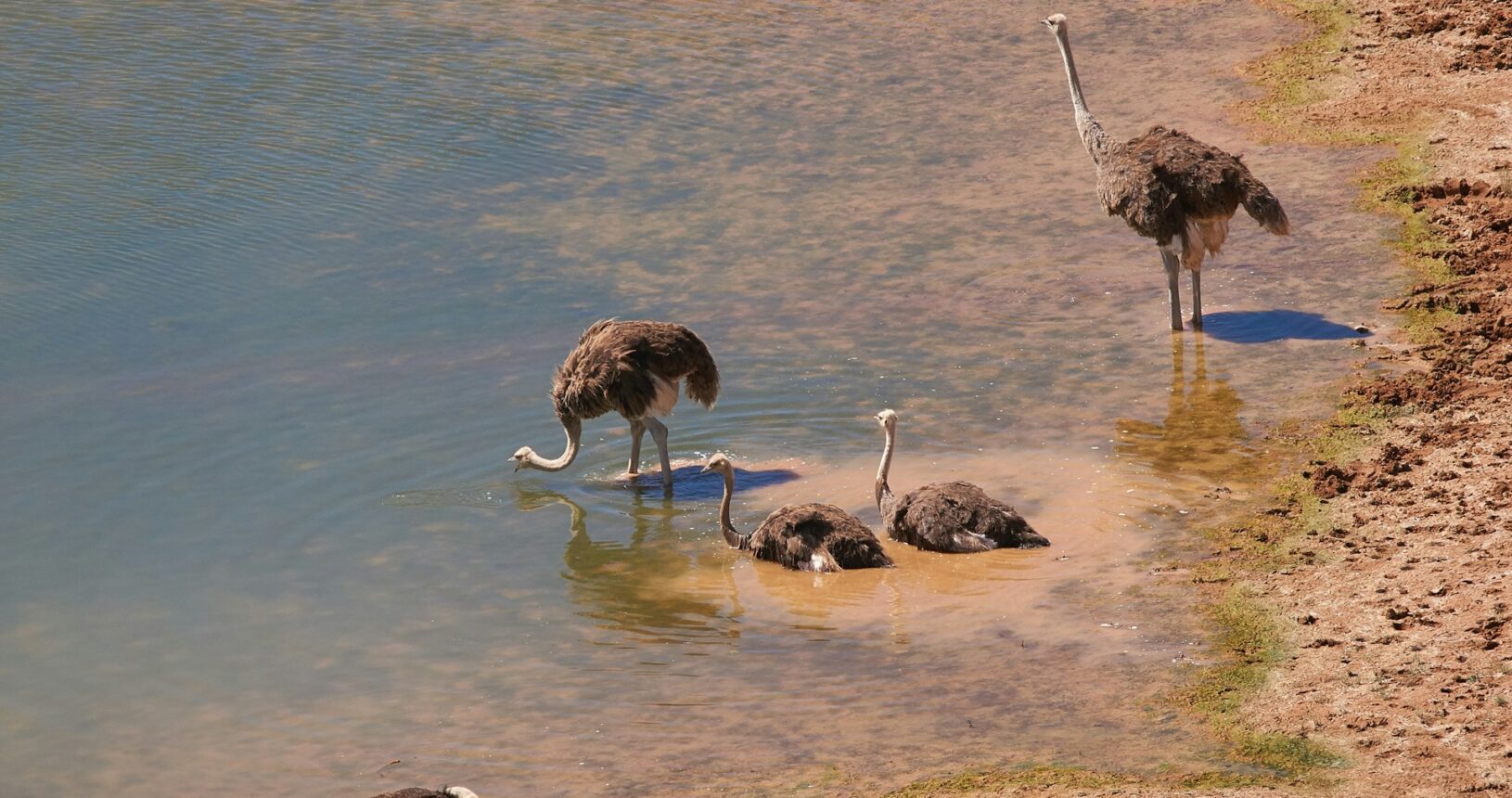
In Africa’s national parks, every sunrise paints a masterpiece — where the wild’s call echoes across endless horizons. Visiting these parks is to witness nature in its purest form, a timeless dance that stirs the soul.
Steps to Book Your Southern Africa Tour
Choose Your Adventure
Confirm Your Booking
Begin Your Journey
Ready to plan your tailor-made safari?