
Kenya Safari Guide: Maasai Mara, Amboseli & Tsavo
June 24, 2026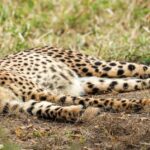
Malawi Safari Guide: Liwonde, Majete & Lake Malawi
June 24, 2026
Zambia Safari Guide: South Luangwa, Kafue & Lower Zambezi
Zambia stands as one of Africa’s most authentic and rewarding safari destinations, offering vast untouched wilderness, exceptional wildlife density, and some of the best walking safaris on the continent. A Zambia safari guide introduces travelers to a country where safari traditions feel raw, immersive, and deeply connected to nature, far from mass tourism routes.
Unlike more commercial safari destinations, Zambia focuses on low-impact tourism and high-quality guiding. This approach preserves its national parks in a near-pristine state while offering visitors intimate wildlife encounters. From the leopard-rich valleys of South Luangwa to the vast expanse of Kafue and the river-based wilderness of Lower Zambezi, Zambia delivers a safari experience built on space, silence, and authenticity.
This comprehensive Zambia safari guide explores the country’s top national parks, wildlife experiences, best time to visit, accommodation options, activities, and essential travel insights for planning an unforgettable African safari.
Why Zambia Is a True Safari Wilderness Destination
Zambia offers one of the most unspoiled safari environments in Africa. Large portions of its national parks remain undeveloped, allowing wildlife to move freely across expansive landscapes without heavy human interference. This creates a sense of wilderness that feels increasingly rare in modern safari tourism.
A Zambia safari guide highlights the country’s commitment to walking safaris, a tradition that began in South Luangwa National Park and has since become one of Zambia’s signature experiences. These guided walks allow visitors to explore the bush on foot, observing tracks, plants, insects, and wildlife behavior at close range under the supervision of expert guides.
Zambia also benefits from lower visitor numbers compared to neighboring safari destinations. This ensures quiet game drives, uncrowded sightings, and a more personal connection with the natural environment.
South Luangwa National Park: The Birthplace of Walking Safaris
South Luangwa National Park is Zambia’s most famous safari destination and one of Africa’s premier wildlife reserves. The Luangwa River shapes the park’s ecosystem, creating a fertile valley that supports high concentrations of wildlife year-round.
A Zambia safari guide places South Luangwa at the center of any safari itinerary due to its exceptional predator sightings and immersive safari experiences.
Wildlife in South Luangwa
South Luangwa is especially known for its large leopard population. These elusive predators thrive in the riverine forests and are frequently seen during both day and night drives. Lions also occur in strong numbers, often hunting buffalo and antelope across the open floodplains.
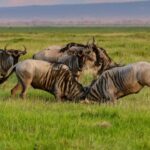
Elephants, hippos, crocodiles, giraffes, zebras, wildebeests, impalas, pukus, and kudus form the core herbivore populations. The park also supports endemic species such as the Thornicroft’s giraffe and Cookson’s wildebeest, found only in this region.
Walking Safaris in South Luangwa
South Luangwa pioneered the walking safari concept, making it one of the most important safari innovations in Africa. Guided walks allow visitors to experience the bush at ground level, learning about animal tracks, bird calls, plant life, and ecosystem interactions.
These walks often lead to close yet safe encounters with wildlife, offering a deeper understanding of the African wilderness than vehicle-based safaris alone.
Night Safaris
South Luangwa is one of the few national parks in Africa where night game drives are permitted. These drives reveal nocturnal species such as civets, genets, porcupines, hyenas, and leopards on the hunt, creating a completely different safari experience after sunset.
Kafue National Park: Zambia’s Vast Wilderness
Kafue National Park is one of Africa’s largest protected areas, covering more than 22,000 square kilometers. Despite its size, it remains one of the least visited major safari destinations, making it ideal for travelers seeking solitude and untouched wilderness.
A Zambia safari guide highlights Kafue as a hidden gem with diverse ecosystems ranging from dense woodlands to open floodplains.
Wildlife in Kafue
Kafue supports an impressive range of wildlife, including lions, leopards, cheetahs, hyenas, wild dogs, elephants, buffalo, and numerous antelope species such as sable, roan, hartebeest, and puku.
The Busanga Plains in northern Kafue stand out as one of the most productive wildlife areas, especially during the dry season when large herds gather on open grasslands.
Busanga Plains Experience
The Busanga Plains create a seasonal floodplain ecosystem that attracts predators and large herbivore populations. Lions are frequently seen hunting in this area, while cheetahs and wild dogs take advantage of open terrain for high-speed chases.
Birdlife also thrives in the wetlands, making Kafue an excellent destination for both wildlife and birdwatching enthusiasts.
Safari Experience in Kafue
Kafue offers a mix of game drives, boat safaris, and walking safaris in select areas. The park’s remoteness ensures low tourist numbers, allowing for uninterrupted wildlife viewing and a strong sense of wilderness immersion.
Lower Zambezi National Park: River Safari Paradise
Lower Zambezi National Park lies along the northern banks of the Zambezi River, directly opposite Zimbabwe’s Mana Pools National Park. This riverine ecosystem creates one of the most scenic safari environments in Africa.
A Zambia safari guide includes Lower Zambezi for its unique combination of water-based and land-based safari experiences.
Wildlife in Lower Zambezi
The park supports large populations of elephants, buffalo, hippos, crocodiles, lions, leopards, and wild dogs. Elephants are often seen crossing the river or feeding along the banks, creating dramatic wildlife scenes.
The river ecosystem also attracts abundant birdlife, including fish eagles, kingfishers, herons, storks, and bee-eaters.
Canoe Safaris on the Zambezi
Canoe safaris represent one of the most iconic experiences in Lower Zambezi. Guided canoe trips allow travelers to drift silently along the river, observing elephants, hippos, and crocodiles at close range.
This perspective offers a peaceful and immersive safari experience that differs significantly from traditional game drives.
Game Drives and Walking Safaris
Game drives in Lower Zambezi explore floodplains, woodlands, and escarpment areas where predators and herbivores interact. Walking safaris provide an additional layer of exploration, guided by experienced rangers who interpret the environment in detail.
Wildlife You Can Expect in Zambia
A Zambia safari guide introduces a rich and diverse wildlife ecosystem. Lions, leopards, elephants, buffalo, hippos, and crocodiles form the core Big Five experience, although rhinos remain rare in most parks.
Zambia is particularly strong in predator populations. African wild dogs thrive in several regions, while cheetahs and hyenas contribute to dynamic predator-prey interactions.
Large herbivores such as zebras, giraffes, wildebeests, puku, impalas, kudus, and waterbucks support the broader ecosystem. Birdlife is equally impressive, with more than 750 recorded species across the country.
Best Time to Visit Zambia
Zambia offers excellent safari experiences year-round, but seasonal changes influence wildlife movement and accessibility.
The dry season from May to October provides the best wildlife viewing conditions. Animals concentrate around rivers and water sources, vegetation becomes sparse, and game viewing improves significantly.
The green season from November to April transforms the landscape into lush vegetation. Birdwatching reaches its peak, and many animals give birth during this period. However, some remote areas become more difficult to access due to rainfall.
Accommodation in Zambia Safari Destinations
Zambia offers a wide range of safari accommodation, focusing mainly on intimate bush camps and eco-lodges rather than large resorts.
South Luangwa features small luxury camps positioned along the river, offering direct access to wildlife. Kafue provides remote bush camps that emphasize exclusivity and immersion in nature. Lower Zambezi lodges often sit along the riverbanks, combining scenic views with wildlife activity.
Most lodges follow sustainable tourism practices, using solar power, minimizing environmental impact, and supporting local communities.
Safari Activities in Zambia
A Zambia safari guide includes diverse activities that go beyond traditional game drives. Walking safaris remain a signature experience, offering close interaction with the natural environment.
Canoe safaris on the Zambezi River provide peaceful wildlife viewing from the water. Night game drives in South Luangwa reveal nocturnal species rarely seen during daylight.
Birdwatching, photography safaris, and cultural visits to local communities further enrich the safari experience across Zambia’s wilderness areas.
Conservation and Responsible Tourism
Zambia has built its safari industry around conservation and low-impact tourism. National parks remain largely undeveloped, ensuring that wildlife habitats stay intact and undisturbed.
Tourism revenue supports anti-poaching programs, habitat protection, and community development initiatives. Local communities play an active role in conservation through employment and sustainable resource management.
A Zambia safari guide emphasizes that every safari visit directly contributes to protecting some of Africa’s most pristine wilderness areas.
Conclusion
Zambia delivers one of Africa’s most authentic and immersive safari experiences. South Luangwa offers world-class walking safaris and leopard encounters, Kafue provides vast and untouched wilderness, and Lower Zambezi combines river-based safaris with dramatic landscapes.
A Zambia safari guide helps travelers discover a destination defined by space, silence, and true wilderness. Without mass tourism or overcrowded game drives, Zambia offers a deeper connection to nature and some of the most rewarding wildlife encounters in Africa.
For travelers seeking raw, authentic, and unforgettable safari experiences, Zambia remains one of the continent’s finest hidden treasures.