
Canoe Safari
July 20, 2026
Hot Air Balloon Safari Over the Serengeti
July 20, 2026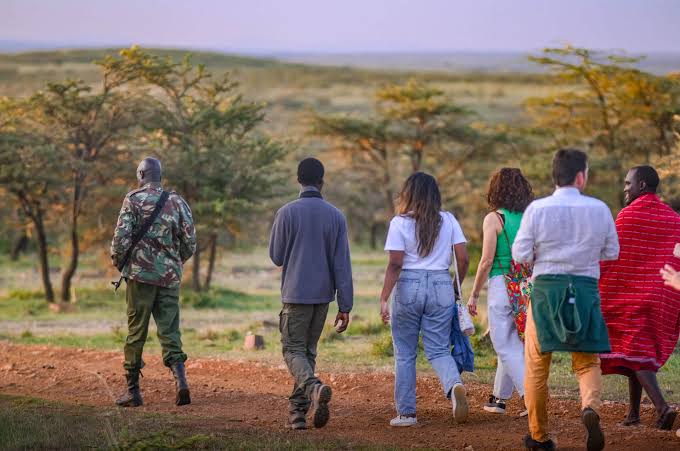
Walking Safari Guide: Everything You Need to Know
An African safari offers many ways to experience the wilderness, but few activities bring you closer to nature than a walking safari. Instead of exploring from a safari vehicle, you step into the landscape and experience Africa through its sights, sounds, and scents.
A walking safari allows you to discover details that often go unnoticed during a traditional game drive. Animal tracks, bird calls, insects, medicinal plants, and the subtle movements of wildlife become part of the journey. Every step reveals something new about the ecosystem.
Guided by experienced armed rangers and professional trackers, walking safaris combine adventure, education, and conservation. They provide an intimate wildlife experience while maintaining the highest safety standards.
Whether you dream of walking through Zambia’s remote wilderness, exploring South Africa’s private reserves, or discovering Zimbabwe’s national parks, a walking safari creates memories that last a lifetime.
What Is a Walking Safari?
A walking safari is a guided wildlife experience where visitors explore protected wilderness areas on foot under the supervision of qualified safari guides and armed rangers.
Unlike a game drive, where you observe wildlife from a vehicle, walking safaris immerse you directly in nature. You move at a slower pace, allowing you to appreciate the smaller details that make African ecosystems so remarkable.
The experience focuses on understanding the environment rather than simply searching for large animals. Guides explain how plants support wildlife, how predators leave signs of their presence, and how different species interact within the ecosystem.
Walking safaris vary in length. Some last only a few hours, while others form part of multi-day adventures that include overnight stays in remote bush camps.
Why Choose a Walking Safari?
A walking safari offers a completely different perspective from a traditional safari. Without the sound of an engine, you become more aware of your surroundings and develop a deeper appreciation for nature.
Walking allows you to notice fresh footprints, animal droppings, broken branches, bird nests, and insects that would easily pass unnoticed during a vehicle safari.
The slower pace creates opportunities to ask questions and learn directly from experienced guides. Every walk becomes an educational journey that explains how Africa’s ecosystems function.
Many travellers describe walking safaris as one of the most exciting wildlife experiences because they encourage complete immersion in the natural environment.
How Safe Is a Walking Safari?
Safety remains the highest priority during every walking safari. Professional guides receive extensive training in wildlife behavior, first aid, navigation, and emergency procedures.
Walking safaris always follow carefully planned routes that consider recent wildlife activity and environmental conditions.
Guides carry communication equipment and firearms for emergency situations, although they rarely need to use them. Their knowledge of animal behavior allows them to avoid unnecessary risks and maintain safe distances from wildlife.
Before each walk, guides explain important safety rules and demonstrate how guests should behave during the experience.
Listening carefully to instructions ensures that everyone enjoys a safe and rewarding adventure.
What Wildlife Can You See on a Walking Safari?
Walking safaris reveal a wide variety of wildlife, although every experience differs depending on the destination and season.
Large mammals such as elephants, giraffes, zebras, buffalo, antelope, and even predators may appear during a guided walk. Guides always maintain appropriate distances to ensure safety.
However, the greatest strength of a walking safari lies in discovering smaller details. Visitors often learn about insects, reptiles, birds, butterflies, spiders, medicinal plants, fungi, and ancient trees.
Tracking animals becomes another highlight. Guides identify footprints, feeding signs, scratch marks, and animal calls that reveal recent wildlife activity.
Instead of focusing only on the Big Five, walking safaris help visitors understand the complete ecosystem.
Best Destinations for Walking Safaris in Africa
South Luangwa National Park, Zambia
South Luangwa National Park is widely recognized as the birthplace of the modern walking safari. The park offers one of Africa’s finest guided walking experiences.
Its diverse landscapes include rivers, woodlands, lagoons, and open grasslands that support exceptional wildlife populations.
Experienced guides lead visitors through remote areas while sharing knowledge about animal behavior, ecology, and conservation.
Walking safaris in South Luangwa often include opportunities to see elephants, giraffes, buffalo, antelope, and abundant birdlife.
The park’s peaceful atmosphere makes every walk feel authentic and adventurous.
Mana Pools National Park, Zimbabwe
Mana Pools National Park offers one of Africa’s most iconic walking safari experiences. Located along the Zambezi River, the park protects a UNESCO World Heritage Site known for its remarkable wildlife.
Walking through Mana Pools allows visitors to experience elephants, hippos, antelope, and predators within an untouched wilderness.
The combination of river landscapes, ancient forests, and open floodplains creates excellent conditions for wildlife observation.
The park’s experienced guides provide fascinating insights into tracking techniques and animal behavior.
South Luangwa’s Neighbour: Lower Zambezi National Park
Lower Zambezi National Park combines walking safaris with canoe adventures and traditional game drives.
The park’s varied habitats support elephants, buffalo, leopards, lions, and numerous bird species.
Walking along the Zambezi River provides opportunities to observe wildlife from a completely different perspective while learning about the area’s unique ecosystem.
Its remote setting creates a peaceful safari experience with relatively few visitors.
Kruger National Park, South Africa
Kruger National Park offers guided walking safaris led by highly trained rangers. Visitors can join short bush walks or multi-day wilderness trails within designated areas.
Walking through Kruger’s diverse habitats introduces travelers to animal tracking, bird identification, medicinal plants, and the smaller species often overlooked during game drives.
Private reserves bordering Kruger, including Sabi Sand and Timbavati, also offer exceptional walking safari experiences with expert guides.
Okavango Delta, Botswana
Botswana’s Okavango Delta provides a unique walking safari experience within one of Africa’s richest wetland ecosystems.
Guided walks explore islands, floodplains, and woodlands where visitors may encounter elephants, antelope, zebras, and abundant birdlife.
The combination of mokoro excursions and walking safaris creates a diverse adventure that highlights both land and water ecosystems.
What to Expect During a Walking Safari
A typical walking safari begins early in the morning when temperatures remain cool and wildlife becomes more active.
After a safety briefing, guests leave camp with their guide and begin exploring nearby wilderness areas.
The pace remains slow and relaxed. Guides frequently stop to explain interesting plants, animal tracks, bird calls, and ecological relationships.
Wildlife encounters happen naturally as animals move through the landscape.
The experience focuses on observation rather than covering long distances. Most walks last between two and four hours, although longer adventures are also available.
What to Wear on a Walking Safari
Choosing suitable clothing improves both comfort and safety.
Neutral colors such as green, brown, beige, and khaki blend naturally with the environment and reduce disturbance to wildlife.
Comfortable walking boots with good ankle support help when crossing uneven ground.
Lightweight long-sleeved shirts and trousers provide protection from insects, vegetation, and sunlight.
A wide-brimmed hat, sunglasses, sunscreen, and a reusable water bottle also improve comfort during the walk.
Morning temperatures can feel cool, so carrying a light jacket is often useful.
Walking Safari Photography Tips
Walking safaris provide outstanding opportunities for wildlife and nature photography.
A lightweight camera with a moderate zoom lens often works better than heavy equipment because walking requires mobility.
Photographers should always follow guide instructions before taking photographs, especially during close wildlife encounters.
Good composition often comes from capturing animal tracks, landscapes, plants, and environmental details rather than only large mammals.
Early morning light creates beautiful conditions for photography throughout the walk.
Walking Safaris and Conservation
Walking safaris contribute directly to wildlife conservation across Africa.
Tourism revenue supports protected areas, ranger training, habitat management, and local community projects.
Walking with experienced guides also increases environmental awareness. Visitors leave with a better understanding of wildlife behavior, ecosystem balance, and conservation challenges.
Many safari operators work closely with surrounding communities by creating employment opportunities and supporting sustainable tourism initiatives.
Choosing responsible safari companies helps protect Africa’s wilderness while benefiting future generations.
Is a Walking Safari Right for You?
Walking safaris suit travellers who enjoy nature, adventure, and learning about wildlife beyond the Big Five.
The experience does not require extreme fitness, but participants should feel comfortable walking several kilometers across uneven terrain.
Families with older children, photographers, bird watchers, and repeat safari visitors often appreciate the deeper understanding that walking safaris provide.
Travellers seeking luxury can also enjoy walking safaris because many high-end lodges include guided bush walks as part of their safari programmes.
Whether you are visiting Africa for the first time or returning for another adventure, a walking safari offers a fresh perspective on the wilderness.
Plan Your Walking Safari Adventure
A walking safari transforms the way you experience Africa. Instead of simply watching wildlife, you become part of the landscape and discover the hidden stories that shape every ecosystem.
From Zambia’s remote wilderness to Botswana’s wetlands and South Africa’s famous reserves, Africa offers outstanding destinations for guided walking adventures.
Every step reveals new discoveries, whether you follow fresh elephant tracks, identify colorful birds, or learn how ancient trees support entire ecosystems.
A walking safari reminds travelers that Africa’s greatest treasures extend far beyond the Big Five. The smallest details often create the most lasting memories.
Plan your walking safari with an experienced local operator and experience Africa’s wilderness from a completely new perspective.