

Currency & Money Tips for Travelling in Southern Africa
July 24, 2026
Single Supplement Fees on Safari
July 24, 2026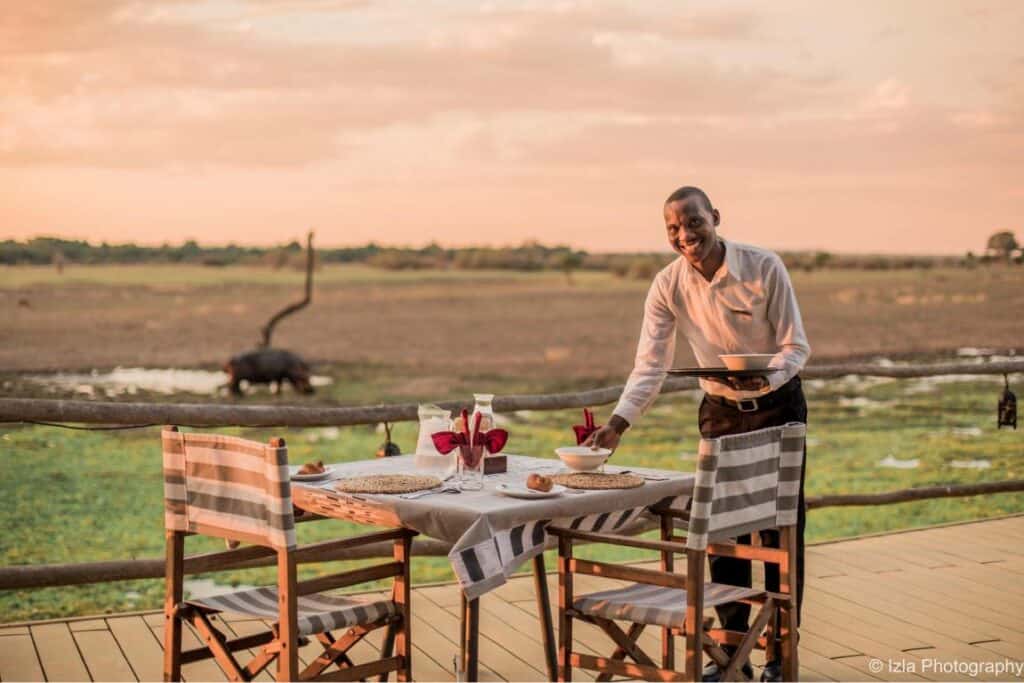
Tipping on Safari: How Much and When to Tip in Africa
Tipping is an important part of the safari experience in Africa. It is a way for travellers to show appreciation for the excellent service provided by guides, camp staff, drivers, and other tourism professionals who help create unforgettable journeys.
Across Africa, tipping customs vary between countries and destinations. While tipping is not always mandatory, it is widely appreciated, especially within the safari industry where many staff members rely on gratuities as part of their income.
Understanding when to tip, who to tip, and how much to give helps travellers show appreciation in a respectful and meaningful way. For 2026 and 2027, safari destinations across East and Southern Africa continue welcoming international visitors, and responsible tipping remains an important part of supporting local tourism workers.
Is Tipping Expected on an African Safari?
Tipping is generally expected on many African safaris, particularly at lodges, tented camps, and private reserves.
Safari staff often go beyond basic service to create memorable experiences. Guides spend long hours tracking wildlife, explaining ecosystems, and ensuring guests have safe and enjoyable game drives. Camp teams prepare meals, maintain rooms, and provide personalised hospitality throughout your stay.
A tip is a way to recognise this dedication and excellent service.
However, tipping should always reflect your personal satisfaction. It should never feel like an obligation or replace fair wages from tourism businesses.
Who Should You Tip on Safari?
Several people contribute to making your safari experience special. Knowing who to tip helps you recognise the individuals who directly support your journey.
Your safari guide is usually one of the most important people to consider when tipping. Guides create your wildlife experiences, share knowledge, and often spend many hours with you during game drives and activities.
Camp staff, including housekeepers, waiters, chefs, and general support teams, also play an important role in your stay.
Transfer drivers and local specialists may also appreciate a tip when they provide excellent service.
How Much Should You Tip Your Safari Guide?
The safari guide is usually one of the most important tipping recipients because they have a direct impact on your wildlife experience.
A common guideline is around US$10 to US$25 per guest per day for a good guide service. For private guiding or exceptional service, many travellers choose to give more.
In luxury safari destinations such as Botswana, Tanzania, Kenya, and South Africa, some travellers tip between US$20 and US$50 per day for outstanding private guiding.
The amount depends on the destination, length of safari, group size, and quality of service.
A great guide who creates unforgettable wildlife moments deserves recognition for their expertise and commitment.
How Much Should You Tip Safari Camp Staff?
Safari camps usually have many team members working behind the scenes to make your stay comfortable.
Rather than tipping each staff member individually, many lodges provide a general staff tip box. This allows the entire team to share the gratuity fairly.
A common recommendation is around US$10 to US$20 per guest per day for the general camp staff.
The amount may vary depending on the accommodation level and length of stay.
Luxury lodges often have larger teams, so a shared staff contribution helps recognise everyone involved.
Tipping Safari Drivers and Transfer Staff
Drivers who provide airport transfers or long-distance transportation may also be tipped.
For short transfers, a small tip of around US$5 to US$10 is usually appreciated.
For longer journeys or drivers who provide excellent assistance throughout your trip, a higher amount may be appropriate.
In some safari destinations, the same person may act as both driver and guide. In this case, tipping should reflect their wider responsibilities.
Tipping on Gorilla Trekking and Primate Safaris
Gorilla trekking in Uganda and Rwanda involves several people who help create a safe and memorable experience.
Travellers may choose to tip their trekking guide, trackers, porters, and support staff.
Porters are especially important because they assist guests with bags, difficult terrain, and challenging sections of the trek.
A typical porter tip may range from US$10 to US$20, depending on the service provided.
Guides and trackers may receive higher tips because of their knowledge, experience, and role in locating wildlife.
Tipping in Kenya Safaris
Kenya has a strong safari culture, and tipping is common in lodges and camps.
Safari guides, camp staff, and drivers appreciate gratuities from international visitors.
Many travellers tip guides around US$10 to US$25 per day, while camp staff may receive a shared contribution.
Popular destinations such as the Maasai Mara, Amboseli, and Samburu have established tipping practices due to their long history of safari tourism.
Tipping in Tanzania Safaris
Tipping is an important part of Tanzania’s safari industry.
Guides in destinations such as Serengeti National Park, Ngorongoro Crater, and Tarangire National Park often receive tips based on their service and expertise.
A common guideline is around US$20 to US$30 per day for a safari guide.
Camp staff tips are usually placed in a shared box, allowing the entire team to benefit.
Tipping in Uganda and Rwanda
Uganda and Rwanda have unique safari experiences, especially mountain gorilla trekking and chimpanzee tracking.
Guides, trackers, porters, and drivers all contribute to the experience.
For gorilla trekking, travellers often tip based on the level of support provided during the trek.
Porters, especially, appreciate tips because they provide valuable assistance during challenging hikes.
Tipping in South Africa
South Africa has a well-developed tourism industry, and tipping is common in restaurants, hotels, and safari lodges.
Safari guides at private reserves such as Sabi Sand, Timbavati, and Madikwe often receive tips from guests.
A general guideline is around US$15 to US$30 per day for guides, depending on service and experience.
Restaurant staff, hotel staff, and drivers also appreciate smaller gratuities.
Tipping in Botswana
Botswana is known for high-quality safari experiences and excellent guiding.
Many visitors tip guides, camp staff, and transfer teams after their stay.
Because Botswana safaris often take place in remote luxury camps, tipping is usually handled through staff boxes and direct guide gratuities.
Exceptional guiding and personalised service are commonly recognised with generous tips.
Tipping in Namibia, Zambia, and Zimbabwe
Tipping practices in Namibia, Zambia, and Zimbabwe are similar to other Southern African destinations.
Guides and camp staff appreciate tips when they provide excellent service.
In Zimbabwe, especially around Victoria Falls and safari areas, tips are common among tourism workers.
In Zambia, walking safari guides often receive tips because they provide specialised knowledge and safety during wilderness experiences.
Should You Tip in US Dollars or Local Currency?
US dollars are widely accepted in many safari destinations, especially for tourism-related tipping.
Small, clean US dollar notes are often preferred because they are easy to exchange.
However, local currency can also be appropriate, especially for smaller tips or local services.
It is helpful to carry smaller denominations before entering remote safari areas.
When Should You Give Tips?
The timing of tipping depends on the service.
For safari guides, many travellers tip at the end of their safari or after the final game drive.
For camp staff, guests often use the shared tip box when checking out.
Drivers and transfer staff can be tipped after completing their service.
Giving tips at the end allows you to judge the overall quality of the experience.
Should You Tip Before or After a Safari Activity?
In most cases, tipping after the activity is preferred.
Waiting until the end allows you to evaluate the service and recognise the overall experience.
However, tipping is always personal. If someone provides exceptional help during your trip, you can choose to show appreciation immediately.
What If You Are Not Happy With the Service?
Tipping should reflect your experience.
If service does not meet expectations, you are not required to provide a large tip.
However, it is helpful to communicate concerns respectfully with lodge management or your safari operator.
Constructive feedback helps improve service standards while allowing businesses to address any issues.
Responsible Tipping Practices
Responsible tipping means recognising good service while respecting local communities and tourism systems.
Avoid giving gifts or money directly to children because it can encourage dependency and affect local communities negatively.
Support ethical tourism by tipping staff who provide professional services.
Whenever possible, follow guidance from your safari operator or accommodation provider.
Final Thoughts on Safari Tipping in Africa
Tipping on safari is a meaningful way to appreciate the people who make your African adventure unforgettable.
From expert guides who track wildlife to camp teams who create welcoming environments, many individuals work together to deliver an exceptional experience.
There is no single fixed amount for tipping because destinations, service levels, and personal experiences vary.
The most important thing is to tip thoughtfully, respectfully, and according to the quality of service received.
Plan Your African Safari Adventure
A well-planned safari includes understanding not only where you will go but also how to prepare for local customs and experiences.
An experienced safari operator can provide guidance on tipping practices, local expectations, and practical travel advice before your journey.
Start planning your African safari today and experience the incredible wildlife, landscapes, and hospitality that make Africa unforgettable.