Africa Safari Visa Guide.
July 22, 2026
Safari Health Guide
July 22, 2026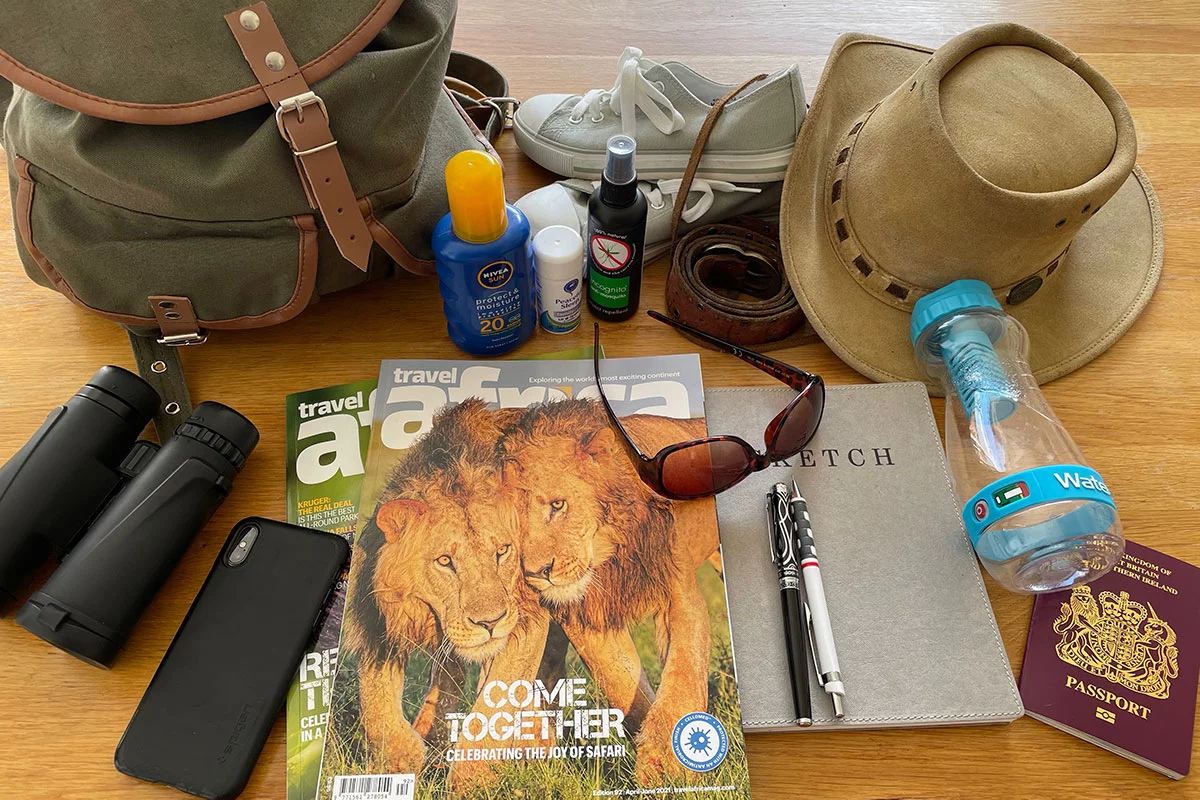
Safari Packing List: What to Wear & Bring on an African Safari
An African safari is an unforgettable adventure that takes travelers into some of the world’s most beautiful wilderness areas. From watching lions on the savannah to exploring forests, rivers, and remote landscapes, the right preparation can make your journey more comfortable and enjoyable.
Knowing what to pack for an African safari helps you travel lighter while ensuring you have everything needed for changing weather conditions and outdoor activities. Safari destinations often experience warm days, cool mornings, dusty roads, and occasional rain depending on the season.
The ideal safari packing list focuses on comfort, practicality, and protection. Lightweight clothing, suitable footwear, sun protection, and essential travel items can make a significant difference during game drives and outdoor experiences.
For 2026 and 2027, safaris continue to attract travellers seeking wildlife adventures across destinations such as Kenya, Tanzania, Uganda, Rwanda, Botswana, South Africa, Namibia, and Zimbabwe. Whether you are joining a luxury safari or a more adventurous journey, packing correctly helps you enjoy every moment.
Understanding Safari Conditions Before Packing
Safari conditions vary depending on the country, season, and activities included in your itinerary. A traveller visiting the Serengeti in Tanzania may experience different weather compared to someone exploring Botswana’s Okavango Delta or Uganda’s Bwindi Forest.
Most safari days begin early because wildlife is more active during the cooler morning hours. Temperatures can feel chilly before sunrise, especially during the dry season, but become warm as the day progresses.
Evenings can also become cool, particularly in open safari vehicles or high-altitude areas. Packing layers allows you to adjust your clothing easily throughout the day.
Your packing choices should also consider the activities included in your safari. Gorilla trekking, walking safaris, boat cruises, and mountain hikes require different clothing compared to traditional game drives.
What Clothes Should You Wear on an African Safari?
The best safari clothing is comfortable, lightweight, and practical. Neutral colors such as khaki, beige, brown, olive, and grey are commonly recommended because they blend well with the natural environment.
You do not need a completely new safari wardrobe. Comfortable outdoor clothing that protects you from the sun, dust, insects, and changing temperatures is usually enough.
Avoid very bright colors during wildlife activities because they may attract attention in some environments. Dark colors can also attract insects in certain areas, so lighter natural shades are generally more suitable.
Comfort should always come first because many safari activities involve long hours outdoors.
Lightweight Shirts and T-Shirts
Lightweight shirts and T-shirts are essential items for any safari packing list. Choose breathable fabrics such as cotton, linen, or moisture-wicking materials that help keep you comfortable during warm days.
Long-sleeved shirts are especially useful because they provide protection from the sun and insects. They are also helpful during early morning game drives when temperatures are cooler.
Neutral-colored shirts work well for photography because they reduce distractions while exploring wildlife areas.
Packing several versatile shirts allows you to stay comfortable without carrying excessive luggage.
Safari Trousers and Shorts
Comfortable trousers are one of the most important items to pack for an African safari. Lightweight hiking trousers or outdoor pants provide protection from dust, insects, and rough terrain.
Convertible trousers that change into shorts can be useful because they provide flexibility in changing weather conditions.
Shorts are suitable for warmer parts of the day, especially in destinations with hot climates. However, longer trousers are often better for bush walks and evening activities.
Choose clothing that allows easy movement because safari experiences often involve walking, climbing into vehicles, and spending long hours outdoors.
Warm Layers for Early Morning and Evening
Many travellers underestimate how cool safari mornings can feel. Open vehicles provide little protection from wind, especially during early game drives.
A lightweight fleece, sweater, or warm jacket is essential for early mornings and evenings. This is particularly important when travelling during the dry season from June to October.
A waterproof jacket can also be useful because weather conditions can change quickly in some destinations.
Layering your clothing allows you to adjust easily throughout the day.
What Shoes Should You Pack for Safari?
Choosing the right footwear depends on your safari activities. Comfortable and durable shoes are more important than fashionable options.
Closed hiking shoes or walking shoes are recommended for most safari experiences. They provide protection from dust, uneven ground, and outdoor conditions.
For gorilla trekking in Uganda or Rwanda, stronger hiking boots are recommended because trails can be muddy, steep, and slippery.
Sandals or comfortable open shoes are also useful for relaxing at lodges and camps after outdoor activities.
Safari Hat and Sun Protection
The African sun can be strong, especially during daytime game drives. A wide-brimmed hat provides protection for your face, neck, and eyes.
Sunglasses are also essential because they reduce glare and improve comfort during long hours outdoors.
High-quality sunscreen with good protection should be packed for daily use. Even during cooler months, sun exposure can be significant.
A small personal supply of lip balm with sun protection can also help prevent dryness.
Safari Binoculars and Photography Equipment
A good pair of binoculars can greatly improve your safari experience. Although guides usually carry professional equipment, having your own allows you to observe wildlife whenever you want.
Binoculars are especially useful for spotting birds, distant animals, and details that are difficult to see from far away.
Photography enthusiasts should bring suitable camera equipment, extra batteries, and enough memory cards.
Many safari moments happen unexpectedly, so keeping your camera or phone ready ensures you do not miss important experiences.
Essential Electronics to Pack
Modern safari camps often provide charging facilities, but remote locations may have limited access to electricity.
A portable power bank is useful for keeping phones and cameras charged during long days.
A universal travel adapter is also recommended because plug types vary between African countries.
Noise-cancelling headphones can be helpful during long flights or transfers between destinations.
It is also wise to carry digital copies of important documents on your phone or cloud storage.
Important Travel Documents
Keeping your travel documents organized is essential for a smooth safari experience.
Your passport should have enough validity remaining according to the requirements of your destination countries. Many African countries require at least six months of validity.
Carry copies of your passport, visas, travel insurance details, flight information, and safari booking documents.
If you are travelling for a gorilla trekking, keep your permit information easily accessible because it is one of the most important documents for the experience.
Personal Items and Toiletries
Safari lodges usually provide basic toiletries, but personal preferences vary. Packing your own essentials ensures you have everything you need.
Important items include a toothbrush, toothpaste, deodorant, personal medication, insect repellent, and moisturizer.
A small first aid kit can also be useful. Include items such as pain relief medication, plasters, antiseptic cream, and any personal prescriptions.
Travellers visiting remote areas should carry enough personal supplies because access to shops may be limited.
Insect Protection on Safari
Insects are part of the African wilderness experience, especially in areas with rivers, forests, and wetlands.
A good insect repellent helps protect against mosquito bites and other insects. Choose a product suitable for tropical environments.
Long sleeves, trousers, and socks can provide additional protection during evenings and outdoor activities.
Some lodges provide mosquito nets and insect protection, but carrying your own repellent is still recommended.
What to Pack for Gorilla Trekking Safaris
Travellers combining a safari with gorilla trekking need additional preparation.
Gorilla trekking requires comfortable hiking clothing, strong waterproof boots, and protection from rain and vegetation.
A lightweight waterproof jacket is important because forests such as Bwindi Impenetrable Forest and Volcanoes National Park can receive rainfall throughout the year.
Garden gloves can also be useful because trekkers may hold vegetation while moving through forest trails.
What Not to Pack on an African Safari
Packing too much can make your journey less convenient. Many safari vehicles and small aircraft have luggage restrictions, especially when travelling between remote camps.
Avoid unnecessary heavy clothing, expensive jewelry, and items that you rarely use.
Large hard-shell suitcases may be difficult to manage in some safari destinations. Soft-sided bags are often preferred because they fit better in safari vehicles and small aircraft.
Packing light allows you to travel more comfortably.
Safari Luggage Recommendations
The type of luggage you choose can affect your safari experience. Soft travel bags are usually recommended because they are easier to store during transfers.
A medium-sized duffel bag with wheels is often a practical choice. It provides enough space while remaining easy to transport.
A small daypack is also useful for carrying personal items during game drives and activities.
Keeping your luggage organized helps you access important items quickly.
Safari Packing List for Different Seasons
Dry Season Safari Packing
The dry season from May to October usually brings cooler mornings, warm afternoons, and dusty conditions.
Pack warm layers, comfortable walking shoes, sun protection, and light clothing suitable for daytime activities.
A jacket or fleece is especially important for early morning game drives.
Wet Season Safari Packing
The wet season from November to April brings warmer temperatures, green landscapes, and occasional rainfall.
Pack lightweight clothing, waterproof layers, insect protection, and quick-drying materials.
A waterproof bag cover can help protect electronics during unexpected rain.
Packing for a Luxury Safari
Luxury safaris often include beautiful lodges, fine dining, and special experiences. However, comfort remains more important than formal clothing.
Most luxury safari camps maintain a relaxed dress code. Smart casual clothing is usually suitable for dinners and lodge activities.
Pack versatile items that can work for both daytime adventures and evening relaxation.
The focus should remain on enjoying the experience rather than bringing excessive luggage.
Final Safari Packing Tips
The best safari packing approach is to keep things simple, practical, and comfortable. Focus on items that protect you from the environment while allowing you to enjoy outdoor experiences.
Choose clothing that can be layered, pack reliable footwear, and prepare for changing weather conditions.
Remember that the most important things to bring are curiosity, patience, and a sense of adventure. The wildlife encounters, landscapes, and memories created during your safari will be the highlights of your journey.
Plan Your African Safari Adventure
Preparing the right safari packing list helps you enjoy a smoother and more comfortable African adventure. Whether you are exploring Kenya’s savannahs, trekking gorillas in Uganda, discovering Botswana’s wilderness, or enjoying South Africa’s private reserves, the right preparation makes every moment better.
Working with an experienced safari operator helps you understand destination-specific requirements and prepare for your journey with confidence.
Pack wisely, travel comfortably, and get ready to experience the unforgettable beauty of Africa.