
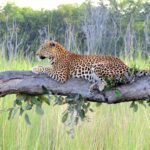
Moremi Game Reserve
June 25, 2026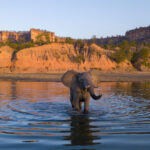
Gonarezhou National Park
June 29, 2026
Okavango Delta: The Complete Travel Guide
The Okavango Delta stands as one of the most extraordinary inland waterways in the world, where a vast river system spreads into the sands of the Kalahari Desert to create a lush, wildlife-rich oasis. An Okavango Delta guide introduces travelers to a UNESCO World Heritage Site defined by seasonal floodplains, winding channels, palm islands, and an exceptional density of wildlife that thrives in this unique ecosystem.
Unlike typical river systems that flow into the sea, the Okavango River disperses into the desert, forming a living delta that transforms dramatically with the seasons. Water levels rise and fall across the landscape, shaping animal movements and creating one of Africa’s most immersive safari environments.
This Okavango Delta guide explores wildlife, safari experiences, best regions, activities, accommodation, best time to visit, and essential travel insights for planning a world-class Botswana safari.
Why the Okavango Delta Is So Unique
The Okavango Delta is one of the few major inland deltas on Earth that does not drain into an ocean. Instead, its waters spread across the Kalahari sands, forming a dynamic network of channels, lagoons, and floodplains.
An Okavango Delta guide highlights this seasonal flooding as the defining feature of the ecosystem. Floodwaters arrive from Angola between May and August, peaking during Botswana’s dry season and transforming the landscape into a green, water-filled paradise.
This contrast between desert surroundings and abundant water creates one of Africa’s most concentrated wildlife habitats.
Wildlife in the Okavango Delta
The Okavango Delta supports an exceptional range of wildlife due to its mix of water, grasslands, and woodlands.
An Okavango Delta guide highlights elephants, lions, leopards, buffalo, hippos, crocodiles, giraffes, zebras, and antelope species as core sightings.
Predator Activity
The delta is known for strong predator populations, especially lions that have adapted to wetland hunting. Wild dogs and leopards also thrive in this ecosystem, using islands and reed beds for cover.
Herbivores and Wetland Species
Red lechwe, sitatunga, and other water-adapted antelope species define the delta’s unique wildlife profile. These species move through shallow waters with ease, creating dramatic scenes during game viewing.
Birdlife
More than 400 bird species inhabit the delta, including fish eagles, herons, kingfishers, storks, and migratory species that follow seasonal water patterns.
Safari Experiences in the Okavango Delta
The Okavango Delta offers some of the most diverse safari experiences in Africa due to its water-based landscape.
An Okavango Delta guide highlights both land and water safaris as essential parts of the experience.
Mokoro Canoe Safaris
The traditional mokoro canoe safari is one of the delta’s most iconic activities. Travelers glide silently through narrow channels, guided by local polers, observing wildlife at close range without disturbing the environment.
Game Drives
Game drives take place in private concessions and national park areas, offering access to elephants, lions, and other terrestrial wildlife.
Walking Safaris
Guided walking safaris provide a deeper understanding of the delta’s ecosystems, including tracking animals, studying plants, and observing smaller wildlife species.
Boat Safaris
In permanent water areas, motorboat safaris offer opportunities to explore larger channels and lagoons, especially when water levels are high.
Key Regions of the Okavango Delta
The Okavango Delta is divided into several regions, each offering different safari experiences.
An Okavango Delta guide helps travelers understand these zones for better planning.
Moremi Game Reserve
Moremi forms the eastern section of the delta and combines dry land and wetland environments. It is known for excellent predator sightings and diverse habitats.
Private Concessions
Private concessions offer exclusive safari experiences with fewer vehicles, off-road driving, and a higher level of luxury accommodation.
Chief’s Island
Chief’s Island is one of the richest wildlife areas in the delta, offering some of the highest concentrations of big game in Botswana.
Best Time to Visit the Okavango Delta
The Okavango Delta offers excellent safari experiences year-round, but conditions vary significantly with water levels.
The peak flood season from June to August creates the most extensive waterways, making mokoro and boat safaris most rewarding.
The dry season from September to October offers the best land-based game viewing as wildlife concentrates around remaining water sources.
The green season from November to April brings lush landscapes, migratory birds, and newborn animals, although wildlife disperses more widely.
An Okavango Delta guide recommends timing visits based on whether travelers prefer water-based or land-based safaris.
Accommodation in the Okavango Delta
Accommodation in the Okavango Delta focuses on low-impact, high-quality safari lodges and luxury tented camps.
An Okavango Delta guide highlights private concessions for exclusive safari experiences and intimate wildlife encounters.
Many lodges are located on islands or floodplains, offering direct access to wildlife and panoramic views of the surrounding ecosystem.
Eco-conscious design and sustainable operations form a key part of hospitality in the delta.
Wildlife Photography in the Okavango Delta
The Okavango Delta is a premier destination for wildlife photography due to its diverse landscapes and close wildlife encounters.
An Okavango Delta guide emphasizes reflections in water channels, golden light, and dramatic predator-prey interactions as key photographic opportunities.
Mokoro safaris offer unique low-angle perspectives, while game drives provide action-focused wildlife scenes.
Conservation and Ecosystem Importance
The Okavango Delta is one of the most important wetland ecosystems in Africa and remains largely untouched by large-scale development.
An Okavango Delta guide highlights strong conservation policies, controlled tourism, and community-based wildlife management as key factors in its preservation.
Its UNESCO World Heritage status reflects global recognition of its ecological significance.
Conclusion
The Okavango Delta delivers one of the most unique safari experiences in the world, where water and wildlife blend seamlessly within a desert environment. From mokoro canoe journeys through narrow channels to game drives across predator-rich islands, every experience feels immersive and intimate.
An Okavango Delta guide reveals a destination shaped by seasonal floods, diverse ecosystems, and exceptional wildlife density. Whether exploring by canoe, boat, or vehicle, the delta offers a safari experience defined by silence, beauty, and unmatched natural complexity.