
Quirimbas Archipelago
July 21, 2026
Tofo Beach Mozambique
July 22, 2026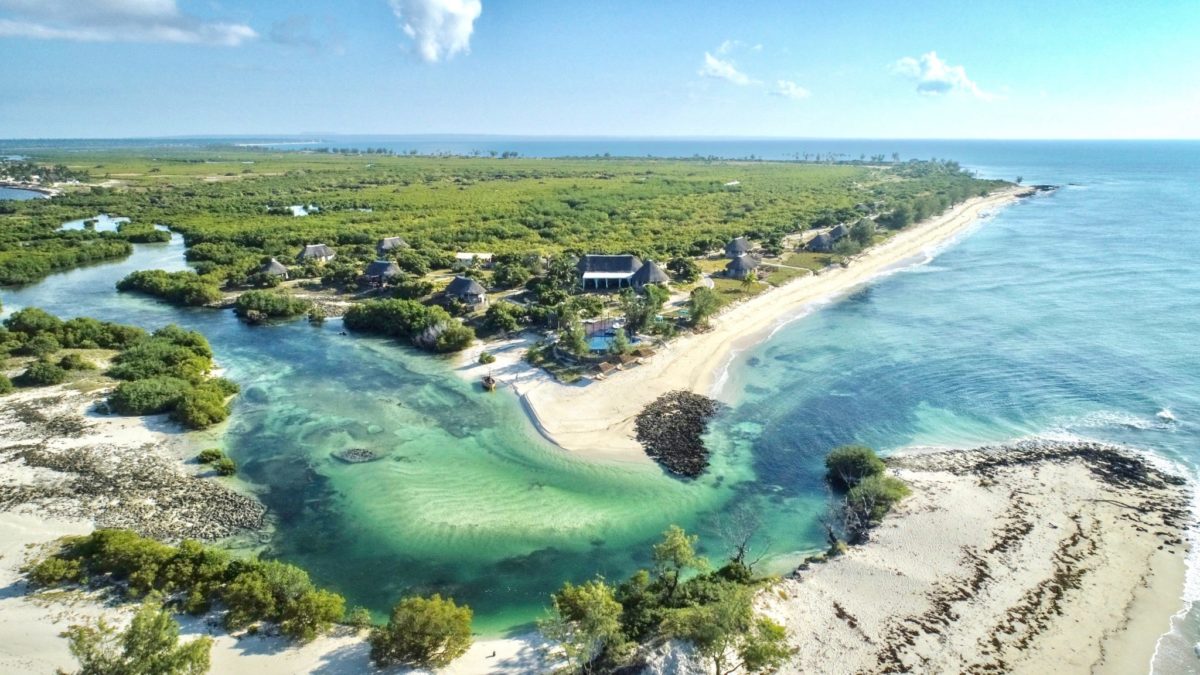
Ilha de Moçambique: Africa’s Oldest Colonial Island
Ilha de Moçambique is one of Africa’s most fascinating historical destinations, offering a rare combination of colonial heritage, cultural traditions, beautiful beaches, and Indian Ocean charm. Located along the northern coast of Mozambique, this small island carries centuries of history shaped by African, Arab, Indian, and Portuguese influences.
Once a major trading center between Africa, the Middle East, and Asia, Ilha de Moçambique played an important role in Indian Ocean commerce for hundreds of years. Today, the island preserves its historic buildings, ancient streets, and cultural identity, making it one of Mozambique’s most unique destinations.
Recognized as a UNESCO World Heritage Site, Ilha de Moçambique attracts travellers interested in history, architecture, culture, and authentic coastal experiences. Unlike traditional beach destinations, the island offers a journey through time while still providing opportunities for relaxation beside the ocean.
For 2026 and 2027, Ilha de Moçambique remains a hidden gem for travellers seeking meaningful experiences beyond ordinary holidays. From exploring historic landmarks to enjoying seafood by the sea, the island provides a memorable connection to Mozambique’s past and present.
Why Visit Ilha de Moçambique?
Ilha de Moçambique offers a completely different experience from other Indian Ocean islands. While destinations such as Zanzibar and Mauritius are famous for beaches and resorts, Ilha de Moçambique stands out because of its extraordinary history and cultural importance.
The island tells the story of centuries of migration, trade, and cultural exchange. Walking through its narrow streets reveals a mixture of Portuguese colonial architecture, Swahili influences, traditional African culture, and Indian Ocean heritage.
Visitors can explore historic buildings, ancient forts, local markets, and traditional communities. The island also offers beautiful coastal scenery, making it possible to combine cultural discovery with peaceful beach moments.
For travellers who enjoy history, photography, and authentic experiences, Ilha de Moçambique provides one of Africa’s most rewarding island escapes.
Where Is Ilha de Moçambique Located?
Ilha de Moçambique is located in Nampula Province in northern Mozambique, connected to the mainland by a bridge. The island lies along the Indian Ocean coastline between the cities of Nacala and Nampula.
The island is small, stretching approximately three kilometers long and less than one kilometer wide. Despite its size, it contains an extraordinary concentration of historical landmarks and cultural attractions.
The destination is often included as part of northern Mozambique itineraries, especially for travellers exploring the Quirimbas Archipelago, Pemba, or other coastal areas.
Visitors can reach Ilha de Moçambique by flying to Nampula or Nacala before continuing by road to the island.
History of Ilha de Moçambique
Ilha de Moçambique has a history that dates back more than a thousand years. Before Portuguese arrival, the island was already an important trading point along the Indian Ocean route.
Arab and Swahili traders used the island as a commercial center, connecting East Africa with Arabia, India, and beyond. The island became a meeting place for different cultures, languages, and traditions.
In 1498, Portuguese explorer Vasco da Gama visited the island during his journey to India. Portuguese influence grew over time, and the island became an important administrative and trading center.
For many centuries, Ilha de Moçambique served as the capital of Portuguese East Africa before the capital moved to Lourenço Marques, now known as Maputo, in 1898.
Today, the island preserves this complex history through its architecture, traditions, and cultural identity.
Exploring the Stone Town and Macuti Town
Ilha de Moçambique is divided into two main areas: Stone Town and Macuti Town. Each area represents a different chapter of the island’s history.
Stone Town
Stone Town is the historic heart of Ilha de Moçambique. It features impressive colonial buildings constructed from coral stone, narrow streets, and historic landmarks.
Visitors can explore old residences, churches, forts, and government buildings that reflect the island’s Portuguese colonial past.
The architecture creates a unique atmosphere where travellers can walk through centuries of history while experiencing daily island life.
Macuti Town
Macuti Town represents the traditional African side of the island. It is home to local communities living in houses made from traditional materials.
The area provides a glimpse into modern island life, where fishing, crafts, and local traditions remain important parts of the community.
Exploring Macuti Town allows visitors to experience the island beyond its historic monuments.
Top Attractions in Ilha de Moçambique
Despite its small size, Ilha de Moçambique offers many important historical and cultural attractions.
Fort São Sebastião
Fort São Sebastião is one of the island’s most famous landmarks. Built by the Portuguese during the 16th century, it is one of the oldest surviving European forts in sub-Saharan Africa.
The fort overlooks the Indian Ocean and provides impressive views of the coastline.
Visitors can explore its stone walls and historic structures and learn about the island’s role in regional trade and colonial history.
Chapel of Nossa Senhora de Baluarte
The Chapel of Nossa Senhora de Baluarte is one of the oldest European buildings in the Southern Hemisphere.
Built in 1522, the small chapel represents an important period of Portuguese maritime expansion.
Its location beside the ocean makes it one of the most photographed landmarks on the island.
Palace and Chapel of São Paulo
The Palace and Chapel of São Paulo is another important historic site on Ilha de Moçambique.
The building showcases Portuguese colonial architecture and houses historical collections that provide insight into the island’s past.
Visitors can discover furniture, artwork, and artifacts that reflect the island’s cultural heritage.
The Bridge to Ilha de Moçambique
The bridge connecting the island to the mainland offers beautiful views of the coastline and provides the main access route for visitors.
The journey across the bridge creates the feeling of entering a historic island world.
It is also a popular location for photography, especially during sunrise and sunset.
Beaches and Coastal Experiences
Although Ilha de Moçambique is mainly known for history, it also offers beautiful coastal experiences.
The island features calm waters, sandy beaches, and scenic ocean views. Visitors can enjoy swimming, relaxing by the sea, and exploring nearby coastal areas.
The surrounding waters are suitable for activities such as snorkeling, sailing, and traditional dhow excursions.
The beaches provide a peaceful setting after exploring the island’s historic attractions.
Things to Do in Ilha de Moçambique
Take a Walking Tour
Walking is one of the best ways to experience Ilha de Moçambique. The island’s small size allows visitors to explore historic streets, local communities, and cultural landmarks at a relaxed pace.
A guided tour provides deeper insight into the island’s history and the people who shaped its identity.
Enjoy a Traditional Dhow Cruise
Dhow sailing is an important part of Mozambique’s coastal heritage. These traditional wooden boats have travelled the Indian Ocean for centuries.
A dhow cruise allows visitors to experience the coastline from the water while enjoying beautiful ocean views.
Sunset cruises are especially popular because they create a peaceful and memorable experience.
Explore Local Markets
Local markets provide an opportunity to experience daily life on the island. Visitors can discover handmade crafts, seafood, traditional products, and local flavors.
The markets reflect the island’s connection to fishing and coastal traditions.
Taste Mozambican Cuisine
Food is an important part of the Ilha de Moçambique experience. The island is known for fresh seafood, traditional spices, and dishes influenced by African, Portuguese, and Indian cultures.
Visitors can enjoy prawns, grilled fish, coconut-based dishes, and local specialties.
Dining by the ocean creates a memorable cultural experience.
Best Time to Visit Ilha de Moçambique
The best time to visit Ilha de Moçambique is between May and October, when the weather is dry, sunny, and comfortable.
During this period, travellers can explore historic sites, enjoy coastal activities, and experience the island with pleasant temperatures.
The months between November and March bring warmer weather and occasional rainfall. However, the island remains attractive for travellers interested in culture and history.
The best travel period depends on whether you prioritize sightseeing, beach activities, or cultural experiences.
Accommodation in Ilha de Moçambique
Ilha de Moçambique offers a selection of charming hotels, guesthouses, and boutique properties that reflect the island’s historic character.
Accommodation options often focus on heritage, local design, and personalized hospitality rather than large resort experiences.
Travellers can choose historic buildings converted into guest accommodation or comfortable coastal properties with ocean views.
Staying on the island allows visitors to experience its atmosphere after day visitors leave.
Ilha de Moçambique vs. Zanzibar
Both Ilha de Moçambique and Zanzibar offer fascinating Indian Ocean experiences, but they have different identities.
Zanzibar is larger and more developed as a tourism destination. It offers famous beaches, luxury resorts, spice tours, and a lively cultural scene.
Ilha de Moçambique provides a quieter and more historic experience. Its main attraction is its heritage, architecture, and authentic island atmosphere.
Travellers seeking beach resorts and more activities may prefer Zanzibar. Those interested in history, culture, and a slower pace may find Ilha de Moçambique more rewarding.
How to Include Ilha de Moçambique in a Mozambique Itinerary
Ilha de Moçambique works well as part of a northern Mozambique journey. Travellers can combine the island with destinations such as Pemba, the Quirimbas Archipelago, or coastal areas near Nacala.
A typical itinerary may include cultural exploration on Ilha de Moçambique before continuing to remote islands and beach destinations.
Combining history with coastal relaxation creates a more complete Mozambiquian experience.
A local travel specialist can help arrange transport, accommodation, and activities for a smooth journey.
Is Ilha de Moçambique Worth Visiting?
Ilha de Moçambique is one of Africa’s most unique island destinations. Its combination of history, culture, architecture, and coastal beauty makes it unlike any other place in Mozambique.
The island offers travellers the chance to explore centuries of heritage while enjoying the peaceful atmosphere of the Indian Ocean.
For those seeking authentic experiences beyond traditional beach holidays, Ilha de Moçambique is a destination worth discovering.
A visit to this historic island is not only a journey to a beautiful coastline but also a journey through Africa’s rich past.
Plan Your Ilha de Moçambique Adventure
Ilha de Moçambique offers a rare opportunity to experience the history and beauty of northern Mozambique in one unforgettable destination.
From ancient forts and colonial streets to traditional communities and ocean views, every corner of the island tells a story.
With thoughtful planning and the right itinerary, your visit to Ilha de Moçambique can become a meaningful African journey filled with culture, discovery, and coastal charm.