
Self-Drive Safari Guide
July 20, 2026
Tented Camp vs Safari Lodge
July 20, 2026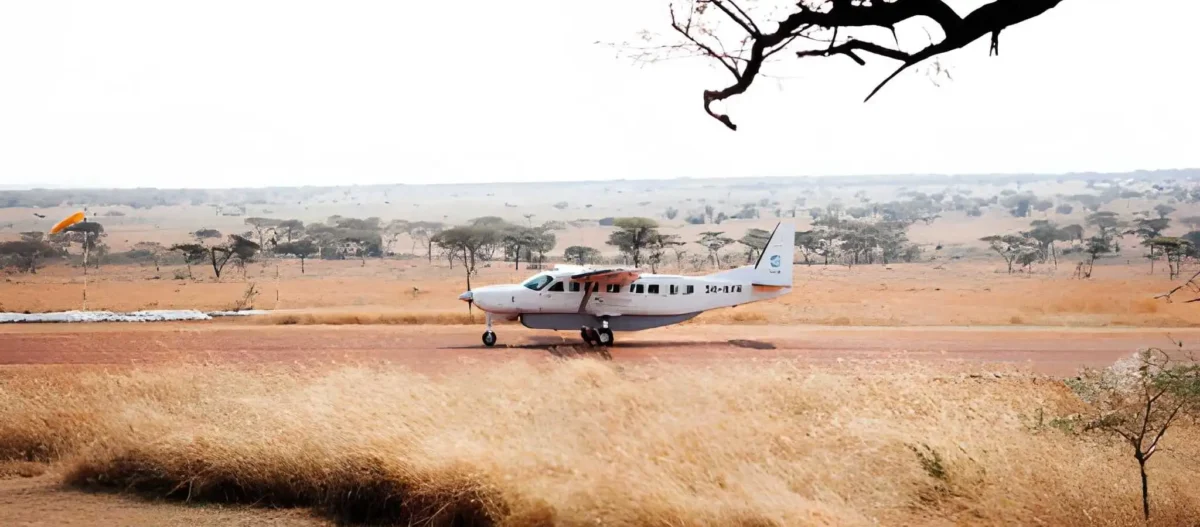
Fly-In Safari vs. Road Safari: Pros, Cons & Best Pick
Choosing between a fly-in safari and a road safari can greatly influence your African adventure. Both options provide incredible wildlife experiences, but they offer very different travel styles.
A fly-in safari focuses on speed, comfort, and access to remote wilderness areas. A road safari creates a deeper journey through landscapes, communities, and hidden destinations along the way.
Many travelers struggle to decide which option suits their needs. The best choice depends on your available time, budget, preferred level of comfort, and the type of safari experience you want.
Fly-in safaris work well for travellers who want to maximise wildlife time and reach exclusive locations quickly. Road safaris appeal to those who enjoy scenic journeys, cultural encounters, and exploring destinations at a slower pace.
Understanding the differences between these two safari styles helps you choose the perfect African adventure.
What Is a Fly-In Safari?
A fly-in safari uses small aircraft to transport travelers between safari destinations instead of relying on long road transfers.
These flights usually connect airports, airstrips, and remote safari camps located inside or near national parks.
Fly-in safaris are common in destinations such as Botswana, Tanzania, Zambia, Kenya, and Namibia, where remote wilderness areas may require several hours of driving.
Many luxury safari lodges operate private airstrips, allowing guests to arrive directly in the heart of wildlife areas.
This style of safari prioritizes efficiency and exclusivity. Travellers spend less time travelling and more time enjoying wildlife experiences.
What Is a Road Safari?
A road safari involves travelling between destinations by vehicle, usually using a safari vehicle with a professional guide or driver.
Road safaris remain one of the most popular ways to explore Africa because they provide opportunities to experience landscapes, communities, and wildlife along the journey.
Countries such as Uganda, Kenya, Tanzania, South Africa, Namibia, and Rwanda offer excellent road safari routes.
Road journeys allow travellers to stop at viewpoints, visit cultural attractions, and discover places that aircraft cannot reach.
A road safari creates a stronger connection with the destination because the journey becomes part of the adventure.
Fly-In Safari: Advantages
Saves Valuable Travel Time
The biggest advantage of a fly-in safari is efficiency.
Africa contains enormous wilderness areas, and road distances between parks can become very long.
A flight that takes one hour may replace a full day of driving.
This allows travellers with limited time to visit multiple safari areas without spending much of their holiday on the road.
For example, flying between Tanzania’s Serengeti and Zanzibar saves significant travel time compared to combining road transfers and regional transport.
Access to Remote Wilderness Areas
Fly-in safaris open the door to some of Africa’s most exclusive locations.
Many remote camps operate in areas that are difficult to access by road.
Botswana’s Okavango Delta, Zambia’s remote parks, and Tanzania’s private reserves often rely on small aircraft transfers.
These locations usually offer fewer visitors, untouched landscapes, and exceptional wildlife experiences.
Travellers can reach destinations where traditional road access remains limited.
More Time for Wildlife Activities
Because flights reduce transfer times, guests spend more hours on safari activities.
Instead of losing a day travelling between parks, you can enjoy additional game drives, walking safaris, boat excursions, or relaxation at your lodge.
This makes fly-in safaris ideal for travellers who want to focus mainly on wildlife.
Greater Comfort
Fly-in safaris often provide a smoother travel experience.
Guests avoid long road journeys, rough terrain, and frequent hotel changes.
Many remote lodges offer personalized services, beautiful accommodation, and carefully planned experiences.
This makes fly-in safaris popular among honeymooners, luxury travelers, and visitors seeking maximum comfort.
Fly-In Safari: Disadvantages
Higher Cost
The main disadvantage of a fly-in safari is the price.
Small aircraft transfers, remote lodge locations, and exclusive services increase the overall cost.
Travellers usually pay more compared with traditional road safaris.
However, many visitors consider the additional cost worthwhile because they save time and access unique wilderness areas.
Limited Luggage Allowance
Small aircraft often have strict baggage restrictions.
Most flights allow soft-sided bags with limited weight because aircraft have limited storage space.
Travellers may need to pack carefully and avoid large suitcases.
Safari operators usually provide detailed luggage guidelines before departure.
Less Opportunity to Explore Between Destinations
Flying between locations reduces opportunities to experience communities, landscapes, and attractions along the route.
Travellers miss scenic drives, local villages, and hidden stops that road safaris provide.
For visitors who enjoy discovering places beyond wildlife, this can feel limiting.
Road Safari: Advantages
More Affordable
Road safaris generally provide better value for travellers watching their budget.
Transport costs remain lower because they avoid expensive internal flights.
This makes road safaris popular among families, groups, and first-time safari travelers.
The savings allow travellers to spend more on accommodation, activities, or longer itineraries.
Scenic Landscapes and Cultural Experiences
Road safaris reveal the beauty of Africa beyond national parks.
Driving between destinations allows travelers to see changing landscapes, local communities, farms, mountains, and rural life.
A journey through Tanzania may reveal Maasai villages, highland landscapes, and small towns.
A road trip through South Africa may include vineyards, coastal scenery, and mountain passes.
The journey becomes part of the safari experience.
Greater Flexibility
Road safaris provide more freedom to stop and explore.
Travellers can visit viewpoints, markets, cultural sites, and attractions along the route.
Guides can adjust the journey based on interests and unexpected discoveries.
This flexibility creates a more personalized adventure.
Better for Photography
Road safaris provide many opportunities for landscape photography.
Travellers can capture changing scenery, local communities, and wildlife encounters during transfers.
Photographers who enjoy storytelling often prefer road journeys because they capture the complete travel experience.
Road Safari: Disadvantages
Longer Travel Times
The biggest challenge of road safaris is the time spent travelling.
Africa’s safari destinations often cover large distances.
Some routes involve several hours of driving between parks.
Although scenic, long journeys can become tiring, especially for young children or travellers with limited time.
Less Access to Remote Areas
Some of Africa’s most exclusive wilderness areas remain difficult to reach by road.
Remote camps in Botswana, Zambia, and Tanzania often require flights.
Travelers may have fewer accommodation options in these areas.
Road Conditions Can Vary
Road conditions differ between countries and regions.
Some routes include rough roads, gravel tracks, and seasonal challenges.
Experienced safari operators manage these conditions well, but travellers should prepare for occasional discomfort.
Best Destinations for Fly-In Safaris
Botswana
Botswana remains one of Africa’s top fly-in safari destinations.
The Okavango Delta, private concessions, and remote camps rely heavily on small aircraft transfers.
Flying allows travellers to reach beautiful wilderness areas quickly while avoiding long road journeys.
Zambia
Zambia offers remote safari experiences in areas such as South Luangwa and Lower Zambezi.
Fly-in options provide access to untouched landscapes and excellent wildlife viewing.
Tanzania
Fly-in safaris work especially well for travellers combining the Serengeti, Ngorongoro region, and Zanzibar.
Domestic flights save time and create smoother itineraries.
Best Destinations for Road Safaris
South Africa
South Africa provides some of the easiest self-drive and guided road safari experiences.
Excellent roads and infrastructure make travelling between destinations simple.
Uganda
Uganda’s road safaris provide opportunities to combine gorilla trekking, chimpanzee tracking, and wildlife viewing.
The journey reveals beautiful landscapes and local communities.
Kenya
Kenya offers excellent road connections between Nairobi, Amboseli, Lake Nakuru, and the Maasai Mara.
Road travel allows visitors to experience diverse regions of the country.
Fly-In Safari vs Road Safari: Which Is Better for Families?
Families should consider children’s ages and travel preferences.
Fly-in safaris reduce long transfers, which can make the journey easier for younger children.
Road safaris provide more flexibility and opportunities for educational stops.
South Africa often works well for families because it combines easy roads, family-friendly lodges, and excellent wildlife viewing.
For families with limited time, a combination of short flights and road transfers often creates the best balance.
Fly-In Safari vs Road Safari: Which Is Better for Honeymooners?
Honeymoon couples often prefer fly-in safaris because they offer privacy, comfort, and exclusive experiences.
Remote lodges create romantic settings with fewer guests and personalized service.
However, couples who enjoy adventure may prefer a road safari combined with scenic destinations.
A mixed itinerary can provide the best of both worlds.
Fly-In Safari vs Road Safari: Which Is Better for Photographers?
Photography-focused travellers should consider their priorities.
Fly-in safaris provide more time at wildlife locations and access to remote areas with excellent sightings.
Road safaris provide more opportunities for landscape and cultural photography.
Many professional photographers combine both options to maximize variety.
Combining Fly-In and Road Safaris
Many travelers choose a combination of both styles.
A hybrid safari provides efficiency while maintaining opportunities for exploration.
For example, a Tanzania itinerary may include road transfers between nearby parks and flights to remote areas or Zanzibar.
A Botswana safari may combine flights to private camps with road travel around Chobe National Park.
This approach creates a balanced experience with comfort, adventure, and flexibility.
Which Safari Option Should You Choose?
The best option depends on your travel goals.
Choose a fly-in safari if you want:
A shorter travel time, remote wilderness access, maximum comfort, and more hours for wildlife activities.
Choose a road safari if you want:
Scenic journeys, cultural experiences, flexibility, and better value.
Neither option provides a universally better experience. Each creates a different way to discover Africa.
Is a Fly-In Safari Worth the Extra Cost?
A fly-in safari offers exceptional value for travellers who prioritise time and exclusivity.
Reaching remote wilderness areas quickly allows more time for wildlife experiences and relaxation.
For travellers visiting Africa once and wanting a premium experience, the convenience can make the additional cost worthwhile.
Is a Road Safari Worth It?
A road safari remains one of the most rewarding ways to experience Africa.
The journey reveals landscapes, cultures, and hidden moments that flights cannot provide.
For travellers who enjoy exploration and discovery, road travel creates unforgettable memories.
Plan Your Perfect African Safari
Choosing between a fly-in safari and a road safari depends on your personal travel style.
Both options provide incredible opportunities to experience Africa’s wildlife and landscapes.
Whether you prefer the speed and exclusivity of flying or the adventure of travelling by road, Africa offers unforgettable safari experiences.
A carefully planned itinerary can even combine both options, giving you the best balance of comfort, discovery, and wildlife adventure.
Plan your African safari with an experienced local operator and create a journey designed around your time, interests, and travel dreams.