
Cheetah Safari: The Best Places to See Cheetahs in Africa
June 29, 2026
Elephant Safari: Best Destinations for Elephant Encounters
July 16, 2026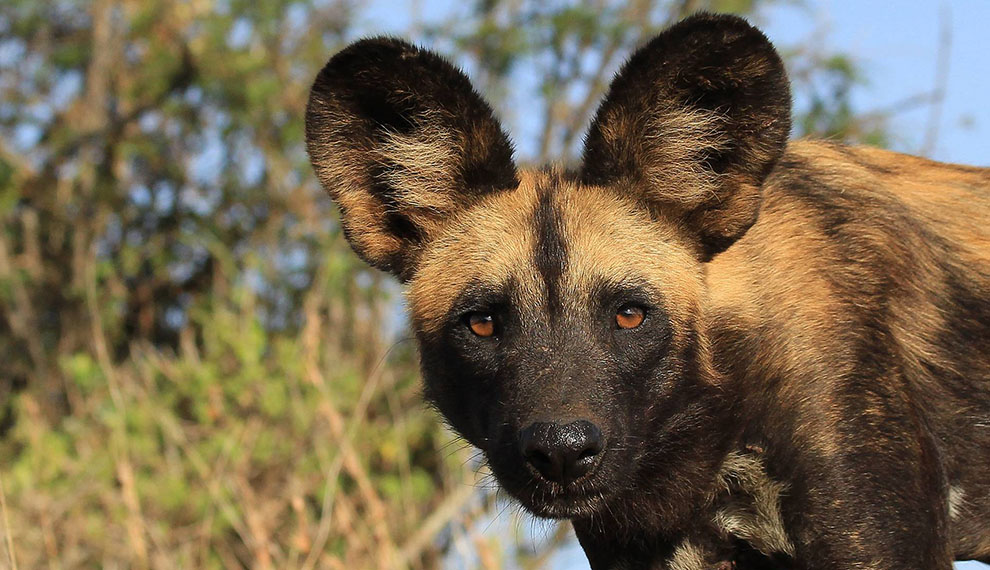
African Wild Dogs: Where to See the Painted Wolf
The African wild dog, also known as the painted wolf, is one of the most endangered and efficient predators on the continent. Known for their striking coat patterns, highly social structure, and coordinated hunting strategy, they offer one of the most rewarding yet challenging sightings on safari. A African wild dog safari guide helps travelers understand that sightings depend heavily on location, pack stability, and protection levels across different conservation areas.
Unlike lions or leopards, wild dogs live in low-density populations and require large, undisturbed territories. Their movements cover vast distances, which makes encounters unpredictable but highly memorable when they happen.
This guide explores the best places to see African wild dogs in 2026–2027 and how to improve your chances of spotting this rare predator in the wild.
Why African Wild Dogs Are So Rare to See
African wild dogs face constant pressure from habitat loss, human conflict, and disease, which has reduced their population across most of their historical range. They also move in large packs that require extensive hunting territories, making them harder to locate consistently.
A African wild dog safari guide highlights their highly mobile behavior, as packs can travel dozens of kilometers in a single day while tracking prey.
Their hunting style relies on stamina and teamwork rather than ambush or speed bursts, which pushes them into wide, less disturbed wilderness areas.
Okavango Delta, Botswana
The Okavango Delta remains one of the most reliable strongholds for African wild dogs. The mix of floodplains, islands, and woodlands provides ideal hunting conditions and protection from human pressure.
A African wild dog safari guide identifies Botswana as the global center for wild dog conservation, with some of the largest and most stable packs.
Wild dogs here are often seen during early morning hunts across open floodplains, especially when prey is concentrated around seasonal waters.
Moremi Game Reserve, Botswana
Moremi Game Reserve within the Okavango Delta offers some of the best chances to observe wild dog packs in action. The reserve’s protected status and rich biodiversity support stable predator populations.
A African wild dog safari guide highlights Moremi for frequent pack movements across river channels and mopane woodlands.
Sightings often include coordinated hunts, where packs work together to isolate and exhaust prey over long distances.
South Luangwa National Park, Zambia
South Luangwa is one of Africa’s most important wild dog habitats, with several well-known packs regularly monitored within the park.
A African wild dog safari guide emphasizes South Luangwa for its combination of open plains and riverine forests that support pack movement and hunting success.
The park’s low tourist density also enhances the authenticity of wild dog encounters.
Mana Pools National Park, Zimbabwe
Mana Pools offers exceptional wild dog viewing opportunities, particularly during the dry season when animals concentrate along the Zambezi River.
A African wild dog safari guide highlights the park’s open floodplains, which make pack movements easier to track.
Wild dogs here are often seen hunting in daylight, giving visitors rare insight into their coordinated behavior.
Selous Game Reserve (Nyerere National Park), Tanzania
Nyerere National Park, formerly Selous Game Reserve, supports one of the largest wild dog populations in East Africa.
A African wild dog safari guide identifies this park as a critical refuge for painted wolves in Tanzania.
The vast wilderness and limited human presence allow packs to roam freely across diverse habitats.
Kruger National Park and Private Reserves, South Africa
Kruger and surrounding private reserves, especially areas like Sabi Sands, offer occasional but high-quality wild dog sightings.
A African wild dog safari guide highlights private reserves for better tracking success due to controlled access and expert guiding.
Wild dogs here often move in smaller, highly mobile packs that cover large territories.
Best Time to See Afri|can Wild Dogs in Africa
Wild dog sightings improve during the dry season when prey concentrates near water sources and vegetation becomes less dense. This increases visibility and tracking success.
A African wild dog safari guide explains that early mornings provide the best chance to witness active hunts, as packs are most energetic during cooler hours.
Denning season can also improve sightings when packs remain in fixed areas while raising pups.
Conclusion
African wild dogs remain one of the most fascinating yet elusive predators in Africa. Their wide-ranging behavior, low population density, and complex social structure make every encounter special. Botswana’s Okavango Delta and Moremi Game Reserve offer the most reliable sightings, while Zambia, Zimbabwe, Tanzania, and South Africa provide important secondary habitats.
A African wild dog safari guide shows that patience, timing, and location selection are essential for successful sightings. When conditions align, observing a wild dog pack in coordinated motion becomes one of the most dynamic wildlife experiences in Africa.