
Where to Find Africa’s Big Five on Safari
June 29, 2026
Cheetah Safari: The Best Places to See Cheetahs in Africa
June 29, 2026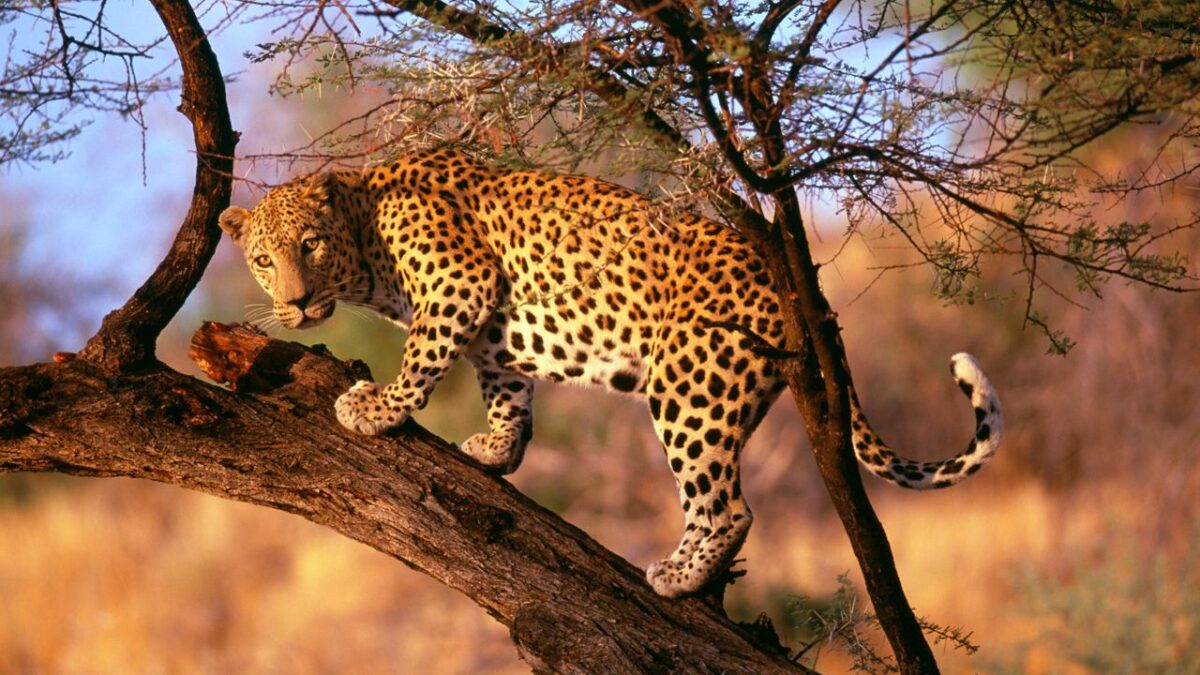
African Leopard: Where & How to Spot One on Safari
The African leopard remains one of the most elusive and admired predators on the continent, known for its stealth, strength, and ability to adapt across diverse habitats. A leopard safari guide Africa helps travelers understand that spotting a leopard requires more than luck, since these cats rely on camouflage, solitary behavior, and nocturnal hunting patterns that make them harder to find than lions or elephants.
Leopards exist across many African ecosystems, but sightings depend heavily on habitat type, prey density, and guiding expertise. Some regions consistently deliver excellent leopard encounters, while others require patience and timing.
This guide explains where to see African leopards and how to improve your chances of spotting one on safari in 2026–2027.
Why Leopards Are So Hard to Spot
Leopards combine stealth, camouflage, and tree-climbing ability, which allows them to remain hidden even in high-density wildlife areas. Their spotted coats blend perfectly with grass, rocks, and woodland shadows.
A leopard safari guide Africa highlights that leopards prefer solitary movement and often hunt at night or during low-light hours.
They also drag kills into trees to avoid scavengers, which makes them even less visible from ground-level safari routes.
South Luangwa National Park, Zambia
South Luangwa is widely regarded as one of the best places in Africa to see leopards in the wild. The park’s dense leopard population and walking safari culture create exceptional viewing opportunities.
A leopard safari guide Africa identifies South Luangwa as a global hotspot for leopard encounters, especially along riverbanks and woodland edges.
Night drives in the park further increase sightings, as leopards become more active after sunset.
Kruger National Park, South Africa
Kruger National Park offers some of the most reliable leopard sightings in Africa due to its strong ecosystem and well-developed safari infrastructure.
A leopard safari guide Africa highlights Kruger’s Sabi Sands region as one of the best leopard viewing areas in the world.
Leopards here are relatively accustomed to vehicles, which improves visibility during game drives.
Okavango Delta, Botswana
The Okavango Delta supports a healthy leopard population that thrives in riverine forests, islands, and floodplains. The mix of water and woodland creates ideal stalking environments.
A leopard safari guide Africa emphasizes that leopards in the delta often rest in trees overlooking waterways.
Boat safaris and mokoro excursions sometimes provide unique viewing angles of leopards near riverbanks.
Serengeti National Park, Tanzania
The Serengeti offers consistent leopard sightings, especially around rocky outcrops known as kopjes. These formations provide shade, hunting vantage points, and den sites.
A leopard safari guide Africa highlights the Seronera Valley as one of the most reliable areas for leopard encounters in East Africa.
Leopards here often hunt impala and small antelope across open plains and woodland edges.
Maasai Mara National Reserve, Kenya
The Maasai Mara supports a strong leopard population, although sightings often require experienced guides due to dense vegetation in some areas.
A leopard safari guide Africa identifies riverine forests along the Mara River as prime leopard habitats.
Leopards here benefit from high prey density during the Great Migration season.
Etosha National Park, Namibia
Etosha offers fewer leopard sightings compared to other parks, but they still exist in remote woodland and waterhole regions.
A leopard safari guide Africa highlights that sightings often occur at night near water sources.
The open landscape makes leopards harder to track, but patient observation can still yield results.
Best Time to Spot Leopards in Africa
Leopard sightings improve during dry seasons when vegetation thins and animals concentrate around water sources. Early morning and late evening game drives offer the highest chances of encounters.
A leopard safari guide Africa explains that reduced ground cover improves visibility, while predator activity increases during cooler hours.
Night drives in select parks also significantly improve sighting opportunities.
Conclusion
Spotting an African leopard requires patience, timing, and the right destination. Parks such as South Luangwa, Kruger, the Okavango Delta, Serengeti, and Maasai Mara consistently offer the best opportunities, while each ecosystem provides a different viewing experience shaped by terrain and wildlife density.
A leopard safari guide in Africa shows that success depends on understanding leopard behavior and choosing destinations where their natural habits align with visibility conditions. When conditions come together, leopard sightings become some of the most rewarding moments in any African safari.