
Big Five Safaris
November 18, 2025
Malaria-Free Safaris
November 18, 2025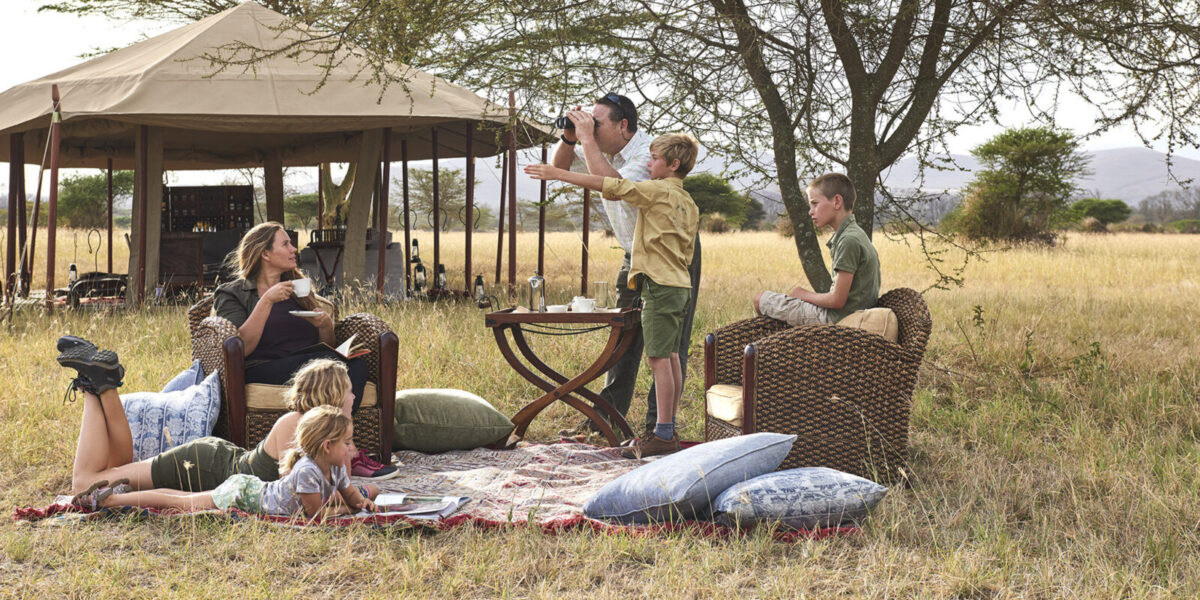
Home / Experiences /
Family Safaris in Africa
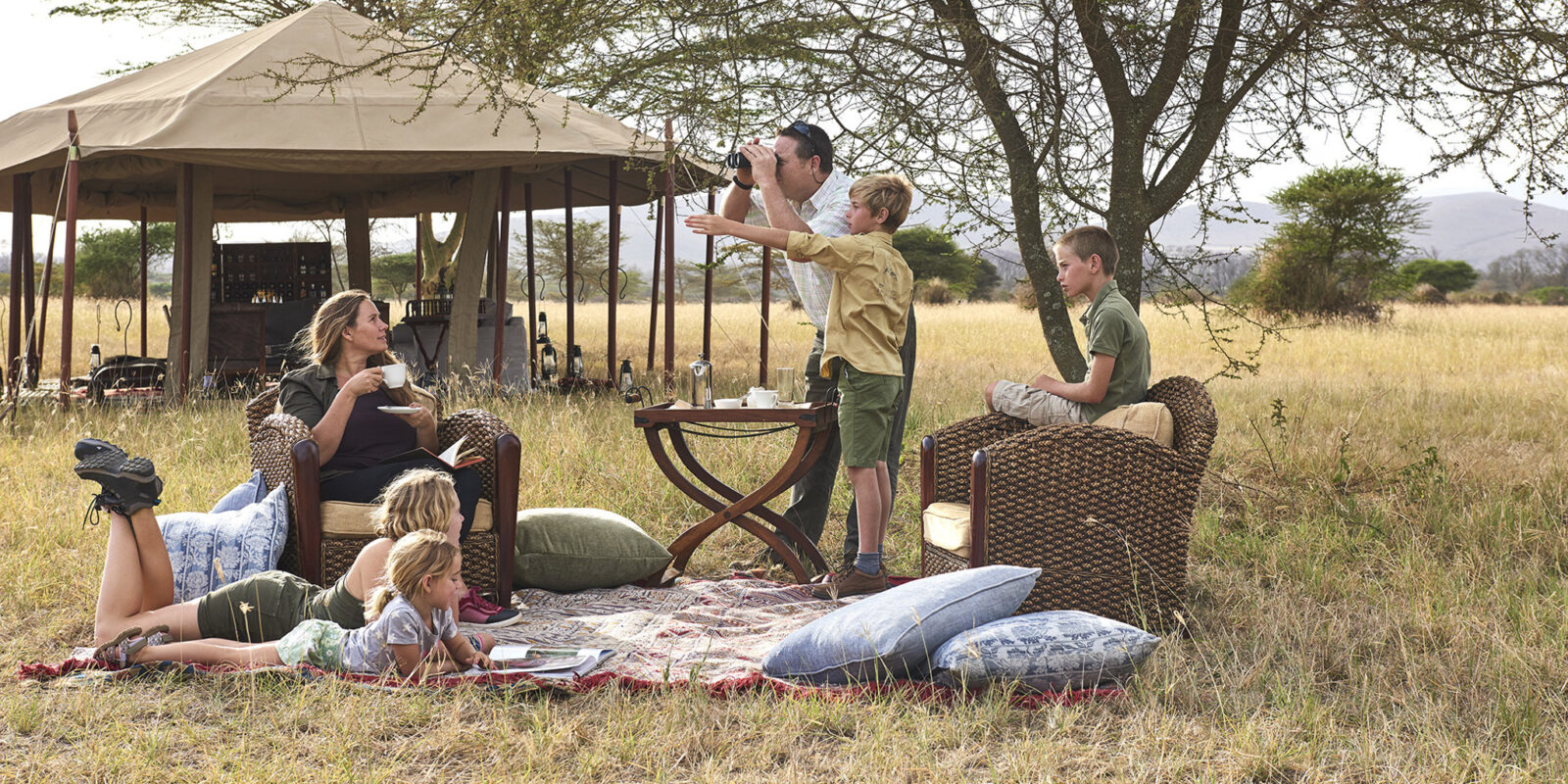
Family safaris in Africa create a shared travel experience that blends wildlife, learning, and meaningful time together. The continent offers diverse environments, from open savannahs to river systems and forests, which keeps each day engaging for both adults and children. A well-planned family safari balances adventure with comfort, ensuring that every member of the family stays involved without feeling overwhelmed. The experience goes beyond wildlife viewing and becomes a journey of discovery, where children learn directly from nature.
Why Book This Destination
Explore More about Family Safaris in Africa
Why Family Safaris Work
Safe and Structured Travel
African safaris operate within a guided and organized framework, which supports family travel. Professional guides lead activities and manage safety in wildlife areas. Lodges provide clear instructions and maintain secure environments, especially in unfenced locations.
This structure allows parents to relax while children explore under supervision. Activities follow a schedule that considers both safety and comfort, which ensures a smooth experience throughout the trip.
Learning Through Experience
A safari introduces children to wildlife, ecosystems, and conservation in a direct and engaging way. Instead of reading or watching, they observe animals in their natural environment. Guides explain behavior, tracks, and habitats in simple terms, which helps children understand and retain information.
This form of learning feels natural and interactive. Children ask questions, observe patterns, and connect what they see to the broader environment.
Best Destinations for Family Safaris
South Africa
South Africa offers one of the most accessible safari experiences for families. Malaria-free reserves and well-developed infrastructure reduce risk and simplify travel. Kruger National Park and private reserves such as Sabi Sands provide consistent wildlife sightings, including the Big Five.
Accommodation ranges from family-friendly lodges to luxury camps with dedicated programs for children. The option of self-drive safaris also gives families flexibility.
Kenya and Tanzania
East Africa provides classic safari landscapes with high wildlife density. The Maasai Mara and Serengeti offer dramatic scenes, especially during the Great Migration. Children experience large herds, predator action, and open plains that create a sense of scale.
Many lodges cater to families with flexible schedules and educational activities. The experience feels dynamic and visually engaging.
Zimbabwe and Zambia
Zimbabwe and Zambia suit families seeking a quieter and more immersive safari. Destinations such as Hwange and South Luangwa offer strong wildlife viewing with fewer crowds. The guiding quality remains high, which enhances both safety and learning.
These countries work best for families with slightly older children, as some activities such as walking safaris have age limits.
Botswana and Namibia
Botswana offers exclusive and remote safari experiences, particularly in the Okavango Delta. However, some camps set higher age limits due to the nature of activities. Namibia provides a different environment, with desert landscapes and self-drive opportunities that suit adventurous families.
Types of Family Safari Experiences
Game Drives
Game drives form the core of most family safaris. Vehicles move through parks while guides search for wildlife and explain what they see. Drives usually take place in the early morning and late afternoon, which matches peak animal activity.
Guides adjust the pace for families, often focusing on engaging children with stories and simple explanations. Shorter drives or breaks help maintain attention and comfort.
Walking and Nature Activities
Some lodges offer guided nature walks designed for children. These walks focus on smaller details such as insects, plants, and tracks rather than large animals. This approach keeps the experience safe and educational.
Walking safaris in wilderness areas usually have age restrictions, but alternative activities ensure that younger children still participate in nature exploration.
Water-Based Activities
Boat safaris and canoe trips provide a different perspective. Rivers and lakes attract wildlife, which creates excellent viewing opportunities. These activities feel relaxed and allow families to observe animals without long hours in a vehicle.
Lake destinations such as Kariba or the Okavango Delta add variety to the itinerary.
Accommodation for Families
Family-Friendly Lodges
Many safari lodges design accommodation specifically for families. Options include interconnected rooms, private villas, or larger suites that allow parents and children to stay together comfortably. These setups provide space and privacy.
Lodges often include child-focused amenities such as swimming pools, open spaces, and flexible dining arrangements.
Kids’ Programs and Activities
Some lodges offer structured programs for children. These may include bushcraft lessons, wildlife tracking exercises, and storytelling sessions. These activities keep children engaged while also giving parents time to relax.
Programs adapt to different age groups, which ensures that each child remains involved.
Planning a Family Safari
Age Considerations
Age plays a key role in planning a safari. Some lodges set minimum age limits, particularly in unfenced areas or where walking safaris take place. Families should choose destinations and activities that match the age and ability of their children.
Younger children benefit from shorter drives and more flexible schedules, while older children can participate in a wider range of activities.
Balancing Activity and Rest
A successful family safari balances active periods with downtime. Early mornings and evenings focus on wildlife, while midday allows time for rest, swimming, or relaxation. This rhythm prevents fatigue and keeps the experience enjoyable.
Health and Preparation
Families should prepare for health considerations such as vaccinations and malaria prevention where required. Packing appropriate clothing, sun protection, and basic medical supplies ensures comfort throughout the trip.
Best Time for Family Safaris
Dry Season Advantages
The dry season offers the most predictable wildlife viewing. Animals gather around water sources, which makes sightings easier for children to follow. Weather conditions remain stable, which supports travel and outdoor activities.
Green Season Benefits
The green season brings lush landscapes and fewer visitors. The environment feels quieter, and accommodation rates may be lower. This period suits families who prefer a more relaxed pace and scenic surroundings.
Creating a Family Safari Itinerary
A well-balanced itinerary combines different environments and experiences. A trip may start in a city or scenic location, followed by time in a wildlife park, and end with a relaxing destination such as a beach or lake.
Keeping travel distances manageable improves comfort, especially for younger children. Choosing lodges with flexible schedules and family-friendly services enhances the overall experience.
A Shared Family Experience
Family safaris create lasting memories through shared discovery and connection. Children gain a deeper understanding of wildlife and nature, while parents enjoy a structured and rewarding travel experience. The combination of education, adventure, and relaxation makes a safari one of the most meaningful family journeys available.
In Africa’s national parks, every sunrise paints a masterpiece — where the wild’s call echoes across endless horizons. Visiting these parks is to witness nature in its purest form, a timeless dance that stirs the soul.
Steps to Book Your Southern Africa Tour
Choose Your Adventure
Confirm Your Booking
Begin Your Journey
Ready to plan your tailor-made safari?