
Zanzibar Honeymoon
February 10, 2026
Bel Ombre
February 10, 2026
Natural Attractions of Zanzibar
Zanzibar presents a rich natural landscape shaped by the Indian Ocean, coral formations, and tropical ecosystems. The island blends white-sand beaches, vibrant marine life, coastal forests, and tidal environments into one compact destination. Each area reveals a distinct natural setting, yet all connect through the rhythm of the ocean. Travelers who explore beyond the shoreline gain a deeper understanding of Zanzibar’s ecological diversity.
Why Book This Destination
Explore More about Natural Attractions of Zanzibar
Pristine Beaches and Coastal
Landscapes
Zanzibar’s coastline stretches across different environments, each influenced by tides, wind, and reef systems. The beaches vary in atmosphere, from lively northern shores to quiet eastern villages.
Nungwi and Kendwa Beaches
Nungwi and Kendwa lie on the northern coast, where tidal changes remain minimal. This allows swimming throughout the day, unlike other parts of the island. The sand appears fine and bright, while the water stays calm and clear.
Traditional wooden dhows often anchor along the shore, adding character to the scenery. The area also offers easy access to sunset cruises and snorkeling trips. Evenings feel vibrant, yet the natural setting remains the main attraction.
East Coast Beaches (Paje, Jambiani, Matemwe)
The east coast follows a tidal pattern that transforms the landscape. At low tide, the ocean pulls back and exposes wide sand flats. These flats reveal marine life and create space for walking along the seabed.
Paje attracts kitesurfers due to steady winds and shallow waters. Jambiani offers a slower pace, where seaweed farming shapes daily life along the shore. Matemwe provides quieter beaches and serves as a gateway to offshore coral reefs.
Michamvi Peninsula
Michamvi sits away from the main tourist routes and offers a peaceful coastal environment. The peninsula faces calm waters along Chwaka Bay, where waves rarely disturb the surface.
Mangroves and shallow lagoons define the landscape. Sunsets create striking reflections across the water, making this one of the most scenic parts of Zanzibar. The area suits travelers who prefer quiet surroundings.
Marine Ecosystems and Coral Reefs
Zanzibar lies within a marine region known for high biodiversity. Coral reefs protect the coastline and support a wide range of species.
Mnemba Atoll Marine Reserve
Mnemba Atoll stands as one of the most important marine areas near Zanzibar. Coral reefs thrive in clear water, supporting reef fish, sea turtles, and dolphins. Visibility often remains excellent, which enhances snorkeling and diving.
The atoll sits offshore, which helps preserve its condition. Marine life appears abundant, and coral structures show strong health compared to more exposed areas.
Chumbe Island Coral Park
Chumbe Island operates as a protected sanctuary with strict conservation practices. The reef supports over 200 coral species and a wide variety of marine life.
Visitor numbers remain limited, which reduces environmental pressure. Guided snorkeling ensures that guests learn about the reef while protecting it. The island also includes forest habitats, adding more depth to its natural environment.
Menai Bay Conservation Area
Menai Bay covers a large section of Zanzibar’s southwest coast. The area supports dolphins, coral reefs, and seagrass beds that act as breeding grounds for marine species.
Local communities take part in conservation efforts, which strengthens long-term protection. Boat excursions often include snorkeling and dolphin tracking, offering a broader view of the marine ecosystem.
Forests and Terrestrial Nature
Zanzibar’s inland ecosystems contrast with its coastal scenery. Forests and mangroves provide habitat for unique species and support ecological balance.
Jozani Forest (Jozani Chwaka Bay National Park)
Jozani Forest protects the island’s remaining indigenous woodland. It serves as the main habitat for the Zanzibar red colobus monkey, a species found only on the island.
The forest includes several habitat types, from dense vegetation to swampy mangrove areas. Raised walkways allow visitors to explore without disturbing the environment. Birdlife and smaller species add to the experience.
Mangrove Forests
Mangroves grow along tidal creeks and bays, where they stabilize the coastline. Their root systems reduce erosion and support marine life.
These areas act as nurseries for fish and other species. Guided walks help visitors understand their importance while observing crabs, birds, and aquatic life in a calm setting.
Islands and Islets Around Zanzibar
The Zanzibar archipelago includes smaller islands that offer unique natural experiences. These areas often feel less developed and more preserved.
Prison Island (Changuu Island)
Prison Island lies close to Stone Town and offers both natural and historical interest. The island hosts giant Aldabra tortoises, some of which have lived for many decades.
Clear waters surround the island, making it suitable for snorkeling. Visitors can explore both the shoreline and the tortoise sanctuary in a short visit.
Nakupenda Sandbank
Nakupenda appears as a sandbank surrounded by shallow turquoise water. It changes shape with the tides, creating a different setting throughout the day.
The area remains open and undeveloped, which enhances its natural appeal. Visitors often arrive by boat and spend time swimming or relaxing in a simple environment.
Pemba Island
Pemba lies north of Zanzibar and offers a more untouched landscape. Dense vegetation and clove plantations dominate the island.
The surrounding waters feature deep coral reefs that attract experienced divers. Fewer visitors travel here, which allows nature to remain largely undisturbed.
Unique Coastal and Tidal Phenomena
Zanzibar’s natural systems create landscapes that shift throughout the day. Tides and coral formations play a key role in shaping these environments.
Tidal Flats and Sandbanks
On the east coast, tidal flats appear during low tide and stretch far into the ocean. These areas expose marine life such as starfish and sea cucumbers.
Walking across the flats offers a direct view of the marine environment. The scenery changes quickly as the tide returns and covers the exposed areas.
Coral Rag Landscapes
Coral rag forms much of Zanzibar’s geological base. This fossilized coral limestone creates uneven terrain with limited soil.
Specialized plants grow in these conditions, adapting to the environment. These landscapes appear both inland and along parts of the coast, adding variety to the island’s natural features.
Wildlife and Biodiversity
Zanzibar supports a range of species across its ecosystems, from forests to coral reefs.
Endemic Species
The Zanzibar red colobus monkey remains the most notable endemic species. Its presence highlights the importance of forest conservation on the island.
Other species, such as the Zanzibar servaline genet, also contribute to the island’s biodiversity.
Birdlife
Bird species thrive across different habitats, including forests and wetlands. Kingfishers, sunbirds, and migratory birds appear throughout the year.
These environments provide strong opportunities for birdwatching, especially in quieter areas like mangroves and forest reserves.
Marine Wildlife
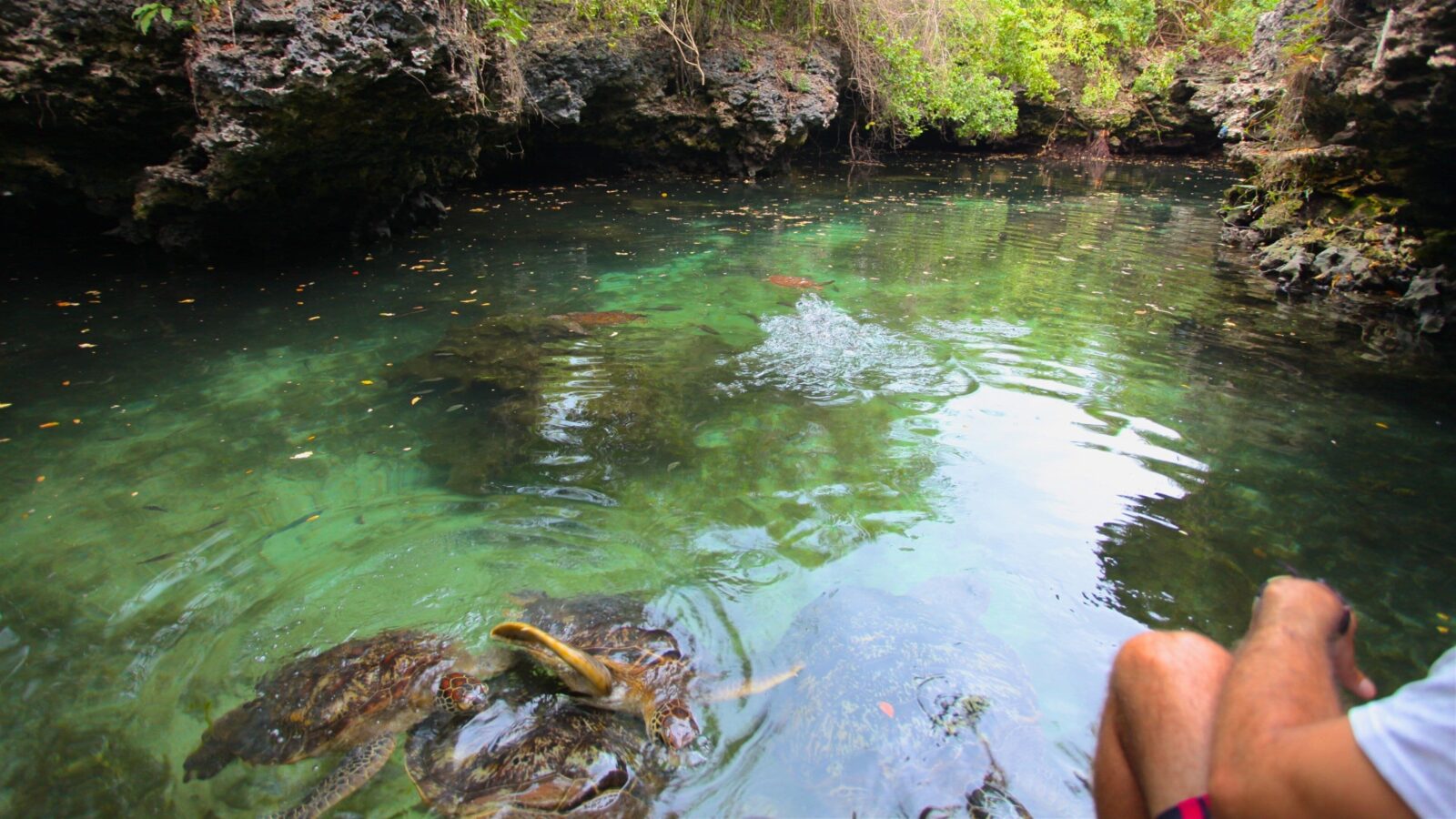
Zanzibar’s waters support dolphins, sea turtles, and a wide range of reef fish. Some areas also attract larger species such as whale sharks during certain seasons.
Healthy reefs and conservation efforts help maintain these populations.
Caves, Springs, and Natural Pools
Zanzibar’s geology has created hidden natural features that offer a different experience from beaches and reefs.
Kuza Cave (Jambiani)
Kuza Cave features a limestone chamber with a clear freshwater pool. The water remains cool and inviting, offering a refreshing contrast to the ocean.
Vegetation surrounds the cave, creating a quiet atmosphere. Visitors can swim and explore the natural setting at a relaxed pace.
Kiwengwa Caves
Kiwengwa Caves remain less developed but still hold natural and historical value. These formations developed within coral rock and have served as shelters in the past.
Exploring them offers insight into the island’s geological history.
Planning Your Nature Experience in Zanzibar
A well-planned visit allows travelers to experience Zanzibar’s different ecosystems without rushing. The dry seasons from June to October and December to February offer the best conditions for outdoor activities.
Clear skies and calm seas improve visibility for snorkeling and diving. Combining beach time with forest visits and marine excursions creates a more complete experience. Guided tours often provide better access to conservation areas and deeper insight into the environment.
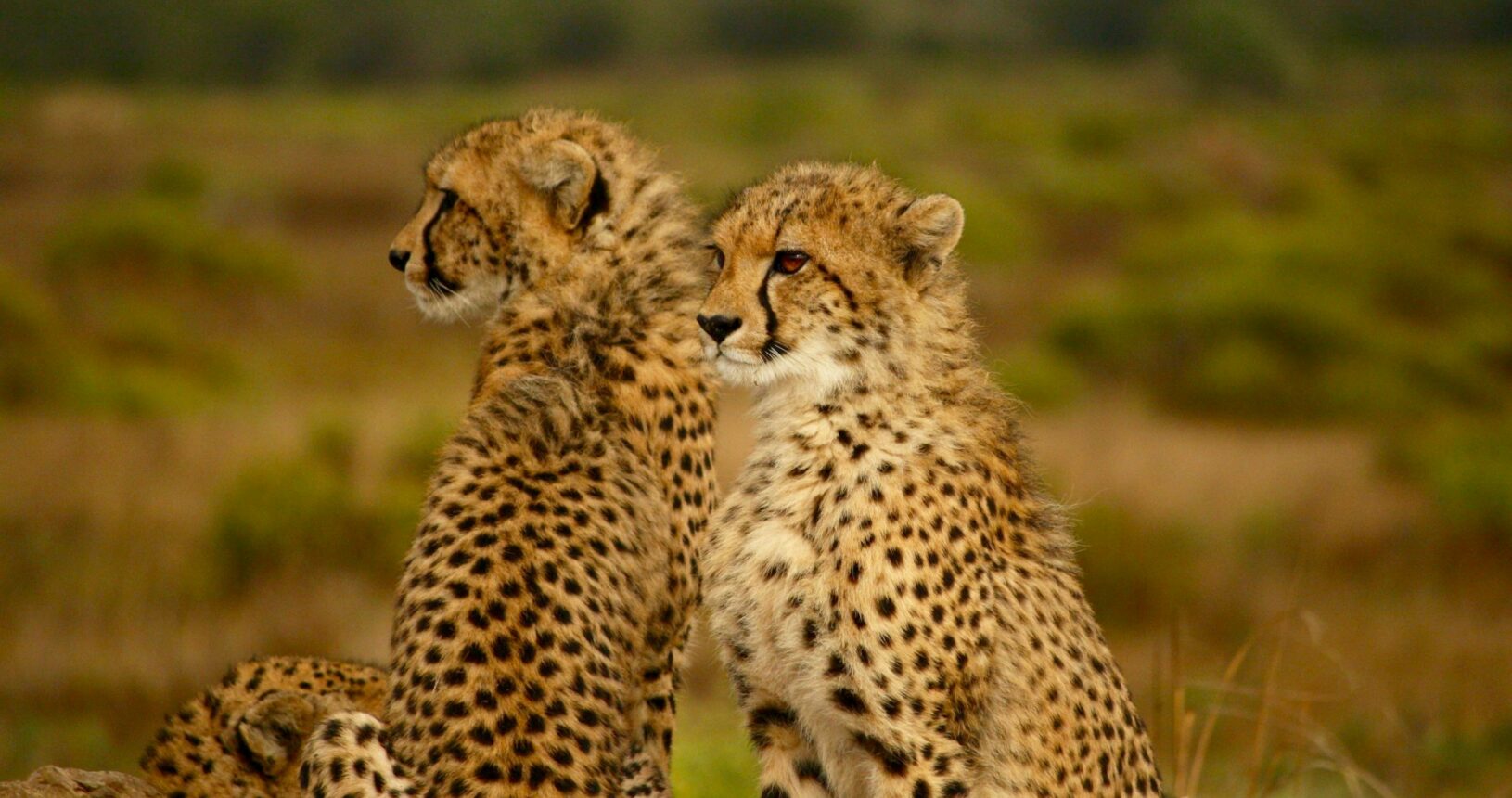
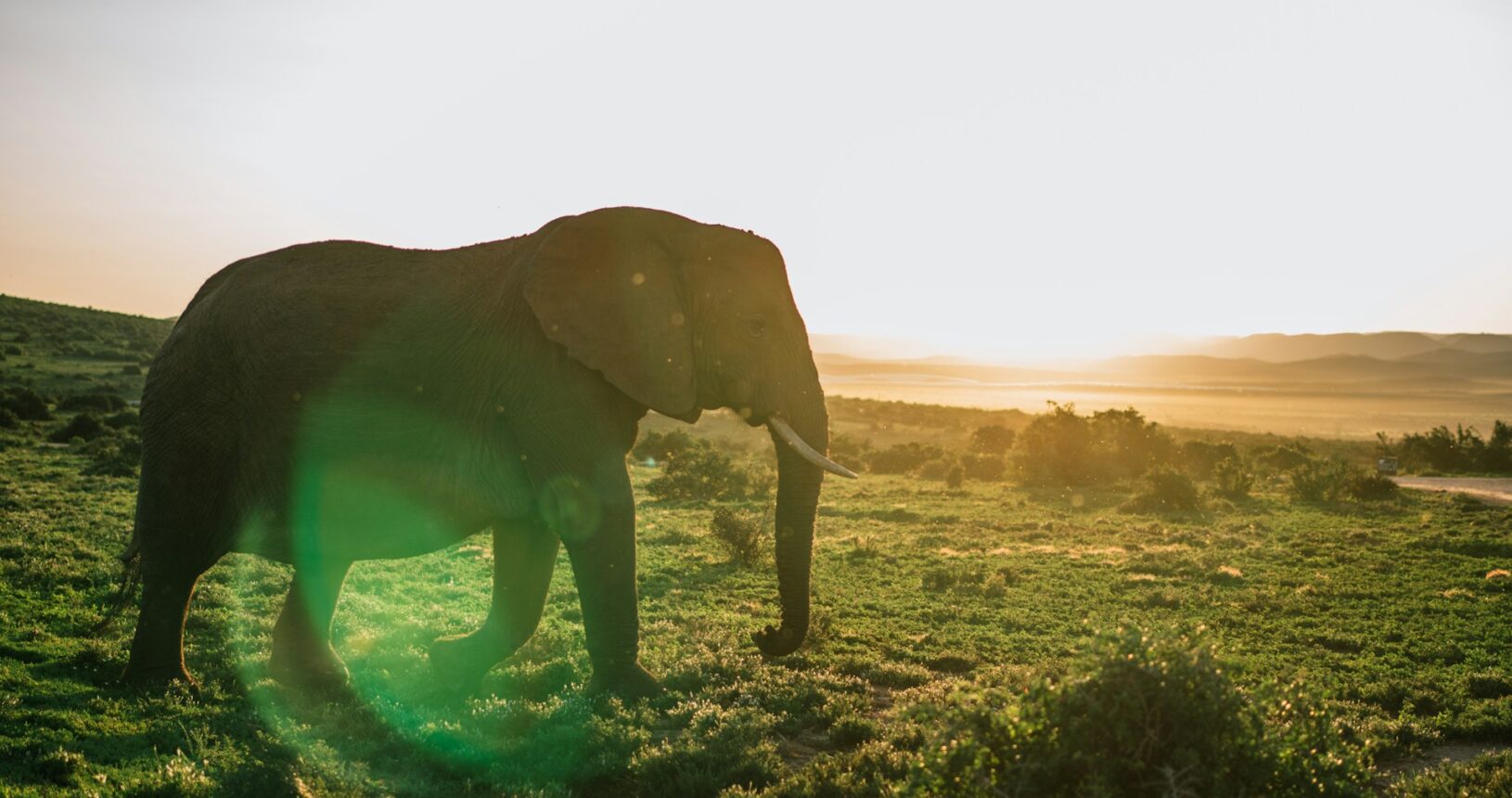
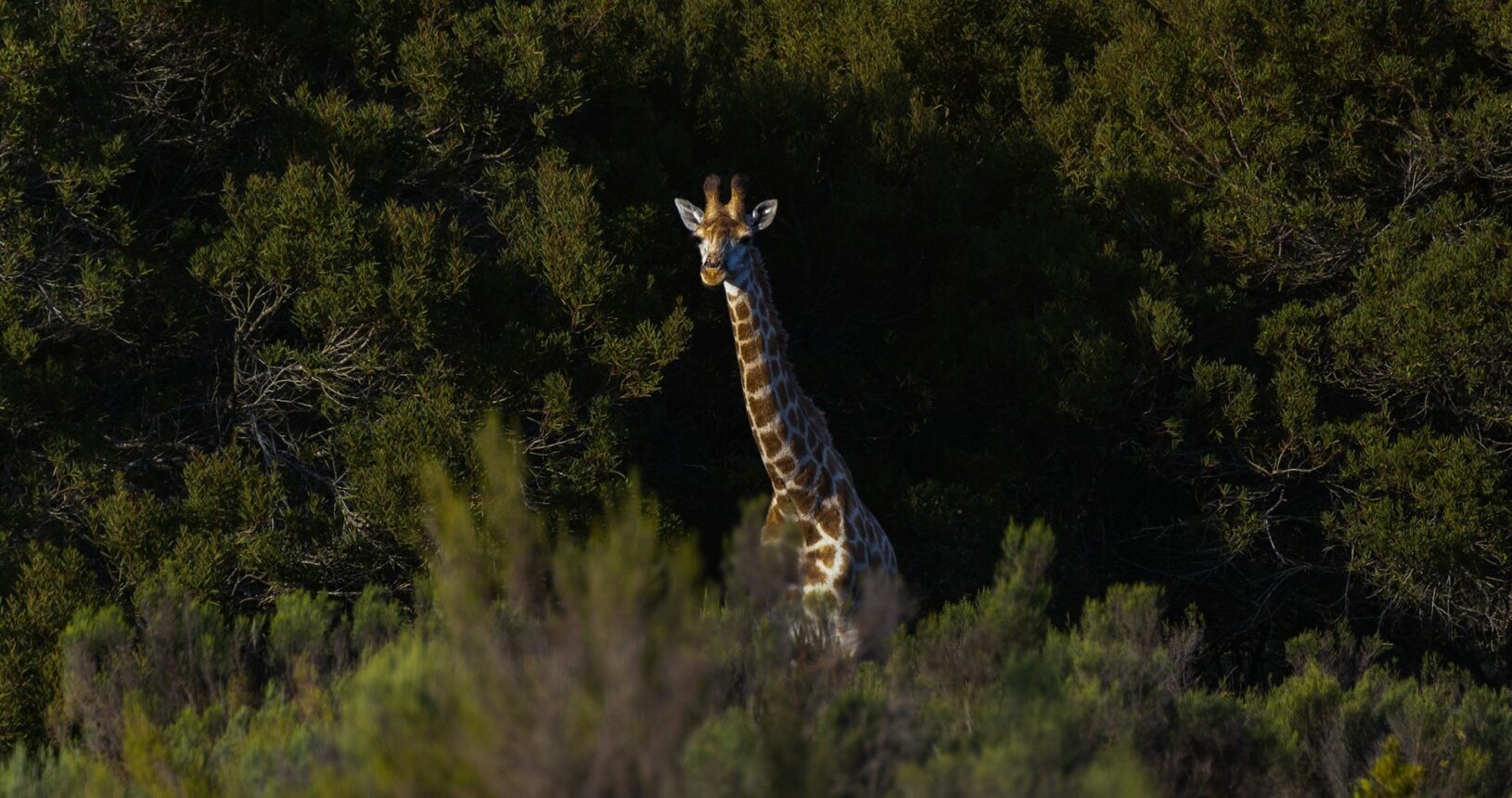
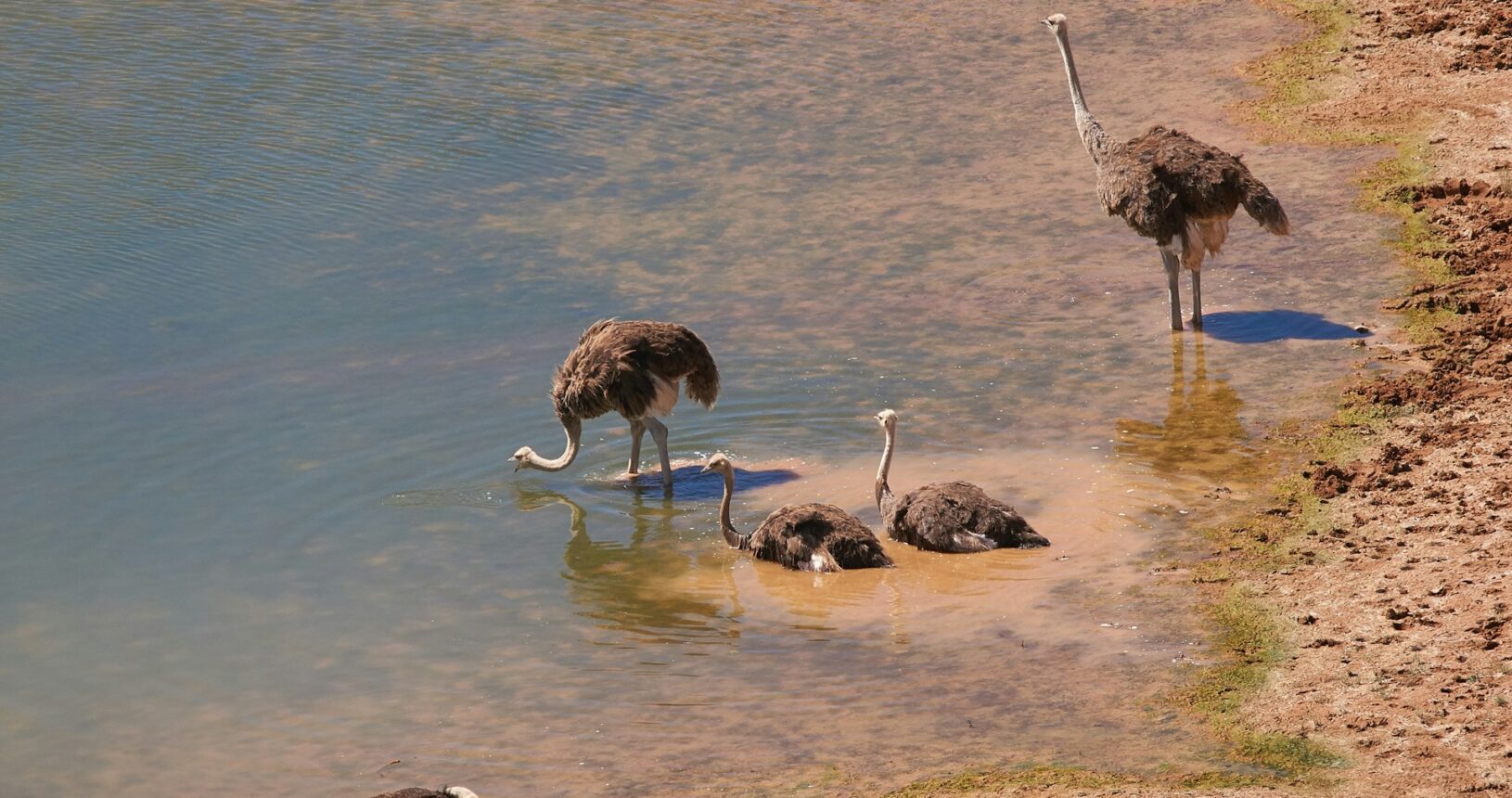
In Africa’s national parks, every sunrise paints a masterpiece — where the wild’s call echoes across endless horizons. Visiting these parks is to witness nature in its purest form, a timeless dance that stirs the soul.
Steps to Book Your Southern Africa Tour
Choose Your Adventure
Confirm Your Booking
Begin Your Journey
Ready to plan your tailor-made safari?