Zimbabwe vs South Africa
February 10, 2026
Kiwengwa and Pongwe
February 10, 2026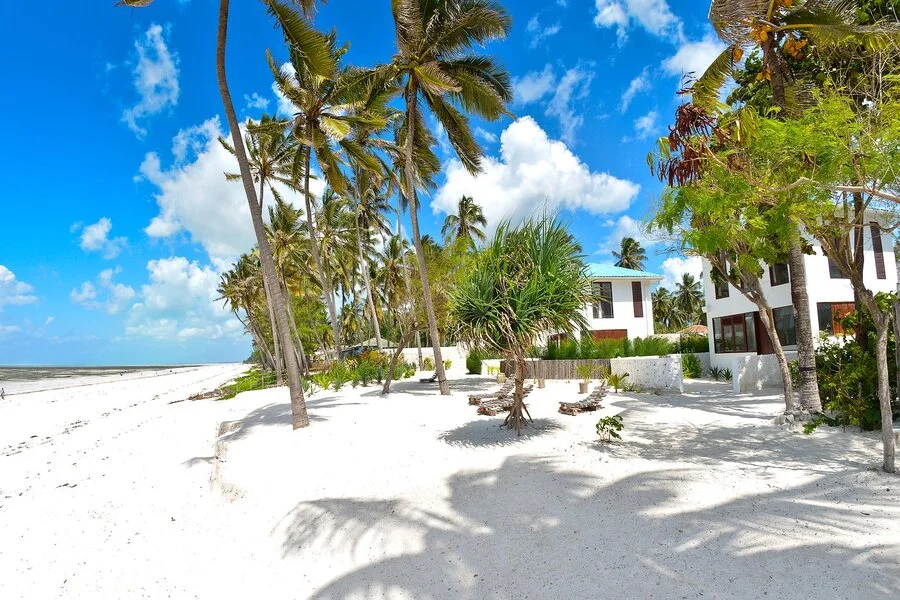
Bwejuu, Paje & Jambiani Zanzibar
Bwejuu, Paje, and Jambiani form a continuous stretch along Zanzibar’s southeast coast, yet each destination offers a distinct coastal experience. This region stands out for its wide white beaches, strong tidal patterns, and a lifestyle closely tied to the ocean. The coastline feels open, less commercial, and deeply connected to local culture, making it one of the most authentic areas to explore on the island.
Overview of the Southeast Coast
The southeast coast of Zanzibar stretches for several kilometers, linking Bwejuu, Paje, and Jambiani in a natural sequence. The Indian Ocean shapes daily life here, with tides that move far out during low tide and return steadily throughout the day.
This part of Zanzibar feels quieter than the northern beaches. The environment remains less developed, with small lodges, boutique hotels, and local villages. The landscape combines palm-lined beaches, shallow lagoons, and coral formations that define the shoreline.
Why Book This Destination
Explore More about Bwejuu Beach
Bwejuu offers one of the most peaceful beach settings on Zanzibar’s coast. The area features long, uninterrupted stretches of soft white sand with very few crowds. The pace remains slow, and the atmosphere feels calm throughout the day.
Palm trees line the shore, creating natural shade and a classic tropical setting. The beach stays clean and open, making it ideal for long walks and quiet relaxation. Boutique lodges and private villas dominate the accommodation style, which helps preserve the area’s tranquil character.
The tidal movement shapes the beach experience, but the setting remains visually striking at all times. Bwejuu suits travelers who want privacy, space, and a refined coastal environment.
Paje Beach
Paje brings energy and activity to the southeast coast. The beach attracts travelers interested in water sports, particularly kitesurfing. Steady winds and shallow lagoons create ideal conditions for both beginners and experienced riders.
The village has developed into a lively hub with beach bars, restaurants, and social spaces. Despite this activity, the natural setting still dominates. The beach remains wide and open, with clear views across the ocean.
Low tide reveals extensive sand flats, while high tide allows for swimming and water sports. Paje appeals to travelers who want a balance between nature and a more social atmosphere.
Jambiani Beach
Jambiani offers a strong sense of local life along the coastline. The village stretches for several kilometers, with houses, small lodges, and fishing boats lining the shore.
Seaweed farming plays a visible role in daily activity. During low tide, local women work along the exposed flats, cultivating seaweed in shallow water. This creates a cultural experience that feels genuine and connected to the environment.
The beach remains quiet and less commercial than Paje. Visitors often walk through the village, interact with the community, and observe traditional fishing methods. Jambiani suits travelers who want an authentic and immersive coastal experience.
Coastal Landscape and Tidal Patterns
The southeast coast stands out for its dramatic tidal changes. The ocean recedes significantly during low tide, exposing sandbanks and shallow lagoons. This creates a constantly changing landscape that shifts every few hours.
At low tide, visitors can walk far out along the seabed and observe marine life such as starfish and small fish. At high tide, the water returns and transforms the area into a swimmable lagoon.
These tidal patterns influence daily activities. Travelers often plan swimming, snorkeling, and water sports around the tide schedule to make the most of the conditions.
Marine Life and Ocean Activities
The waters along Bwejuu, Paje, and Jambiani support a variety of marine life. Coral reefs lie further offshore, where snorkeling and diving trips reveal reef fish, sea urchins, and other species.
Kitesurfing remains one of the most popular activities, especially in Paje. The consistent wind conditions attract visitors from around the world. Other activities include paddleboarding, dhow sailing, and guided snorkeling excursions.
Boat trips often explore nearby reef systems or connect to larger marine areas such as Mnemba Atoll. These experiences add depth to the coastal environment.
Culture and Local Life
The southeast coast offers one of the most authentic cultural experiences in Zanzibar. Villages along this stretch maintain traditional lifestyles shaped by fishing and seaweed farming.
Daily routines unfold along the beach, where locals interact with the ocean as part of their livelihood. Visitors can observe these activities or engage with the community through guided cultural experiences.
The slower pace and strong local presence create a deeper connection between visitors and the destination. This aspect sets the southeast coast apart from more developed areas.
Accommodation Style and Atmosphere
Accommodation across Bwejuu, Paje, and Jambiani focuses on boutique lodges, beach villas, and small resorts. Large-scale developments remain limited, which helps preserve the natural setting.
Properties often feature open designs, natural materials, and direct beach access. Many emphasize privacy and a relaxed atmosphere rather than high-density tourism.
Travelers can choose between quiet retreats in Bwejuu, social and active stays in Paje, or culturally immersive lodges in Jambiani.
Who Should Visit This Coastline
This region suits travelers who want a balance between natural beauty and cultural authenticity. It appeals to those who enjoy wide open beaches, fewer crowds, and a slower pace of travel.
Bwejuu works well for couples and honeymooners seeking privacy. Paje attracts active travelers and kitesurfers. Jambiani suits visitors interested in local culture and community interaction.
The diversity across these three areas allows travelers to experience different aspects of Zanzibar within a single stretch of coastline.
Planning Your Stay
The best time to visit the southeast coast falls within Zanzibar’s dry seasons, from June to October and December to February. These months offer better weather conditions for beach activities and water sports.
Tides play a key role in shaping the experience, so understanding the daily schedule helps with planning activities. Combining this coastal stay with time in Stone Town or a safari in mainland Tanzania creates a well-rounded itinerary.
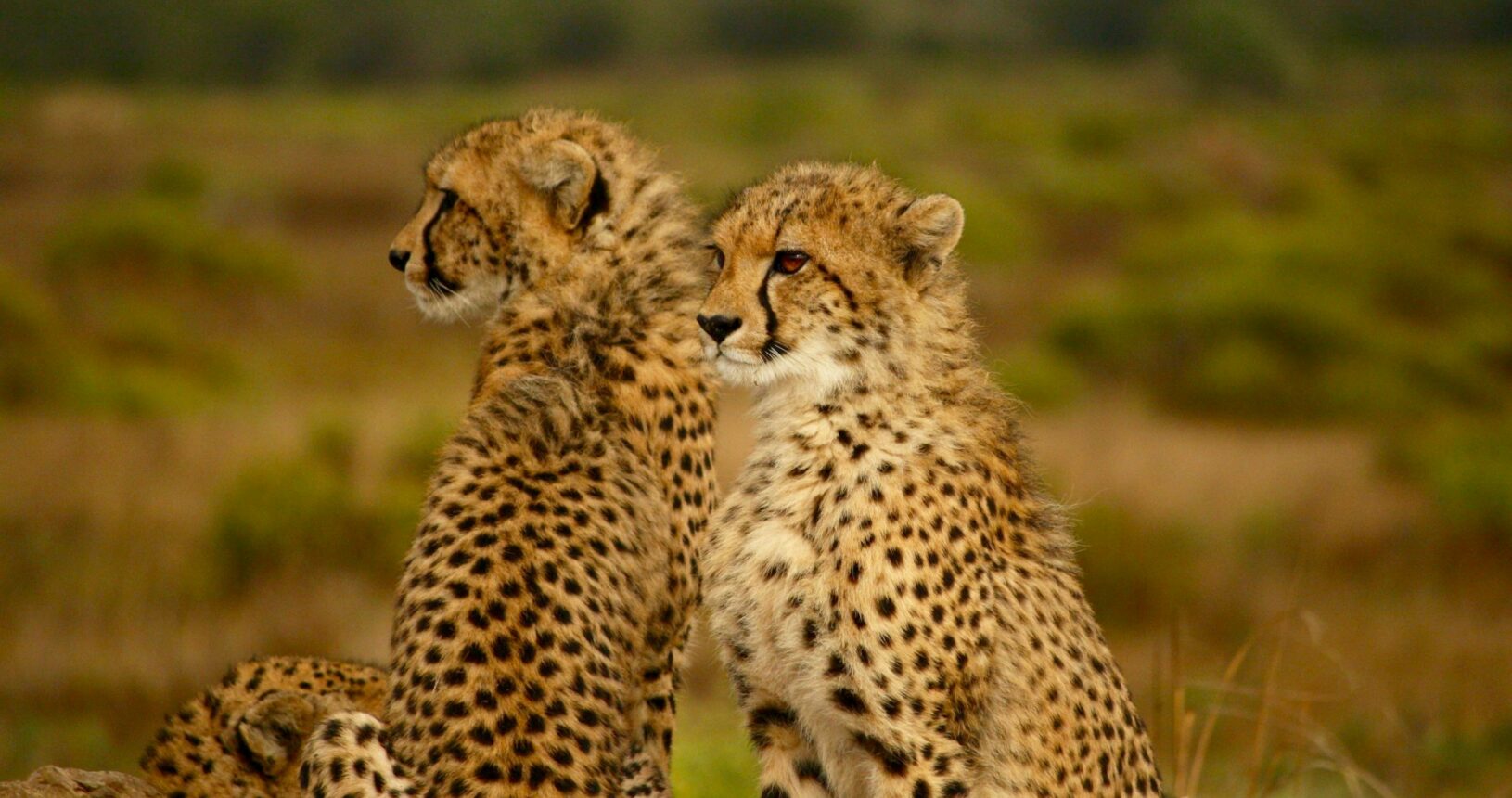
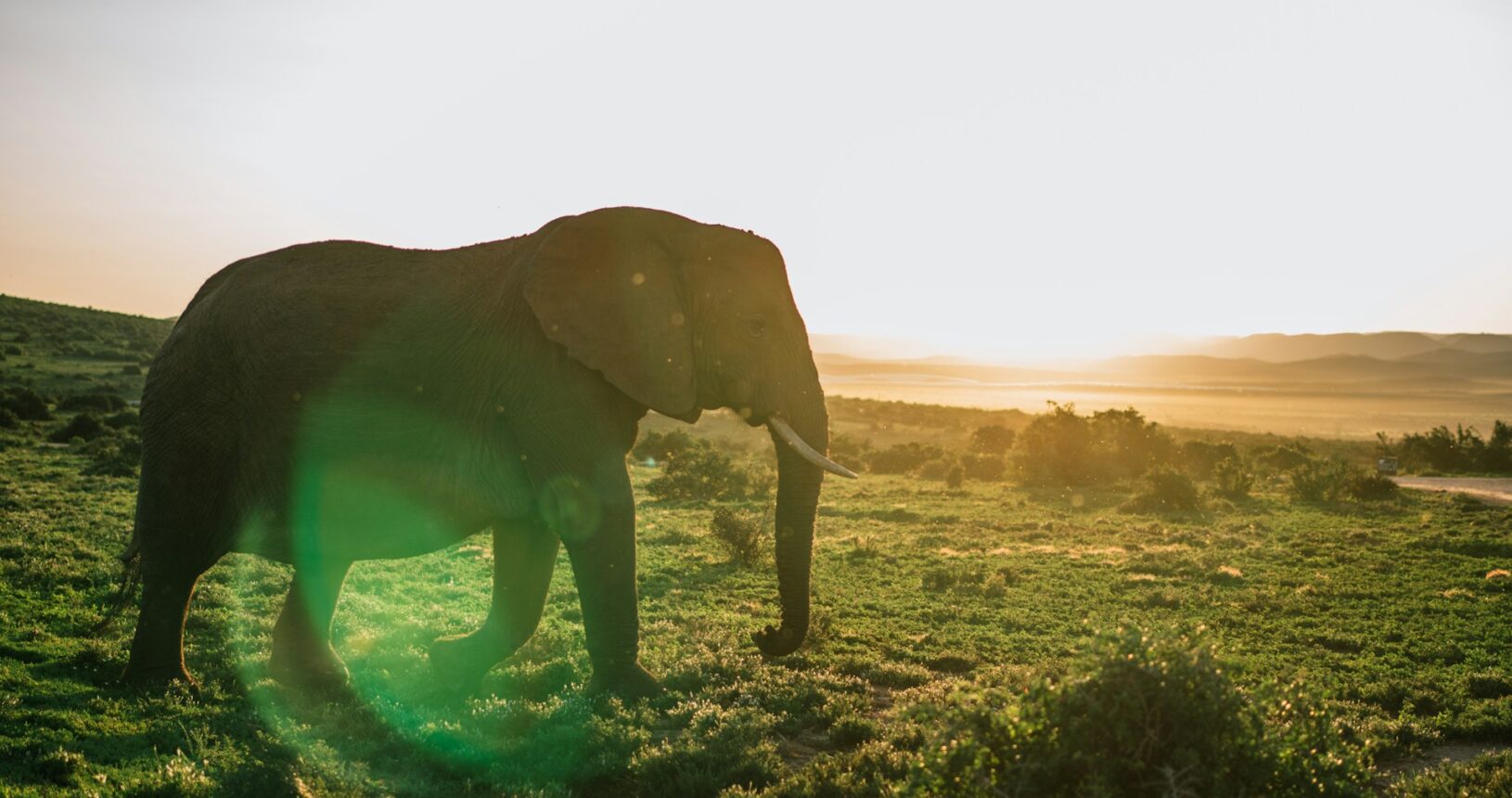
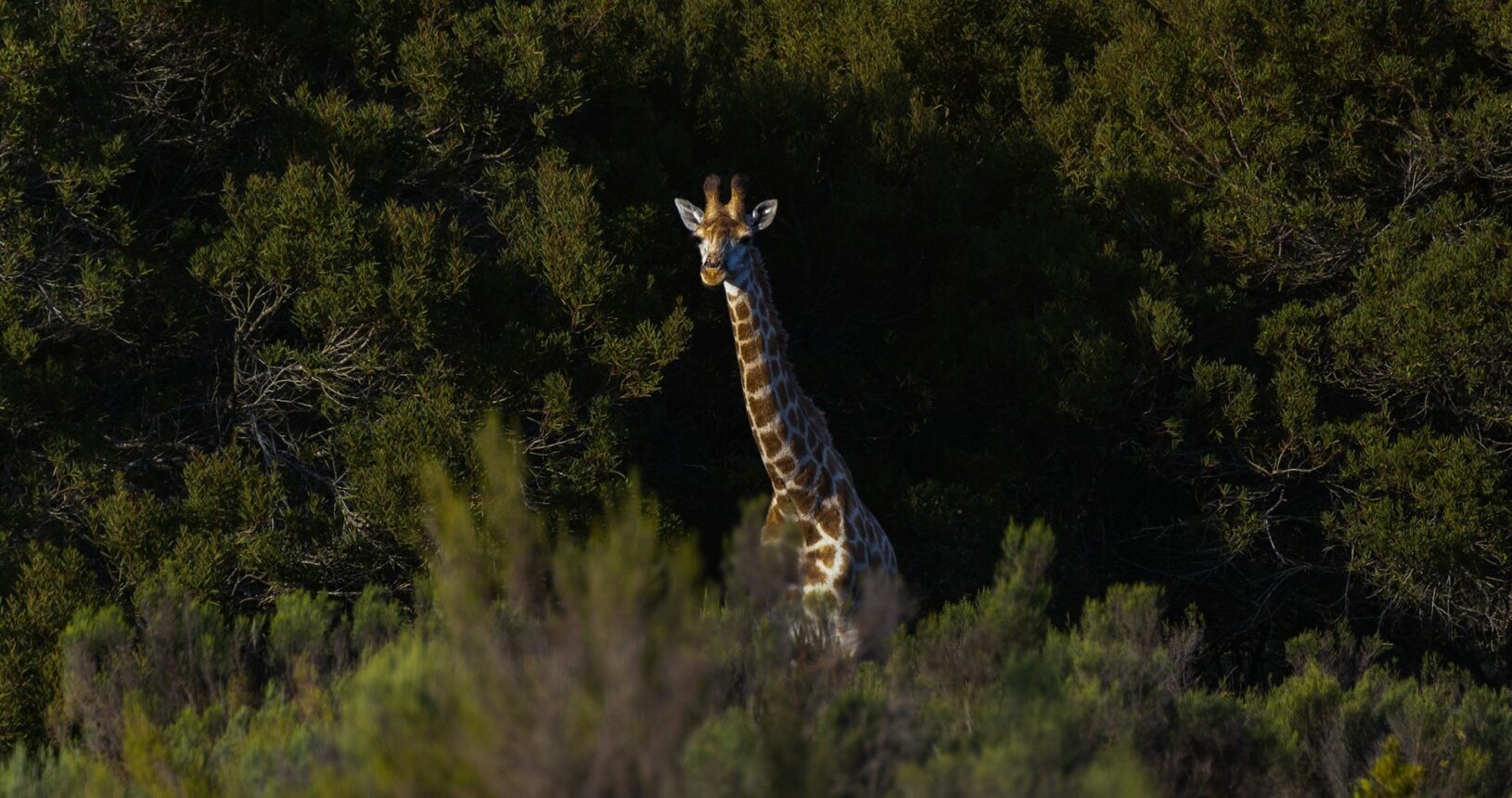
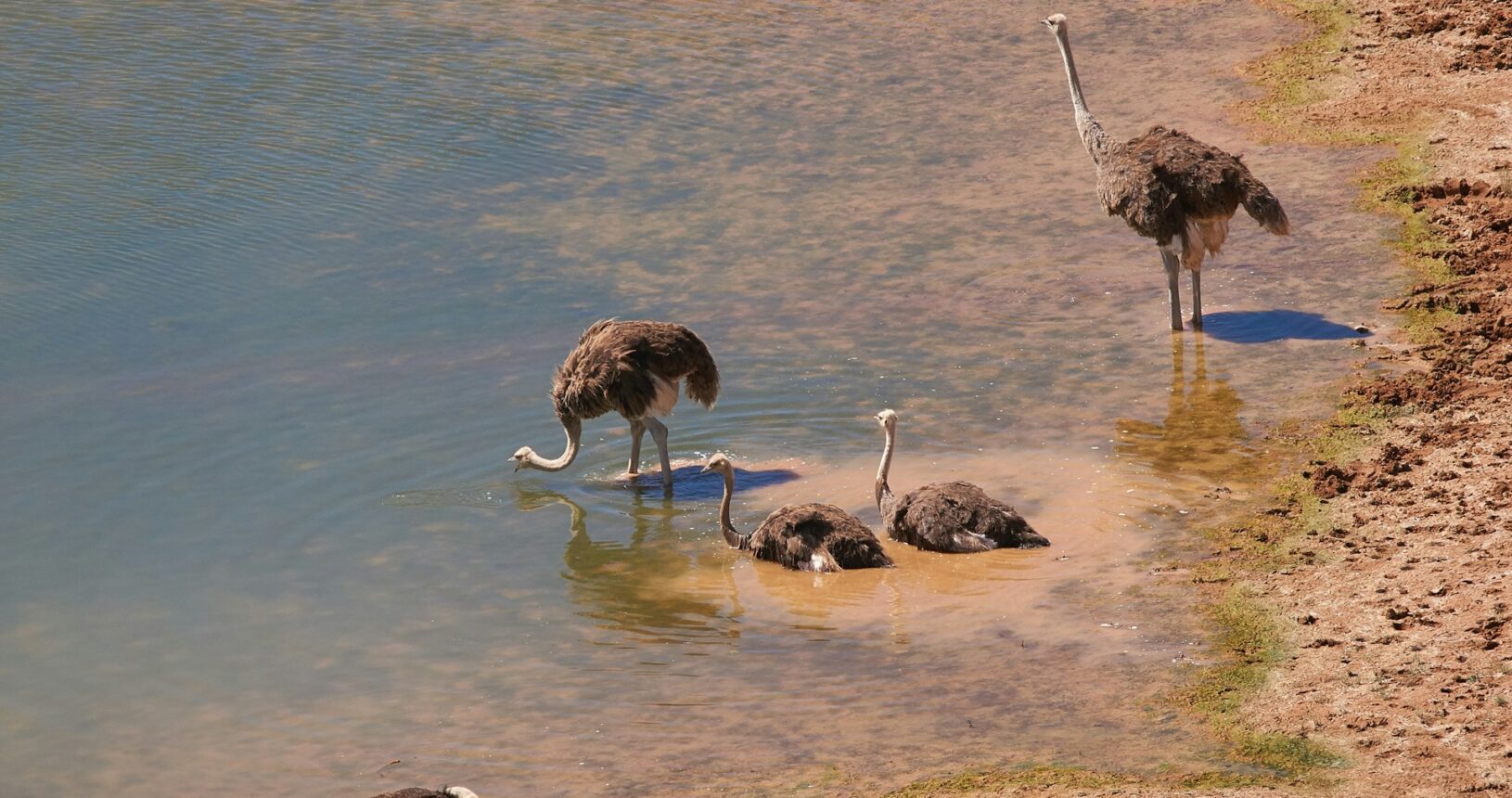
In Africa’s national parks, every sunrise paints a masterpiece — where the wild’s call echoes across endless horizons. Visiting these parks is to witness nature in its purest form, a timeless dance that stirs the soul.
Steps to Book Your Southern Africa Tour
Choose Your Adventure
Confirm Your Booking
Begin Your Journey
Ready to plan your tailor-made safari?