Cost of a Zambia Safari
February 1, 2026
Languages in Zambia
February 1, 2026
Is Zambia Safe?
Zambia remains one of the safer safari destinations in Southern Africa, especially for travellers who visit national parks, lodges, and organised tours. The country maintains a stable political environment, a strong safari tourism industry, and well-established wildlife travel routes. Most visitors travel without encountering serious safety issues, particularly when they follow standard travel precautions and work with licensed safari operators.
Safety in Zambia depends on where you travel, how you move between destinations, and how well you prepare. Safari regions such as South Luangwa, Lower Zambezi, Kafue, and Livingstone operate with strong tourism structures and experienced guides who understand both wildlife safety and visitor security. Urban areas such as Lusaka require more general city awareness, similar to other capital cities in Africa.
Zambia does not experience large-scale tourist-targeted crime in safari regions, but travellers should still apply common sense safety practices, especially in cities and public transport areas.
Why Book This Destination
Explore More about Is Zambia Safe?
General Safety in Zambia
A Stable and Tourist-Friendly Country
Zambia maintains a long-standing reputation as a peaceful and politically stable country in Southern Africa. Tourism plays an important role in the economy, and the government supports conservation-based travel across major national parks.
Most safari lodges operate in remote wilderness areas where access is controlled and managed by professional staff. These environments naturally reduce many common travel risks.
Travellers who join organised safaris experience guided movement between airports, lodges, and national parks, which further improves safety.
In general, Zambia feels calm and welcoming for international visitors, particularly those focused on wildlife and nature travel.
Safety in Safari Areas
Well-Managed Wildlife Environments
National parks in Zambia operate under strict conservation and tourism guidelines. Safari guides receive professional training in wildlife behaviour, visitor safety, and emergency response procedures.
In parks such as South Luangwa and Lower Zambezi, travellers remain with guides during game drives, walking safaris, and bush activities. This structure significantly reduces risk during wildlife encounters.
Walking safaris, which Zambia is famous for, operate under carefully controlled conditions. Experienced armed scouts and guides lead these activities, ensuring that travellers maintain safe distances from wildlife.
Wildlife-related incidents remain extremely rare when travellers follow guide instructions.
Safari camps also maintain communication systems and emergency protocols to respond quickly to any situation.
Safety in Cities and Towns
Basic Urban Awareness is Important
Urban areas such as Lusaka, Kitwe, Ndola, and Livingstone require normal city awareness similar to other international destinations.
Petty crime such as pickpocketing or opportunistic theft can occur in busy public spaces, markets, or transport hubs, especially in unfamiliar areas.
Travellers should avoid displaying valuables openly, use trusted transport services, and remain cautious in crowded areas.
Most hotels and urban lodges provide safe environments with security staff and controlled access.
Travellers who follow basic precautions usually move around cities without issues.
Wildlife Safety in Zambia
Respecting Nature and Following Guides
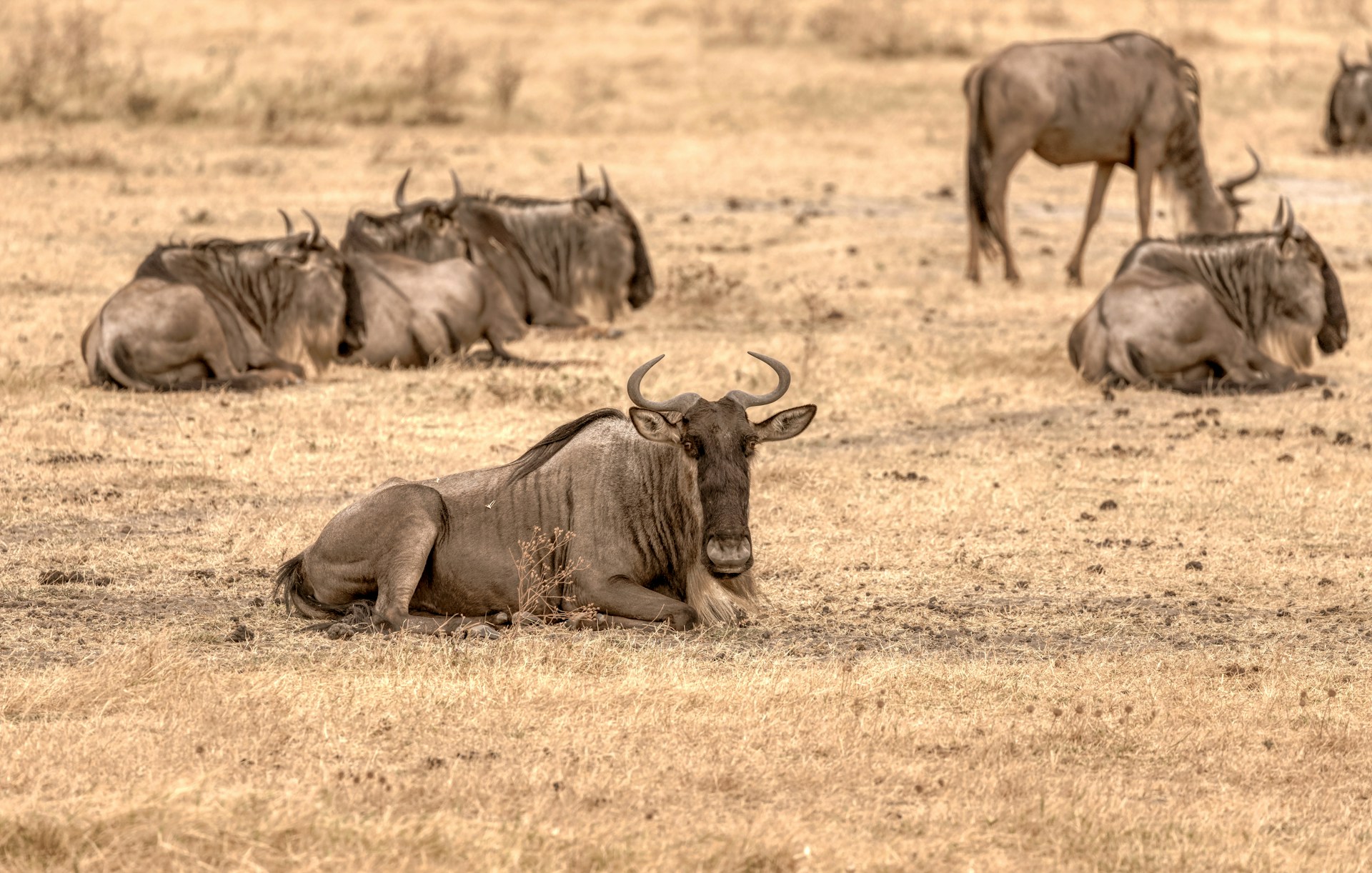
Wildlife remains one of the most important safety considerations in Zambia because animals move freely across national parks and river systems.
Elephants, hippos, crocodiles, lions, and buffalo can all pose risks if approached incorrectly or without professional guidance.
Safari guides provide clear instructions on maintaining safe distances and behaving appropriately during encounters.
Hippos and crocodiles in rivers require particular caution because they can behave aggressively if disturbed.
Travellers should never walk alone in bush areas or leave designated camp zones without guidance.
Following professional instructions ensures safe and enjoyable wildlife experiences.
Health and Medical Safety
Preparation Reduces Most Risks
Health safety forms an important part of travel preparation for Zambia. Malaria remains present in many regions, so travellers should take preventative medication and use insect protection consistently.
Most safari lodges maintain clean water supplies, good hygiene standards, and access to basic first aid services.
Serious medical emergencies may require evacuation to larger hospitals in Lusaka or neighbouring countries, which is why travel insurance remains essential.
Dehydration, sun exposure, and minor stomach illnesses represent the most common travel-related health issues, all of which can be managed with basic precautions.
Proper preparation greatly reduces health risks during safari travel.
Transport and Travel Safety
Organised Travel Works Best
Most safari itineraries in Zambia rely on organised transfers between airports, lodges, and national parks. These transfers usually include domestic flights on small aircraft or guided road travel.
Licensed tour operators follow safety standards for vehicles, drivers, and aviation services.
Travellers should avoid unregulated transport services and instead rely on trusted safari companies or lodge-arranged transfers.
Road conditions vary depending on region, so guided transport remains the safest and most reliable option.
Safety in Safari Lodges
Secure and Controlled Wilderness Accommodation
Safari lodges in Zambia operate in remote wilderness environments but maintain strong safety standards for guests.
Most camps are fenced only minimally to allow wildlife movement, but staff monitor guest movement and provide escort services where necessary.
Night movement within camps usually follows designated paths and lighting systems designed for safety and wildlife awareness.
Staff members remain available to assist with any safety concerns throughout the stay.
Luxury and midrange lodges both prioritise guest security as part of their operations.
Political Stability and Travel Confidence
Zambia Remains a Peaceful Destination
Zambia maintains a stable political environment compared to many other regions globally. Elections and governance transitions typically occur peacefully, and the country continues to welcome international tourism.
Tourism remains a key economic sector, and the government supports conservation and safari development across major regions.
Travellers generally experience a calm and predictable travel environment during their stay.
Common Traveller Concerns
Understanding Realistic Risks
Most concerns about safety in Zambia relate to wildlife encounters, health risks, or urban awareness rather than serious security threats.
Safari-related risks remain low when travellers follow professional guidance.
Health preparation and insurance reduce most travel uncertainties.
Urban awareness reduces minor risks in cities.
Overall, Zambia remains a safe and well-managed safari destination for international travellers.
Final Perspective on Safety in Zambia
Zambia offers a safe and rewarding travel environment for safari visitors who prepare properly and follow professional guidance. The country’s strong safari structure, experienced guides, stable political environment, and well-managed national parks create a reliable foundation for tourism.
Most travellers experience Zambia as welcoming, peaceful, and highly enjoyable, especially within safari regions where conservation and tourism work closely together.
With basic precautions, proper planning, and responsible travel behaviour, Zambia provides one of the safest and most immersive safari experiences in Africa.
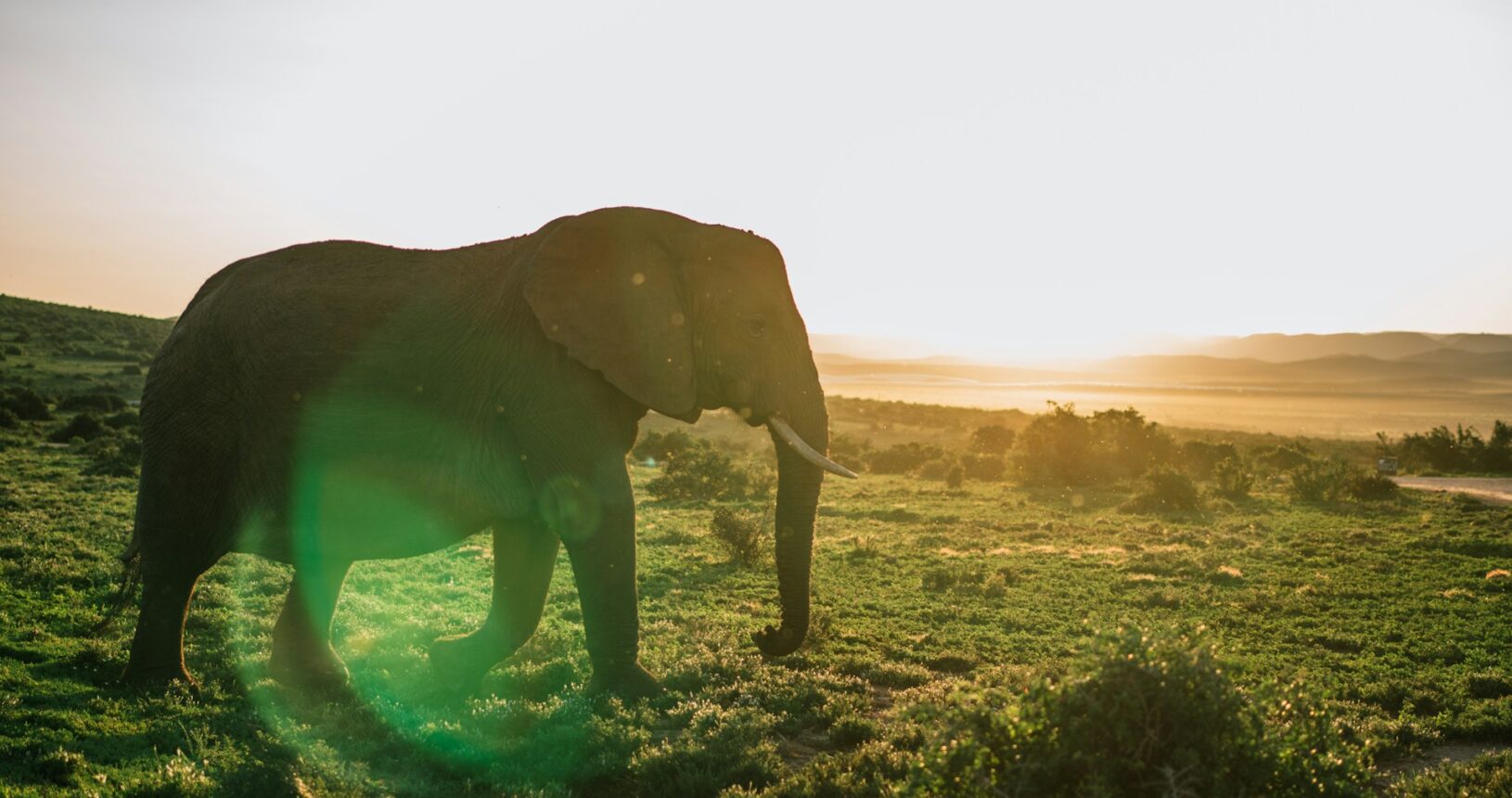
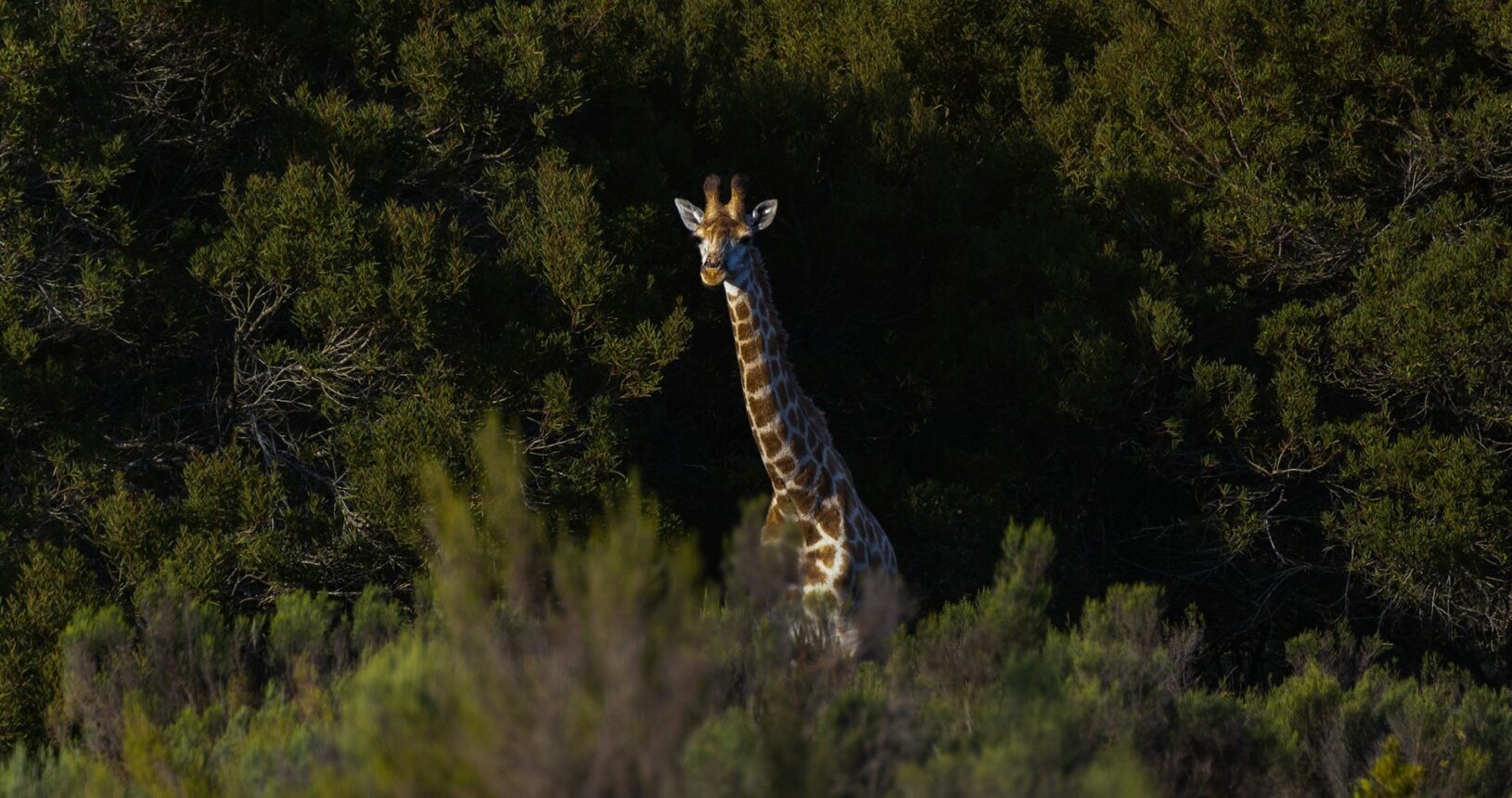
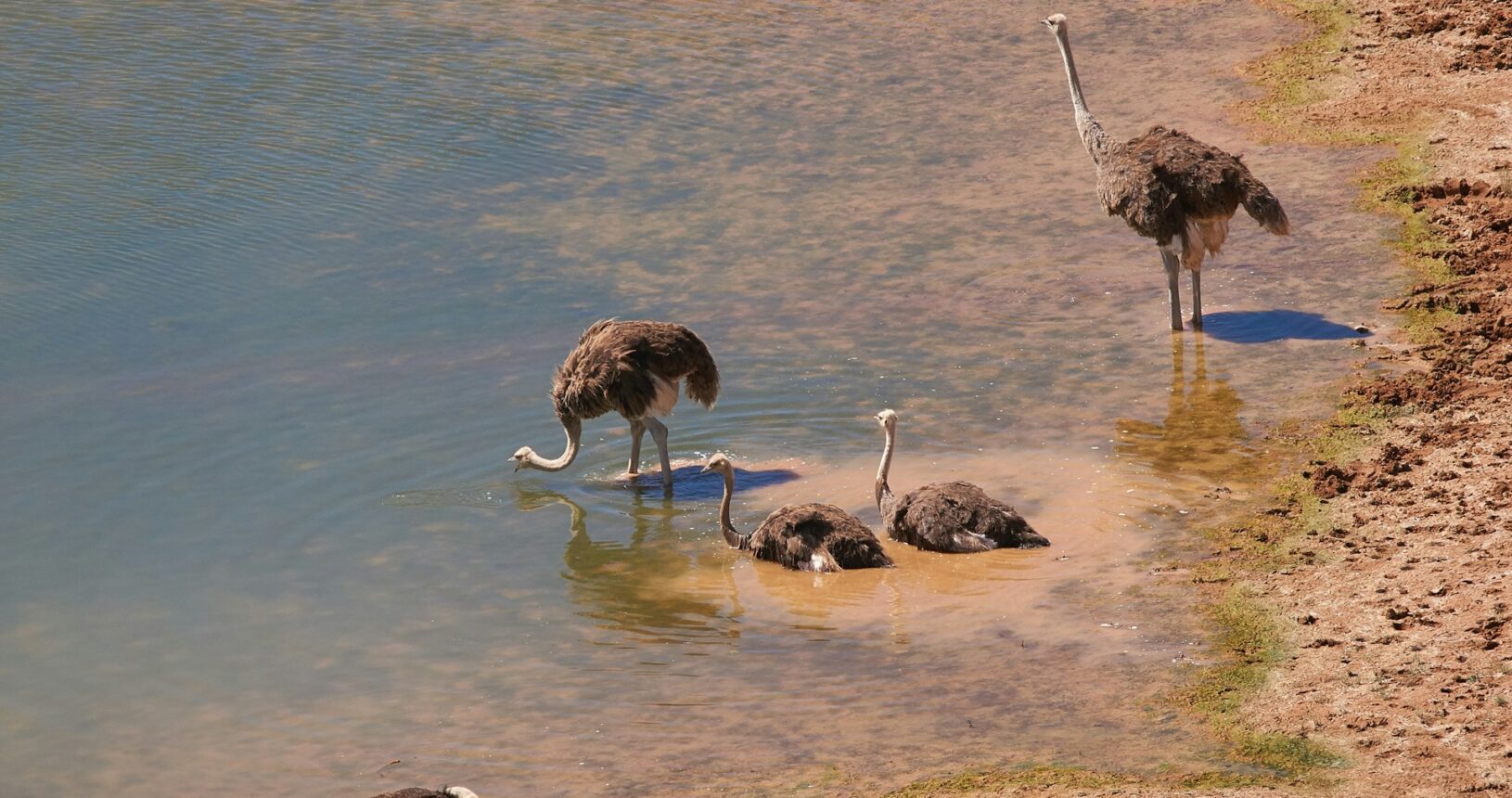
In Africa’s national parks, every sunrise paints a masterpiece — where the wild’s call echoes across endless horizons. Visiting these parks is to witness nature in its purest form, a timeless dance that stirs the soul.
Steps to Book Your Southern Africa Tour
Choose Your Adventure
Confirm Your Booking
Begin Your Journey
Ready to plan your tailor-made safari?