Southern Zambia
February 1, 2026
Active Holiday
February 1, 2026
Home / Destinations / Zambia / Where to go to Zambia /
Western Zambia
Western Zambia offers one of the most remote and least explored safari regions in Southern Africa. The area stretches from the upper Zambezi floodplains into vast wetlands, woodlands, and seasonal river systems. It feels isolated, quiet, and deeply natural, which suits travellers who want true wilderness without crowds.
This region does not follow the busy safari circuits of Zambia’s better-known parks. Instead, it rewards patience and curiosity. Wildlife moves freely across open landscapes, and human presence remains minimal. You often travel for long stretches without seeing other vehicles, which creates a strong sense of space and freedom.
Western Zambia also connects strongly to water. The upper Zambezi River and its floodplains shape much of the environment. Seasonal flooding transforms the land, spreads nutrients, and attracts birdlife and grazing animals. This creates a shifting landscape that changes throughout the year.
Travel in Western Zambia focuses on slow movement. Boat safaris, canoe trips, and guided walks allow you to explore at a natural pace. The experience feels raw and authentic, with fewer lodges and more direct contact with nature.
Why Book This Destination
Explore More about Western Zambia
Landscape and Natural Environment of Western Zambia
Western Zambia features a mix of floodplains, woodlands, grasslands, and river channels. The terrain changes with the seasons, especially during the rainy period when the Zambezi River expands and reshapes the land.
Floodplains dominate large sections of the region. Water spreads across wide areas and creates temporary wetlands. These wetlands attract birds, antelope, and predators that follow seasonal movement patterns.
Wooded areas provide shelter for wildlife during the dry season. Animals concentrate near permanent water sources, which makes game viewing more predictable in certain zones.
The environment feels untouched and quiet. You move through landscapes that rarely see heavy tourism activity. This creates a strong contrast with more developed safari destinations.
Wildlife Experience in Western Zambia
Wildlife in Western Zambia follows natural migration and water cycles. You see animals in their own rhythm rather than in fixed viewing zones.
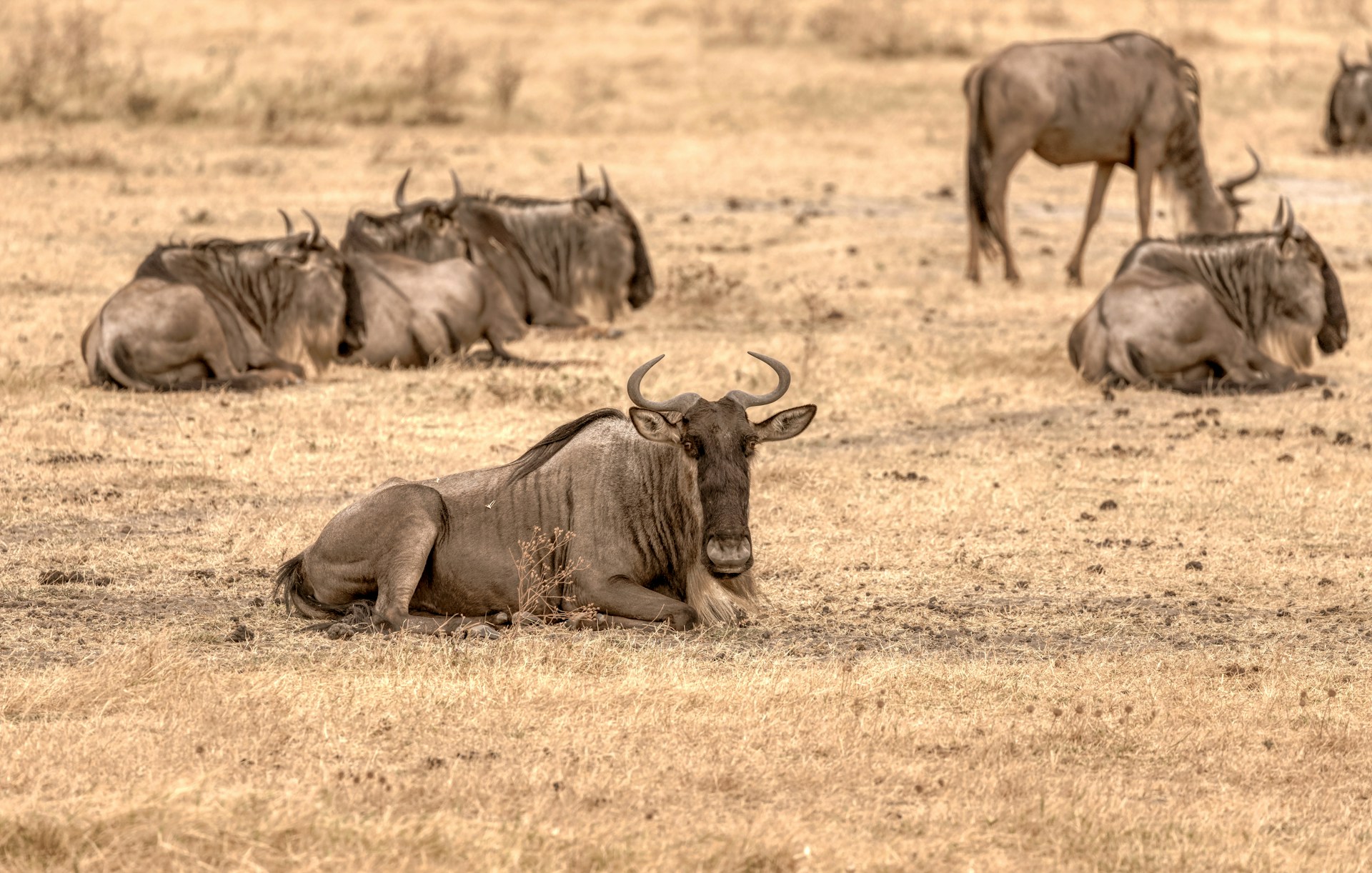
Large herbivores such as buffalo, zebra, and antelope move across floodplains during seasonal changes. Predators follow these movements and appear in more remote areas.
Birdlife stands out strongly in this region. Wetlands attract storks, herons, egrets, and migratory species. The diversity increases during the rainy season when water spreads across the plains.
Game viewing feels less structured but more natural. You track wildlife through guides who understand seasonal patterns and local movement routes.
Upper Zambezi River Experience
The upper Zambezi River defines much of Western Zambia’s travel experience. The river flows slowly through wide floodplains and creates a calm, scenic environment.
Boat safaris offer one of the best ways to explore this region. You move quietly along channels where hippos, crocodiles, and water birds dominate the landscape.
Canoe trips add a more intimate experience. You glide through narrow waterways and observe wildlife from a low perspective. This creates a strong sense of connection to the river system.
Fishing also plays a role in this region. The Zambezi supports species like tigerfish, which attract travelers looking for active river experiences.
Safari Lodges and Camps in Western Zambia
Accommodation in Western Zambia focuses on simplicity, privacy, and location. Lodges sit close to rivers, floodplains, or woodland edges to maximize access to nature.
Most camps remain small and exclusive. This supports a quiet atmosphere and allows guests to experience the region without disruption.
Rooms often open toward the river or plains. You wake up to bird calls, flowing water, and wildlife movement near camp.
Service focuses on guidance and interpretation. Staff and guides help you understand seasonal changes, animal behavior, and river dynamics.
Luxury and midrange options both exist, but even luxury camps maintain a low-impact design that matches the remote setting.
Best Time to Visit Western Zambia
The dry season from May to October offers better wildlife visibility. Animals concentrate near water sources, which improves game viewing.
Road access also improves during this period. Travel becomes easier and more reliable across remote areas.
The wet season from November to April transforms the region. Floodplains fill with water, birdlife increases, and the landscape becomes green and dynamic. However, travel becomes more limited in some remote zones.
Each season offers a different experience. The dry season focuses on wildlife concentration, while the wet season highlights water systems and birdlife.
Who Should Visit Western Zambia
Western Zambia suits travelers who want remote safari experiences. It works well for those who prefer space over crowds and natural movement over structured tourism.
Photographers benefit from the changing landscapes and strong birdlife. Birdwatchers also find excellent diversity, especially during the wet season.
Adventure travelers enjoy canoeing, boat safaris, and long river journeys. The region rewards patience and curiosity rather than fast-paced itineraries.
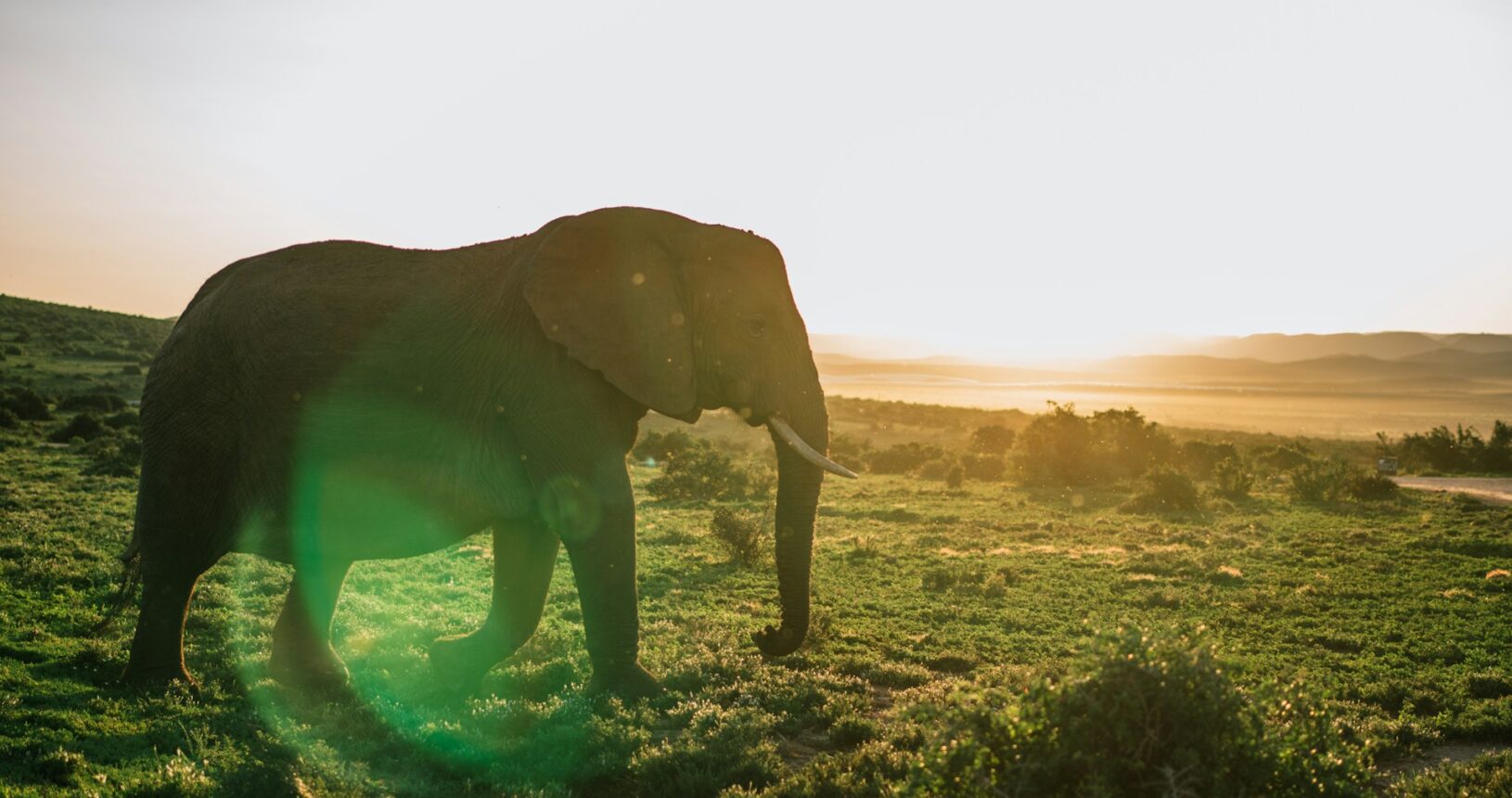
In Africa’s national parks, every sunrise paints a masterpiece — where the wild’s call echoes across endless horizons. Visiting these parks is to witness nature in its purest form, a timeless dance that stirs the soul.
Steps to Book Your Southern Africa Tour
Choose Your Adventure
Confirm Your Booking
Begin Your Journey
Ready to plan your tailor-made safari?