North-Eastern Zambia
February 1, 2026
South Luangwa Park
February 1, 2026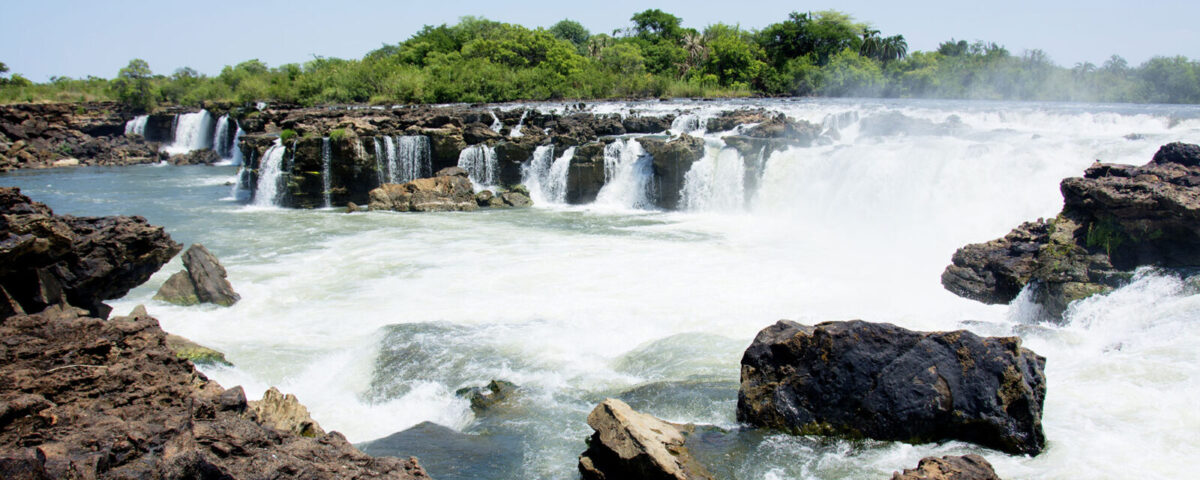
Home / Destinations / Zambia / Where to go to Zambia /
Sioma Ngwezi National Park
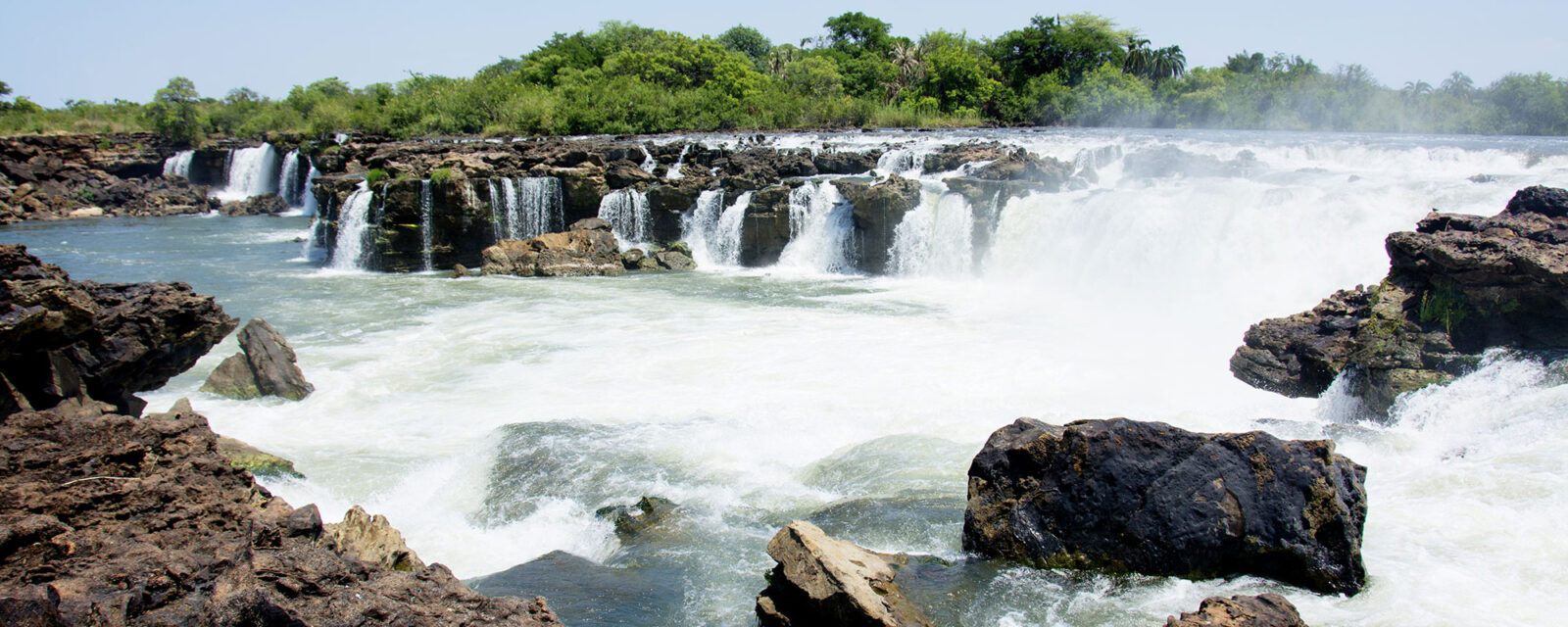
Sioma Ngwezi National Park sits in the remote south-western corner of Zambia, close to the borders of Namibia and Angola. The park forms part of a larger transfrontier ecosystem that links wildlife movement across international boundaries. It remains one of Zambia’s least developed national parks, which gives it a strong sense of isolation and raw wilderness.
This park does not follow the classic safari structure found in more popular destinations. It offers a quiet and undeveloped safari experience where nature dominates the landscape. Travellers come here for solitude, exploration, and a true off-the-beaten-path environment.
Sioma Ngwezi forms part of the broader Kavango-Zambezi landscape, which supports seasonal wildlife movement. Animals move across large distances depending on water availability and grazing conditions. This creates a dynamic ecosystem shaped by migration patterns rather than fixed territories.
The park rewards travellers who value space and simplicity. It focuses on natural exploration rather than luxury infrastructure or high-density game viewing.
Why Book This Destination
Explore More about Sioma Ngwezi National Park
Landscape and Environment of Sioma Ngwezi
Sioma Ngwezi features a mix of dry woodlands, sandy soils, and open scrubland. The terrain feels flat and expansive, with long distances between vegetation clusters.
The park sits within a semi-arid zone influenced by the Kalahari system. This creates dry conditions for most of the year, with limited surface water and strong seasonal changes.
Vegetation includes mopane woodlands and scattered bushveld. These plant systems support resilient wildlife adapted to dry environments.
During the rainy season, temporary water pools form across the park. These seasonal changes attract wildlife and influence movement patterns across the landscape.
The environment feels quiet and undeveloped. Human presence remains extremely low, which strengthens the sense of isolation.
Wildlife in Sioma Ngwezi National Park
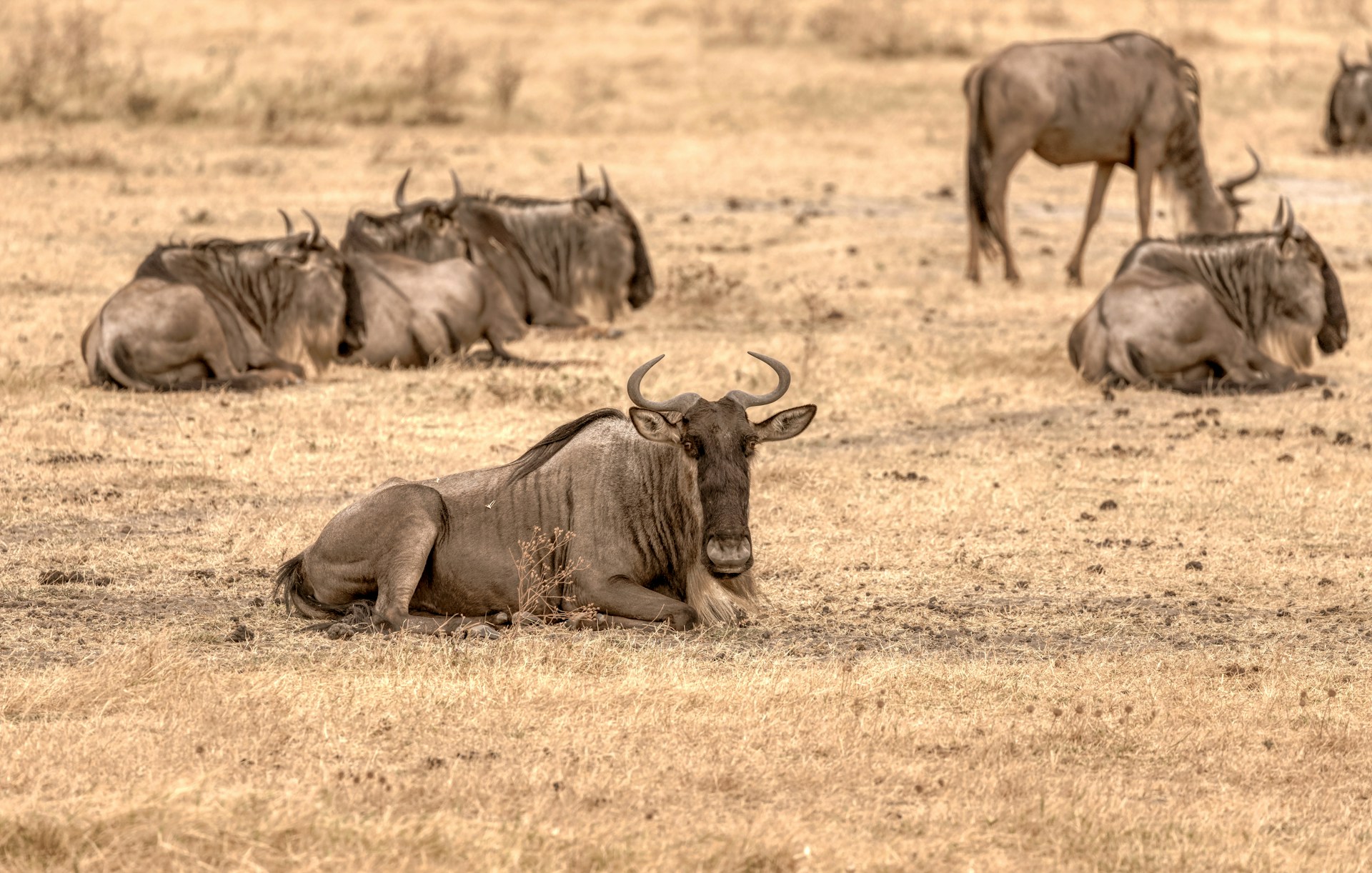
Wildlife in Sioma Ngwezi moves across large distances and depends heavily on seasonal conditions. The park does not hold dense year-round populations, but it supports important migration routes.
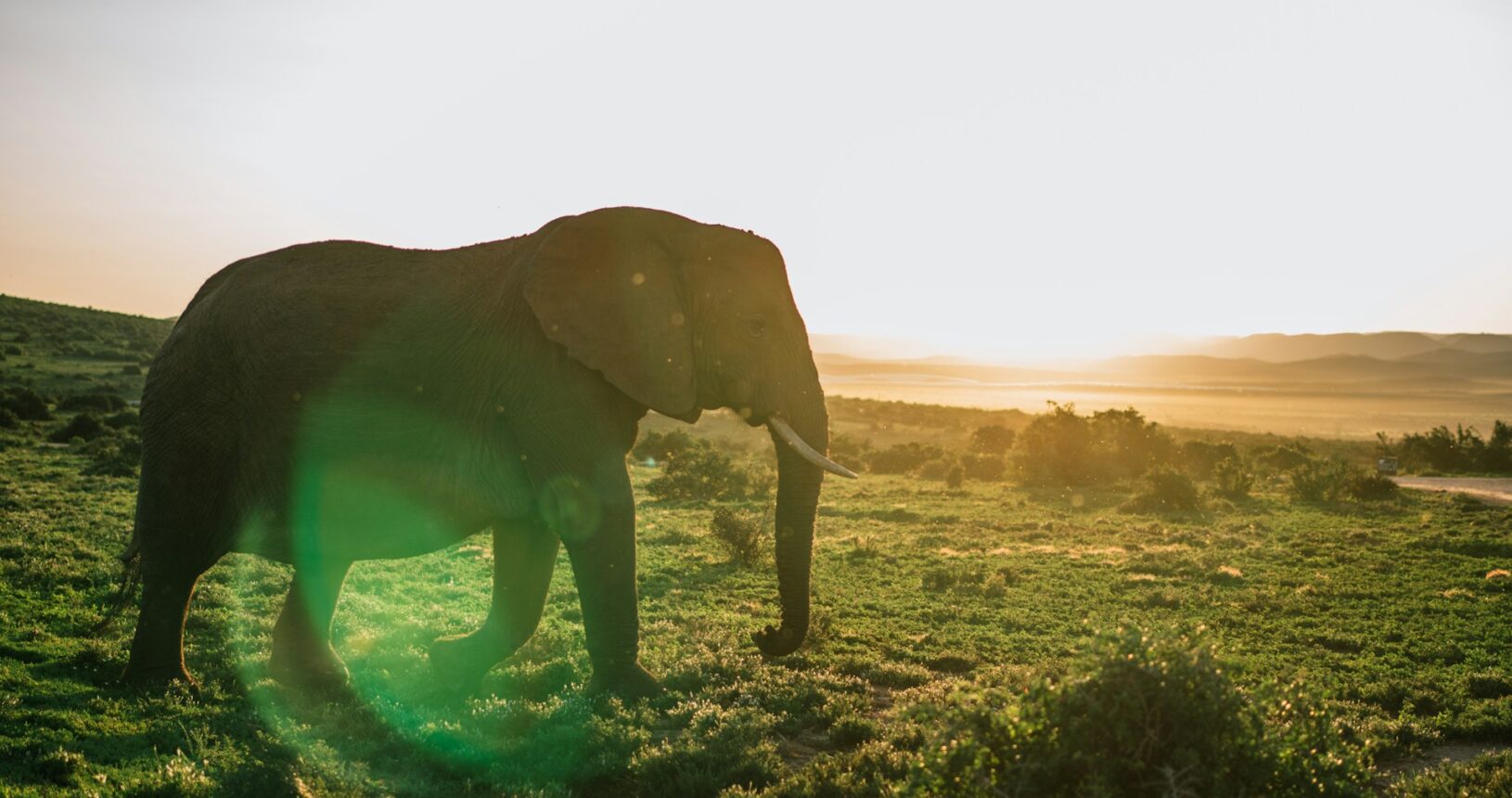
Elephants form the most visible species in the park. Large herds move through the region in search of water and grazing areas.
Antelope species such as sable, roan, and kudu appear in wooded areas. These species adapt well to dry conditions and move between shaded zones.
Predators exist in lower densities compared to other Zambian parks. Lions and hyenas appear occasionally, following prey movement across the wider ecosystem.
Birdlife remains strong, especially during the rainy season when temporary wetlands form. Migratory species add diversity during wetter months.
Wildlife viewing depends on timing and patience. Sightings vary widely based on seasonal movement.
Safari Experience in Sioma Ngwezi
Safari experiences in Sioma Ngwezi focus on exploration rather than structured game viewing. The park does not offer high visitor traffic or frequent sightings.
Travellers rely on guided exploration and knowledge of seasonal movement patterns. This creates a more interpretive safari experience.
Road conditions remain basic, and travel often requires well-prepared 4x4 vehicles. Distances between wildlife sightings can be long.
The park suits travellers who enjoy remote expeditions and low-impact travel. It offers a sense of discovery rather than predictable safari encounters.
Conservation and Ecosystem Role
Sioma Ngwezi plays an important role in the wider Kavango-Zambezi Transfrontier Conservation Area. This large conservation landscape connects Zambia, Namibia, Botswana, Angola, and Zimbabwe.
The park supports elephant migration routes across borders. These corridors help maintain genetic diversity and natural movement patterns.
Conservation efforts focus on protecting these migration routes and reducing human-wildlife conflict in surrounding communities.
The park remains underdeveloped, which limits pressure on wildlife but also restricts tourism infrastructure.
Accessibility and Travel Conditions
Sioma Ngwezi remains one of Zambia’s most remote parks. Access requires long road journeys from major towns such as Livingstone or Sesheke.
Road conditions vary depending on the season. The dry season allows easier travel, while the wet season can make routes difficult or impassable.
Travellers must plan carefully and often travel with experienced guides or tour operators familiar with the region.
The remoteness adds to the experience but requires preparation and patience.
Accommodation Around Sioma Ngwezi
Accommodation inside the park remains very limited. Most visitors stay in nearby towns or remote lodges along the Zambezi corridor.
Lodges outside the park focus on basic comfort and access rather than luxury safari design. They support overland travellers and expedition-style trips.
Camping also forms part of the experience for more adventurous travellers. This allows direct connection to the environment.
Future development may introduce more structured safari accommodation, but the region currently remains largely undeveloped.
Best Time to Visit Sioma Ngwezi
The dry season from May to October offers the most accessible travel conditions. Roads remain more stable, and wildlife movement becomes easier to track near water sources.
The wet season from November to April transforms the landscape into a greener environment. However, travel becomes more difficult due to muddy roads and limited infrastructure.
Wildlife viewing remains unpredictable year-round. Timing and local knowledge play a major role in planning successful visits.
Who Should Visit Sioma Ngwezi
Sioma Ngwezi suits experienced travellers who want remote and unconventional safari experiences. It works well for overland explorers and conservation-focused travellers.
The park does not suit first-time safari visitors who expect regular game viewing or luxury lodges.
Travellers who enjoy solitude, long-distance travel, and natural exploration will appreciate the park’s character.
Photographers and researchers may also find value in its untouched landscapes and migration corridors.
In Africa’s national parks, every sunrise paints a masterpiece — where the wild’s call echoes across endless horizons. Visiting these parks is to witness nature in its purest form, a timeless dance that stirs the soul.
Steps to Book Your Southern Africa Tour
Choose Your Adventure
Confirm Your Booking
Begin Your Journey
Ready to plan your tailor-made safari?