Ila Safari Lodge
February 1, 2026
Royal Zambezi Lodge
February 1, 2026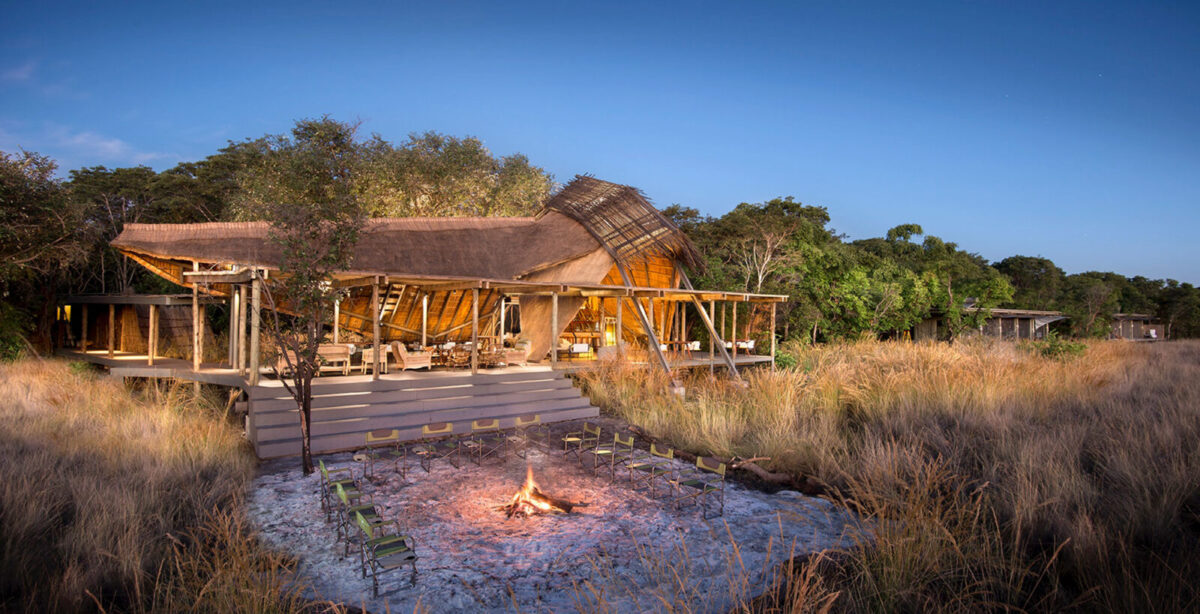
King Lewanika Lodge
King Lewanika Lodge offers one of the most remote and exclusive safari experiences in Zambia. The lodge sits inside Liuwa Plain National Park, a vast wilderness of seasonal floodplains, open grasslands, and dramatic skies in western Zambia. This region remains one of Africa’s least visited safari destinations, which gives the experience a powerful sense of isolation and authenticity.
The lodge takes its name from King Lewanika, the former Lozi ruler whose connection to the Barotse Kingdom shaped much of western Zambia’s history and conservation heritage. The property reflects this sense of place through its understated luxury, strong environmental focus, and deep integration with the surrounding landscape.
King Lewanika Lodge attracts travellers who want more than traditional safari tourism. The experience centres on open wilderness, seasonal wildlife movement, exceptional birdlife, and quiet exploration far from crowded safari routes. Guests come here for solitude, photography, migration experiences, and immersive connection with nature.
The lodge combines refined comfort with one of the wildest environments in Southern Africa. Wildlife moves freely across the plains, storms roll dramatically across the horizon during the rainy season, and sunsets stretch endlessly across the grasslands each evening.
Why Book This Destination
Explore More about King Lewanika Lodge
Location and Setting
Deep Inside Liuwa Plain National Park
King Lewanika Lodge sits within Liuwa Plain National Park in western Zambia, surrounded by enormous floodplains that extend far beyond the visible horizon. The location immediately creates a feeling of remoteness because very little development exists anywhere near the park.
Seasonal flooding shapes the entire ecosystem around the lodge. During the rainy season, floodwaters spread across the plains and create fertile grazing areas for wildlife. As waters begin to recede, grasslands emerge and attract large herds of wildebeest and zebra.
The landscape feels open and expansive in every direction. Unlike woodland safari destinations, Liuwa Plain offers uninterrupted visibility across wide grasslands beneath dramatic African skies.
The isolation of the lodge strengthens the wilderness atmosphere. Guests rarely encounter other vehicles during safari activities, even during migration periods.
This setting appeals strongly to travelers looking for quiet and exclusive safari experiences away from mainstream tourism.
Architecture and Design
Elegant Simplicity Inspired by the Plains
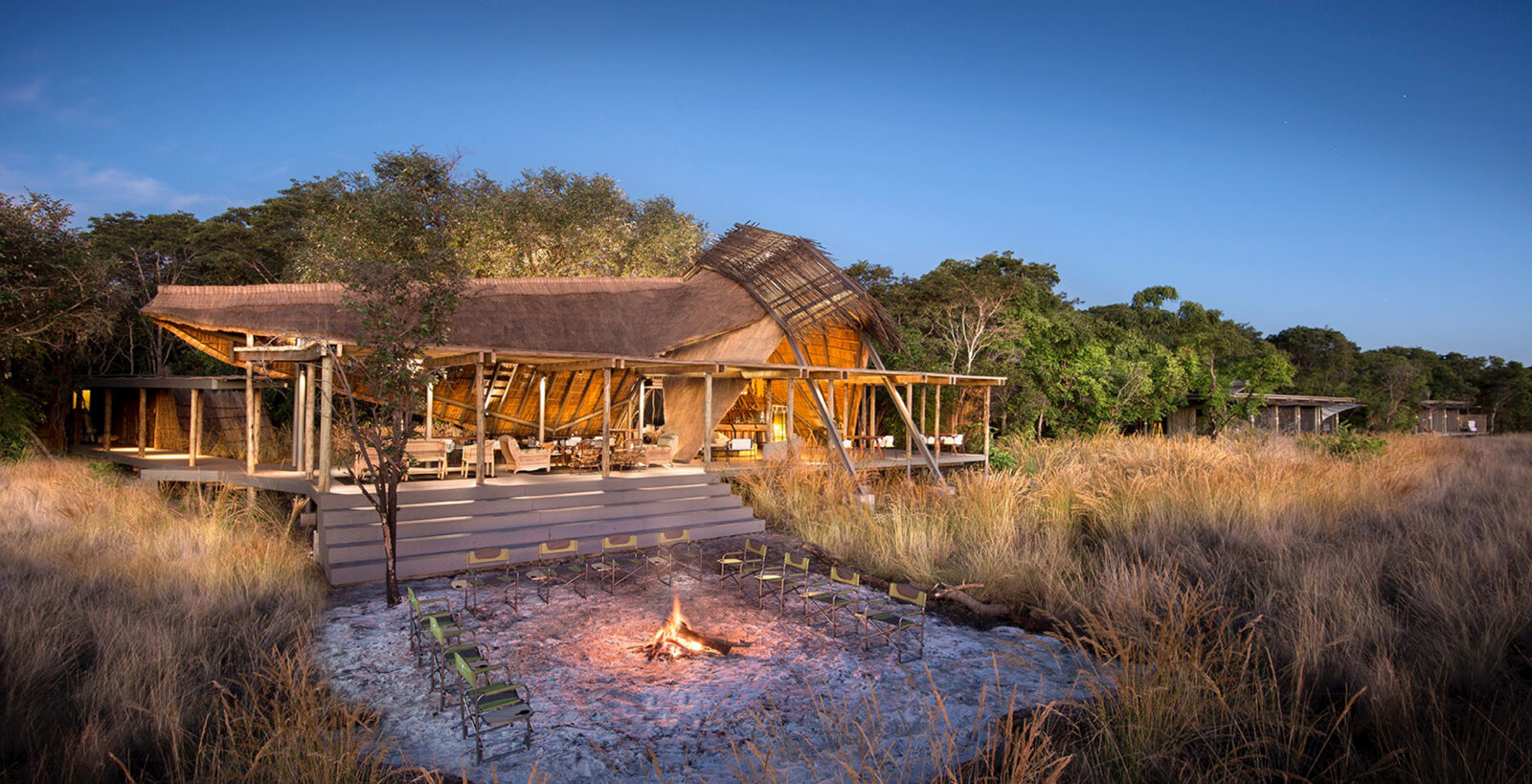
King Lewanika Lodge uses a design style that complements the surrounding environment rather than competing with it. The structures combine canvas, wood, and natural materials to create an atmosphere that feels refined but still deeply connected to the wilderness.
The design remains open and airy, allowing guests to experience the changing light, sounds, and weather patterns of Liuwa Plain throughout the day.
Large viewing areas overlook the floodplains, which allows wildlife sightings directly from the lodge. Neutral colors and natural textures reflect the tones of the surrounding grasslands and seasonal wetlands.
The interiors focus on comfort without excessive formality. Furnishings remain elegant and practical while maintaining the calm atmosphere expected in such a remote setting.
The lodge creates luxury through space, privacy, guiding quality, and location rather than oversized infrastructure.
Accommodation Experience
Private Safari Suites in a Remote Landscape
King Lewanika Lodge offers a small number of luxury safari suites positioned to maximize privacy and floodplain views. Each suite provides a quiet retreat surrounded by open wilderness.
The rooms include spacious sleeping areas, en-suite bathrooms, outdoor decks, and comfortable lounge spaces where guests can relax between safari activities.
Large openings allow airflow and natural light to move through the suites, which keeps the experience closely connected to the surrounding environment.
The remote setting also creates an extraordinary nighttime atmosphere. Guests often hear hyenas calling across the plains or watch stars appear over the floodplain horizon without artificial light interference.
The accommodation experience focuses less on extravagance and more on immersion, exclusivity, and comfort within true wilderness.
Safari Activities at King Lewanika Lodge
Exploring the Liuwa Plains
Safari activities at King Lewanika Lodge focus on seasonal wildlife movement, photography, birdwatching, and exploration of the floodplain ecosystem.
Game drives move across open grasslands where wildebeest, zebra, hyenas, lions, and antelope travel through the plains. The flat landscape allows long-distance wildlife observation and dramatic photography opportunities.
The wildebeest migration remains the park’s most famous natural event. During migration periods, enormous herds move across the floodplains in response to rainfall and fresh grass growth.
Guides also focus heavily on the ecological dynamics of the ecosystem. Guests learn how seasonal flooding shapes wildlife movement, grazing patterns, and predator behavior throughout the plains.
Birdwatching becomes especially productive during wetter months when cranes, storks, pelicans, and migratory species gather around floodplain wetlands.
The remote environment allows guests to experience wildlife without crowds or vehicle congestion.
Wildlife in Liuwa Plain National Park
Migration, Predators, and Open Plains Ecology
Liuwa Plain supports one of Africa’s most important grassland ecosystems. The park hosts the continent’s second-largest wildebeest migration after the Serengeti, with tens of thousands of animals moving across the plains seasonally.
Spotted hyenas thrive within this ecosystem and form one of the park’s most visible predator populations. Lions have also re-established themselves in the area through long-term conservation work.
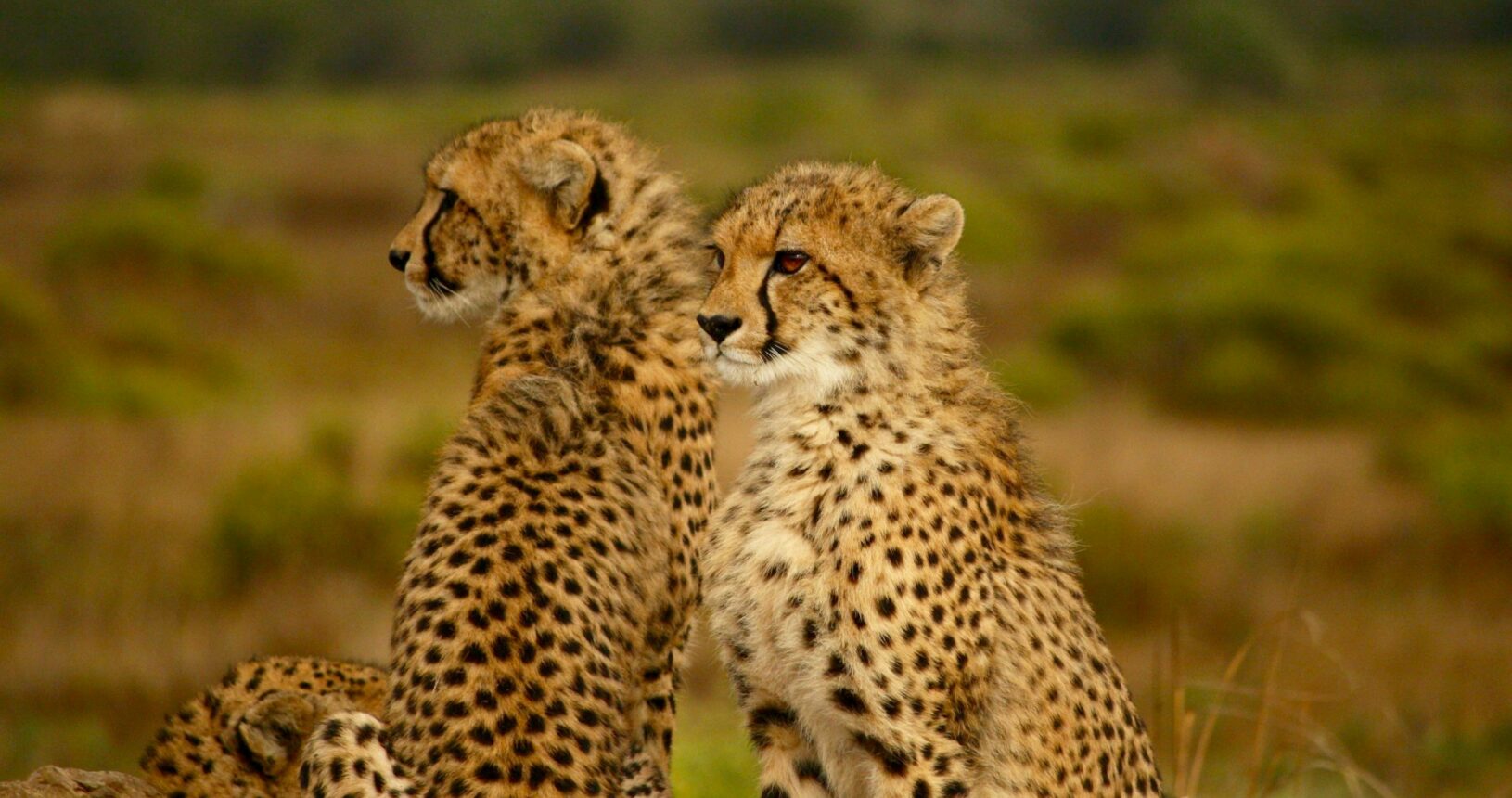
Cheetahs patrol sections of the open plains where visibility supports high-speed hunting. Smaller predators and scavengers also move through the floodplain system.
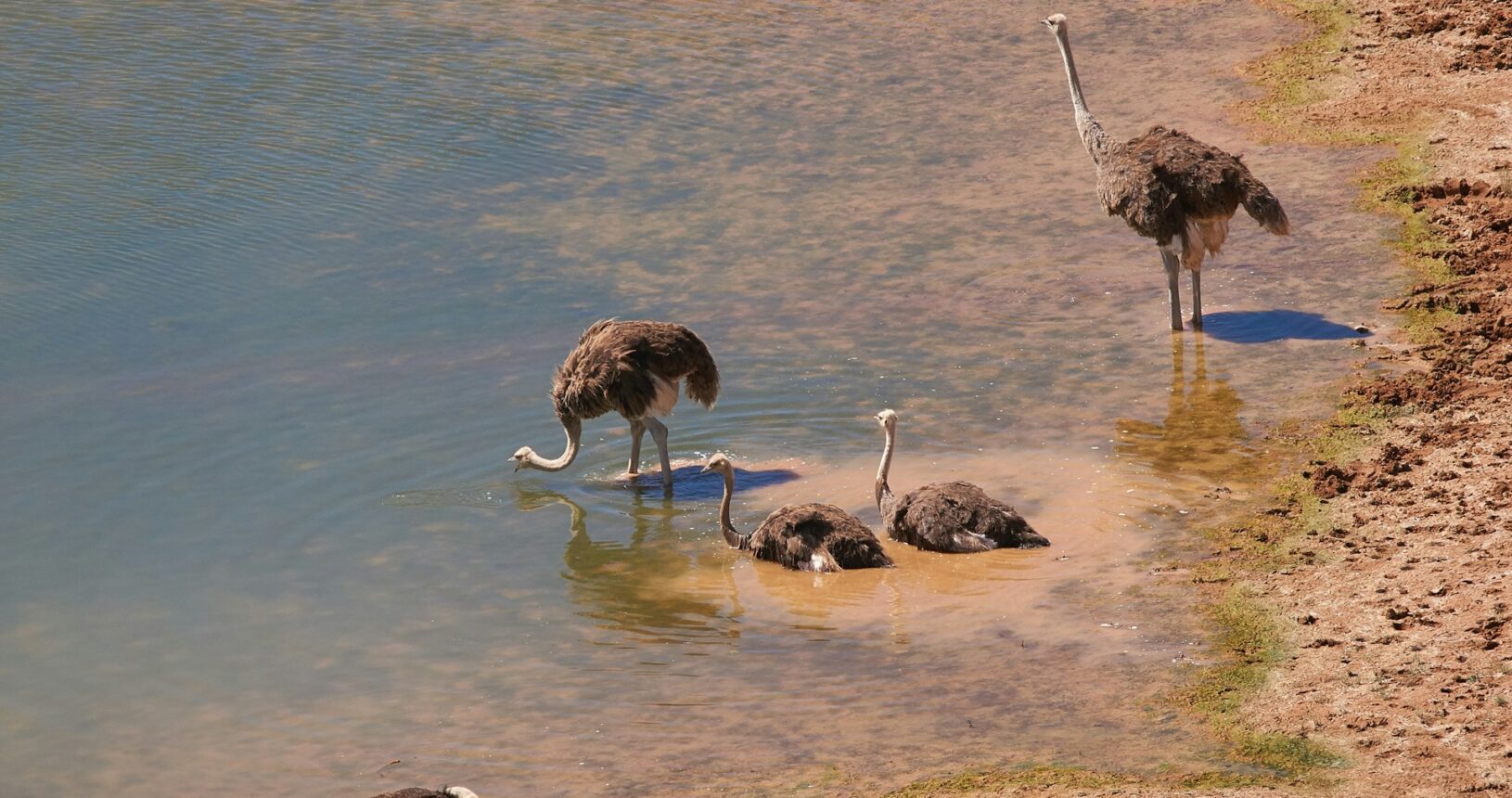
Birdlife remains exceptional throughout the year. Wetlands attract cranes, geese, storks, and numerous migratory species linked to the floodplain environment.
The wildlife experience in Liuwa differs from more densely populated safari parks because the emphasis shifts toward ecosystem dynamics, migration, and wide-open wilderness scenery.
Dining and Hospitality
Refined Service in a Remote Wilderness
Dining at King Lewanika Lodge combines personalized hospitality with relaxed safari elegance. Meals often take place in open dining spaces overlooking the plains where changing light and wildlife movement create a constantly evolving backdrop.
Breakfasts usually follow early morning game drives, while lunches provide lighter meals during warmer afternoon hours. Evenings become more atmospheric with lantern-lit dinners beneath open skies.
The staff maintain attentive but understated service that matches the lodge’s calm wilderness atmosphere.
Because guest numbers remain low, the hospitality experience feels personal and flexible throughout the stay.
Conservation and Community Connection
Protecting One of Africa’s Wildest Ecosystems
King Lewanika Lodge operates within a conservation-focused tourism model that supports the long-term protection of Liuwa Plain National Park.
The region’s isolation has helped preserve its ecological integrity, but conservation programs continue to play an important role in wildlife management, predator restoration, and habitat protection.
Community partnerships linked to the Barotse region also contribute to sustainable tourism and conservation awareness across western Zambia.
Guests visiting the lodge indirectly support the protection of one of Africa’s least disturbed floodplain ecosystems.
Best Time to Visit King Lewanika Lodge
Seasonal Changes Across the Floodplains
The experience at King Lewanika Lodge changes dramatically with the seasons.
The migration period between November and December offers one of the best times to witness large wildebeest herds moving across the plains. Early rains transform the landscape and create dramatic storm-filled skies.
The dry season from May to October improves accessibility and provides easier game-viewing conditions as wildlife gathers near remaining water sources.
Birdwatching reaches peak levels during wetter months when floodplains attract migratory species and wetland birds.
Each season reveals different ecological patterns across the Liuwa Plain.
Who Should Stay at King Lewanika Lodge
Wilderness Travellers and Safari Purists
King Lewanika Lodge suits experienced safari travellers who value solitude, remote landscapes, and conservation-focused tourism. The property appeals strongly to photographers, birdwatchers, migration enthusiasts, and travellers seeking safari experiences away from commercial tourism routes.
The lodge does not focus on high-density wildlife viewing or fast-paced safari schedules. Instead, it rewards patience, observation, and appreciation for wide-open wilderness.
Travelers looking for exclusivity, silence, and one of Africa’s last truly remote safari regions will find exceptional value at King Lewanika Lodge.
In Africa’s national parks, every sunrise paints a masterpiece — where the wild’s call echoes across endless horizons. Visiting these parks is to witness nature in its purest form, a timeless dance that stirs the soul.
Steps to Book Your Southern Africa Tour
Choose Your Adventure
Confirm Your Booking
Begin Your Journey
Ready to plan your tailor-made safari?