Tanzania vs Kenya
February 10, 2026
Amboseli National Park
February 10, 2026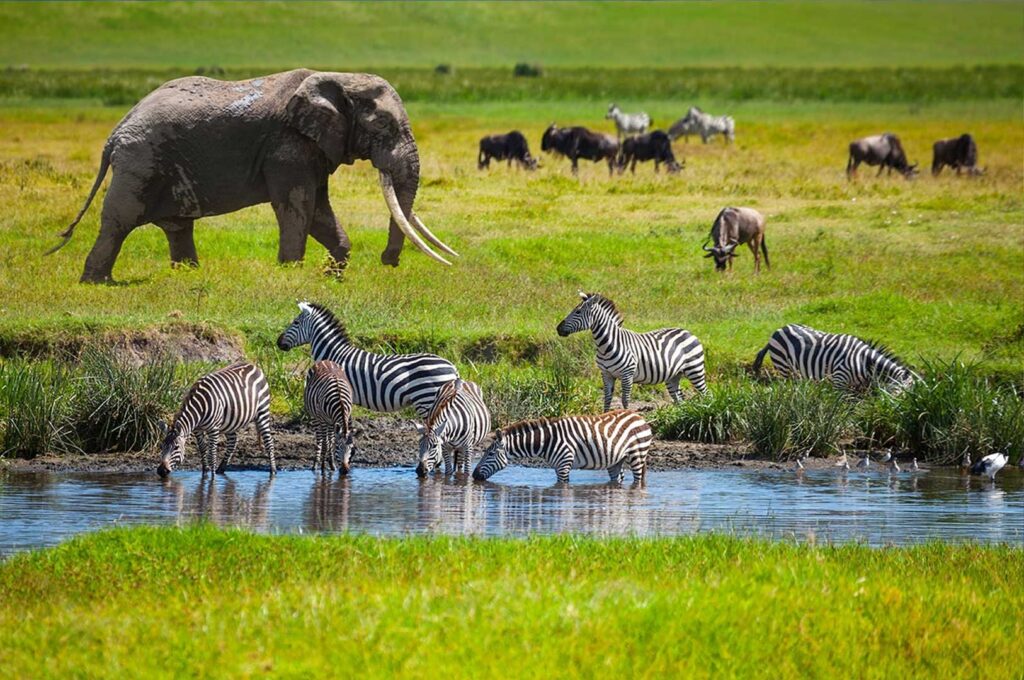
Wildlife in Tanzania
The wildlife in Tanzania ranks among the most impressive in Africa. The country protects some of the continent’s most famous ecosystems, including the Serengeti National Park, Ngorongoro Conservation Area, Tarangire National Park, and Nyerere National Park.
Tanzania’s diverse landscapes support thousands of animal species. From vast savannah plains and volcanic craters to forests, wetlands, and coastal areas, each environment provides a unique home for wildlife.
A Tanzania safari offers opportunities to see the Big Five, witness the Great Migration, observe rare predators, and discover hundreds of bird species. The country’s commitment to conservation has helped protect some of the world’s most important wildlife populations.
Whether you visit for a classic game drive, photography adventure, or luxury safari experience, Tanzania provides unforgettable encounters with nature.
Why Book This Destination
Explore More about Wildlife in Tanzania
Tanzania’s Diverse Wildlife Habitats
The richness of wildlife in Tanzania comes from its variety of habitats. Each ecosystem supports different animal species and creates unique safari experiences.
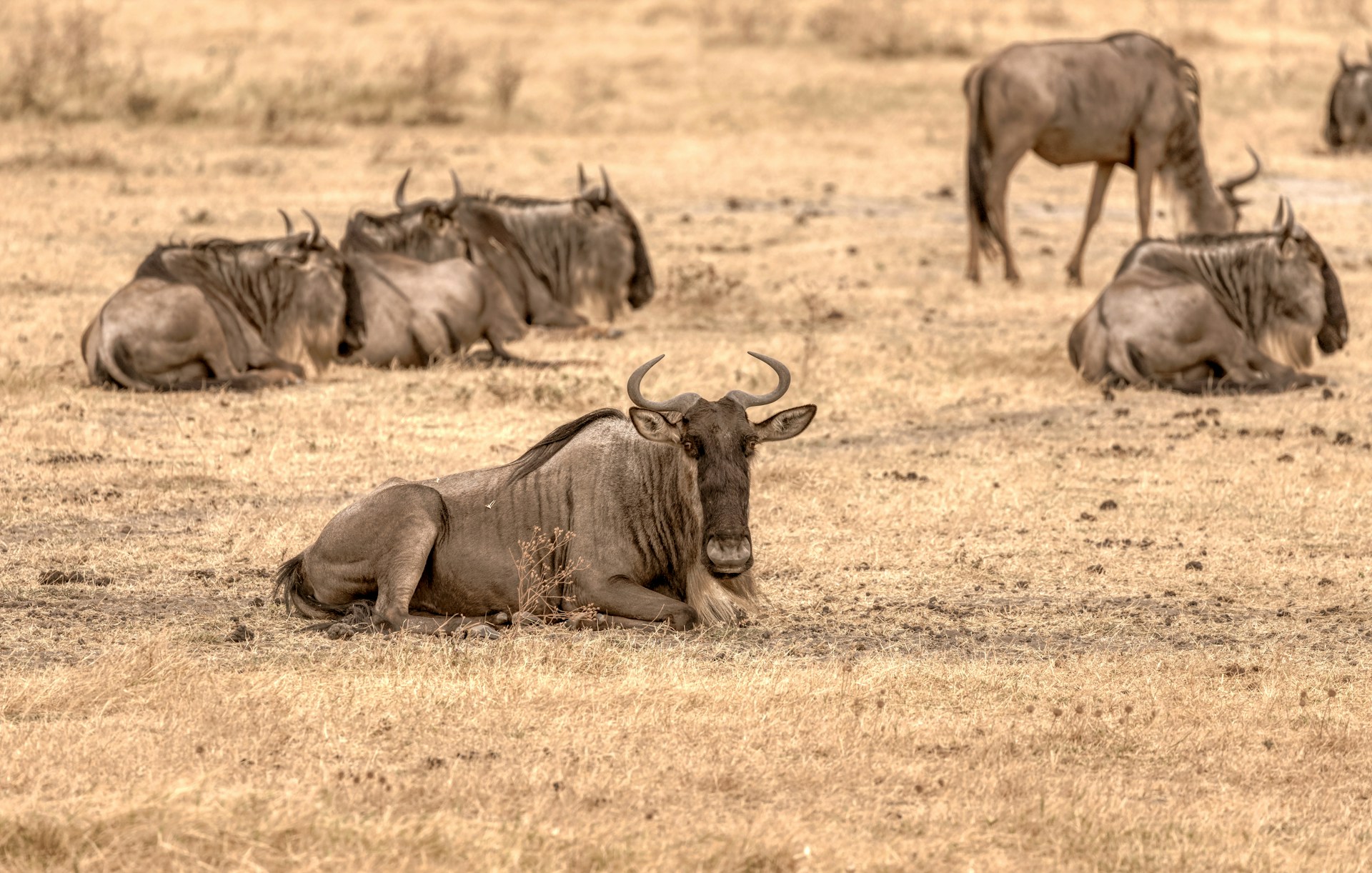
The Serengeti ecosystem features endless grasslands where millions of grazing animals move across the plains. This environment supports large populations of wildebeests, zebras, gazelles, lions, and cheetahs.
The Ngorongoro Crater creates a unique natural sanctuary where wildlife thrives inside a volcanic landscape. The crater supports elephants, buffaloes, lions, rhinos, hippos, and many other species.
Tarangire National Park offers a different environment with ancient baobab trees, seasonal wetlands, and large elephant herds. Nyerere National Park combines rivers, woodlands, and grasslands to support diverse wildlife populations.
These different habitats make Tanzania one of Africa’s leading safari destinations.
The Big Five Animals in Tanzania
One of the biggest attractions of a Tanzania safari is the opportunity to see the Big Five. These include lions, elephants, leopards, buffaloes, and rhinoceroses.
Lions
Tanzania supports one of Africa’s largest lion populations. The Serengeti provides an ideal environment for these powerful predators, with abundant prey and open landscapes.
Visitors often see lions resting under trees, moving through grasslands, or hunting near large herds of herbivores. The Serengeti’s lion population plays an important role in the ecosystem.
The Ngorongoro Crater also provides excellent lion sightings because the enclosed environment supports high wildlife concentrations.
African Elephants
Elephants represent some of the most iconic wildlife in Tanzania. The country protects large elephant populations across several national parks.
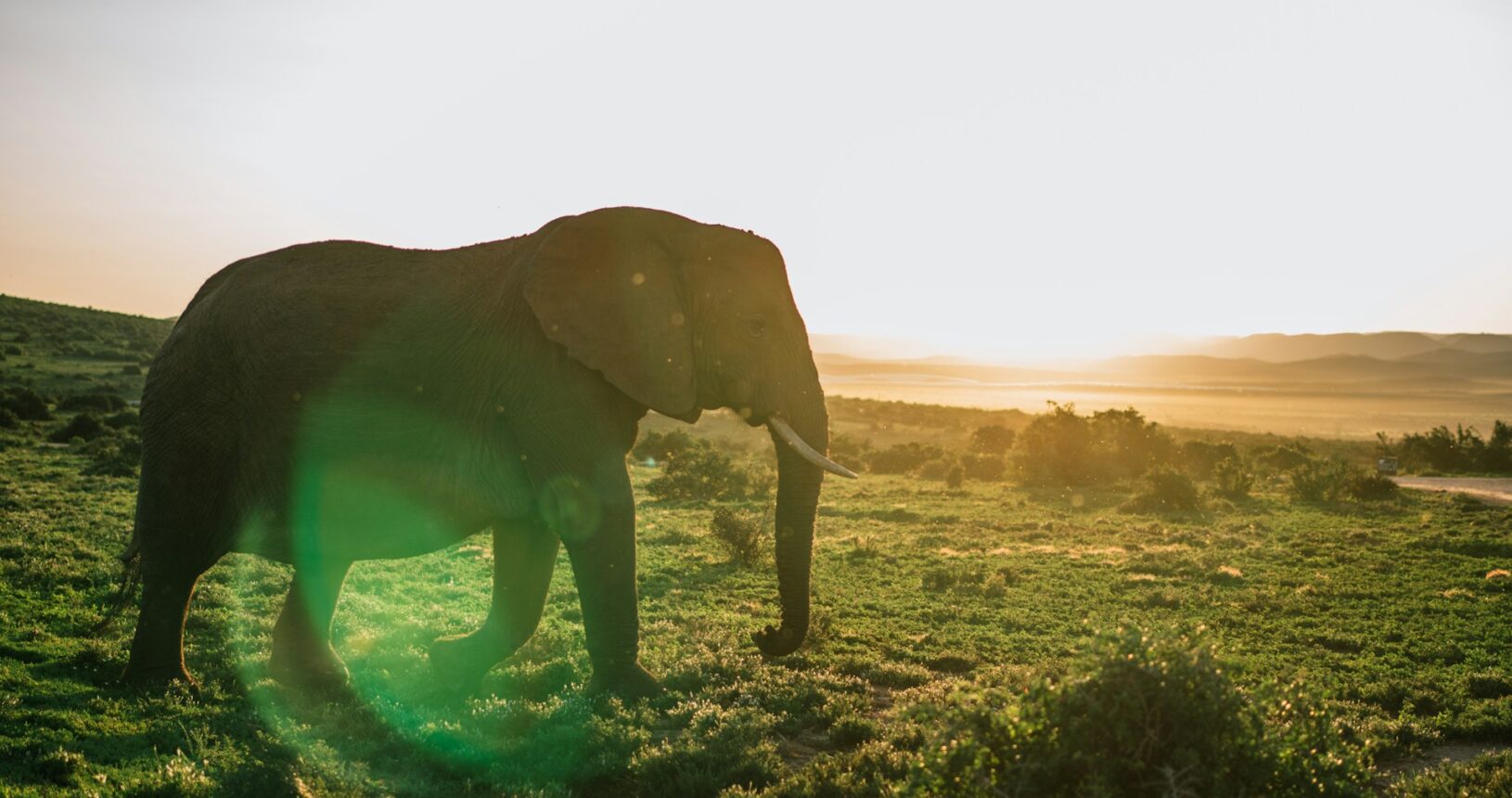
Tarangire National Park is especially famous for elephants. Large herds gather around the Tarangire River during the dry season, creating unforgettable viewing opportunities.
Elephants also roam Serengeti, Ruaha, and Nyerere National Park. Their intelligence, social behavior, and impressive size make every encounter memorable.
Leopards
Leopards are among the most beautiful and elusive animals in Tanzania. These solitary cats often rest in trees during the day and become active during early mornings and evenings.
The Serengeti offers excellent leopard viewing opportunities, especially near river areas and woodland habitats.
Spotting a leopard requires patience and experienced guides who understand their behavior and preferred locations.
African Buffaloes
African buffaloes form large herds throughout Tanzania’s protected areas. These powerful animals often gather near water sources and grasslands.
Buffaloes appear calm but remain one of Africa’s most dangerous animals due to their strength and unpredictable nature.
Visitors can see large herds during game drives across Serengeti, Ngorongoro, and other national parks.
Rhinoceroses
Black rhinoceroses are among Tanzania’s rarest wildlife species. Conservation programs protect these endangered animals in areas such as the Ngorongoro Conservation Area.
Seeing a rhino during a Tanzania safari represents a special experience because populations remain limited.
Conservation efforts continue to protect these important animals and their habitats.
The Great Migration
The Great Migration represents one of the greatest wildlife spectacles on Earth. Every year, millions of wildebeests, zebras, and gazelles move through the Serengeti ecosystem in search of fresh grass and water.
The migration follows seasonal rainfall patterns. During the calving season, large herds gather in the southern Serengeti, where thousands of young animals are born.
As the year progresses, herds move north through the Serengeti before crossing into Kenya’s Maasai Mara.
The migration attracts predators such as lions, cheetahs, leopards, and hyenas. This constant movement creates some of the most dramatic wildlife scenes in Africa.
Predators of Tanzania
Tanzania offers excellent opportunities to observe Africa’s most fascinating predators.
Lions dominate many areas, especially the Serengeti. Their social behavior and cooperative hunting make them one of the most popular safari animals.
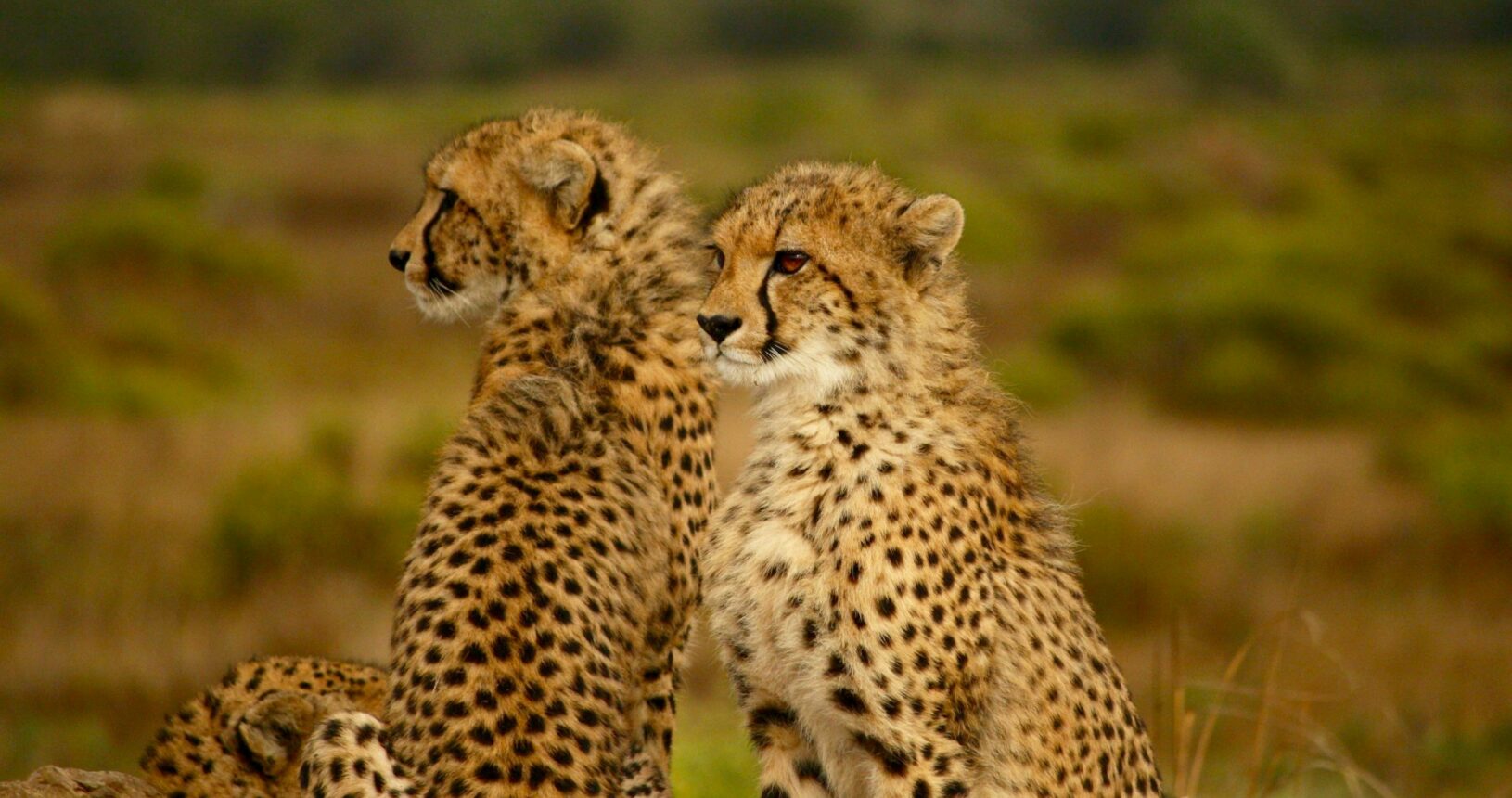
Cheetahs thrive in open grasslands where they use their incredible speed to chase prey. The Serengeti provides one of the best places in Africa to observe these fast predators.
Hyenas play an important role as both hunters and scavengers. Their strong social structures and unique behavior make them fascinating to watch.
Wild dogs, although rare, also exist in some Tanzanian parks. Nyerere National Park and Ruaha National Park provide some of the best chances to see these endangered predators.
Herbivores and Grazing Animals
The variety of herbivores contributes greatly to the richness of wildlife in Tanzania.
Wildebeests dominate the Great Migration, while zebras travel alongside them throughout the Serengeti ecosystem. These animals depend on seasonal grasslands for survival.
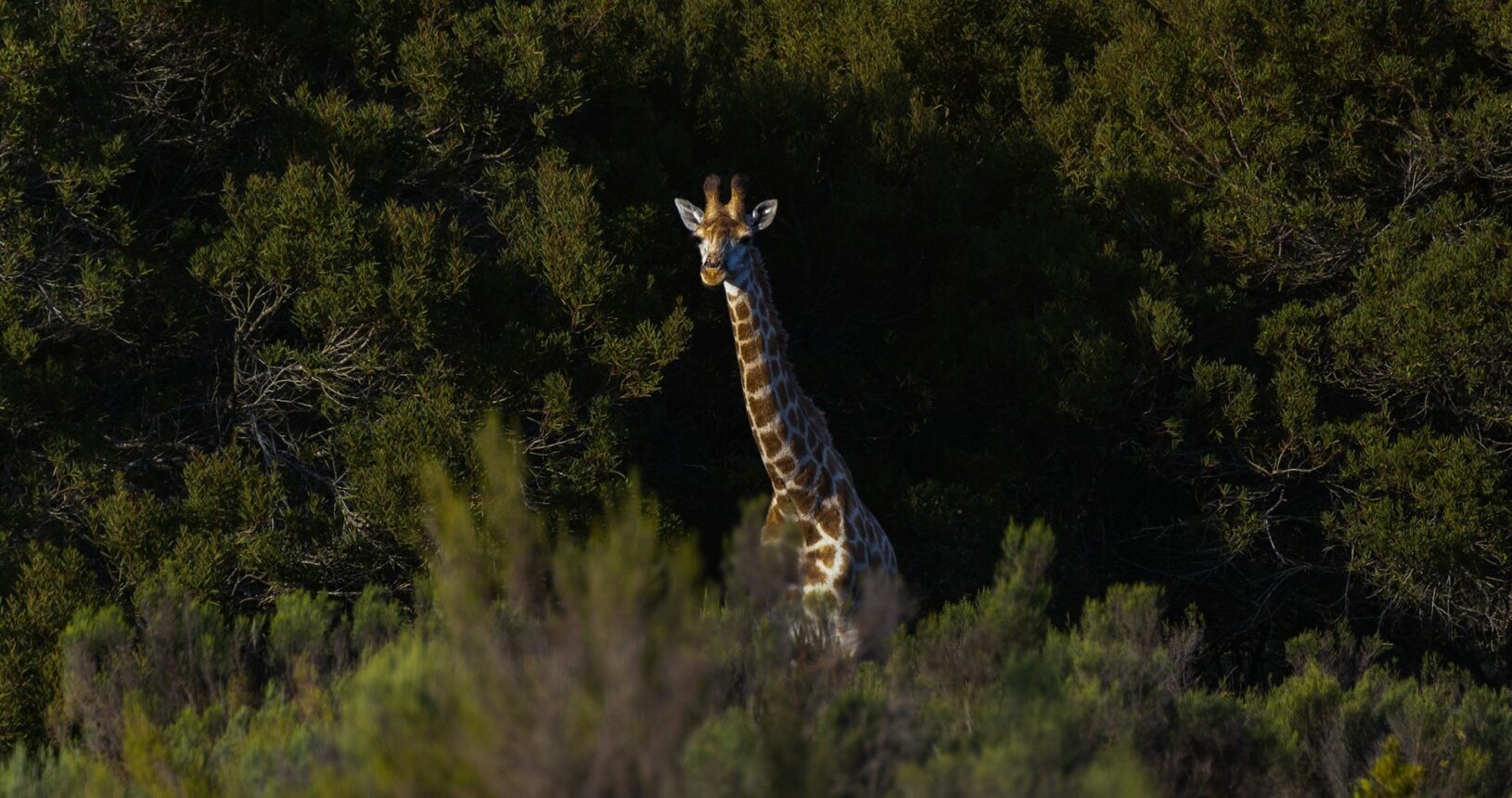
Giraffes are common across many Tanzanian parks. Their long necks allow them to feed from tall trees, especially in woodland areas.
Other herbivores include impalas, gazelles, elands, hippos, warthogs, and antelopes. Their presence supports the large predator populations found throughout the country.
Primates in Tanzania
Although Tanzania is famous for savannah wildlife, it also protects important primate species.
Chimpanzees live in western Tanzania, especially in Mahale Mountains National Park and Gombe Stream National Park. These forests provide rare opportunities to observe chimpanzees in their natural environment.
Other primates include olive baboons, vervet monkeys, colobus monkeys, and blue monkeys.
Primate experiences add another dimension to Tanzania’s wildlife adventures.
Birdlife in Tanzania
Tanzania is a paradise for bird lovers. The country supports more than 1,000 bird species across different habitats.
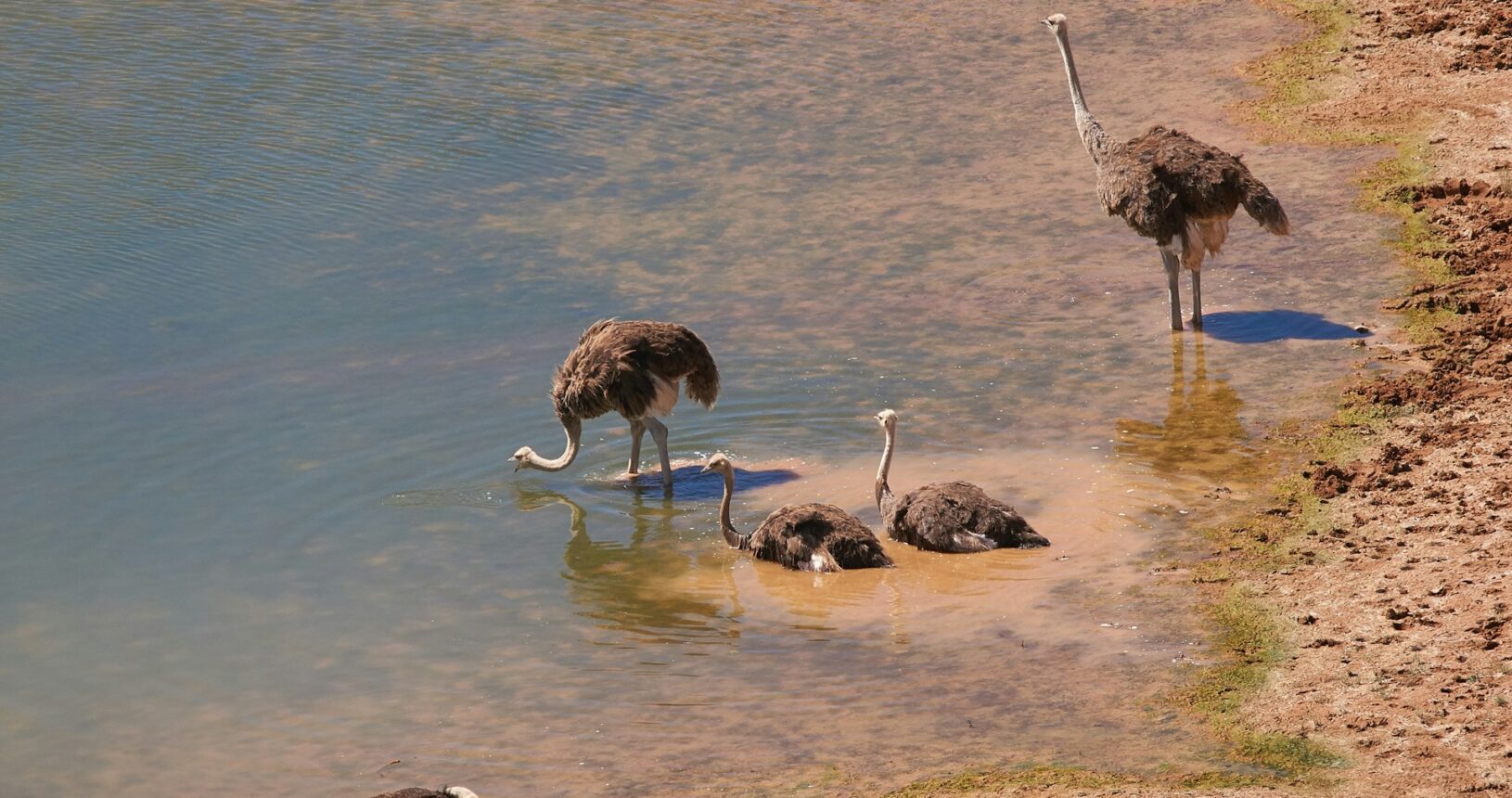
Large birds such as ostriches, secretary birds, crowned cranes, and flamingos create memorable sightings.
Lake Manyara National Park is famous for its bird diversity, including large flamingo populations. Wetlands, forests, and grasslands throughout Tanzania attract resident and migratory species.
Bird watching can become part of any Tanzania safari itinerary.
Marine Wildlife in Tanzania
Tanzania’s wildlife extends beyond land. The Indian Ocean coastline and islands support rich marine ecosystems.
Zanzibar, Mafia Island, and coastal areas offer opportunities to see dolphins, sea turtles, colorful reef fish, and other marine species.
Visitors can enjoy snorkeling, diving, and boat excursions to explore underwater environments.
The combination of land and marine wildlife makes Tanzania a complete nature destination.
Conservation of Wildlife in Tanzania
Protecting wildlife in Tanzania remains a major national priority. National parks, conservation areas, and wildlife reserves help protect endangered species and important ecosystems.
Tourism contributes directly to conservation through park fees and responsible travel practices.
Many communities living near protected areas participate in conservation programs that support both wildlife protection and local livelihoods.
Sustainable tourism helps ensure future generations can experience Tanzania’s incredible natural heritage.
Best Places to See Wildlife in Tanzania
Several destinations provide exceptional wildlife experiences.
Serengeti National Park remains the country’s most famous safari destination. It offers the Great Migration, Big Five sightings, and some of Africa’s best predator viewing.
Ngorongoro Conservation Area provides incredible wildlife density within the famous crater.
Tarangire National Park offers large elephant herds and beautiful landscapes filled with baobab trees.
Nyerere National Park and Ruaha National Park provide more remote safari experiences with diverse wildlife and fewer visitors.
Each destination offers something unique for wildlife enthusiasts.
Plan Your Safari
The wildlife in Tanzania creates some of the most unforgettable safari experiences in the world. From witnessing the Great Migration to watching elephants roam beneath ancient baobab trees, every moment brings a new discovery.
Tanzania’s national parks, conservation efforts, and diverse ecosystems make it one of Africa’s greatest wildlife destinations.
A journey through Tanzania offers more than animal sightings. It creates a deeper connection with nature, conservation, and the wild landscapes that make Africa extraordinary.
In Africa’s national parks, every sunrise paints a masterpiece — where the wild’s call echoes across endless horizons. Visiting these parks is to witness nature in its purest form, a timeless dance that stirs the soul.
Steps to Book Your Southern Africa Tour
Choose Your Adventure
Confirm Your Booking
Begin Your Journey
Ready to plan your tailor-made safari?