
Flights to Namibia
February 1, 2026
LGBTQ Travel in Namibia
February 1, 2026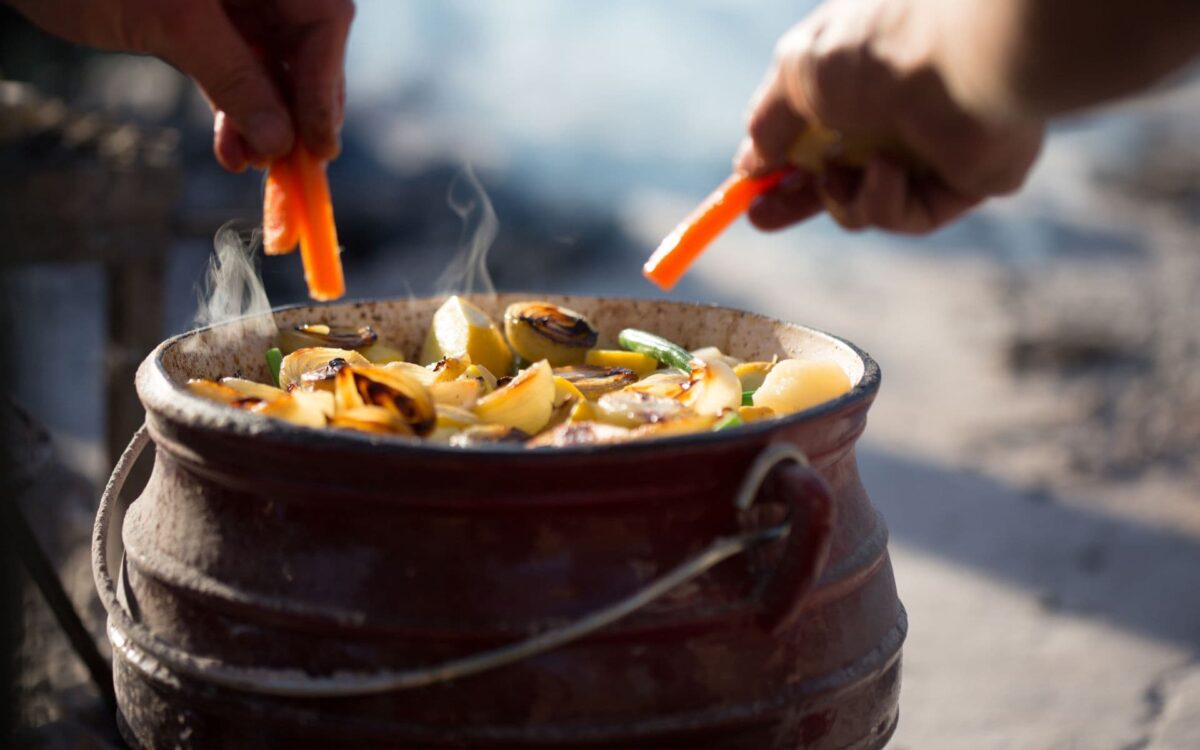
Food and Tipping Practices in Namibia
Understanding Food and Tipping Practices in Namibia
Food and Tipping Practices in Namibia reflect a blend of German culinary influence, traditional African cuisine, and modern international dining standards shaped by tourism. Travelers exploring Namibia quickly discover that food plays an important role in the safari experience, from gourmet lodge dining in remote desert camps to fresh seafood along the Atlantic coast.
At the same time, tipping remains a well-established part of Namibia’s service culture, especially in tourism, hospitality, and safari operations. Understanding both food culture and tipping expectations helps travelers enjoy smoother interactions and more meaningful experiences throughout their journey.
Namibia offers excellent food quality across most safari lodges and urban restaurants, and service staff generally rely on tips as a meaningful supplement to income in tourism areas.
Why Book This Destination
Explore More about Food and Tipping Practices in Namibia
Traditional and Modern Food in Namibia
Namibia’s cuisine reflects its diverse cultural history and geography. Traditional food in rural communities often includes millet-based dishes, grilled meats, and locally sourced vegetables. In contrast, urban centers and safari lodges offer a wide range of international dishes, often with a strong emphasis on fresh, high-quality ingredients.
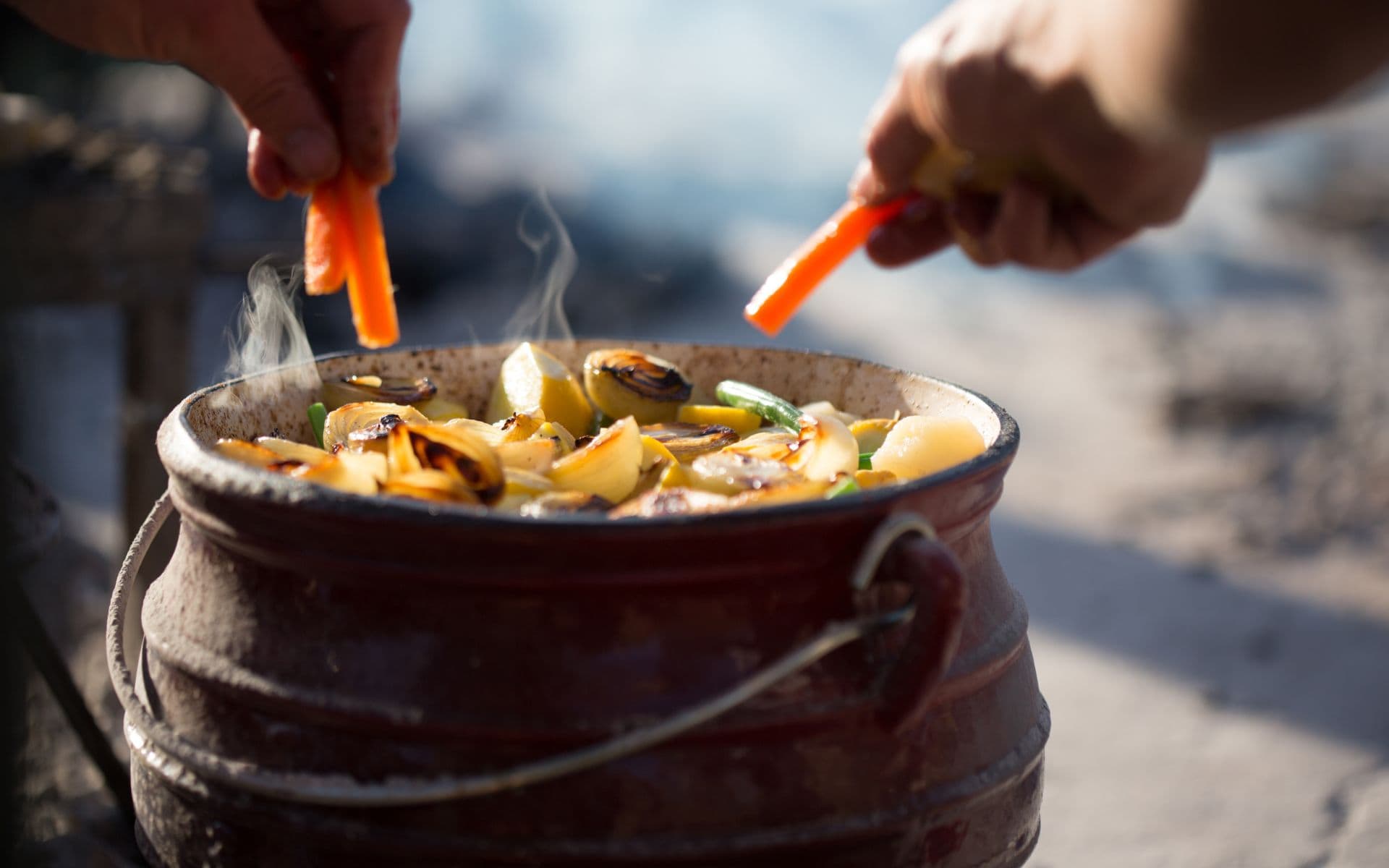
One of the most iconic elements of Food and Tipping Practices in Namibia is game meat. Travelers may encounter dishes featuring oryx, kudu, springbok, and zebra in both restaurants and lodge menus. These meats are typically grilled or slow-cooked and served with vegetables, potatoes, or local grains.
Seafood also plays an important role, especially in coastal towns such as Swakopmund and Walvis Bay. Fresh oysters, lobster, calamari, and line fish feature prominently on many menus, often paired with South African wines or imported beverages.
German culinary influence remains visible in Namibia’s bakeries and cafés. Fresh bread, pastries, sausages, and cakes are widely available, especially in Windhoek and Swakopmund, reflecting the country’s colonial heritage.
Dining Experiences on Safari
Dining forms a key part of the safari experience in Namibia. Luxury and mid-range lodges place strong emphasis on high-quality meals, often served in scenic locations such as outdoor decks, desert settings, or overlooking waterholes.
Breakfast typically includes fresh fruit, eggs, baked goods, and cereals. Lunches are usually lighter, especially during game drives, while dinners often feature multi-course meals with locally inspired and international dishes.
Many lodges elevate Food and Tipping Practices in Namibia by offering bush dinners under the stars or sunset meals in remote desert landscapes. These experiences combine fine dining with unforgettable natural settings.
Vegetarian and special dietary requirements are widely accommodated in most established safari lodges, particularly those catering to international guests.
Restaurant Culture in Namibia
Restaurant dining in Namibia ranges from casual cafés to high-end establishments in Windhoek and coastal towns. In cities, travelers find a growing culinary scene that includes African fusion cuisine, European-style bistros, and contemporary fine dining restaurants.
In smaller towns and safari regions, dining options are often limited to lodge restaurants or guesthouse kitchens, but quality remains consistently high due to tourism standards.
Service in Namibia’s restaurants is generally friendly and relaxed, with staff focusing on hospitality rather than fast-paced service culture. Meals often take longer than in urban Western settings, reflecting a more laid-back dining rhythm.
Understanding Tipping in Namibia
Tipping is an important part of Food and Tipping Practices in Namibia, particularly within the tourism industry. While not legally required, tipping is widely expected and appreciated as a gesture of gratitude for good service.
In restaurants, travelers typically leave a tip of around 10% of the total bill if service is satisfactory. In more upscale restaurants, this percentage may increase slightly depending on the level of service provided.
Safari guides, drivers, and lodge staff also rely heavily on tips. Guides often receive separate gratuities based on group size and length of safari, while lodge staff tips are usually pooled and distributed among the team.
Housekeeping staff, porters, and waitstaff also benefit from small daily tips, especially in remote safari camps where tourism forms a key part of local livelihoods.
Tipping on Safari Experiences
Safari tipping in Namibia follows a more structured but flexible approach. Travelers often tip guides separately because they play a central role in wildlife tracking, interpretation, and overall safari experience.
Guides typically receive higher tips compared to general lodge staff due to their specialized skills and extended time spent with guests. Drivers and trackers may also receive separate gratuities depending on the safari setup.
At lodges, many properties provide a communal tipping box where guests can leave contributions at the end of their stay. These funds are then distributed among kitchen staff, housekeeping teams, gardeners, and other support staff.
Currency and Payment Methods
Namibia uses the Namibian Dollar (NAD), which is pegged to the South African Rand (ZAR). Both currencies circulate freely within the country, and travelers can use either for most transactions.
Credit cards are widely accepted in hotels, lodges, restaurants, and larger shops, especially in urban areas and tourist hubs. However, cash remains useful for small tips, rural purchases, and remote regions where card facilities may be limited.
When managing Food and Tipping Practices in Namibia, travelers should carry small denominations of cash for convenience, especially during safari travel.
Cultural Etiquette Around Food and Service
Namibian dining culture emphasizes respect, patience, and hospitality. Meals are often unhurried, and social interaction plays an important role in the dining experience.
Greeting staff politely and acknowledging service efforts enhances interactions and reflects cultural appreciation. While tipping is appreciated, it should always reflect genuine satisfaction rather than obligation.
In safari environments, staff often build long-term relationships with guests, creating a personalized experience that goes beyond standard hospitality service.
Why Food and Tipping Matter in Namibia Travel
Understanding Food and Tipping Practices in Namibia enhances the overall travel experience by helping visitors engage respectfully with local service culture. Food becomes more than nourishment; it becomes part of the safari journey, connecting travelers to landscapes, communities, and traditions.
Tipping, in turn, supports local employment and contributes directly to families working in tourism. This system strengthens Namibia’s conservation-based tourism model, where wildlife protection and community development work together.
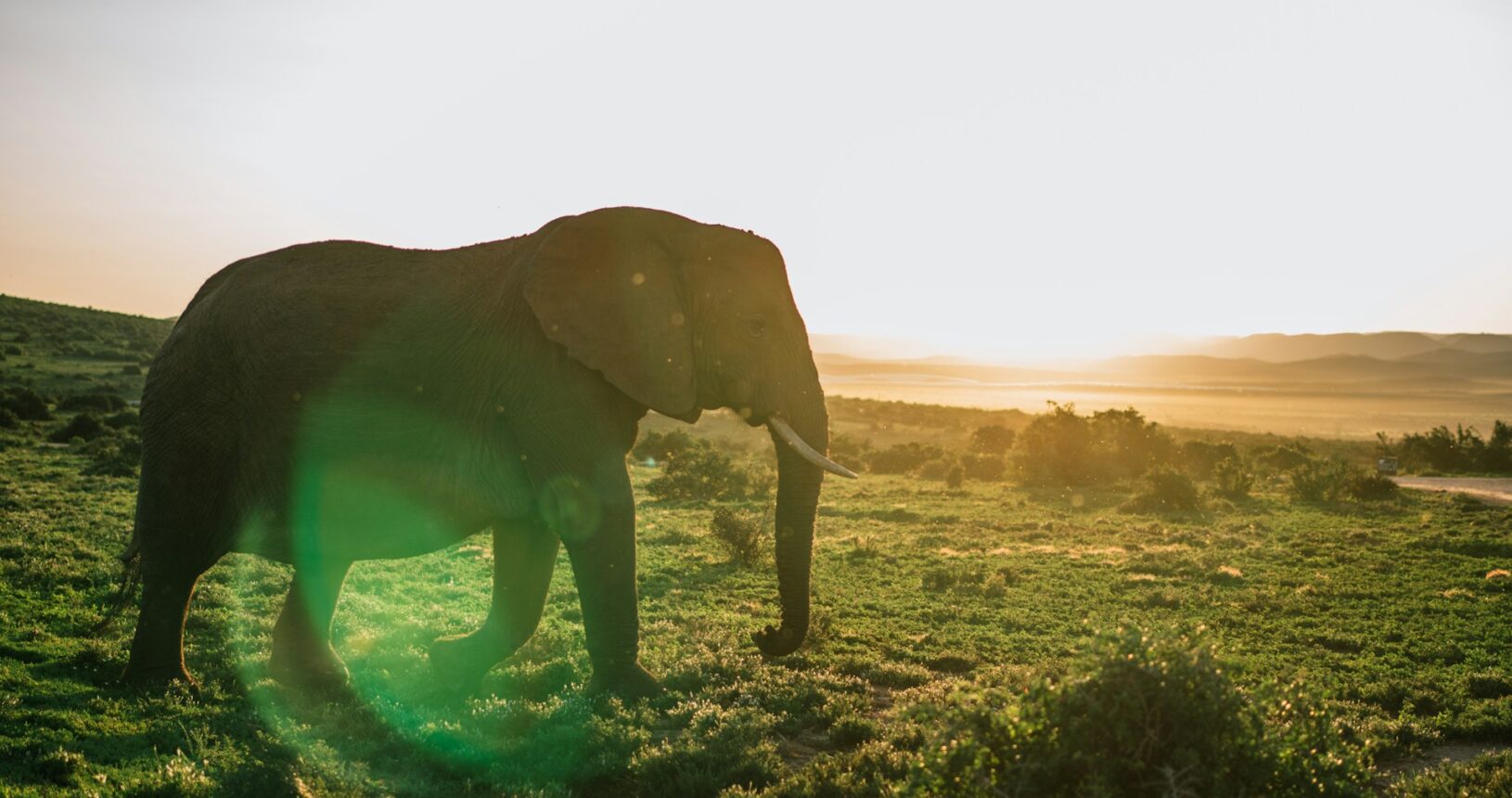
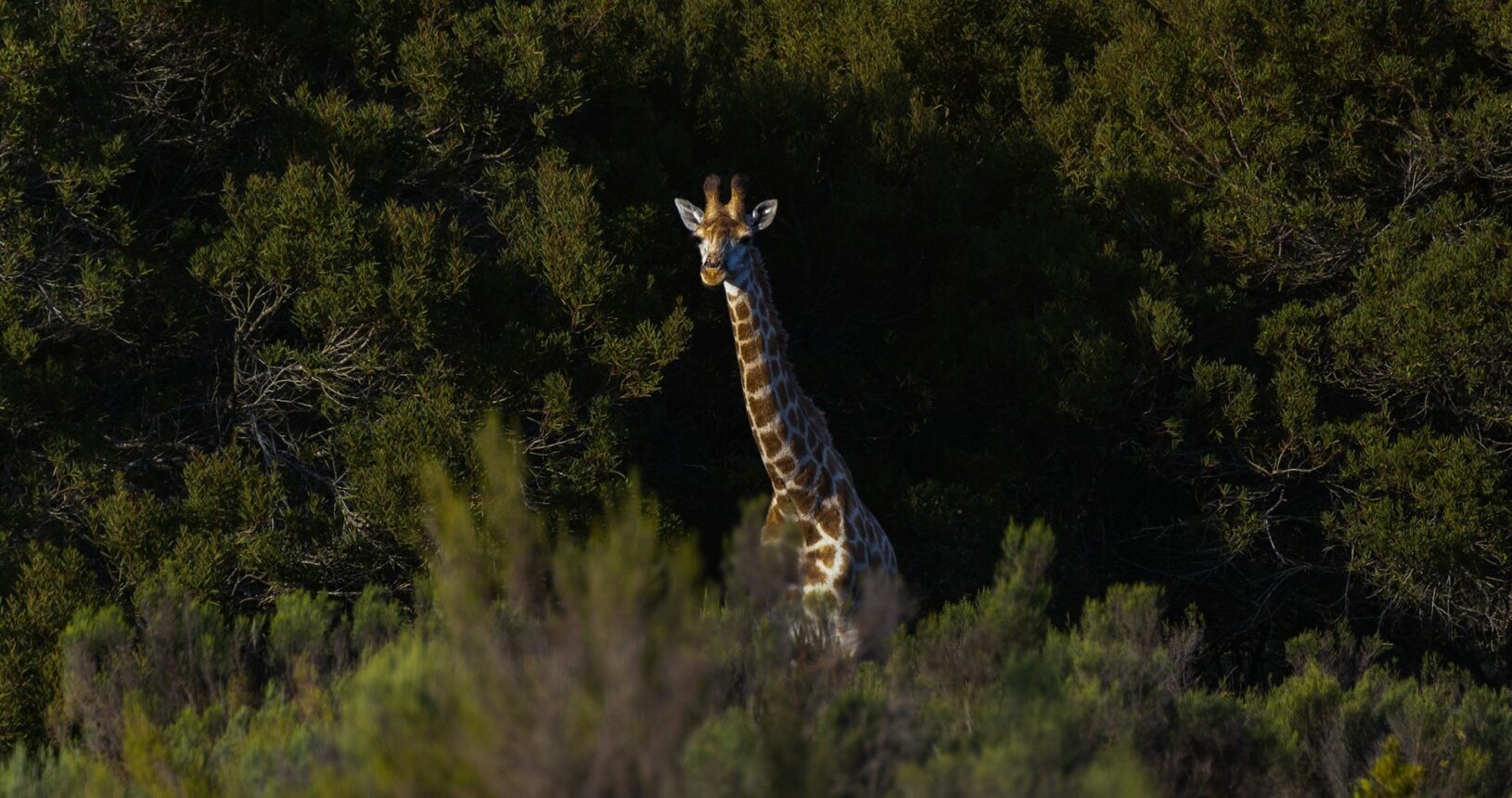
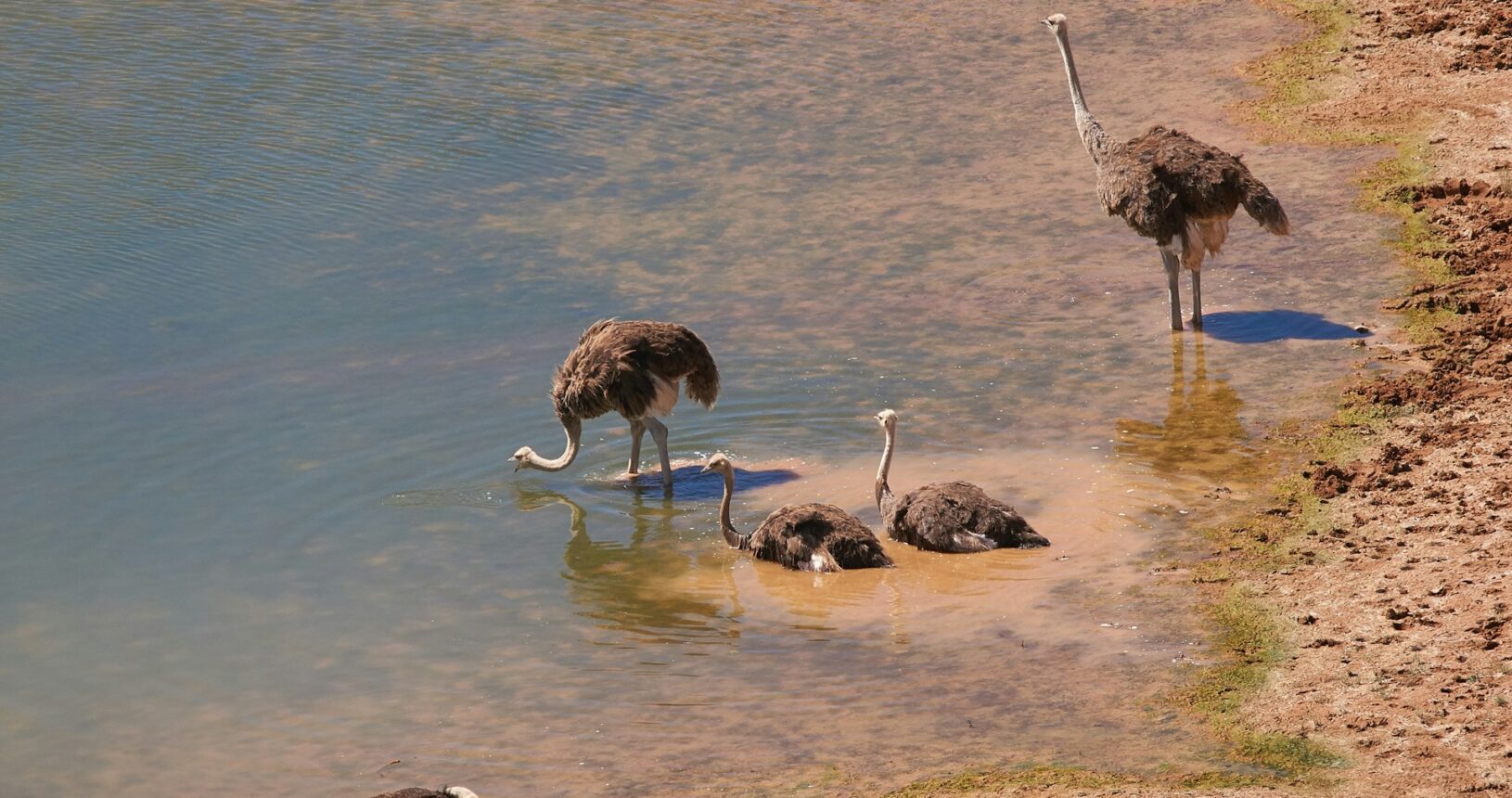
In Africa’s national parks, every sunrise paints a masterpiece — where the wild’s call echoes across endless horizons. Visiting these parks is to witness nature in its purest form, a timeless dance that stirs the soul.
Steps to Book Your Southern Africa Tour
Choose Your Adventure
Confirm Your Booking
Begin Your Journey
Ready to plan your tailor-made safari?