Bel Ombre
February 10, 2026
Flic en Flac
February 10, 2026
Curepipe, Mauritius
Curepipe is one of Mauritius' most charming and historically significant towns, located in the cool central highlands of the island. Known for its pleasant climate, colonial architecture, botanical gardens, shopping streets, and panoramic viewpoints, Curepipe offers a refreshing contrast to the tropical beaches that often define Mauritius. Sitting at an elevation of about 550 metres above sea level, the town enjoys cooler temperatures throughout the year, making it a favourite destination for both locals and visitors looking to escape the coastal heat.
Unlike the bustling resort areas along the shoreline, Curepipe provides a glimpse into everyday Mauritian life. Tree-lined avenues, historic churches, elegant colonial homes, local cafés, and vibrant markets create an atmosphere that feels authentic and welcoming. The town also serves as an excellent base for exploring many of Mauritius' natural attractions, including volcanic craters, botanical gardens, tea plantations, waterfalls, and nature reserves.
Whether you are interested in history, culture, shopping, or scenic landscapes, Curepipe offers a unique experience that reveals a different side of Mauritius beyond its beaches and luxury resorts.
Why Book This Destination
Explore More about Curepipe, Mauritius
Where is Curepipe?
Curepipe lies in the Plaines Wilhems District in central Mauritius, approximately 20 kilometres south of Port Louis and about 35 kilometres from Sir Seewoosagur Ramgoolam International Airport. Its central location makes it easily accessible from almost every part of the island, with most major attractions less than an hour's drive away.
The town occupies one of the highest points in Mauritius, surrounded by rolling hills, forests, and volcanic landscapes. This elevated position gives Curepipe its distinctive climate, with cooler temperatures, occasional mist, and lush greenery throughout the year.
Its strategic location also makes it an ideal stop for travellers exploring the southern and central regions of Mauritius.
The History of Curepipe
The history of Curepipe dates back to the French colonial period, when travellers stopped in the area to rest and refresh themselves during journeys between Port Louis and Grand Port. According to local tradition, the town's name originated from the French phrase curer la pipe, meaning "to clean one's pipe," as travellers often paused here to clean their smoking pipes before continuing their journey.
During the nineteenth century, Curepipe developed into an important residential town as wealthy families built elegant homes to take advantage of the cooler climate. British colonial influence further shaped the town's architecture, educational institutions, and civic buildings, many of which still stand today.
Today, Curepipe remains one of Mauritius' major commercial and administrative centres while preserving much of its colonial character and historical charm.
The Climate in Curepipe
One of the defining features of Curepipe is its climate. Thanks to its high elevation, the town experiences cooler temperatures than the coastal regions throughout the year. Daytime temperatures generally range between 18°C and 25°C, creating comfortable conditions for sightseeing and outdoor activities.
Rainfall occurs more frequently in Curepipe than in other parts of Mauritius, contributing to the area's lush vegetation and vibrant gardens. Short periods of mist often drift across the surrounding hills, adding to the town's scenic atmosphere.
Visitors travelling from the coast should consider bringing a light jacket, particularly during the evenings and the cooler months between May and September.
Trou aux Cerfs: Curepipe's Most Famous Attraction
No visit to Curepipe is complete without exploring Trou aux Cerfs, one of the island's best-known natural landmarks. This dormant volcanic crater measures approximately 350 metres in diameter and offers spectacular panoramic views across central Mauritius.
A well-maintained walking path circles the rim of the crater, allowing visitors to enjoy scenic viewpoints overlooking mountains, forests, towns, and distant coastlines. Dense vegetation now covers much of the crater, creating a peaceful natural environment that attracts walkers, joggers, photographers, and birdwatchers.
On clear days, visitors can see large sections of the island from the summit, making Trou aux Cerfs one of the finest viewpoints in Mauritius.
Shopping in Curepipe
Curepipe has long been recognised as one of Mauritius' leading shopping destinations. The town features a wide variety of boutiques, jewellery stores, local markets, handicraft shops, and duty-free outlets where visitors can purchase unique souvenirs and locally produced goods.
One of the town's most famous specialties is high-quality model ships. Skilled local artisans spend months creating detailed replicas of historic sailing vessels that have become prized collector's items around the world.
Visitors also find jewellery crafted from locally sourced materials, handmade textiles, artisanal products, and premium Mauritian tea and rum available throughout the town.
Shopping in Curepipe provides an excellent opportunity to support local businesses while discovering authentic Mauritian craftsmanship.
Cultural Attractions
Beyond its commercial appeal, Curepipe offers several cultural and historical attractions that reflect the island's diverse heritage.
The town is home to beautiful churches, colonial-era public buildings, museums, and educational institutions that highlight Mauritius' French and British influences. Walking through the streets allows visitors to admire well-preserved colonial architecture alongside modern commercial developments.
Local cafés and restaurants serve traditional Mauritian cuisine influenced by Indian, Creole, Chinese, and French culinary traditions. Sampling local dishes while exploring the town offers a deeper appreciation of Mauritius' multicultural identity.
Throughout the year, Curepipe also hosts community events, festivals, and cultural celebrations that showcase music, dance, art, and local traditions.
Nature Around Curepipe
Although Curepipe is an urban centre, it enjoys close proximity to several of Mauritius' most important natural attractions.
Visitors can easily reach Black River Gorges National Park, where hiking trails wind through indigenous forests filled with endemic birds and rare plant species. The nearby Ebony Forest Reserve also offers guided nature walks that highlight the island's remarkable biodiversity and conservation efforts.
The surrounding countryside features tea plantations, waterfalls, botanical gardens, and scenic mountain roads that create countless opportunities for photography and outdoor exploration.
Many visitors combine Curepipe with excursions to Chamarel Seven Coloured Earth Geopark, Grand Bassin (Ganga Talao), and Bois Chéri Tea Factory to experience the natural beauty of central Mauritius.
Dining in Curepipe
The dining scene in Curepipe reflects the cultural diversity that defines Mauritius. Restaurants range from casual cafés serving freshly baked pastries to elegant establishments specialising in international cuisine.
Local eateries prepare authentic Mauritian dishes that combine African, Indian, Chinese, and European influences. Visitors can enjoy fragrant curries, seafood specialties, noodle dishes, grilled meats, fresh tropical fruits, and traditional desserts prepared using locally sourced ingredients.
Several cafés also serve premium Mauritian coffee alongside handmade pastries, creating pleasant spaces to relax after exploring the town's attractions.
Dining in Curepipe allows visitors to experience flavours that differ from those typically found in the island's beachfront resorts.
Best Time to Visit Curepipe
Curepipe welcomes visitors throughout the year, although many travellers prefer the cooler months between May and November, when comfortable temperatures create excellent conditions for walking, sightseeing, and outdoor exploration.
The warmer months between December and April bring greener landscapes and occasional afternoon showers, but attractions remain open and enjoyable throughout the season.
Because Curepipe experiences a cooler climate than the coast, it provides a refreshing destination regardless of when you visit Mauritius.
Why Visit Curepipe?
Curepipe offers a completely different perspective on Mauritius. Instead of focusing on beaches and coastal resorts, the town introduces visitors to the island's history, culture, shopping, and volcanic landscapes.
Its cooler climate, scenic viewpoints, colonial heritage, vibrant local life, and central location make it an excellent addition to any Mauritius itinerary. Visitors who spend time exploring Curepipe often gain a deeper understanding of the island's rich cultural identity and natural diversity.
Whether you are hiking around the rim of Trou aux Cerfs, browsing handcrafted souvenirs, enjoying traditional Mauritian cuisine, or simply strolling through its historic streets, Curepipe provides experiences that complement the island's famous coastal attractions.
If you want to discover the authentic heart of Mauritius while exploring its remarkable landscapes and heritage, Curepipe deserves a place on your travel itinerary.
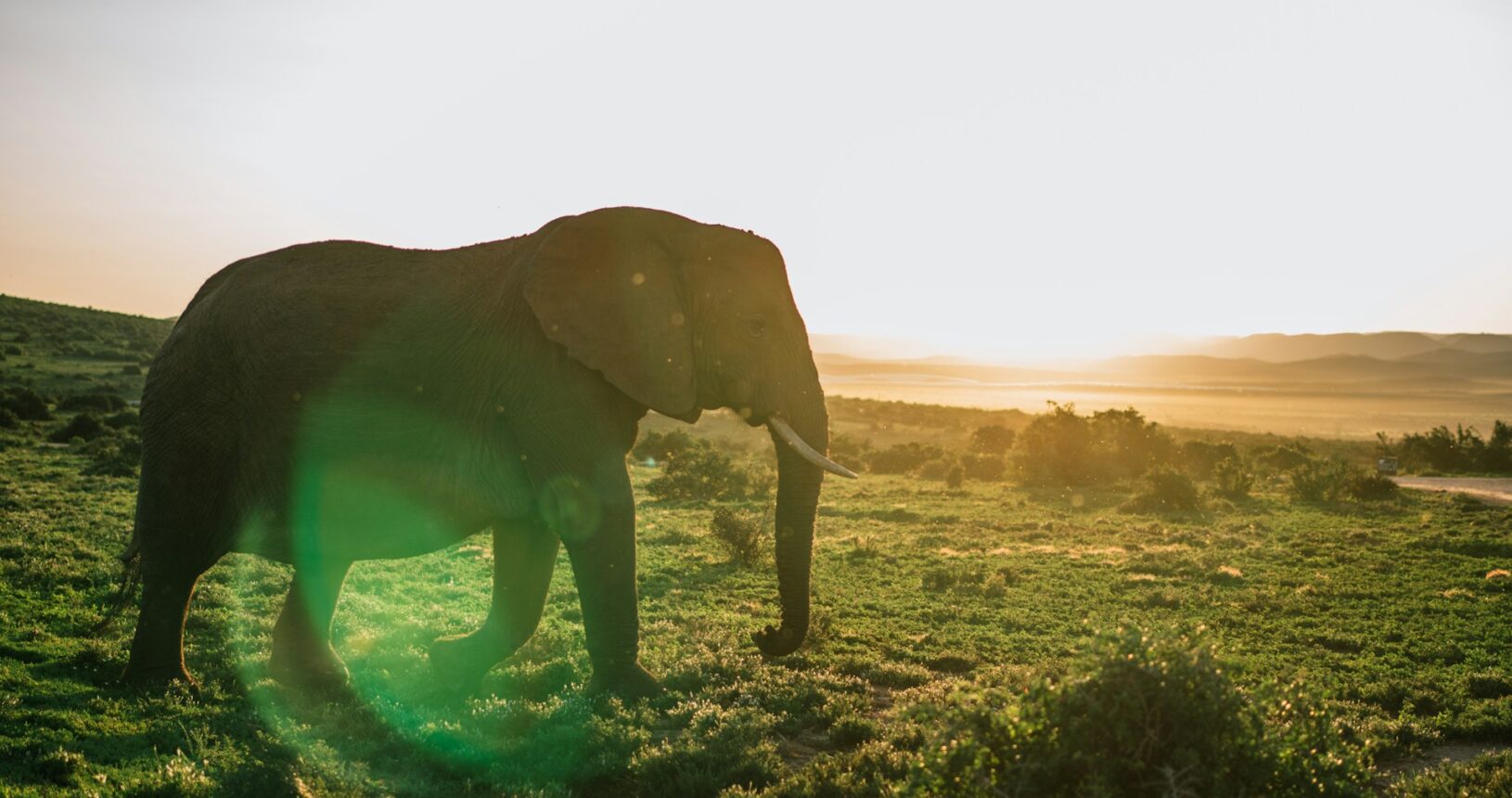
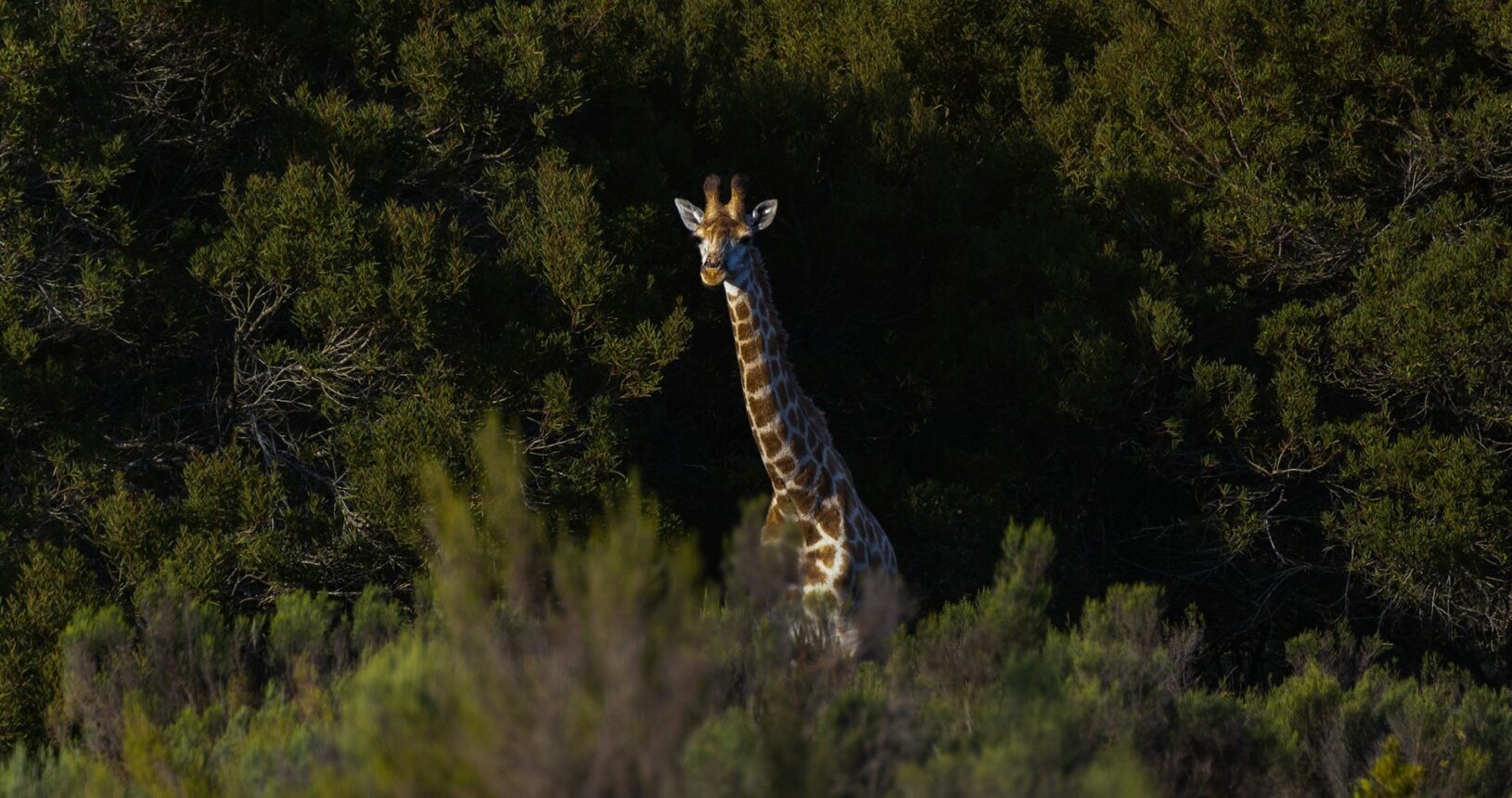
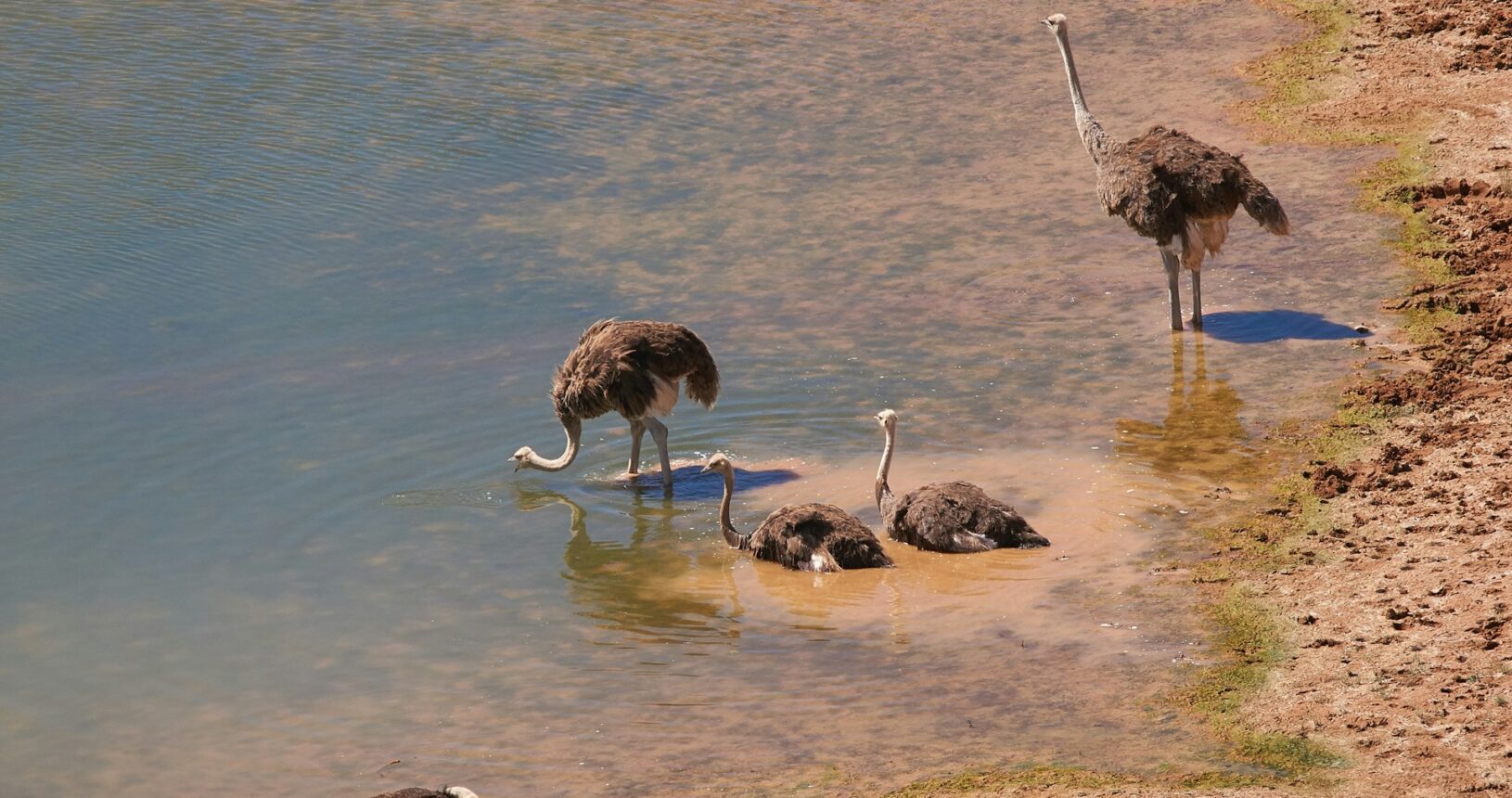
In Africa’s national parks, every sunrise paints a masterpiece — where the wild’s call echoes across endless horizons. Visiting these parks is to witness nature in its purest form, a timeless dance that stirs the soul.

Steps to Book Your Southern Africa Tour
Choose Your Adventure
Confirm Your Booking
Begin Your Journey
Ready to plan your tailor-made safari?