Cost of a Mauritius Safari
February 10, 2026
Mafia Island
February 10, 2026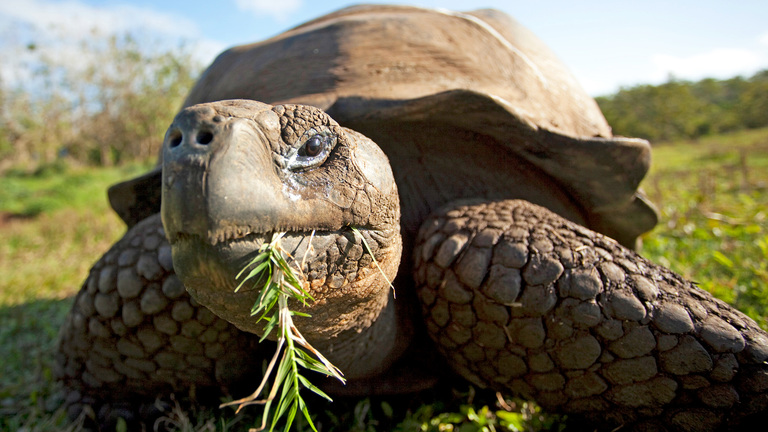
Wildlife, Flora and Fauna of Mauritius
The wildlife, flora and fauna of Mauritius tell a remarkable story of evolution, survival, and conservation. Although Mauritius is often celebrated for its white sandy beaches, turquoise lagoons, and luxury resorts, the island also ranks among the world's most fascinating biodiversity hotspots. Isolated in the Indian Ocean for millions of years, Mauritius developed plant and animal species found nowhere else on Earth, making it one of the most unique ecological destinations in the Southern Hemisphere.
Unlike mainland African countries where large mammals dominate the landscape, the wildlife, flora and fauna of Mauritius showcase a different kind of natural wonder. Ancient ebony forests, rare orchids, giant tortoises, colourful endemic birds, fruit bats, coral reefs, and vibrant marine life create an ecosystem unlike any other. Every forest trail, mountain ridge, wetland, and lagoon reveals species that have adapted to the island's isolated environment over thousands of years.
Today, Mauritius has become a global example of conservation success. Government agencies, conservation organisations, and private reserves work together to restore native forests, protect endangered wildlife, and preserve fragile ecosystems. Visitors not only experience incredible natural beauty but also witness how responsible conservation can reverse environmental decline.
Why Book This Destination
Explore More about Solo Safaris in Kenya
The Unique Biodiversity of Mauritius
The exceptional wildlife, flora, and fauna of Mauritius exist because the island remained geographically isolated for nearly eight million years. Without large land predators or neighboring ecosystems, plants and animals evolved independently, creating species that cannot be found anywhere else on the planet.
This isolation allowed birds, reptiles, insects, and flowering plants to develop distinctive characteristics suited specifically to Mauritius. Unfortunately, human settlement during the seventeenth century introduced invasive species, habitat destruction, and hunting, which placed enormous pressure on native wildlife. The extinction of the famous dodo became one of history's most recognized examples of biodiversity loss.
Despite these challenges, Mauritius has successfully restored many ecosystems through protected reserves, habitat rehabilitation, and species recovery programs. Today, visitors exploring the island experience one of the Indian Ocean's most inspiring conservation stories.
Wildlife in Mauritius
The wildlife, flora, and fauna of Mauritius differ significantly from those of mainland Africa. Rather than encountering lions, elephants, or giraffes, visitors discover rare birds, reptiles, mammals, and marine species that have evolved within the island's unique ecosystems.
One of the island's most famous native mammals is the Mauritian flying fox, often called the fruit bat. With its impressive wingspan and gentle behavior, it plays a vital ecological role by pollinating flowers and dispersing seeds throughout native forests. As evening approaches, hundreds of fruit bats leave their roosts, creating an unforgettable natural spectacle against the setting sun.
Mauritius also supports numerous reptile species, including skinks, geckos, and giant Aldabra tortoises. Although the Aldabra tortoise is not originally from Mauritius, conservation centers such as La Vanille Nature Park have successfully introduced breeding populations that now form one of the island's most popular wildlife attractions.
Among the smaller mammals, visitors may also encounter introduced rusa deer and wild boar, particularly in forested areas and private reserves. These animals have adapted well to the island's landscape and often appear during guided nature walks.
The diversity of the wildlife, flora, and fauna of Mauritius continues beneath the ocean surface, where coral reefs support colorful tropical fish, sea turtles, dolphins, whales, octopuses, and countless marine invertebrates.
Birdlife of Mauritius
Birdwatching forms one of the greatest highlights of exploring the wildlife, flora, and fauna of Mauritius. Although several native bird species disappeared after human settlement, conservation programs have helped many endangered birds recover.
The Mauritius kestrel stands as one of the world's greatest wildlife recovery stories. During the 1970s, only four individuals survived in the wild. Intensive breeding and habitat restoration programs have increased the population significantly, making the species one of conservation's greatest achievements.
Another remarkable species is the pink pigeon, which also faced extinction before successful recovery programs restored healthy breeding populations within protected forests.
The echo parakeet, found only in Mauritius, represents another conservation success. Once critically endangered, it now thrives in carefully managed forest habitats.
Visitors exploring Black River Gorges National Park, Ebony Forest Reserve, and Île aux Aigrettes Nature Reserve often observe these rare birds alongside Mauritius bulbuls, white-eyes, paradise flycatchers, and numerous migratory species.
Marine Life Around Mauritius
The marine ecosystems contribute enormously to the wildlife, flora, and fauna of Mauritius. Coral reefs surrounding the island protect calm lagoons that support extraordinary underwater biodiversity.
More than one thousand fish species inhabit Mauritian waters, creating exceptional opportunities for snorkeling and scuba diving. Butterflyfish, angelfish, parrotfish, surgeonfish, clownfish, and moray eels swim among colorful coral gardens just offshore.
Sea turtles regularly visit Mauritian waters, while spinner dolphins and bottlenose dolphins delight visitors during responsible marine excursions. Between June and October, humpback whales migrate through surrounding waters, offering unforgettable whale-watching opportunities.
The coral reefs themselves provide essential habitat for countless marine organisms while protecting Mauritius' beaches from ocean erosion. Conservation initiatives continue to restore damaged reef systems through coral nurseries and sustainable marine tourism.
Flora of Mauritius
The wildlife, flora, and fauna of Mauritius would not exist without the island's remarkable plant diversity. Native forests once covered nearly the entire island before agriculture and development reduced much of the original vegetation.
Today, conservation areas protect remaining indigenous forests that contain hundreds of endemic plant species. Ebony trees, after which Ebony Forest Reserve takes its name, once dominated Mauritius but became heavily exploited during colonial times due to their valuable timber. Restoration projects now re-establish these magnificent forests across protected areas.
Mauritius also supports rare palms, flowering shrubs, ferns, orchids, and medicinal plants that evolved exclusively within the island's isolated environment. Many species continue to recover through active reforestation programs that remove invasive vegetation and replant indigenous trees.
Walking through these forests allows visitors to appreciate the extraordinary botanical diversity that defines the wildlife, flora, and fauna of Mauritius.
Black River Gorges National Park
No destination showcases the wildlife, flora, and fauna of Mauritius better than Black River Gorges National Park.
Covering approximately 6,750 hectares, this protected area safeguards the island's largest remaining indigenous forest. Hiking trails wind through valleys, mountain ridges, waterfalls, and dense woodland where endangered birds and native plants flourish.
Visitors frequently encounter pink pigeons, echo parakeets, Mauritius kestrels, giant tree ferns, ebony trees, and spectacular panoramic viewpoints overlooking the southwest coast.
The park serves as the heart of Mauritius' conservation efforts and remains essential for protecting the island's remaining biodiversity.
Île aux Aigrettes Nature Reserve
Île aux Aigrettes represents one of the finest conservation areas dedicated to preserving the wildlife, flora, and fauna of Mauritius.
Located just offshore from the southeast coast, this small coral island protects one of the last surviving fragments of Mauritius' original coastal forest.
Guided tours introduce visitors to endemic reptiles, giant tortoises, pink pigeons, rare plants, and successful ecological restoration projects. Every visit directly supports ongoing conservation work that protects Mauritius' fragile biodiversity.
Conservation Success Stories
The recovery of the wildlife, flora, and fauna of Mauritius demonstrates what dedicated conservation can achieve.
The Mauritius kestrel, pink pigeon, and echo parakeet all recovered from near extinction through habitat restoration, captive breeding, predator control, and scientific monitoring.
Native forests continue expanding through reforestation initiatives, while marine conservation projects restore coral reefs and protect endangered sea turtles.
Community education also plays an essential role. Local organizations work closely with schools, tourism operators, and communities to encourage environmental stewardship and sustainable tourism practices.
These combined efforts have transformed Mauritius into one of Africa's leading conservation success stories.
Best Time to Experience the Wildlife, Flora and Fauna of Mauritius
Visitors can enjoy the wildlife, flora, and fauna of Mauritius throughout the year, although different seasons offer unique highlights.
The cooler, drier months between May and November provide ideal conditions for hiking, birdwatching, and exploring national parks. Comfortable temperatures make outdoor activities particularly enjoyable.
The warmer months from December to April create lush landscapes, abundant flowering plants, and excellent snorkeling opportunities thanks to warmer ocean temperatures.
Whale watching reaches its peak between June and October, while dolphins remain visible throughout much of the year.
Why Nature Lovers Should Visit Mauritius
Mauritius offers a natural experience unlike any other destination in the Indian Ocean. Instead of focusing solely on beaches, visitors discover ancient forests, rare wildlife, remarkable conservation projects, and vibrant marine ecosystems that continue to evolve and recover.
Exploring the wildlife, flora, and fauna of Mauritius reveals a destination where every forest, reef, and protected reserve tells a story of resilience. It is a place where endangered birds soar once again, native forests regenerate, and marine life flourishes beneath crystal-clear waters.
For nature enthusiasts, photographers, birdwatchers, hikers, and eco-travellers, Mauritius delivers far more than a tropical holiday. It provides an opportunity to experience one of the world's most extraordinary island ecosystems while supporting conservation efforts that protect it for future generations.
If you are planning a Mauritius holiday, include time to explore the island's remarkable natural heritage alongside its famous beaches. You will discover a richer, deeper, and more rewarding side of Mauritius that many visitors never experience.
In Africa’s national parks, every sunrise paints a masterpiece — where the wild’s call echoes across endless horizons. Visiting these parks is to witness nature in its purest form, a timeless dance that stirs the soul.
Steps to Book Your Southern Africa Tour
Choose Your Adventure
Confirm Your Booking
Begin Your Journey
Ready to plan your tailor-made safari?