

Lake Malawi
February 1, 2026
Liwonde National Park
February 1, 2026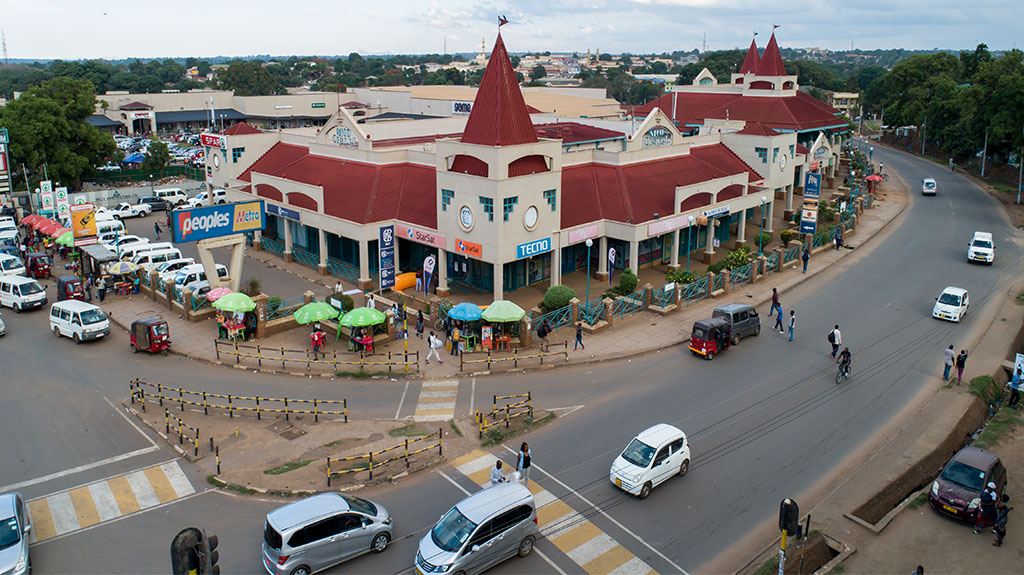
Lilongwe
Lilongwe is the political and administrative capital of Malawi, located in the central region of the country. Known for its spacious layout, greenery, and relatively calm atmosphere, Lilongwe offers a different experience from Malawi’s commercial hub, Blantyre.
The city is divided into two main areas: the Old Town, which reflects local life with markets and smaller businesses, and the New City, where government institutions, embassies, and modern developments are located. While Lilongwe is not a traditional safari destination, it serves as a key entry point for travelers exploring Malawi.
Its relaxed pace and green spaces make it one of the more laid-back capital cities in Africa.
Why Book This Destination
Explore More about Lilongwe
Location and Setting
Lilongwe lies in central Malawi at an altitude of about 1,050 meters above sea level. The city is surrounded by gently rolling countryside and agricultural land, with the Lilongwe River flowing through its landscape.
This central location makes it an important hub for transport and administration. It connects travelers to different parts of the country, including Lake Malawi to the east and wildlife areas such as Liwonde National Park and Nkhotakota Wildlife Reserve.
The city’s relatively open and green layout gives it a less congested feel compared to many other African capitals.
City Structure: Old Town and New City
Lilongwe’s structure is unique in that it is divided into distinct zones. The Old Town represents the traditional commercial center, where local markets, shops, and informal businesses create a lively atmosphere.
The New City, often referred to as Capital Hill, hosts government buildings, diplomatic missions, and modern infrastructure. This area is more organized and less crowded, reflecting the city’s administrative role.
The contrast between these two areas provides visitors with insight into both everyday Malawian life and the country’s governance.
Lilongwe Wildlife Centre
One of the most notable attractions in the city is the Lilongwe Wildlife Centre, located within the Lilongwe Nature Sanctuary. This conservation area protects a forested river ecosystem in the heart of the city.
The wildlife centre focuses on rescuing and rehabilitating injured or orphaned animals, including primates, antelope, and birds. Visitors can explore walking trails through the forest while learning about conservation efforts and local biodiversity.
The sanctuary provides a peaceful natural escape within the urban environment.
Markets and Local Life
Markets are an essential part of daily life in Lilongwe. The Old Town hosts several bustling markets where visitors can experience the rhythm of local commerce. Vendors sell fresh produce, clothing, crafts, and household goods in vibrant and energetic settings.
Exploring these markets offers a glimpse into Malawian culture and everyday interactions. It also provides opportunities to purchase locally made products while supporting small-scale traders.
The lively atmosphere of the markets contrasts with the quieter spaces found in the New City.
Cultural and Urban Experiences
Lilongwe offers a growing cultural scene with art galleries, craft centers, and local restaurants that showcase Malawian creativity and cuisine. Visitors can explore exhibitions featuring local artists or attend cultural events that highlight music and dance traditions.
The city also provides opportunities to interact with local communities and learn about contemporary life in Malawi.
These experiences add depth to a visit beyond simply passing through the capital.
Gateway to Travel in Malawi
Lilongwe is one of the main entry points into Malawi, with an international airport connecting the country to regional and international destinations. From the city, travelers can easily access key destinations across the country.
Lake Malawi lies to the east, offering beaches and water-based activities, while wildlife reserves such as Liwonde and Nkhotakota provide safari experiences. The city’s central location makes it a practical starting point for multi-destination itineraries.
Many travelers spend a short time in Lilongwe before continuing their journey to other parts of Malawi.
Accommodation in Lilongwe
Lilongwe offers a range of accommodation options including business hotels, boutique lodges, and guesthouses. Many properties are located in the New City and cater to both business and leisure travelers.
Some lodges provide garden settings and quiet environments that reflect the city’s relaxed character. These accommodations offer comfort and convenience for travelers beginning or ending their journeys in Malawi.
Options vary to suit different preferences and travel styles.
Best Time to Visit
Lilongwe can be visited throughout the year, though the dry season between May and October offers the most pleasant weather for exploring the city and surrounding areas.
The rainy season between November and April brings greener landscapes and cooler temperatures, though occasional heavy showers may occur.
The city’s climate remains moderate due to its elevation.
Overall Experience
Lilongwe offers a calm and welcoming introduction to Malawi. Its combination of green spaces, cultural experiences, and practical accessibility makes it an important part of the country’s travel landscape.
While it may not be a primary safari destination, Lilongwe provides valuable insight into Malawi’s modern identity and serves as a convenient gateway to the country’s lakes, wildlife reserves, and scenic regions.
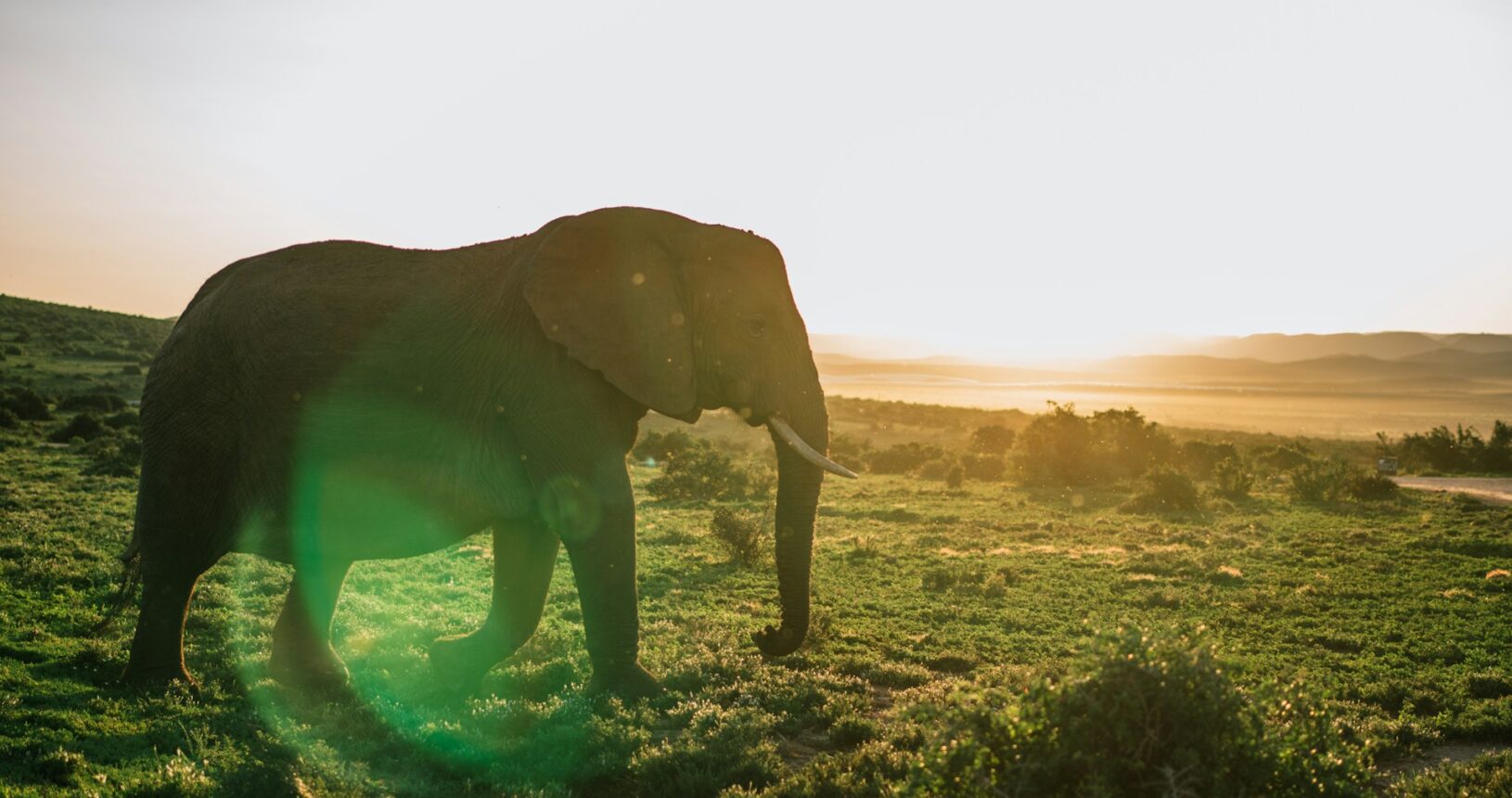
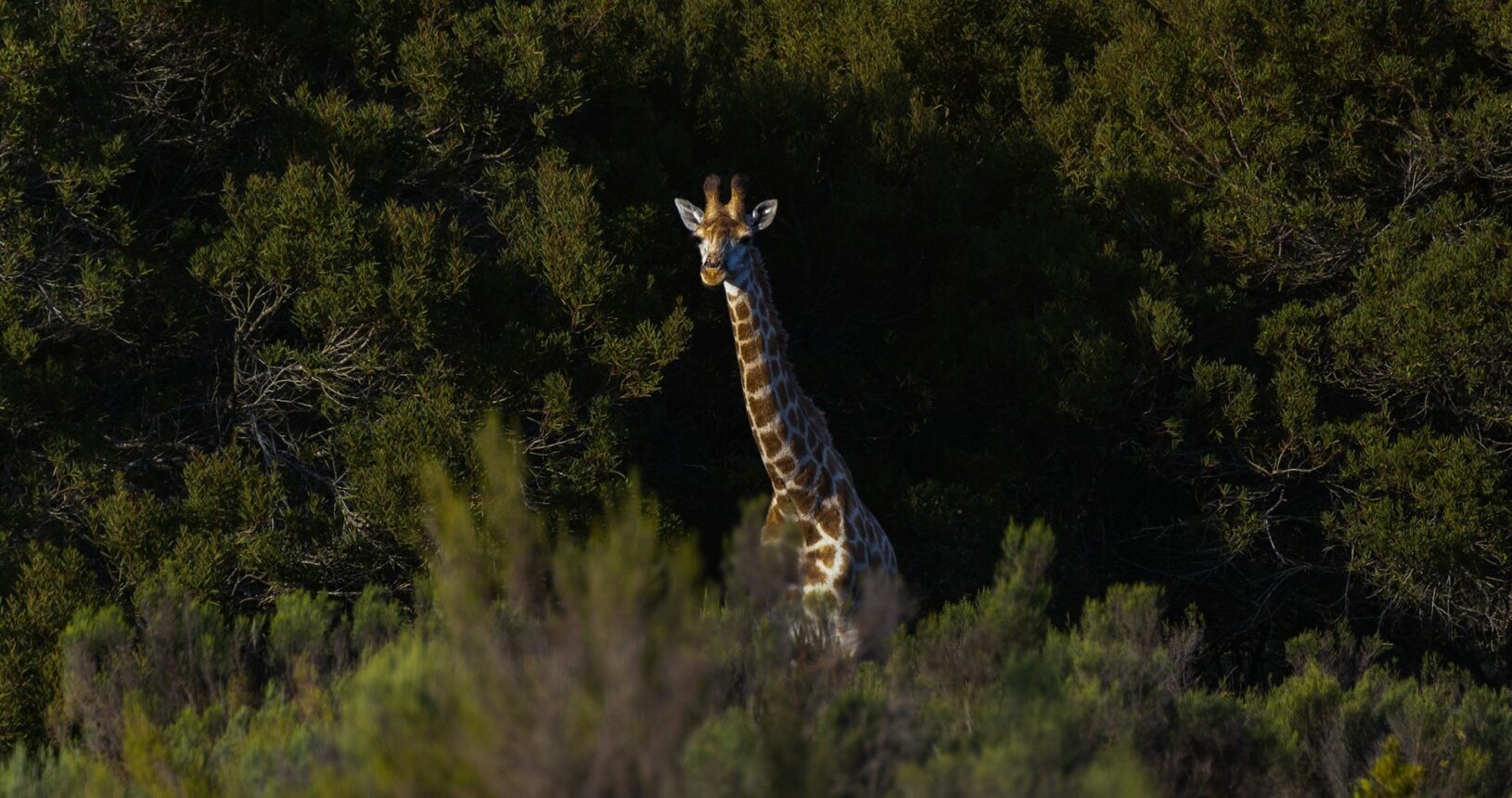
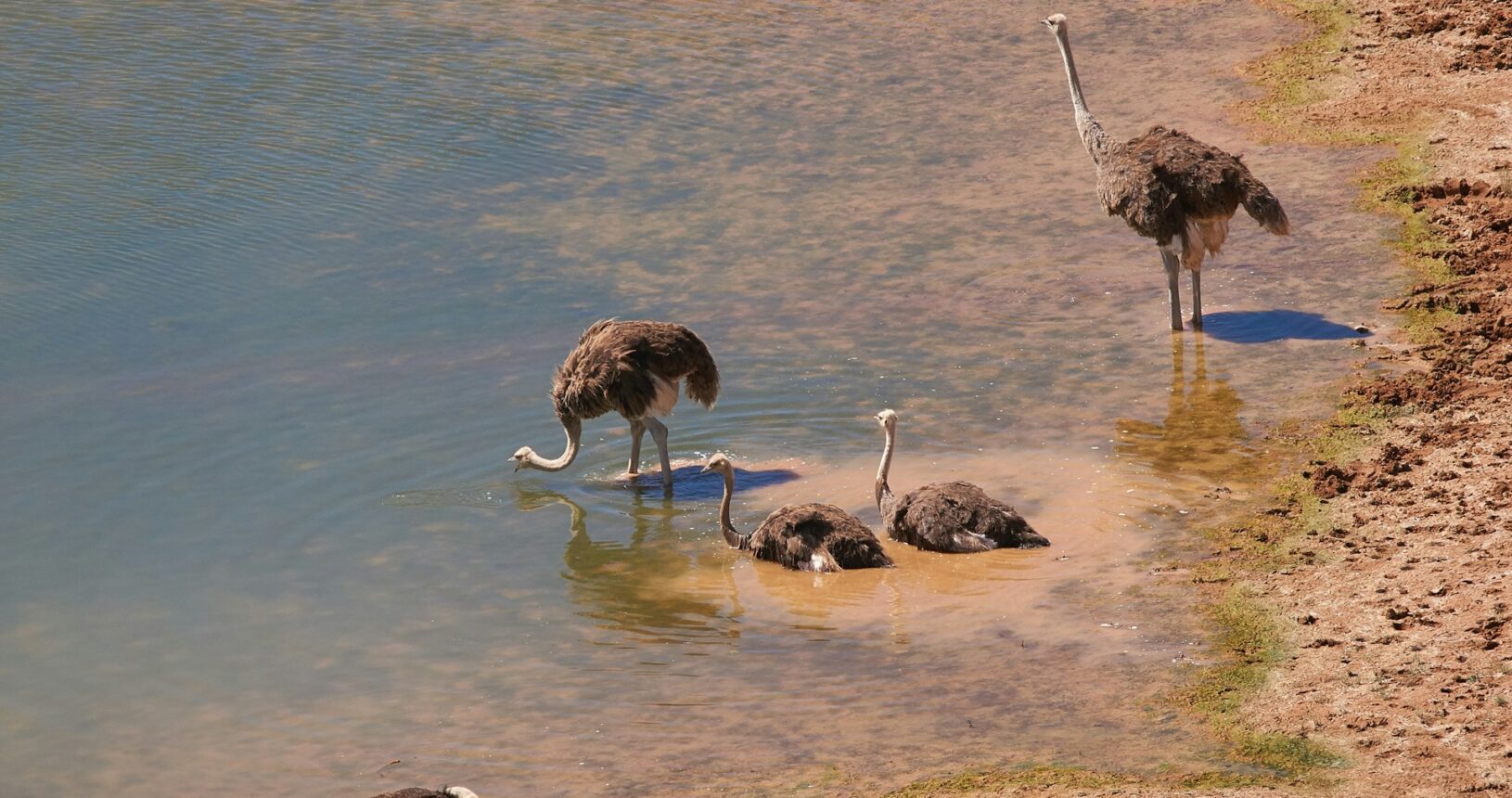
In Africa’s national parks, every sunrise paints a masterpiece — where the wild’s call echoes across endless horizons. Visiting these parks is to witness nature in its purest form, a timeless dance that stirs the soul.

Steps to Book Your Southern Africa Tour
Choose Your Adventure
Confirm Your Booking
Begin Your Journey
Ready to plan your tailor-made safari?